How Long Should a Residential Air Conditioner Last?
Your average residential AC should have a lifespan of around 10 to 15 years with consistent maintenance and use. It depends on how often it runs, the quality of the unit, and how well it is checked and cleaned. In high-use homes or hot locations, some units can begin to lag sooner. Easy things such as swapping out filters and having an annual tune up can go a long way toward helping the system last. Most manufacturers provide a 5- to 10-year warranty, indicating their expectations for the unit. Choosing the appropriate size and model for the house prevents premature wear. In the upcoming sections, discover what impacts lifespan and find advice to maximize your air conditioner.
Key Takeaways
- The average lifespan of residential air conditioners is 10-15 years, but depending on the type — central systems, ductless mini-splits or window units — longevity and replacement can differ greatly.
- Regular professional maintenance — such as yearly inspections, filter changes, and coil cleaning — is vital to getting the most efficiency and life from the system.
- Installation and sizing, of course, are basic. Incorrect setup or undersized capacity may cause premature failures, inflated repair costs, and reduced efficiency.
- Severe weather – high temperatures and humidity, and frequent or abusive usage — can make these units wear out faster.
- Keeping an eye out for symptoms such as ineffective cooling, strange sounds, increasing energy bills and recurring repairs helps you know when your air conditioner is nearing the end of its lifespan, enabling you to plan accordingly for a replacement.
- Upgrading to newer, more efficient models can provide significant energy savings and peace of mind. Using the 50% rule can help you make sound financial decisions when choosing whether to repair or replace aging systems.
The Lifespan Benchmark
A typical home air conditioner has a lifespan of 10 to 15 years. This window is defined by the model of the system, your usage level, your location and maintenance. A few units even last the full 20 years, but the majority begin to break down before then. Benchmarking your system’s age and health against industry standards helps you schedule repairs or replacement.
Central Systems
Central air conditioners have a lifespan of 12 to 15 years with average maintenance. If you stay on top of filter changes, coil cleaning and those annual checkups, it’s not uncommon for a central unit to keep running closer to the 15-year mark, maybe even longer. The size of the system matters: when a system is too big or too small for your space, it strains more and wears out faster. The efficiency of the model matters too because the more efficient it is, the less strain on components. If a pro installs your system you won’t be as susceptible to early breakdowns from error or bad configuration.
Ductless Mini-Splits
Ductless mini-split AC’s can last up to 15-20 years. Their well-designed efficiency entails less stress while running, so they don’t break down as fast as other varieties. Good installation and regular maintenance checks matter when it comes to squeezing the most out of a mini-split. Zoning-enabled systems allow you to cool only the rooms you really need, lightening the load on each unit and helping them last longer.
Window Units
Window air conditioners typically have a lifespan of 8 to 10 years. If you wear them nonstop in a hot climate, anticipate the bottom of that scale. Units in rain, wind, or salty air can rust and disintegrate more quickly. Cleaning filters, checking for leaks and storing the unit inside during cold months can help a window AC last longer.
The Reality
Each air conditioner’s lifespan is different. Catch performance dips so you can address minor issues before they become major. Neglect upkeep, and you can incur a breakdown decades ahead of schedule. If your AC is approaching its anticipated demise, begin budgeting for a new one.
What Shortens AC Lifespan?
These are things like bad installation, brutal climate, inefficient usage and maintenance neglect. For my international audience, these concerns are not geographically constrained. Key factors to watch out for:
- Poor or unprofessional installation
- Improper sizing of the system
- Exposure to extreme temperatures or humidity
- Blocked registers or vents
- Frequent thermostat changes or low temperature settings
- Continuous, intense operation
- Air quality issues (salt, dust, or corrosives)
- Lack of filter changes or annual servicing
Installation
Professional installation is a must for any AC. A lot of early failures stem from simple errors in installation. When a system is too big or small for the home, it cycles on and off more frequently, adding additional wear. If components aren’t linked properly—like refrigerant lines or electrical wires—efficiency falls and issues begin. Poor installation can void the warranty and cause you to need repairs or replacements much earlier than anticipated.
Climate
High heat and humidity forces AC systems to work harder. In certain parts of the country your AC units may run for much longer stints than in mild climates. If the outside unit bakes in direct sun or salty sea air, it encounters more rapid material deterioration. In areas with rapid temperature swings, the compressor and other components experience more strain, potentially reducing their lifespan. For homes in rough climates, selecting a system built for those conditions and modifying maintenance intervals is key.
Usage
How much an AC runs each day influences its lifespan. Running the unit all the time, or always setting it very low (under 70°F), wears out the compressor and fan. Systems that never catch a break can overheat. Smart use—closing blinds, sealing leaks, ceiling fans, etc.—helps the unit last longer. Blocked vents or registers – this means your system is working overtime and causing faster breakdown.
Neglect
Missing maintenance is a quick path to a shortened AC life. Filters must be cleaned or replaced bi-monthly, or more frequently in dusty areas. Yearly check ups catch problems before they get big. They often ignore small faults, like unusual noises or feeble airflow, that actually lead to big, expensive repairs. Even small neglect depletes, shaving years from the system’s life.
Recognizing The Final Season
Identifying when a home air conditioner is approaching the end of its lifespan isn’t necessarily straightforward. Generally, most systems — varying by use and care — last around 15 to 20 years. As units get older—particularly central ones beyond 15 years or window models older than 10 years—they become less efficient and break down more. Keeping an eye out for trouble seasons not only saves you money, but it prevents you from breaking a sweat during high season. Taking action early allows homeowners to schedule replacement and avoid the headache of unexpected failure.
Poor Cooling
Decreased cooling is one of the initial symptoms. If your AC can’t keep the room at the temperature you set, or if it cools some rooms but not others, something is amiss. This performance dip can come from limited airflow — commonly resulting from clogged filters or exhausted fans. Ancient systems, particularly those older than 15 years, are more predisposed to these issues. If you find that your space is just not as cool as it once was, even after routine service, it’s a sure sign that the unit is no longer up to the task. If you notice temperature swings during the day or between rooms, it’s a sign that your system is working harder, but accomplishing less.
Strange Noises
Strange noises aren’t to be dismissed. Grinding, squealing or hissing noises are not typical. They tend to identify failing components, like worn belts, loose hardware or compressor problems. If these sounds return frequently or vary in pitch or intensity, it indicates the condition is progressing. Logging when and how these bangs occur, allow a technician to identify a cause more quickly. Odd sounds are DEFINITELY a call for a professional check, since they’re indicators of a breakdown.
Rising Bills
An unexpected spike in energy bills can signal your AC is losing efficiency. Contrast your present expenses with past years. If the system is running longer or cycling more for the same cooling, it IS using more power. High bills, particularly in antiquated units, indicate internal wear or aging components. Now you have to consider repair costs versus the cost of a new, more efficient unit.
Frequent Repairs
Constant repairs is a big red flag. If you’re calling a tech every few months, or if every fix costs more, the AC might be ready for the final season. Add up what you consume on repairs and if it’s anywhere near the worth of the system. Older units, out of warranty, get more expensive to repair. Many homeowners begin to consider replacement after a couple or more major repairs in a year.
Old Refrigerant
Older ACs typically utilize refrigerants that are being phased out, such as R-22. That makes repairs tricky and expensive as supplies dwindle. Switching over to a system that employs modern refrigerants not only eradicates this problem, but increases both performance and efficiency. If your system is due for a refrigerant recharge and it’s an old one, it’s time to buy a new unit. Clinging to legacy refrigerants can restrict your future choices.
The Ripple Effect of a Failing AC
The consequence of a home AC’s lull transcends inconsistent cooling. So its demise can throw off the equilibrium of air quality, humidity, and even other systems in a home.
Air Quality
A failing AC doesn’t filter air properly. Which means dust and pollen and other allergens can accumulate inside. If the filters or ducts are dirty, these particles just keep circulating through the house.
As the years pass, a bad air filter makes it harder to breathe, particularly if you have asthma or allergies. Mold can begin growing inside ducts and vents if there is excessive moisture, which a weak AC unit cannot extract sufficiently from the air. Mold spores and bacteria can circulate, exacerbating respiratory issues. Maintaining clean filters and having your ducts cleaned and inspected can go a long way toward keeping your air healthier and preventing these issues. In pet or smoker homes, the risk of dirty air gets elevated even further.
Home Humidity
So when an AC isn’t working right, it can’t yank moisture from the air like it should. This results in increased humidity inside, particularly in warm, moist areas.
Damp humidity is too sticky to endure. It aids mold, mildew and dust mites to thrive, which can be hazardous to those with health concerns. Proper humidity levels aren’t just for comfort–they shield furniture, books and even electronics from harm. Monitoring humidity with an inexpensive sensor can indicate whether the AC is functioning properly.
System Strain
Heavy cycling, weird noises, or overheating are red flags the AC is stressed. When the system works harder, its parts wear out faster. Motors, fans, and compressors all take more stress.
This strain doesn’t just harm the AC. It can lead to a domino effect of failure, causing other HVAC parts, like thermostats or air handlers, to break sooner. Unchecked strain leads to bigger problems: sudden system shutdowns, higher repair bills, or even the need for a full replacement. Inspecting the system’s performance, such as monitoring for increasing energy consumption or inconsistent room temperatures, can identify problems before they cascade.
How to Extend AC Life
Residential air conditioner longevity is contingent on elements such as initial installation quality, maintenance, and burden. This type of care not only prevents premature breakdowns, but results in more efficient energy consumption and increased comfort throughout the year.
- Have professional tune-ups at fitting least once a year to have all system components checked and running as they should.
- Replace or clean air filters every 1–3 months. Filters that are clean means less work for the system and greater air flow.
- Dust and overheating limit cooling power, so clean coils and outdoor units regularly.
- Consider a smart thermostat to manage usage, fine-tune settings, and minimize excessive wear.
- Check the unit visually after storms and prior to the cooling season for damage or blocked vents.
- Seal and insulate ducts to prevent cooled air from leaking out — saving energy and keeping the AC from overworking.
- Toss all this in a service log — knowing when care happened helps you spot trends and schedule future TLC.
Professional Tune-Ups
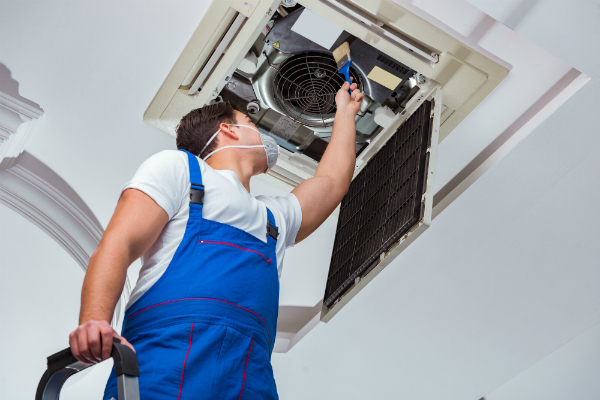
A yearly tune-up by an experienced technician can catch problems early and keep your system efficient. Technicians generally examine refrigerant levels, clean coils, and inspect wiring and system controls. These checks are crucial, as overlooked issues can increase energy consumption and reduce the system’s life.
It’s smart to keep a service history. Knowing what’s been repaired or inspected, you can identify trends and schedule maintenance before they grow into major issues.
Filter Changes
Filters need to be replaced or cleaned monthly – or at the very least – every 3 months. Dirty filters obstruct airflow, causing the compressor to strain harder and reducing efficiency by as much as 10%. In summer or dusty seasons, check filters more frequently.
Select the appropriate filter for your system. Certain homes require premium filters, while others do well with the standard variety.
Clean Coils
Whether it’s the evaporator or the condenser coil, they need to stay clean if your AC is going to work well. Dust and debris on coils cause the system to overheat, which results in both reduced cooling capacity and increased power consumption. A professional cleaning is occasionally needed, particularly for those hard-to-access spots.
Keep an eye on coil condition at minimum once a year and after storms check for visible buildup or damage.
Smart Thermostats
A smart thermostat gets you in control of your AC to align it to your daily routine. Programming allows the system to take a break when you’re not home, which reduces strain.
Track usage with the thermostat’s app. Set comfort and savings, have the ability to change the temperature on the go with remote access.
Repair or Replace?
When a home air conditioner fails, the repair-or-replace decision is more than a short-term economics game. System age, efficiency, and anticipated future costs should all direct this decision. If a major component gives out, a replacement can keep you cozy for years, but it can make more sense to invest in a new unit if the system is older or uses older refrigerants like R-22 Freon. Below is a comparison of repair versus replacement to help clarify the trade-offs:
| Option | Upfront Cost | Efficiency Gain | Long-term Cost | Typical Triggers |
| Repair | Low–Medium | None–Minor | Higher | Minor faults, newer unit |
| Replace | High | Significant | Lower | Major failure, old system |
The 50% Rule
The 50% rule is an easy way to determine whether to repair or replace your AC.
- Check the age of your unit.
- Get the repair estimate.
- Contrast repair cost to 1/2 the cost of a new system.
- If repair cost is over 50%, consider replacement.
- Consider the energy savings and reduced bills with a new unit.
Once you get to this point, replacement typically provides more value. Savings, both in utility bills and fewer breakdowns, over the long term tend to trump up-front repair.
Efficiency Gains
Replacing an old AC with a new one can reduce energy consumption and cost.
Newer systems have higher energy ratings and include things like variable-speed fans and smart thermostats — so more savings AND more comfort. When you compare the energy labels, you’ll frequently find that an upgrade decimates energy consumption and environmental impact. Over time, these savings can compensate for the price of a new mower.
Future Costs
Forecasting future costs helps with the decision.
Older ACs generally require more repairs and out-of-warranty parts are more expensive. Higher energy consumption as the unit gets older piles onto utility bills. Combined with the cost of holding on to an old system, these increasing expenses might justify putting a replacement on the near-term budget.
Conclusion
Generally, residential air conditioners last approximately 10-15 years. Clean filters, checkups and quick fixes help extend those years. Hot spots in the home, strange noises, or sky-high bills indicate the AC might be on its last legs. Newer ACs work more efficiently and consume less energy, so replacing an old unit reduces expenses in the long run. No one wants a snake in his boot. Stay ahead with small checks and fix things early. Have an aging AC or concerns about maintenance. Tell us about it or feel free to leave a question below. Let’s keep each other cool and save some money.
Frequently Asked Questions
1. How long does a typical residential air conditioner last?
The true lifespan depends on factors such as utilization, environment and maintenance.
2. What factors can shorten the life of my air conditioner?
Neglect, dirty filters, heavy use and brutal climates can shorten the life of an air conditioner. Lack of professional servicing comes into play.
3. How can I tell if my air conditioner is near the end of its life?
Typical signs are regular repairs, increased energy costs, inadequate cooling, and strange sounds. If repairs are too frequent, your AC might be approaching its last summer.
4. Is it better to repair or replace an old air conditioner?
As a rule of thumb, if repair costs are significant and the unit is older than 10 years, replacement will typically be more economical. New models are more efficient and reliable.
5. How can I make my air conditioner last longer?
Arrange routine service, clean or swap out filters, and maintain the outdoor condenser unit free of debris. Fix little problems quickly for big destruction.
6. What happens if I keep using a failing air conditioner?
A dying AC can lead to increased energy bills, uneven cooling, and potential water leaks. It can also affect indoor air quality and comfort.
7. Does climate affect how long an air conditioner lasts?
Yes, ACs in hot/humid or dusty environments typically have to work harder and might wear out faster than those in more mild environments. Proper care can help extend theirs.
Restore Comfort And Reliability With Expert HVAC Repair From Superior Mechanical Services
Is your HVAC system making strange noises, blowing uneven air, or failing to keep your space comfortable? Don’t wait for a complete breakdown—Superior Mechanical Services, Inc. is here to diagnose and repair issues before they escalate. Whether you need urgent HVAC repairs, a thorough system inspection, or long-term performance solutions, our certified technicians deliver lasting results you can trust.
Since 1948, homeowners and businesses have relied on our expertise to keep their HVAC systems running smoothly and efficiently. From faulty thermostats and broken compressors to airflow issues and worn components, we fix it all—with precision, professionalism, and your comfort in mind.
Prompt HVAC repair doesn’t just restore performance—it helps prevent costly replacements, reduces energy waste, and extends the life of your system. Let us help you avoid surprise breakdowns and keep your indoor environment consistent and reliable, no matter the season.
Call us today to schedule your HVAC repair service. With over 70 years of experience, Superior Mechanical Services is committed to fast, dependable, and affordable HVAC solutions. Experience the Superior difference—reliable comfort is just a call away!