What SEER Rating Should You Choose for a New AC in California?
To select the optimal SEER rating for a new AC in California, nearly all experts recommend aiming for a SEER of 16 or above for efficient energy usage and reduced bills. With energy rules in California and hot summer days, AC units with high SEER ratings reduce energy consumption and maintain the coolness of your home. A SEER rating indicates the efficiency of an AC, and choosing the right one can save money in the long run. Newer models usually begin at SEER 14, but moving up to SEER 16 or higher provides more savings and complies with state regulations. In this post, understand how SEER ratings operate, what counts most in California, and how to choose the perfect fit.
Key Takeaways
- Understanding SEER and SEER2 ratings is essential for evaluating the energy efficiency, operational cost, and environmental impact of air conditioning systems, especially when selecting a new unit in California.
- California enforces minimum SEER standards for new AC installs, and adhering to these regulations helps support energy conservation and lower greenhouse gas emissions.
- Picking the right SEER rating really depends on your local climate, home size, usage patterns and budget–leading to the most comfortable and cost-effective choice for you.
- While higher SEER-rated systems may demand a larger initial outlay, they pay for themselves over time with reduced energy costs, rebates and increased home value.
- Good installation, system matching, ductwork, and insulation all play a vital role alongside SEER ratings in squeezing every bit of cool out of a new AC.
- Homeowners need to double check SEER ratings on manufacturer websites and actually speak to licensed professionals about it before buying.
Understanding Efficiency Ratings
Air conditioning efficiency ratings are useful for product comparison and estimating energy use. They count when considering the price, comfort, and ecological impact of a new system. Below is a table showing common efficiency ratings and what they signify globally:
| Rating Type | What It Measures | Typical Range | Notes |
| SEER | Seasonal cooling efficiency | 14 – 25 | Higher is better; global standard for split ACs |
| SEER2 | Updated cooling efficiency (real use) | 13 – 24 | Lower than SEER, reflects more realistic performance |
| EER | Instant cooling efficiency | 8 – 12.5 | Useful for fixed temperature comparisons |
| COP | Heating/cooling efficiency | 2 – 4 | Common in heat pump specs |
Good knowledge of these ratings aids purchasers in comparing units, forecasting operating costs, and selecting models that accommodate both budget and environmental objectives. High efficiency means actual savings and less resource use for the users over time.
What is SEER?
SEER is an abbreviation for Seasonal Energy Efficiency Ratio. It states the amount of cooling a unit provides during a cooling season, over the energy it consumes in watt-hours. The higher the SEER, the less power the AC requires for equal cooling.
This figure isn’t arbitrary, it comes from lab tests that utilize established temperatures and cycles that attempt to simulate actual usage. So a SEER of 18, for instance, means the system provides 18 units of cooling for every one unit of energy used over the season. That’s a priority for consumers seeking reduced bills, as more efficient models consume less energy and contribute to reducing carbon emissions.
The SEER2 Standard
Enter SEER2 — a new standard that builds on the old SEER. It tries harder to test more like the way humans operate their ACs at home – factoring in things such as airflow and varying outdoor heat.
Since SEER2 is more stringent, the ratings are lower than previous SEER, but they reflect actual usage more accurately. In states such as California, for example, this equates to new systems needing to comply with stricter regulations. While a SEER2 unit might be pricier upfront, those energy savings can really pay off.
Switching to SEER2 can reduce energy consumption and reduce bills for numerous households. Most individuals will find SEER2 ratings more helpful when selecting a unit that will save them the most in everyday expenses.
Why It Matters
Choosing a SEER rating affects your monthly costs and how cool your house feels. For example, a 17 SEER unit saves more power than a 15 SEER model, and the gap can be measured: (1 – 15/17) x 100 = 11.8% more efficient.
Opting for a high SEER rating translates into less strain on the grid and less greenhouse gas. For most, 15–18 SEER is a shrewd compromise. They are more expensive than the entry units, but less than the top-tier options, with most folks paying themselves back in a few years on bills.
The initial cost is genuine—a 21 SEER unit can run $3,000 to $5,000 more than a 14 SEER. Still, a lot of people opt because it’s worth it for the long-term savings and peace of mind.
California’s Minimum SEER Requirements
California’s AC SEER laws are tough because they want to save energy and save the environment. The state’s regulations establish a clear minimum standard for the SEER rating every new AC unit must achieve. These aren’t just technical standards—they are massively influential in dictating what kinds of AC systems get sold, installed, and utilized throughout California’s sprawling areas. Knowing how these regulations function and who enforces them guides homeowners and professionals alike to make intelligent, compliant decisions.
The State Mandate
California requires all new air conditioners to have a minimum SEER of 14, but that changed on January 1, 2023. Now, new AC units must meet the newer, SEER2 standard, which not only increases the efficiency threshold, but modifies testing methods. For Southwestern AC units (all of CA), the new minimum is now 15 SEER for new installations. SEER ratings are calculated by dividing the unit’s cooling output (in BTUs) by its power use (in watt-hours) over a season. Before they can do this, every unit has to be tested under the sort of stress it would experience in an actual home, including from the air ducts.
Failure to adhere to these mandates can involve fines, removal of non-compliant systems, or even legal risk for homeowners and HVAC companies alike. With new laws rolling out, particularly the transition from SEER to SEER2, staying informed is essential to avoid issues.
Climate Zone Differences
California’s spectrum of climates – from searing, arid valleys to cooler coastlines. Every climate zone has different cooling demands. For instance, a desert home will require a higher SEER AC than a foggy coastal town. That’s why the state’s efficiency rules are mindful of these zones.
Homeowners should consider their own local weather and humidity. If you live somewhere hot, whether SEER or SEER2, a high SEER unit isn’t just the law, it’s energy bill savings. Consulting with a local HVAC pro, for example, can guide you toward a system designed for your region.
Regulatory Authority
The CEC is in the forefront of the state’s energy-efficiency initiative. The US Department of Energy establishes national regulations, but California often takes additional steps, promoting higher standards and expedited transformation. For instance, though the federal SEER minimum was 14, California acted quickly to implement SEER2 and 15-SEER minimums.
With these more stringent regulations in place, HVAC makers will need to design and test units to satisfy both sets of standards. For consumers, this translates into more efficient options but having to verify that what they purchase is legal in their state.
Future Projections
Rules will continue to become more stringent as California targets reduced consumption and emissions.
Homeowners can prepare by exploring new tech and planning ahead for upgrades.
Staying aware of trends helps with smart, legal buys.
Choosing the Best SEER Rating
Choosing the correct SEER rating for a new AC unit in California is a complex decision that affects your initial and ongoing costs in addition to comfort and sustainability. Now that new regulations and efficiency standards are here, it’s important to consider a few things before you decide. The table below outlines primary considerations:
| Factor | Description |
| Climate | Local temperature, humidity, and seasonal variations |
| Home Characteristics | Size, layout, age, and insulation of the residence |
| Usage Patterns | Family size, frequency, and lifestyle-related cooling needs |
| Budget | Upfront AC cost, long-term energy savings, and available incentives |
Finding the right balance between efficiency, comfort, and technical performance. California codes require a SEER of 15 minimum, approximately 7% more efficient than the previous 14 SEER standard. The units between 15 and 18 SEER provide a compromise for most users, with those desiring the highest performance and long-term savings eyeing appliances with rates higher than 17 SEER. Discussing options with HVAC professionals can further customize the choice to specific home requirements.
Your Climate
Climate is king. Hotter, humid locations need more AC power. In strong summer climates, a higher SEER, like 17 or more, results in the most energy savings and consistent comfort. For instance, a 15 SEER unit will be more efficient in mild areas, but in heat-prone places, the additional expense for a higher SEER yields a return over time. Seasonal swings matter as well. If your region experiences significant temperature swings, a variable, efficient system will manage cooling loads more effectively all year.
Your Home
Home size and layout shape AC needs. Larger, two or more story homes require higher capacity and more times than not, higher SEER ratings to cool rooms evenly. A load calculation—performed by a professional—demonstrates the ideal AC size for your square meters. Older homes might be without insulation or have quirky duct designs, requiring specialized approaches for optimal efficiency. Custom evaluation is key, cookie-cutter seldom fits in HVAC.
Your Usage
If your family runs AC every day or for extended periods, selecting a higher SEER unit is such an obvious choice for reduced bills in the long-term. If it’s used often, the energy savings of a 16 or 17 SEER model can really accumulate. If you live solo or simply don’t run the unit much, a 15 SEER satisfies minimum requirements with less outlay. Knowing your habits—such as if everyone’s home on hot afternoons—tier system options to reality.
Your Budget
Up front, higher SEER units are more expensive—a 16 SEER can run $900–$1,500 additional cost over a 14 SEER. Energy savings every year counterbalance this, particularly with rebates or financing schemes. Plan for both upfront cost and future bills. Check local incentives — certain areas provide cash back for high-efficiency installs. Install and Maintain
The Financial Equation
Choosing your SEER rating is more than simply choosing the highest number. This choice has a genuine effect on your energy bill, upfront costs, and net savings during the years you have the system. For locations with intense AC loads, such as California, the financial equation for a high SEER can tip in favor of real comfort and savings gains.
Upfront Investment
Purchasing a high-SEER AC unit translates into a larger initial expense. The more you pay up front, the higher the SEER number. For instance, an 18 SEER tends to cost more than a 15 SEER, and installation labor contributes to the bill. Among HVAC brands and models, there is a price difference so comparison is wise. Labor can move the overall price quite a bit based on your region and the difficulty of the work.
Still, shelling out a little extra for quality today can reap far greater savings later. A superior unit might last longer than a cheaper one and require less repair, which helps even out the higher initial amount you pay.
Long-Term Savings
- Lower monthly utility bills due to reduced energy use
- Savings add up, especially during long, hot summers
- Less repairs and maintenance as efficient systems run slicker.
- Over 10 years, your energy savings can overcome that initial higher price.
When the AC runs for hours daily, as it does in hot weather, the disparity in energy use between 15 and 18 SEER can be huge. Others estimate that an 18 SEER unit could save energy cost upwards of $2,000 over its lifetime. With increasing energy expenses, these savings translate to the unit essentially getting paid for itself.
Rebates and Incentives
Numerous areas provide rebates for purchasing highly efficient HVAC systems. Local utility companies can assist with cash incentives or discounts for upgrades that reduce energy consumption. Certain states provide tax credits for efficient appliances. It’s definitely worth it to research these programs as they can reduce your out of pocket cost a great deal and increase your savings.
Diligently obtaining the correct information from local agencies or web resources can help you make a smarter financial decision.
Property Value
A high-SEER AC unit can increase the value of your home. Energy-efficient homes attract buyers eager for less expensive bills and updated systems. New HVAC units help make homes easier to sell. In real estate, energy savings and new tech can differentiate a property.
Why SEER Isn’t Everything
SEER, or Seasonal Energy Efficiency Ratio, is utilized globally to gauge AC efficiency throughout cooling seasons. Sure, a good SEER rating can signify low energy use, but it’s just a piece of the puzzle. The real-world performance and energy savings of any HVAC system hinge on many factors beyond SEER — installation quality, system design, ductwork, home insulation, and more.
Proper Installation
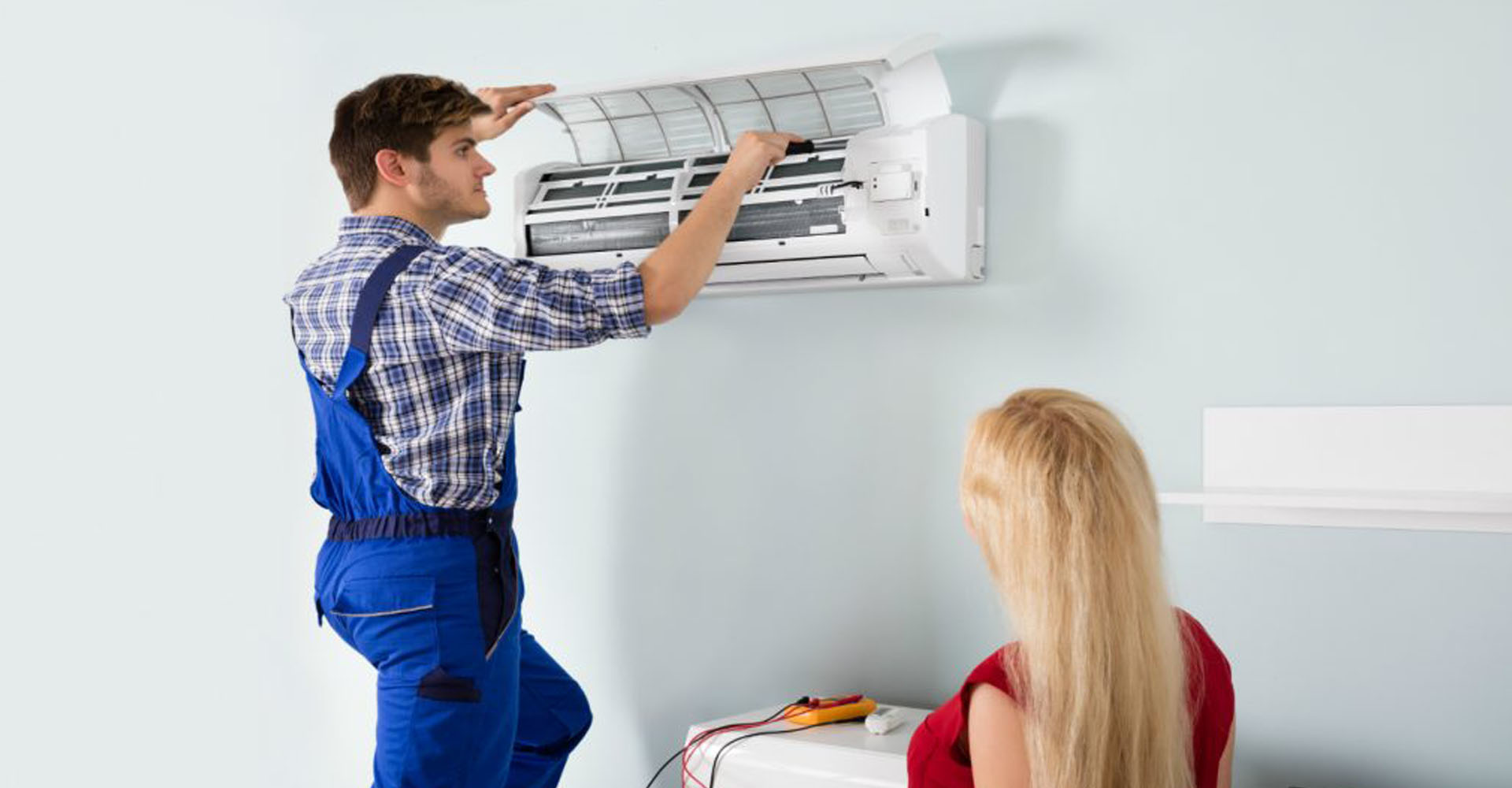
A certified HVAC and proper AC install. This step isn’t just about compliance, it’s the only way to ensure that the system operates at its labeled efficiency. Not even the best SEER system is going to provide savings if it’s installed incorrectly. Goofs like undersized wiring, lousy refrigerant charging, or dumb airflow mistakes can sap performance, increase costs and reduce the system’s life.
A quality install means checking system pressure, airflow and calibrating controls. Homeowners should seek out contractors who return with thorough inspections and adjustments where necessary. Quality work up front helps avoid issues and maintain the system at peak performance in the long term.
System Matching
Since every home is unique, the cooling system has to fit the structure’s requirements. A unit that’s too big or small for the space will drive up bills and could even burn out quicker. Oversized systems short cycle compromising humidity control and energy efficiency. Undersized systems can run 24/7, never achieving temperature.
A good HVAC guy will assist you in selecting a system that targets the size of your house, the local climate and your anticipated usage. The right fit equals greater comfort and less expense — regardless of what the SEER rating boasts.
Ductwork Integrity
Ducts distribute cooled air to your rooms, but leaks, gaps or missing insulation can waste as much as 30% of that air. Even a high-SEER unit loses a lot of its efficiency if the ducts are crappy.
Sealing and insulating ducts is crucial. A pro should do inspections every several years. Sealing cracks and tears prevents what needs to be prevented and keeps dust and allergens from traveling around.
Home Insulation
Good insulation keeps cool air in and heat out. It makes the AC work less and saves energy.
Before you get a new AC, check insulation in walls, ceilings and floors. Better insulation means smaller, less expensive systems and lower bills.
How to Verify Your AC’s Rating
When shopping for a new AC, understanding how to verify its SEER rating is crucial. SEER, or Seasonal Energy Efficiency Ratio, indicates how efficiently your unit cools relative to its power consumption. The higher the SEER, the less energy it requires to cool your location. This equates to lower bills if you run it a lot – but a higher price tag. In most areas, regulation sets a minimum SEER like 15 in warmer locations. This is particularly crucial in California where power is expensive and summers are extended. Here’s a quick guide to verify your AC’s rating and make sure you select the best one for you.
First, verify your AC’s rating using the yellow energy guide sticker on the outside. This sticker displays the SEER rating, as well as the projected electricity consumption. It’s a quick way to tell if the unit is in compliance with the law in your area. The sticker specifies the BTUs, or how much heat the unit can extract, and watts consumed. If you want to compute the ratio yourself, divide the BTUs by the watt-hours used over the season. To illustrate, if a unit can move 35,000 BTUs and consumes 2,000 watt-hours, its SEER is 17.5. That’s well above the ‘perfect’ 17 number, which means it’s a wise choice for energy savings.
Then, check the product manual or manufacturer’s website for more info. Brands tend to post additional information online, such as how the specific unit performed in laboratory tests. These tests verify how the AC chills as heat and humidity vary, from 16°C to 38°C. Some new units use SEER2 ratings, which are nearly identical–multiply that by 1.05 to obtain regular SEER.
They can identify if the label corresponds to the actual specifications, and they are familiar with local regulations. Care to try an apples-to-apples comparison of two units, simply divide the bigger SEER by the smaller. If one has a SEER of 20 and the other is 15, that’s a 33% jump in efficiency. This can translate into real savings if you operate your AC frequently.
Conclusion
Choosing the right SEER rating for a new AC in California is best done with a transparent view on cost and usage over time. Higher SEER units trim power bills and fit the state’s tight regulations. Still, cost, maintenance, and actual cooling requirements sculpt the wise decision. Most California homeowners opt for SEER 16 or above, as those units save you cash in the long term. Check the label and look up the unit’s specs to ensure you’re in line with state laws. For more tips, model comparisons, or to ask a question, visit our blog or contact us. We offer smart research and honest advice to help you stay cool and spend less.
Restore Comfort And Reliability With Expert HVAC Repair From Superior Mechanical Services
Is your HVAC system making strange noises, blowing uneven air, or failing to keep your space comfortable? Don’t wait for a complete breakdown—Superior Mechanical Services, Inc. is here to diagnose and repair issues before they escalate. Whether you need urgent HVAC repairs, a thorough system inspection, or long-term performance solutions, our certified technicians deliver lasting results you can trust.
Since 1948, homeowners and businesses have relied on our expertise to keep their HVAC systems running smoothly and efficiently. From faulty thermostats and broken compressors to airflow issues and worn components, we fix it all—with precision, professionalism, and your comfort in mind.
Prompt HVAC repair doesn’t just restore performance—it helps prevent costly replacements, reduces energy waste, and extends the life of your system. Let us help you avoid surprise breakdowns and keep your indoor environment consistent and reliable, no matter the season.
Call us today to schedule your HVAC repair service. With over 70 years of experience, Superior Mechanical Services is committed to fast, dependable, and affordable HVAC solutions. Experience the Superior difference—reliable comfort is just a call away!