What to Expect During a Professional Furnace Tune-Up
Your professional furnace tune-up follows a simple step-by-step process to check, clean, and adjust key parts for best performance and safe use. Most techs start with a simple visual inspection, seeking evidence of wear or damage. They test the thermostat, check the air filter and clean the blower. Next, they examine the burners and heat exchanger for grime or cracks. Safety switches, controls and gas lines are checked for leaks or defects. For gas furnaces, a carbon monoxide test is typical. All work gets recorded for subsequent inspections. Understanding what they do at every stage helps identify what a quality tune-up should encompass. The accompanying article will explain each step and demonstrate why they are important for the long-term health of your furnace.
Key Takeaways
- Professional furnace tune-ups not only keep your system running efficiently, but they help you avoid expensive repairs and identify potential safety hazards before they become a serious issue.
- This type of preventative work reduces the chances of cold season breakdowns, improves air quality, and even minimizes the risks of carbon monoxide.
- Regular, seasonal maintenance is cheaper than emergency fixes, extends the life of your furnace, and prevents the costly expense of having to replace it too early.
- Full tune-ups cover combustion, mechanical and electrical systems, and include safety checks and clear record of work done.
- Selecting a reputable technician with certifications, experience, and transparency guarantees trustworthy work and adherence to best practices.
- Homeowners can do their part to maintain furnace performance by scheduling regular service, changing filters and addressing any irregularities in operation as soon as they appear.
Why A Tune-Up Matters
Maintaining a furnace is about more than just the seasons. Who wants to wake up to a cold house, especially on freezing winter nights? Annual furnace tune-ups – industry and manufacturer recommended – help ensure reliable operation, lower bills and a safer environment for everyone at home.
Beyond Prevention
Surprise breakdowns are a big deal, particularly when things start to get cold. Preventative maintenance reduces the risk of breakdowns and ensures your furnace will work the moment you need it to.
A full inspection and cleaning during a professional tune-up eliminate dust, debris, and other pollutants that accumulate over time. Cleaner ducts mean less allergy, less airborne particles, and help keep indoor air quality better. This goes a long way for households with toddlers or allergy sufferers.
Regular inspections detect problems such as cracked heat exchangers or clogged vents. These can cause carbon monoxide leaks, which are hazardous and frequently difficult to notice. A maintained furnace is not as prone to these risks.
Routine maintenance makes furnaces more efficient. A system that is clean and adjusted heats air more evenly and uses less energy to accomplish the same work.
Financial Sense
- Fewer breakdowns mean less money spent on emergency repairs.
- It makes your furnace last longer, delaying an expensive new purchase.
- Skipping maintenance increases the likelihood of breakdowns — which mandate an early replacement and greater expense.
- Annual tune-ups often cost less than emergency repairs or replacing a wrecked unit.
Home Comfort
A good furnace tune-up ensures the home stays warm and cozy, even when it’s freezing outside. Clean filters and adjusted parts mean air flows better through vents.
Perhaps you’ll feel more even temperatures throughout the house and experience less cold spots. Regular tuning reduces rattling or humming, so your furnace runs more quietly. Knowing that you can trust your system to work all winter, you’re able to breathe easier without fear of unexpected breakdowns.
The Professional Tune-Up Checklist
A professional furnace tune-up checklist touches on all the important servicing and safety measures that should leave your heating system running safely and efficiently. It’s more specific than your average DIY list, with tasks that shield you from breakdowns and help save energy costs. Most professionals recommend yearly tune-ups, but houses with aging or heavily-used systems—particularly in cooler regions—may require biannual visits.
1. Initial Assessment
The technician begins by checking for any obvious problems with your furnace. This means checking for strange noises, leaks or strange smells coming from the furnace.
A nice early evaluation verifies whether the area surrounding the furnace is clear and airy. Restricted airflow or debris in proximity to the unit can reduce system efficiency or even be dangerous. Checking prior service records assists the tech in understanding if certain problems are recurring, which can help direct this visit’s attention. Following the check, the technician should talk through their observations, explaining what they observed and what that could indicate about your system’s wellness.
2. Combustion System
A key piece of the tune-up is ensuring the ignition system functions properly. The tech ensures the pilot or ignition lights cleanly and that gas flows at safe, consistent levels.
Then the burner assembly is cleaned – a clean burner is essential for efficient heating and to reduce hazardous emissions. The technician might do a combustion efficiency test—this indicates whether the furnace is burning gas efficiently, or if problems exist that could reduce output or increase energy consumption. They even test exhaust gases, using sensors to detect carbon monoxide or other toxic leaks, which is essential to your home’s safety.
3. Mechanical Parts
We inspect the blower motor, heat exchanger and other moving parts for wear. Belts and bearings usually receive extra care because these parts, when worn, can lead to immediate breakdowns and expensive repairs.
Lubrication is essential—any moving parts should be oiled to reduce friction and noise. By targeting these high-wear parts and keeping them in good shape, we help your furnace achieve its peak efficiency and longest life.
4. Electrical Check
Every wire, control and connection gets tested. The thermostat is checked and set right, so room temperatures correspond to what you desire. Worn or loose wires are flagged, as they can spark fires or outages. These steps enhance dependability and security.
5. Final Review
The tech wraps up the labor. Homeowners receive a written report. There is time for questions. All problems and action items are detailed.
Beyond The Standard Service
A furnace tune-up from a pro goes way beyond quick checks or filter swaps. It’s a custom approach that takes into account your furnace’s make, model, age and the specific requirements of your home. Our experienced technicians use specialized tools to perform precise diagnostics, and can identify hidden problems that routine servicing overlooks. Here’s what may be included beyond basic maintenance:
- Combustion analysis using calibrated equipment
- Static pressure measurement for airflow efficiency
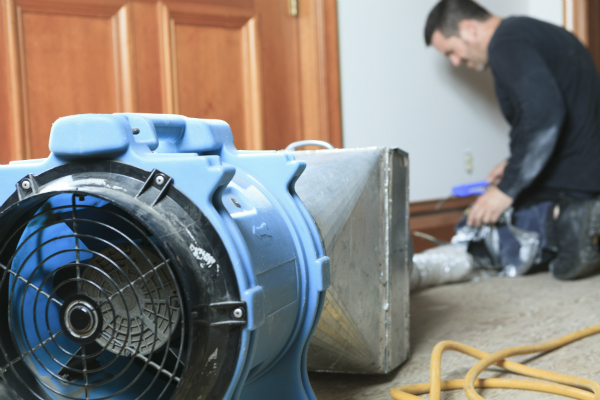
- Ductwork inspection to check for leaks and safety issues
- Gas line leak detection and gas/propane consumption monitoring
- Filter inspection—and potential upgrade to a thicker, high-efficiency model
- Humidity and air quality assessment
- Honest, transparent reporting to avoid unnecessary upsells
Furnace Age
Furnace age affects maintenance. Older units typically require more frequent servicing because their parts degrade more quickly. Rust, corrosion and worn wires are par for the course in systems more than 10 years old, and if unchecked, breakdowns are much more likely.
Other than that, the efficiency of a furnace decreases as it ages. Older ones might not heat as evenly or might use more power. Our technicians will recommend part replacements or upgrades when they detect failing heat exchangers or outdated ignition systems. Newer models often demand less frequent attention and are equipped with updated safety features.
Unit Model
Not all furnaces are created equal. A condensing gas furnace with a variable-speed fan, for instance, requires different maintenance than a single-stage system. The service tech will still consult the manufacturer’s service manual for model-specific tasks—setting gas pressure, testing advanced sensors, and the like.
Others employ custom circuit boards or specialized filters, requiring skilled hands and the appropriate components. This way, when you talk to your contractor you can be sure they know what to provide.
Your Home
How your house is constructed counts. Bad insulation or open-concept layouts impact how efficiently your furnace warms each room. Duct leaks, present in more than 50% of homes, can allow heat and dangerous gasses to leak. Have a technician look at your ducts, seal leaks, and test for safe venting.
Home size dictates furnace size and filter requirements. Bigger rooms require bigger units and maybe bigger, denser filters. Outdoor weather—dry winters or humid climates—manifests in the form of condensation or dryness inside, indicating HVAC imbalances.
Decoding The Technician’s Report
A pro furnace tune-up is more than a fast eyeball—its a data-powered diagnosis of system health and performance. Technicians monitor, test, and record every visit to provide a transparent report of your unit’s condition. Reading their report is to understand what’s working, which areas require vigilant oversight and where immediate intervention is necessary. Below is a table that helps visualize these findings:
| Flag | Signs | Actions Needed |
| Green | Clean filters, smooth airflow, stable energy use, no strange sounds or smells, clean combustion chamber, calibrated thermostat | Maintain regular schedule |
| Yellow | Uneven heat, small noises, rising bills, mild odors, slight vibration | Schedule follow-up, minor fixes |
| Red | Gas/burning odor, CO warning, worn parts, loud noises | Immediate professional repair |
Green Flags
A good furnace has a good look about it. Clean air filters signify that the air circulates with ease, enhancing potency and preventing dust from clogging the system. Stable room temperatures and modest energy usage indicate the system is operating as intended. If the furnace is quiet and emits no strange odors, it’s probably fine. The combustion chamber should be free of soot or buildup, which keeps the burn clean and safe. A fast-acting thermostat that maintains the set temperature contributes to system dependability.
Yellow Flags
Little caution signs can creep in slowly. If some rooms seem colder, it may indicate airflow or sensor problems. If the energy bill creeps up, it could be an indication that the system is working overtime somewhere due to a dirty filter or worn part. Tiny noises or light vibration can emanate from loose screws or an oiled motor. These problems aren’t emergencies, but catching them soon reduces repair bills down the road. Tackling yellow flags fast can save you cash and keep the furnace humming for the entire season.
Red Flags
Critical issues appear as red flags. Carbon monoxide warning, or any gas or burning smell, is an emergency call. Worn belts and bearings, or visible rust, indicate the danger of breakage is significant. These problems can halt the system and jeopardize safety. Speed saves the home, and those who reside in it.
Choosing Your Technician
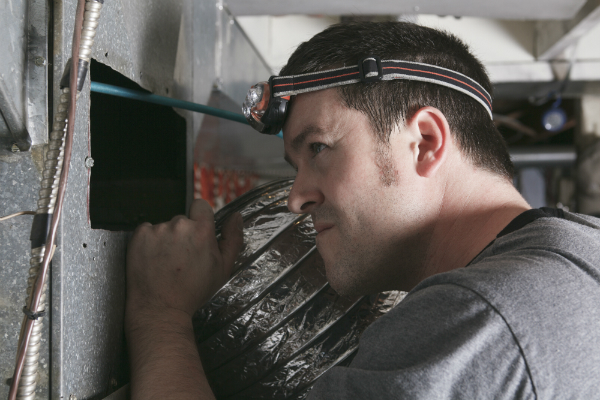
Choosing your furnace technician requires precision. The right choice is what keeps your system safe, efficient and long-lived. Here are the most important things to look for:
- Check for licenses, insurance, and bonding
- Confirm up-to-date certifications
- Ask about experience with your furnace type
- Review customer feedback, both online and word-of-mouth
- Compare pricing and service transparency
- Evaluate communication and professionalism
- Look for clear inspection and diagnosis process
- Consider response time and emergency availability
Certifications
A technician should be certified by major HVAC organizations, which demonstrates they adhere to industry-level safety and skill requirements. Credentials such as NATE, or the equivalent, count globally — not just in the U.S. Continuing education is important as new technology emerges – a certified technician stays up-to-date with new equipment and safety standards. Uncertified technicians may not adhere to up to date best practices or may overlook important safety precautions, endangering your equipment. Be certain that the technician’s credentials include furnace maintenance, repair and current safety techniques.
Experience
Years of fieldwork gives technicians an intimate knowledge of various furnace brands and models — essential when faced with finicky, older systems. Inquire how long the technician has been in the HVAC business and if they’ve worked on your furnace make previously. One of the hallmarks of experience is customer reviews, and nothing is more indicative than happy customers from years past. Most folks rely on a referral from a friend or neighbor, and online reviews can provide the extra bit of information.
Transparency
Seek out a technician who provides a specific, written estimate prior to beginning work. They should itemize everything, describe why they need to make a repair or check something out, and separate the costs. A good tech will talk you through their discoveries and field questions without rushing. Openness fosters trust and assists you in sidestepping concealed costs or unnecessary repairs.
Other Key Qualities
Quick response and after hours service is a big deal, especially in the frozen north. Bonded and insured technicians provide additional reassurance in the unlikely event that something may go awry. A good technician begins with a complete inspection and diagnosis, and doesn’t cut any corners.
Your Role in Maintenance
Being on top of furnace care keeps your system safe and well-running. Scheduling routine tune-ups is not only wise–most makers will tell you that you need one a year by an authorized tech or else you could lose your warranty. It’s best to schedule a tune-up early in the fall, just before you turn on the furnace for the season. This way, you can identify minor problems before they become major, expensive ones. Planning ahead means you won’t be frozen out should the furnace conk out on the coldest day.
Don’t skip changing the air filter! A clogged filter restricts the flow of air, which forces the furnace to work harder — shortening its life. Most filters should be replaced every one to three months, but you’ll want to check them more if you live in a dusty area or have pets. Clean filters keep the air moving and make the system run like it should. Selecting the proper size and type of filter is the crux—many homes utilize basic fiberglass filters. Certain systems may benefit from pleated or HEPA filters.
Some easy tasks, like cleaning vents and registers, are on you. Dust and bits can accumulate and choke off the warm air flow. Clean the vents and ensure that nothing, such as furniture or curtains, is obstructing them. If you’re up to it, you can vacuum out additional dust from inside the vent covers. By keeping vents unobstructed, you help warm each room and reduce strain on the system.
You need to be vigilant for anything unusual. If the furnace is making new noises—rattles, squeals—or if you hear rooms not warming as they used to, jot it down and seek assistance if necessary. This assists techs to identify issues early. Moving parts such as fan motors and bearings require lubrication to prevent wear. This is a task for a professional during the annual tune-up.
These steps can potentially extend the life of your furnace and reduce repair bills.
Conclusion
There’s nothing like a professional furnace tune-up to give your system a strong head start every year! Experienced techs perform diagnostics, sanitize critical components, and catch minor problems before they become major. A complete inspection keeps your house secure and your costs down. You get peace of mind and a cozy space when it becomes cold. Post tune-up, review the tech’s report — and ask questions if you want more information. Proper maintenance extends the life of your furnace and keeps it operating efficiently. Select a reliable professional, be on the lookout for warning signs that indicate your furnace needs attention, and keep up with quick chores such as changing the filter. Want to keep your system in shape? Get tips, share your tricks, or inquire about what to expect next time.
Frequently Asked Questions
1. What is included in a professional furnace tune-up?
A professional furnace tune-up consists of inspection, cleaning, safety checks, and testing of all major components. This keeps your furnace operating safely and efficiently.
2. How often should I schedule a furnace tune-up?
It’s optimal to have a furnace tune-up performed once a year, right before the heating season. Tune-ups keep the system reliable and efficient.
3. Why is a furnace tune-up important?
A furnace tune-up boosts energy efficiency, extends equipment life, prevents breakdowns, and helps keep your home safe from danger.
4. Will a tune-up help lower my energy bills?
Yep, they use less energy!) This will save you on your monthly heating bill as time goes on.
5. What should I do before the technician arrives?
Clean up around your furnace and give the technician easy access. Come equipped with any system questions or concerns.
6. How long does a furnace tune-up take?
Most professional furnace tune-ups run 60 to 90 minutes. The time can vary depending on your system type and condition.
7. Can I perform furnace maintenance myself?
You can swap out air filters and maintain the surrounding area. When it comes to detailed inspections and repairs, leave it to the trained professionals.
Stay Warm and Worry-Free with Expert Furnace Repair & Installation from Superior Mechanical Services
Is your furnace making unusual noises, struggling to heat your home evenly, or not turning on at all? Don’t wait for the chill to take over—Superior Mechanical Services, Inc. is ready to step in with expert furnace repair and installation services that keep your home warm and efficient.
Since 1948, families and businesses have trusted us to restore comfort with reliable, long-lasting solutions. Whether you need a quick repair, a full furnace replacement, or expert guidance on upgrading your system, our certified technicians are known for precision, professionalism, and outstanding service.
Timely furnace repair not only gets your heat back fast—it also helps you avoid bigger issues, lower your energy bills, and extend the life of your system. And when it’s time for a new installation, we’ll make sure it’s done right the first time.
Call today to schedule your furnace repair or installation. With over 70 years of experience, Superior Mechanical Services delivers fast, dependable, and affordable heating solutions. Reliable warmth starts here.