DIY Vs. Professional Spring HVAC Maintenance: Which Is Better?
DIY spring HVAC care is when you inspect or replace filters, clear vents, and inspect for leaks yourself. Professional spring HVAC service means a licensed technician stops by to test key components, clean coils, and spot potential defects. DIY costs less and provides quick fixes, but requires time and a good tutorial. Pro service uncovers little things that can blossom into big things, and some brands require proof of pro care to maintain a warranty. For most individuals, the appropriate decision depends on their ability, budget, and how much they trust themselves around power tools. The following section parses out what each method does well and when to choose one over the other.
Key Takeaways
- While regular HVAC maintenance is essential for your system to operate efficiently, it can be performed using simple DIY actions such as replacing air filters and cleaning vents. All other issues should be handled by professionals to prevent potential safety concerns and damage to the system.
- Professional maintenance provides diagnostic expertise, deep cleaning, and professional efficiency adjustments. It keeps your system at its peak and maintains the manufacturer’s warranty.
- Professional services might be pricier than DIY. They save you from unforeseen expenses and expensive repairs that shoddy DIY work tends to generate.
- DIY maintenance has the benefit of instant savings and a sense of pride and accomplishment. It comes with risks like electrical hazards, refrigerant leaks, and the possibility of voiding warranties.
- Regular professional attention improves indoor air quality, increases the life of your equipment, and even helps to future-proof your HVAC system for changing standards and technologies!
- So, when it comes to spring HVAC maintenance, should you DIY or go pro? Think about your technical abilities and safety, but consider the long-term value of protecting your investment and your family’s comfort and reliability.
The DIY Maintenance Path
DIY HVAC maintenance begins with understanding what you can do to maintain your HVAC system. Basic maintenance tasks keep things running smoothly and longer, even without expert-level technical knowledge. Routine inspection and professional HVAC maintenance services can prevent major issues from getting their footing, saving you money and empowering you in your home.
Your Tasks
One of the simplest maintenance tasks is to check the air filter of your HVAC system. Changing it once a month is ideal for most systems, while certain high-efficiency filters can last up to three months. Dust and debris quickly accumulate, suffocating airflow and forcing the air conditioner to work harder. A clogged filter can increase energy costs and strain the motor, making regular AC maintenance essential for efficiency.
Outdoor units collect leaves, grime, and garbage. Removing this debris from the fan and housing allows air to flow freely, which is crucial for the overall performance of your HVAC system. After a storm or windy day, check for any new buildup. Blocked vents inside the home impede airflow and can lead to inconsistent temperatures. Simply wipe them down with a damp cloth and vacuum out any dust from the ductwork to maintain air quality.
Thermostat settings are easy to overlook but are vital for comfort. Verify that it is set to the right temperature and that all settings correspond to your comfort requirements. A minor mistake can lead to significant energy loss or hot and cold spots in your home. If you notice a room is too cold or hot, adjusting the thermostat or scheduling a professional HVAC maintenance visit can resolve the issue efficiently.
Your Tools
- Screwdrivers and a soft brush are necessities for opening vents and cleaning surfaces.
- Vacuuming with a hose attachment clears dust out of ducts and around the unit.
- A digital thermometer checks the output air temperature.
- Diagnostic tools, such as a multimeter, can test electrical connections. This is best left to those with systems knowledge.
- Gloves and goggles protect your hands and eyes from dirt and jagged edges.
- Replacement air filters should be high-efficiency if you can.
Your Limits
Certain tasks aren’t safe or wise to perform without training. Electrical problems, such as dangerous wiring or tripped breakers, require a professional technician. Refrigerant is dangerous, but it’s poisonous and requires specialized equipment. If you attempt repairs on these components, you may violate the law or injure yourself.
Significant issues, like strange odors, excessive noise, or leaks, might reveal underlying system malfunctions. DIY fixes can either exacerbate a problem or void a warranty. If you notice indications of wear on the motor or compressor, or experience a dip in system performance that a routine cleaning doesn’t fix, pause and call a pro.
The Professional Maintenance Edge
There’s a depth and reliability to professional HVAC maintenance services that DIY can’t replicate. The knowledge of trained HVAC technicians, the accuracy of precision tools, and the security of knowing it’s been properly cared for are all part of the equation toward a more efficient and longer-lasting HVAC system. For most homeowners and property managers, the business value of professional service is worth the direct benefits in system efficiency, safety, and warranty protection.
1. Diagnostic Precision
Expert techs use specialized tools, like digital multimeters and airflow meters, to detect problems that simple DIY inspections overlook. Their training allows them to detect early warning signs of wear, such as minor leaks or faulty sensors, that can cause breakdowns if left unchecked.
A pro will conduct a complete system check, including checking refrigerant levels, electrical readings, and airflow. This kind of detail helps them guarantee your system is running optimally and not consuming excess energy.
Their regular inspections catch issues before they worsen, sparing you expensive and time-consuming repairs later.
2. Deeper Cleaning
A professional cleaning isn’t just about swapping out filters or vacuuming vents. Technicians clean coils, fan blades, and drain pans, eliminating buildup that restricts airflow or fosters mold growth.
Cleaning the evaporator and condenser coils requires caution and the appropriate chemicals. DIY can harm these delicate components, but an experienced technician knows how to clean them safely.
This deep cleaning keeps the HVAC system efficient and helps the air inside stay clean, which is great for allergy sufferers.
3. Safety Assurance
Handling refrigerants or electrical components can be hazardous. Professionals know how to handle these hazards and wear the appropriate protective equipment.
Licensed technicians know local safety codes and ensure all steps adhere to those regulations. This reduces the danger of accidental harm or destruction.
Homeowners sidestep the danger of electric shock or leaks. These can be dangerous if treated improperly.
4. Efficiency Tuning
A pro can identify where your HVAC is burning energy and perform the little repairs that count, such as tightening belts or calibrating thermostats. These modifications enhance system efficiency and help reduce energy expenses.
They’d recommend upgrades that fit your space and budget, like smart thermostats or high-efficiency filters.
5. Warranty Protection
Warranties often demand evidence of routine maintenance by licensed professionals. Bypassing this will void your warranty and put expensive repairs in your lap.
With recorded maintenance visits, you prove to meet all manufacturer standards. This goes a long way in safeguarding your investment for years ahead.
A Realistic Cost Breakdown
An accurate perspective on spring HVAC maintenance costs aids you in making smart decisions. DIY and Pro both have price tags, some transparent, some not so much. To weigh these costs is to examine the numbers, not just for today but for years to come.
Factors to consider:
- Initial outlay for tools, services, or parts
- Time and skill needed for tasks
- Potential for missed problems or errors
- Impact on system performance and lifespan
- Energy usage and related bills
- Health and safety risks
Upfront Costs
Hiring a technician for seasonal servicing of your HVAC system typically costs between €70 and €150, depending on your region and system size. This fee includes essential tasks like inspection, cleaning, and adjustments. While this cost may seem high if your system appears fine, investing in professional HVAC maintenance services is crucial, as trained technicians can identify issues that homeowners might overlook. On the other hand, DIY maintenance is cheaper, but with just a basic toolkit and a replacement air filter, you can perform simple tasks like cleaning vents and swapping filters for under €30.
Neglecting regular maintenance can lead to escalating costs. Minor issues, such as clogged coils or worn belts, can develop into significant problems requiring professional HVAC repairs that could exceed €500 for parts and labor. Although DIY methods may save money, the risk of mistakes can be high without proper experience. Ultimately, the technician’s fee reflects their skill and judgment, which are vital for catching early warning signs of potential failures.
Hidden Expenses
DIY looks inexpensive, but it masks costs. Coil brushes or specialized gauges can add up, particularly if you don’t already have them at home. Purchasing the incorrect replacement pieces or using ill-suited techniques can wreck the system and create emergency repairs. When a DIY fix goes awry, emergency call-outs, sometimes in the middle of the night, can cost €200 or more.
Neglect or improper work can cause the HVAC to run inefficiently. This results in higher energy bills every month, which accumulate over the course of a year. Routine professional service can avoid these issues and save a lot of money by maintaining the system for efficiency and identifying problems before they become significant.
Long-Term Value
Professional service reduces risk throughout the life of the system. Professional checkups can add years to your HVAC, postponing an expensive replacement. Good maintenance leads to fewer repairs and downtime. Efficiency gains from clean filters and well-maintained components reduce energy consumption, which pays you back in savings over time.
A well-maintained HVAC translates to more comfortable air and comfort for everyone in the family. These benefits, difficult to put a price on, are real improvements that accompany consistent, professional care.
Unseen Risks Of DIY
While DIY HVAC maintenance may seem like a cost-effective option, it often involves hidden risks that can lead to increased expenses and safety hazards. Professional HVAC maintenance services are essential for ensuring the proper functioning of the HVAC system, as errors can result in costly HVAC repairs and outages.
- Electrical shock or fire from mishandling components
- Refrigerant exposure or leaks
- Voiding manufacturer warranties
- Reduced system efficiency and lifespan
- Incomplete repairs or recurring issues
- High risk of further damage
- Extra time and hidden expenses
Electrical Hazards
HVAC systems involve complicated wiring and high-voltage components, making proper HVAC maintenance essential for safety. When untrained hands attempt to work on the system, such as during HVAC repairs, the risk of shock or fire increases significantly. Accidents often stem from foolish mistakes, like grabbing live wires or using inappropriate tools. A small error can lead to blown breakers or damaged circuit boards. Licensed HVAC technicians use insulated tools and follow strict protocols that safeguard themselves and the system. In most areas, only certified technicians can handle repairs involving main power connections, highlighting the importance of professional HVAC maintenance services.
The Refrigerant Leaks
Dealing with refrigerants is tricky and illegal, posing a significant risk to the environment. Without the proper tools and training, a DIYer may expose themselves to harmful chemicals. A refrigerant leak may not be obvious, but it can lead to a decrease in the efficiency of your HVAC system, causing it to work harder and increasing energy consumption and utility bills. Expert HVAC technicians are essential for locating and fixing leaks, recharging refrigerant, and ensuring the system is environmentally compliant. Unsealed leaks can accelerate system wear, translating to costly HVAC repairs or premature replacement.
System Damage
Small DIY patches can lead to catastrophic system crashes, especially when it comes to an HVAC system. Many HVAC components, motors, sensors, and heat exchangers require the expertise of professional HVAC technicians. Installing a filter incorrectly or skipping a calibration can result in significant HVAC repairs, reducing the system’s life and potentially voiding the warranty. Homeowners may end up shouldering the costs for big repairs, as inadequate solutions often conceal problems without resolving the underlying issues, causing them to resurface.
Beyond The Obvious Tune-Up
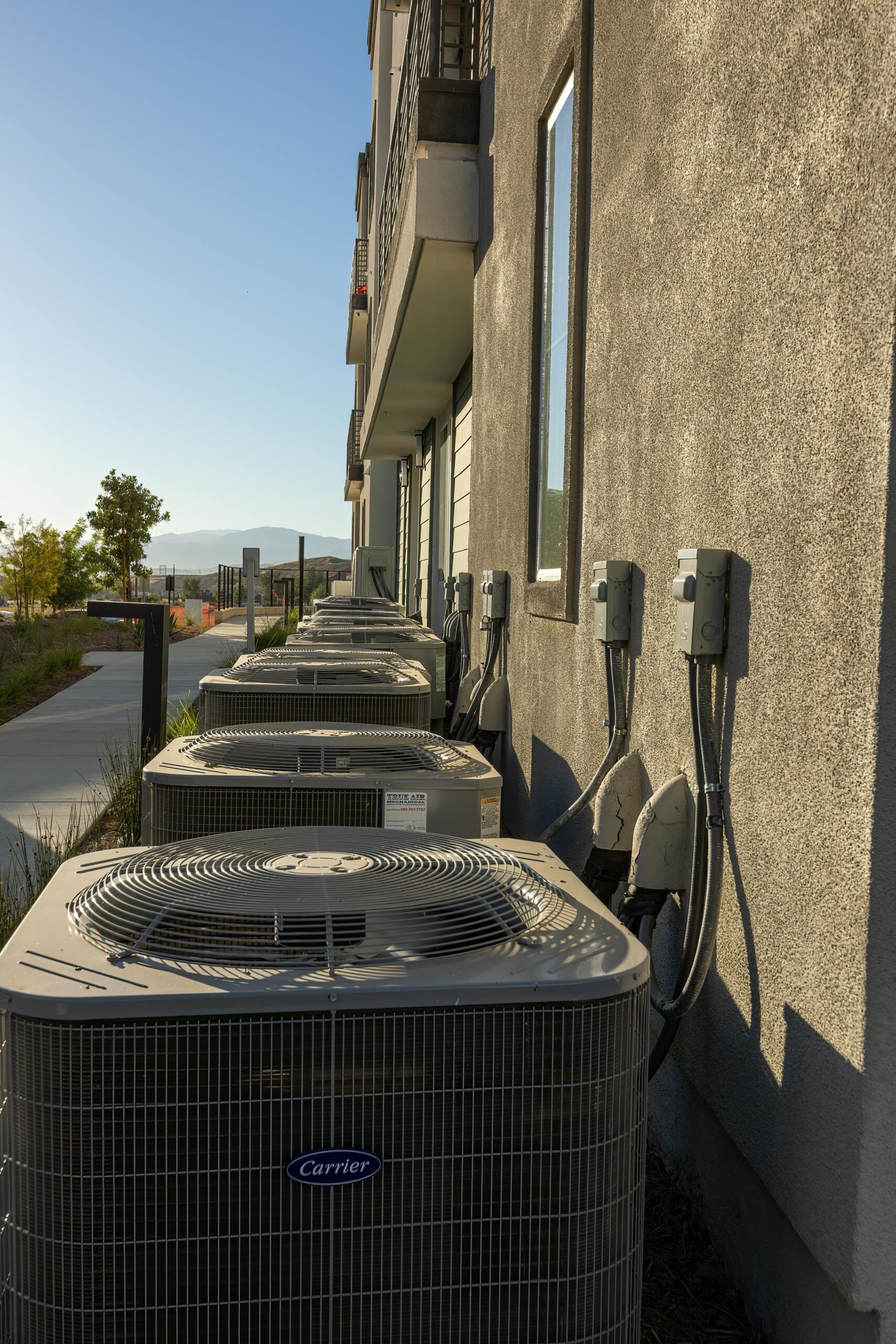
Beyond the Obvious Tune-Up, proper HVAC maintenance is crucial for the vitality, speed, and longevity of your HVAC system. While DIY repairs can help, professional HVAC maintenance services often provide unmatched depth and effectiveness, ensuring your system operates efficiently and meets your air conditioning needs.
| Feature | DIY Maintenance | Professional Maintenance |
| Cost | Low (≤ $50/year) | Higher ($150-$300/visit) |
| Tasks | Filter change, area clearing | Comprehensive inspection, cleaning |
| Warranty Compliance | Rarely qualifies | Required for most manufacturers |
| Energy Efficiency | Moderate improvement | Up to 15% energy savings |
| Air Quality | Basic improvement | Thorough allergen/pollutant removal |
| Longevity | Modest impact | Significantly extended lifespan |
| Safety | Lower risk, but limited scope | System diagnostics and safety checks |
The Air Quality
Clean HVAC systems circulate and filter air more effectively, enhancing the overall performance of your home. Professional HVAC maintenance services get deep into the system, cleaning coils, ducts, and blower parts. Dust, pollen, and pet dander get caught in filters and ducts if not cleaned. A licensed HVAC technician knows where to look and what to clean, helping to reduce mold and bacteria. This care prevents allergens from recirculating, which is essential for asthma or allergy sufferers. DIY tasks like swapping filters every 1 to 3 months assist, but don’t touch the trouble areas. The pros deploy tools and safe chemicals that dissolve deposits without damaging your system, resulting in fresher, healthier air, which counts in any climate, any home.
System Longevity
Beyond the obvious tune-up, every visit includes essential HVAC maintenance tasks such as inspecting moving parts, refrigerant levels, and electrical connections. By catching premature wear or micro leaks early, homeowners can ensure their HVAC system lasts longer, reducing the chances of needing costly HVAC repairs or a full replacement too soon. Maintaining two feet of clearance around the outdoor unit helps avoid obstructions. While basic maintenance is beneficial, only professional HVAC technicians can perform the diagnostics and repairs necessary to keep a system functioning efficiently for 10 to 15 years or more.
Future-Proofing
HVAC technology continues to evolve, and professional HVAC maintenance services are crucial for keeping your system up to date with new regulations. Regular checks can identify antiquated components requiring updates or new smart functions that are even more energy-efficient. Spring and fall are the optimal times to schedule these maintenance visits. Businesses have specials and are less busy. Keeping up with maintenance now is the only way to ensure your HVAC system won’t lag or lose warranty coverage, safeguarding your investment and maintaining comfort levels when the seasons shift.
Making Your Final Decision
DIY vs. Pro spring HVAC maintenance: choosing the right path is a balancing act of your skills, goals, and risk. Most homeowners can manage easy tasks like swapping air filters, removing debris from around outdoor units, and unblocking condensate drains. These maintenance tasks prevent airflow issues and most overheating incidents, slashing roughly 80% of typical problems. Doing these yourself saves money up front and allows you to catch minor issues early. Some work requires more than know-how. Wiring, gas lines, or refrigerant mistakes can pose significant safety hazards, expensive damage, or even legal issues in certain jurisdictions, making professional HVAC maintenance services essential.
That’s where professional maintenance comes into play, and it’s worth a lot more than you can do yourself. Annual service by a certified HVAC technician is not a luxury, but it’s typically a warranty requirement. Most makers will only honor system warranties with a log of annual professional HVAC repairs. Without it, you stand to lose thousands in coverage, so you’re paying for repairs and replacements if something happens. Technicians have to adhere to stringent safety and compliance regulations, like Ontario’s Technical Standards and Safety Authority rules for gas and refrigerant work, which makes their service both essential and legal.
There are obvious financial advantages to hiring experts. A pro can identify hidden faults, test refrigerant levels, and make sure everything operates as it should. According to Energy Star, properly maintained HVAC systems consume 10 to 15 percent less energy, reducing your utility costs each month. Professionally maintained air conditioning units break down 60 percent less often, sidestepping the inconvenience and expense of emergency repairs. Over the life of your HVAC investment, the difference in total cost between a well-maintained and a neglected system can exceed $10,000, including energy waste, premature failure, and avoidable repairs.
In making your decision, consider how confident you are in your own abilities and what risk you are willing to tolerate. Safety, efficiency, and compliance should always be top priority. Although DIY nails the fundamentals, pro care protects your asset and sanity for years to come.
Conclusion
Both DIY and professional spring HVAC care have real pros. DIY can save you money and teach you the basics of your system. You get to catch little things early and monitor how things operate up close. Professional work brings expertise, the proper tools, and a keen eye for lurking issues. Professional techs can detect leaks, measure airflow, and test components you could overlook. Both ways have their time and place. On easy tasks, such as replacing filters or light cleaning, DIY is logical. For deep checks or anything risky, professional help gives peace of mind and strong results. To best keep your HVAC in tip-top shape, consider what you need and choose what works best for you! Contact us with questions or with your own tips.
Frequently Asked Questions
1. What Are The Main Benefits Of Professional HVAC Spring Maintenance?
Professional HVAC maintenance services ensure a comprehensive inspection and precise adjustments of your HVAC system, optimizing efficiency and minimizing the chances of failures for a comfortable year.
2. Can I Save Money By Doing HVAC Spring Maintenance Myself?
While DIY maintenance might save you a service fee, overlooking issues in your HVAC system can lead to costly HVAC repairs later. Professional HVAC maintenance services often identify problems early, helping homeowners avoid more expensive repairs down the road.
3. What Tasks Can I Safely Do Myself For Spring HVAC Maintenance?
Important air conditioning maintenance tasks include replacing or cleaning filters, clearing vents, and removing debris around your outdoor unit. Always turn off the power before starting, and leave professional HVAC maintenance services to the pros.
4. Does Professional Maintenance Improve Indoor Air Quality?
Yes, professional HVAC technicians clean coils and ducts, check airflow, and ensure filters are working effectively. This assists in pulling unwanted dust, allergens, and pollutants from your indoor air.
5. Is Professional HVAC Maintenance Worth The Extra Cost?
Investing in professional HVAC maintenance services pays off in long-term rewards, including improved efficiency of your HVAC system, reduced repairs, and extended equipment life, making it a wise choice for homeowners.
Get Your Building Ready for Warmer Days with Spring HVAC Maintenance from Superior Mechanical Services, Inc.
As temperatures begin to rise, your HVAC system shifts into a new season of demand. If it hasn’t been inspected or serviced since winter, small issues can turn into costly breakdowns just when you need cooling the most. Superior Mechanical Services, Inc. helps businesses prepare for spring with thorough HVAC maintenance that keeps systems running efficiently, reliably, and safely.
When your system isn’t properly maintained, energy bills climb, airflow becomes inconsistent, and wear and tear accelerate. Our spring HVAC maintenance service includes a detailed inspection of components, testing system performance, checking refrigerant levels, cleaning coils, replacing filters, inspecting electrical connections, and ensuring thermostats and controls are calibrated correctly. We look for early warning signs so you can address minor concerns before they disrupt your operations.
Businesses across the Bay Area have trusted Superior Mechanical Services, Inc. since 1948 for dependable service and straightforward guidance. If your building experiences uneven temperatures, strange noises, rising utility costs, or reduced airflow, our certified technicians will pinpoint the cause and recommend practical solutions. You receive clear explanations and transparent pricing, allowing you to move forward with confidence.
Proactive spring maintenance improves system efficiency, extends equipment lifespan, and reduces the risk of emergency repairs during peak cooling months. It also helps create a more comfortable work environment for employees and customers alike.
Schedule your Spring HVAC Maintenance with Superior Mechanical Services, Inc. today. With over 70 years of experience, our team helps Bay Area businesses stay prepared, comfortable, and energy-efficient all season long.
Disclaimer:
The information provided in this article is for general informational and educational purposes only and is not intended as medical, legal, engineering, or professional advice. While every effort is made to ensure the accuracy and reliability of the content, indoor air quality regulations, building codes, and health recommendations may vary by location and change over time. Readers should consult qualified professionals, including HVAC specialists, occupational health experts, building engineers, or medical providers, before making decisions related to air quality systems, workplace safety, or health concerns. The publisher assumes no responsibility or liability for errors, omissions, or outcomes resulting from the use of this information.
______________________________________________________________________