Why HVAC Maintenance Is Essential Before Allergy Season
HVAC maintenance is essential before allergy season as it keeps indoor air clean and helps prevent the spread of dust, pollen, and mold. Clean filters and maintained ducts capture allergens, reducing sneezing or breathing problems for allergy sufferers. Regular inspections identify leaks or damaged components in their early stages, ensuring units perform optimally through peak allergy periods. These simple steps, changing filters, cleaning vents, and checking cooling and heating units, help keep air fresh while lowering allergies at home or at work. These measures promote a secure and cozy environment, vital for wellness and concentration. The following section explains why regular maintenance with Superior Mechanical Services matters in everyday life during allergy season.
Key Takeaways
- Here’s why routine HVAC maintenance is a must before allergy season.
- Employing HEPA or high-efficiency filters, deep cleaning HVAC coils and vents, and keeping an eye on indoor humidity levels are all key to capturing dust, pollen, and inhibiting mold.
- Ideal airflow and contaminant elimination require regular attention to air filters, coils, condensate drains, and ductwork for inspection and cleaning throughout the system.
- Next-level options like air purifiers, UV-C lamps, and humidity control can enhance allergen elimination and ensure indoor air security in various settings.
- Ignoring HVAC care results in more health hazards, elevated treatment expenses, and excessive energy use, emphasizing the need for preemptive regular servicing from Superior Mechanical Services.
- Use our pre-season checklist or schedule service with Superior Mechanical Services to inspect, clean, and prepare your HVAC system for a healthy, comfortable home.
The Crucial Role Of HVAC Maintenance
HVAC maintenance is your first line of indoor allergen defense as allergy season looms. Well-maintained HVAC systems don’t just capture and filter harmful particles, but they also improve air quality, control humidity, and fend off pollutants, supporting allergy reduction efforts.
| Benefit | Impact on Allergens and Air Quality |
| Reduced Allergens | Less dust, pollen, and pet dander indoors |
| Improved Air Circulation | Consistent removal of airborne irritants |
| Mold and Humidity Control | Lower risk of mold spores and dust mites |
| Pollutant Filtration | Fewer pollutants like smoke and VOCs |
| Enhanced System Efficiency | Lower bills, fewer breakdowns, longer lifespan |
1. Allergen Trapping
High-efficiency filters, like MERV 13 or higher, capture up to 99% of airborne particles such as pollen, dust mites, and mold spores. Regular HVAC cleaning is crucial for allergy reduction efforts, as dust and debris accumulate quickly, particularly in city residences, making filters less efficient. Neglecting filter changes for three months or more can trigger allergen buildup and system inefficiency, sending even more irritants whirling through your home. Checking and replacing filters every 60 to 90 days is a best practice, especially for homes with family members suffering from seasonal allergies or pets.
2. Mold Prevention
Routine checks are vital for spotting mold early, especially in homes with high humidity levels. Mold thrives in moisture-rich environments, and your forsaken HVAC system can contribute to this issue. Regular HVAC cleaning efforts, such as cleaning condensate drains and deploying dehumidifiers, help maintain indoor humidity between 30 and 50 percent, inhibiting mold and dust mite proliferation. For optimal performance, ensure consistent maintenance of ducts every three to five years, or sooner if you notice mold or dust.
3. Air Circulation
Proper air circulation is crucial for allergy reduction, as it prevents common allergens from settling. Clean vents and open pathways are essential, and thus, regular HVAC cleaning and inspection of air ducts can help remove dust. Set your system to ‘high airflow’ for optimal performance.
4. Pollutant Removal
Professional duct cleaning is essential for allergy reduction, as it eliminates dust, debris, and hidden allergens. Installing HEPA filters or air purifiers significantly enhances your HVAC system’s air purification capabilities, ensuring a clean indoor environment free from airborne allergens.
5. System Efficiency
More efficient HVAC systems use less energy and cost less to operate. Routine inspections and proactive HVAC maintenance maintain efficiency, contributing to improved air quality and saving cash. A good maintenance schedule translates into fewer repairs and an extended lifespan for your system.
Key Components For Allergen Control
A flourishing HVAC system is the foundation of indoor air quality solutions well before allergy season strikes. Each component in the system plays a distinct role in trapping and reducing common allergens. Frequent inspection and maintenance, including the HVAC cleaning process, prevent dust, pollen, mildew, and other irritants from accumulating, promoting a healthier living environment for anyone susceptible to allergic reactions.
The Air Filters
Selecting an appropriate air filter is integral. Regular filters trap dust but not tiny allergen particles. HEPA filters for allergy control are our top pick. They capture particles as tiny as 0.3 microns, including pollen and a number of spores. This filtration level really helps allergy sufferers. Please check what filter fits your system before purchase.
Filters need to be replaced every 90 days. If you have pets or reside in a high pollen count area, swap them out every 60 days. Frequent changes maintain consistent airflow and prevent old filters from releasing stored allergens back into the air. There are pleated, electrostatic, and fiberglass filters. All have various advantages and disadvantages when it comes to price, lifespan, and filtering power.
Evaporator Coils
Evaporator coils assist with air cooling and attract dust and moisture. We have dirty coils that can slow your system and hurt your air quality. If allowed to go unchecked, they can even serve as a breeding ground for mold. That’s why regular coil cleaning is crucial.
A clean coil helps control humidity between 30 and 50 percent. That range controls mold and dust mites. Professional cleaning for seasonal maintenance ensures you get maximum mileage from your HVAC system while maintaining low allergen levels.
Condensate Drains
Condensate drain blockages lead to water accumulation. This creates a mold hazard, which disperses mold spores throughout your home. Drains should be inspected frequently and flushed with vinegar or cleaners as required.
Clean drains keep the air dry and clean. This easy action doesn’t just prevent mold, but it also contributes to system efficiency, reducing airborne allergen circulation and extending the lifespan of your system.
Ductwork Integrity
Ductwork distributes air throughout the home. Even tiny leaks or gaps can let dust, pollen, or outdoor allergens slip through. Frequent duct inspections identify and remedy these problems.
It’s one of the key components for allergen control. Professional duct cleaning removes accumulated dust and allergen fragments. Insulation is crucial as it assists in maintaining consistent airflow and ensures that the system operates efficiently. A whole-house approach, not just in one room, is the best defense against this allergen.
Beyond The Basics: Advanced Solutions
Advanced HVAC solutions extend beyond simple filter changes and routine checks, but they focus on allergy reduction efforts to create an environment where common allergens are minimized, ensuring high indoor air quality, especially during allergy season. A thoughtful blend of smart filters, air purifiers, and humidity control aids in clearing the air of pollen, mold, and dust mites while also helping to manage energy costs effectively.
- HEPA filters for particles as small as 0.3 microns
- MERV 13 plus filters for top-tier pollen and allergen filtering.
- Portable air cleaners for targeted rooms
- UV-C lamps minimize bacteria and mold in ducts.
- Humidity controls to keep moisture below 50%
- Smart sensors for real-time air quality monitoring
- Scheduled professional duct cleaning every 3-5 years
The Air Purifiers
Top-rated air purifiers are game-changers when allergens are firing on all cylinders. Genuine HEPA filter units eliminate pollen, dust mites, and pet dander as tiny as 0.3 microns. For allergy sufferers, this can translate to fewer symptoms and a much cleaner indoor environment. Portable air cleaners are a clever solution for bedrooms or workspaces, providing additional assistance where it’s needed most.
There are several types: HEPA, activated carbon, and UV-based purifiers. Each one works against different contaminants. Everyday maintenance, such as cleaning pre-filters and swapping out main filters, keeps these units humming. If you’ve got a pet in your home or it’s peak pollen, check-ups more than once a month may be worth the effort.
UV-C Lamps
One UV-C lamp, mounted in ductwork, can reduce mold and bacteria. UV-C light disrupts DNA in microbes, preventing their reproduction. This technique provides a powerful shield, particularly for humid climates or mold-susceptible homes.
To extract more from UV-C, schedule annual inspections. Assuming you’ve got the lamp lit and it’s not covered with dust. Paired with high-MERV filters, it offers broad-spectrum allergen and pathogen control and lowers the risk of flare-ups.
Humidity Management
Monitor indoor humidity. When it grows above 50%, mold flourishes, and dust mites multiply. A dehumidifier, maintained between 30% and 50%, keeps these dangers at bay. Damp areas such as basements require extra attention since moisture tends to accumulate quickly.
Humidity control is about more than just comfort. It lets allergy sufferers breathe easier and reduces dependency on medication. Include routine HVAC inspections and duct cleaning every 3 to 5 years to ensure systems are free of allergen accumulation.
The Unexpected Costs Of Ignoring Maintenance
Ignoring HVAC maintenance pre-allergy season can have dire consequences beyond comfort, as regular HVAC cleaning and proper filter maintenance are crucial for improved air quality and allergy reduction efforts.
- More dust mites, mold spores, and pollen inside.
- Higher risk of respiratory infection and allergy flare-ups
- Worsening of asthma symptoms and chronic respiratory issues
- More absenteeism from work or school due to illness
- Increased risk for kids, seniors, and people with existing conditions.
Health Impact
When HVAC systems are left unchecked, dirty air ducts can lead to clogged air filters filled with dust, pollen, and other common allergens. These particles circulate indoors, complicating allergy season for sensitive individuals. Bad air quality is detrimental to everyone, particularly children, seniors, and those with asthma or respiratory conditions. Inhaling unclean air can aggravate symptoms like cough and shortness of breath, potentially leading to new health issues.
For instance, mold growth in your air ducts can release spores that trigger asthma attacks or worsen chronic bronchitis. By incorporating regular air duct cleaning and changing your filters, you can effectively enhance your allergy reduction efforts. Fresh air contributes to better sleep, improved concentration, and overall well-being, highlighting the importance of proactive HVAC maintenance for a healthy indoor environment.
Financial Strain
Regular HVAC maintenance prevents surprise expenses. Emergency repairs are fraught with high fees, particularly after hours. By skipping yearly tune-ups, small problems such as worn belts or blocked coils can escalate into full system failures and cost you thousands in repairs or necessitate premature replacement of the entire unit.
Higher energy bills are another hidden cost. Clogged filters and dirty coils make systems work harder, which increases energy consumption. Over months or years, this all adds up to high utility bills. Bad air contributes to increased doctor visits and medication costs as well, particularly for families with kids or elderly loved ones. Paying for regular maintenance, such as cleaning coils, replacing filters, and checking coolant, pays off in the long run in dollars saved through efficiency and lifespan.
Your Pre-Season Maintenance Checklist
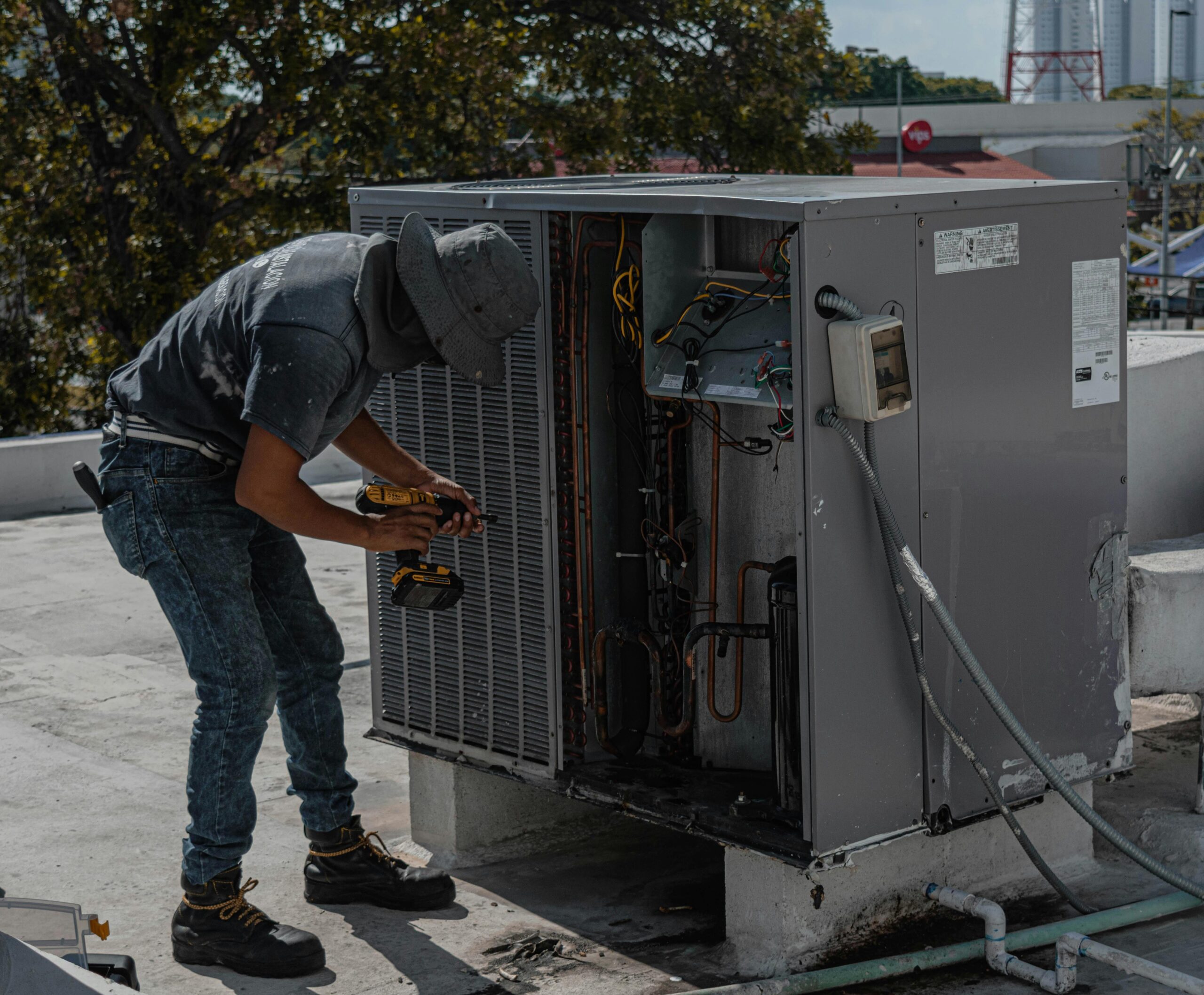
Preparing your HVAC system for allergy season is crucial for maintaining indoor air quality. A thorough cleaning process ensures optimal dust removal, helping to reduce allergy triggers and enhance your system’s performance through effective air purification systems.
Inspect Visually
Examine the core components of your HVAC unit for cracks, wear, or grime, as this is crucial for effective allergy reduction efforts. Pay special attention to the coils, fan blades, and vents for dust or debris, which can contribute to poor indoor air quality. Ensure steady, even airflow in each room and make note of any leaks, blocked vents, or rust to pass on to professional HVAC services if necessary. Routine inspections are vital to prevent minor problems from becoming major issues.
Replace Filters
During allergy season, it’s essential to change your HVAC filters every month, and at least every one or two months at other times, depending on your home’s needs. Using high-MERV filters or HEPA filters can significantly enhance allergy reduction efforts, as they capture up to 99% of microscopic particles like pollen, dust mites, and spores. Filters riddled with dust and pollen will only exacerbate your allergy symptoms and slow your system’s speed. Having a spare set of filters allows for quick swaps to maintain clean air quality, so inform all your housemates how crucial this is for air cleanliness.
Clear Debris
To improve indoor air quality, it’s essential to clear leaves, grass, and other clutter from around outdoor units. Regular HVAC cleaning, including vents and ducts, can prevent dust accumulation and enhance allergy reduction efforts. If you spot mold, pests, or excessive dust, arrange for professional duct cleaning to ensure efficient air duct cleaning services, as a cleaner environment allows your system to operate better and last longer.
Schedule Service
Schedule a service pro before it’s allergy season. Discuss indoor air quality solutions with your technician and voice any concerns. Have them inspect and clean everything, including air ducts and coils, and act on their recommendations. Regular HVAC cleaning and tune-ups, a couple a year at least, go a long way toward keeping your air clean and your system humming. Good maintenance can significantly enhance allergy reduction efforts and reduce heating and cooling costs by as much as 30%.
The Unseen Battle Inside Your Vents
Air passes through your vents in every building, but what it delivers is often overlooked. When vents go unused, dust, pollen, pest waste, and even mold can linger inside. Once the HVAC system begins, these particles swirl through the air and into each room, creating a silent invasion that poses a massive headache for allergy and respiratory sufferers. Mold is a genuine threat, particularly in humid climates or when moisture is left unmanaged. You can get visible mold growth on hard surfaces in ducts, which puts the entire house at risk for poor air quality. Beyond mold, pollen is a leading suspect, with tree pollen in spring, grasses in summer, and ragweed in fall. For urbanites around the globe, pollen counts spike during these seasons, filling the air with sneezing, itchy eyes, and worse symptoms of seasonal allergies.
Duct cleaning is not just about dust, but it’s about intercepting these invisible enemies before they disseminate. Regular air duct cleaning every 1 to 2 years, particularly for pet owners or allergy sufferers, is crucial to stopping allergen build-up in its tracks. For homes in high-pollen areas or with many pets, this cleaning might need to occur more frequently. It’s not only the ducts, but the filters in your HVAC units also play a significant role in allergy reduction efforts. HEPA filters are best because they capture particles down to 0.3 microns, effectively removing not just dust but also pet dander and pollen from the air, providing allergy relief for everyone inside. To maintain this defense, filters need to be swapped out at a minimum of every 90 days or every 60 days in homes with furry friends and high pollen.
Air quality tracking devices assist in detecting problems early on. Monitors can indicate if pollen or dust levels are elevated or if there is a surge in humidity. By keeping humidity between 30 and 50 percent, you are preventing mold and dust mites from thriving. These small actions, cleaning ducts, using proper filters, and monitoring air, combine to help make your indoor air safer and more pleasant. It’s not just maintenance, but it’s a way to support health and comfort for everyone in the space.
Conclusion
If you want indoor air to be clean and safe, begin with professional HVAC maintenance from Superior Mechanical Services. Dust, mold, and pollen accumulate quickly, but a clean system traps most of it. Replace filters, clear out vents, and seal leaks. A pro can detect weak points you might overlook, like hidden mold or a slipping fan belt. Smart sensors assist you in monitoring air quality and warn you if pollen enters. Pure air keeps your head clear and your sleep deep and reduces sick days. To stay ahead of allergy season, schedule a checkup soon and keep a fresh filter nearby. Have a good tip or question about HVAC care? Drop it in the comments and assist others breathe easily as well.
Frequently Asked Questions
1. Why Is HVAC Maintenance Important Before Allergy Season?
Routine HVAC services, including regular air duct cleaning, effectively remove dust, pollen, and mold from your system, helping to maintain clean air and reduce allergy symptoms during allergy season.
2. What Components Of My HVAC System Help Control Allergens?
Air filters, vents, and ducts play important parts in improving indoor air quality. Clean filters trap small particles, while efficient air duct cleaning services keep dust and common allergens from circulating inside your home.
3. What Advanced Solutions Help Reduce Allergens In My Home?
Think HEPA filters, UV lights, and air purifiers, as these air purification systems are capable of trapping or eliminating common allergens and enhancing indoor air quality overall.
4. What Are The Risks Of Skipping HVAC Maintenance Before Allergy eason?
If you neglect proper cleaning, your filters will become clogged, leading to mold growth and terrible air quality, which can aggravate allergy symptoms and increase repair costs down the road, highlighting the importance of regular HVAC cleaning.
5. What Should Be Included In A Pre-Season HVAC Maintenance Checklist?
HVAC maintenance tips for allergy season include checking and replacing filters, cleaning vents and ducts, and scheduling professional HVAC services. These proactive measures enhance your indoor air quality and support effective allergy reduction efforts during peak allergy season.
Get Your Building Ready for Warmer Days with Spring HVAC Maintenance from Superior Mechanical Services, Inc.
As temperatures begin to rise, your HVAC system shifts into a new season of demand. If it hasn’t been inspected or serviced since winter, small issues can turn into costly breakdowns just when you need cooling the most. Superior Mechanical Services, Inc. helps businesses prepare for spring with thorough HVAC maintenance that keeps systems running efficiently, reliably, and safely.
When your system isn’t properly maintained, energy bills climb, airflow becomes inconsistent, and wear and tear accelerate. Our spring HVAC maintenance service includes a detailed inspection of components, testing system performance, checking refrigerant levels, cleaning coils, replacing filters, inspecting electrical connections, and ensuring thermostats and controls are calibrated correctly. We look for early warning signs so you can address minor concerns before they disrupt your operations.
Businesses across the Bay Area have trusted Superior Mechanical Services, Inc. since 1948 for dependable service and straightforward guidance. If your building experiences uneven temperatures, strange noises, rising utility costs, or reduced airflow, our certified technicians will pinpoint the cause and recommend practical solutions. You receive clear explanations and transparent pricing, allowing you to move forward with confidence.
Proactive spring maintenance improves system efficiency, extends equipment lifespan, and reduces the risk of emergency repairs during peak cooling months. It also helps create a more comfortable work environment for employees and customers alike.
Schedule your Spring HVAC Maintenance with Superior Mechanical Services, Inc. today. With over 70 years of experience, our team helps Bay Area businesses stay prepared, comfortable, and energy-efficient all season long.
Disclaimer:
The information provided in this article is for general informational and educational purposes only and is not intended as medical, legal, engineering, or professional advice. While every effort is made to ensure the accuracy and reliability of the content, indoor air quality regulations, building codes, and health recommendations may vary by location and change over time. Readers should consult qualified professionals, including HVAC specialists, occupational health experts, building engineers, or medical providers, before making decisions related to air quality systems, workplace safety, or health concerns. The publisher assumes no responsibility or liability for errors, omissions, or outcomes resulting from the use of this information.
______________________________________________________________________