Emergency Plumbing Solutions for Restaurants and Retail
Emergency plumbing solutions for restaurants and retail offer quick and experienced assistance for leaks, blockages or burst pipes that can halt operations. In high traffic environments such as eateries or retail, water woes can cause missed revenue, contamination or disgruntled customers. To stay in line with health codes and prevent damage, restaurants and retail outlets utilize emergency plumbing solutions that include 24/7 assistance, experienced technicians, and secure equipment. Teams use specific processes and work fast to locate and repair issues. In a restaurant or retail store, these stopgap repairs save owners hours and thousands of dollars by eliminating extended downtime and addressing the underlying issue. The body of this post discusses how to choose a quality team and how to plan for your next plumbing disaster.
Key Takeaways
- Restaurants and retail are prone to plumbing emergencies due to high volume and equipment that is more complex, so inspections and maintenance are a must.
- For specialized plumbing like grease traps and dishwashers, installation and maintenance need to be specialized as well, so working with experienced service providers is important for system dependability.
- Bad design can multiply plumbing problems and repair bills, so do not be shy about working with your architect or inspector during planning and expansions.
- Grease trap overflows, sewer backups and major leaks can damage your operations and your bottom line, so having well-defined response protocols and properly trained staff helps get things under control quickly and safely.
- Business downtime from plumbing issues is expensive in terms of direct and indirect costs, brand image, and even structural damage. Smart monitoring and preventative maintenance, as proactive strategies, can minimize these impacts.
- Establishing relationships with reliable, professional emergency plumbers helps ensure a fast response and continuity when it really counts.
Why Commercial Plumbing Fails
Commercial plumbing in restaurants and retail settings suffers from distinct stresses that differentiate it from residential systems. Heavy use, industrial fixtures, and complicated configurations all increase the chance of failure. Knowing about these problems is crucial for owners and managers who want to avoid expensive interruptions.
High-Volume Usage
Commercial plumbing doesn’t break down easily. It’s heavy use. Sinks, toilets, and showers experience daily over-utilization, particularly during the commute in and out of work. This around-the-clock use wears out pipes, joints, and seals more rapidly than in residences. Elevated pressure when it’s busiest causes leaks or bursts that can go undetected until catastrophic damage occurs. Clogged drains and sewer lines are a dime a dozen, backing up and shutting down operations and creating health hazards.
Remember to watch your peaks. By monitoring when customer traffic peaks, managers can predict which fixtures require more regular inspections. Routine inspections catch little things, like worn gaskets or sluggish drains, before they evolve into emergencies. By using stronger materials and more sophisticated plumbing techniques, such as pressure balancing and large-diameter pipes, commercial systems accommodate heavy use and longevity.
Specialized Equipment
Why Commercial Plumbing Drains. Commercial dishwashers, grease traps, and water heaters must be installed and maintained to exacting standards. Otherwise, they can fail without warning, resulting in shutdowns or safety hazards. Routine maintenance must be performed on devices that deal with extreme heat, excessive grease, or significant amounts of water.
Examples of specialized plumbing tools and their proper use:
- Grease trap captures fats, oils, and grease before water enters the sewer.
- Backflow preventer stops contaminated water from reversing into clean lines.
- A high-efficiency water heater delivers steady hot water and needs regular flushing.
- Commercial-grade faucet: resists frequent use, requires robust seals.
These systems work as designed when you choose expert plumbing contractors. Commercial-savvy techs can detect what others do not.
Building Design Flaws
How you plan a building counts. Inadequate design, such as lengthy pipe runs or hard bends, increases the chance of clogs and leaks. If plumbing is an afterthought, retrofits may be required, increasing expenses and downtime. Old buildings may have leaks hiding in walls or under floors that result in mold, rotted wood, and structural problems in days.
Collaborating with architects up front guarantees plumbing that suits the building’s needs. New designs should incorporate anticipated growth and plumbing loads, preventing costly modifications down the line. Pre-opening or renovation inspections identify defects at an early stage, allowing operators to address issues before they become emergencies.
Critical Plumbing Emergencies
Restaurants and retail spaces require dependable plumbing to maintain seamless operations. When plumbing goes, it can shut down business, cause health hazards, and result in tremendous losses. Understanding what’s common and a strategy for quick fixes is the secret. Burst pipes, water heater failures, and sewer line backups are some issues that can cause operations to stop or close down. Even a minor leak can covertly squander thousands of gallons and remain undetected for days. Prevention is key, but a rapid response when they do go awry is equally important. A DIY checklist and great emergency plumber partnerships will mitigate the risk of long closures.
Grease Trap Overflows
Grease trap overflow can manifest itself in a number of ways including slow drainage, foul odors or visible spills under sinks. These overflows can potentially contaminate food prep surfaces and damage the health of the public, so early detection is key. Routine cleaning and maintenance, once a month for heavily used kitchens and less frequently for smaller ones, prevents accumulation that causes backups.
Employees need to be educated on never dumping oils or fats down drains. Instead, utilize grease bins and spread the word to all about how and why it counts. New monitoring systems can notify managers when levels become too high, preventing problems before they begin. Unattended overflow can cause health inspectors to fine or shut down a restaurant, so prevention and rapid response protect both wallet and reputation.
Sewer Line Backups
Sewer line backups occur from tree roots, grease, or old pipes. They have the ability to close a restaurant for hours or days, presenting both sanitation risks and lost revenue. Video inspections detect blockages early and inform plumbers precisely which tools to bring.
Routine cleaning, at least once a year, reduces clogs. Employees should be aware of the emergency shutdown procedure: shut the water off, alert management, and call for assistance. Rapid response prevents unsafe situations, especially in locations where food safety is a concern.
Hot Water Failures
Hot water for dishwashing, handwashing, and cleaning. When heaters go down, service grinds to a halt and cleanliness suffers. Frequent inspections and seasonal tune-ups keep you from blowing out during rush hour. If the primary unit goes out, backup heaters or on-demand systems can keep you up and running.
Checking for leaks, rust, or slow heating allows employees to spot problems early. Yes, with regular maintenance, emergencies occur, so having a repair service on demand is a must.
Major Leaks
Leaks can lurk below walls or floors, creating troublesome mold and water damage. They can cause major leaks from burst pipes or worn-out joints that can flood kitchens and storage. Leak detection systems assist in identifying hidden water use spikes.
Employees should report drips, stains, or water sounds immediately. An emergency plan, which includes knowing where shutoff valves are and having a plumber’s number, reduces both damage and repair time.
Restroom Breakdowns
Restrooms influence customer opinions and scores. Smashed toilets, sinks or clogged drains can cause complaints or closing up shop in bustling retail or dine-in locations. Basic inspections for worn gaskets, blockages or drips keep it all going. Employee education around why quick reporting is important is essential, as is a list of reliable plumber contacts. A plumbing emergency kit with basic supplies can solve small problems in-situ.
The True Cost of Downtime
Downtime from plumbing emergencies in restaurants and retail is more than lost sales. It ripples and hits revenue, reputation, safety, and even long-term building health. Proactive measures and planning help mitigate these dangers and maintain operational momentum.
Operational Shutdown
- Identify critical plumbing systems and potential failure points.
- Design an explicit step-by-step shutdown procedure for employees.
- Designate emergency contacts and assign response roles.
- Train staff on emergency procedures and communication during outages.
- Build relationships with emergency plumbers for rapid response.
- Periodically revise the plan based on previous occurrences.
Peak time shutdowns can translate to the loss of €1,800 to €4,500 in sales in a single evening. Retailers shut on critical shopping days lose the week’s prime revenue, and partial closures, like blocked restrooms, typically reduce foot traffic and cause inventory spoilage. Emergency repairs may cost twice that much, driving the total impact for a four-hour shutdown to €3,200 to €5,200. The real cost of downtime is clear protocols and strong vendor partners to minimize losses and accelerate reopening.
Health Code Violations
Plumbing failures can cause health code violations, shuttering business or resulting in high fines. Leaks, sewage backups or non-functioning restrooms present imminent threats to food safety and public health. Routine inspections assist in identifying problems before they develop and maintain your systems in line with local regulations. Employees need to be aware of the warning signs such as slow drains, foul odors or water stains and report them right away.
A quick action plan for breaks, with pre-approved repair vendors and transparent reporting pathways, keeps interruptions small. Read, play, eat, and breathe health and safety and your days of downtime will be far less frequent.
Reputation Damage
Customer trust is a fragile thing in plumbing crises. Online reviews will soon point out grimy toilets or wait times because of a closed lavatory. Monitoring feedback aids in identifying patterns such as repeated concerns about water provision or restroom maintenance that indicate deeper issues.
Mind you, quick fixes do too, as does transparent communication. Tweeting updates or posting one out front calms customers’ nerves and demonstrates a dedication to safety and service. A speedy, transparent response saves a robust reputation even in the aftermath of a setback.
Structural Risks
Persistent leaks and backups do silent damage, deteriorating floors, walls, and ceilings. Left unchecked, these issues can lead to forced remodels or permanent shutdown. Routine plumbing inspections, conducted at a minimum of twice annually, identify hazards before they become serious.
Fix it fast. Waiting leads to expensive repairs and lost productive time. Licensed professionals provide code-compliant work that safeguards against concealed dangers and reduces the risk of costly repair work down the line.
Your First Response Plan
About your first response plan A smart first response plan is crucial for restaurants and retail to minimize downtime and keep things cooking. Plumbing mishaps can result in lost sales, health code violations, or closure. Your commercial teams need to know who does what, where your shut-off valves are, and how to get a technician onsite fast. Training, explicit documentation, and annual plan reviews are important as new staff or changing layouts can alter the plan’s efficacy.
Isolate The Source
Step one in any emergency is to contain the problem. Employees should be able to identify leaks, clogs, busted pipes, or water heater problems in kitchens and restrooms. It’s helpful if they can easily locate and turn off shut-off valves. These valves shut off water and prevent additional damage. Post obvious signage by valves and have maps and guides prominently displayed in high-risk locations such as kitchens and janitor closets.
During training, role-play common situations, like a floor drain that’s blocked or a kitchen sink that’s clogged with grease. Delegate who’s calling the plumber and who’s initiating isolation steps. This separation accelerates the response and reduces confusion.
Ensure Safety
Everyone must be aware of safety protocols in the event of plumbing disasters. This means being aware of hazards such as wet floors or open pipes. Educate all staff on wearing gloves and nonslip shoes. Keep safety gear in accessible locations. While leaders are doing their first walkthrough, they should inspect the area for slip and electrical hazards prior to anyone beginning work. Post clear, simple safety instructions in break rooms and service areas.
Communicate Clearly
Stay in touch. Go digital with apps or radios so anyone can report a leak or burst pipe. Ensure that all are aware of whom to contact for assistance. If the problem impacts customers, post signage or updates on the business’s digital channels. Open staff chats disseminate tips and catch issues earlier.
Document Everything
Record each occurrence—when, what, and how you addressed it. Log them in a central record and review them annually to identify trends. Put your plumbers and health authorities contact list in more than one place. Use this record to review and trial the plan of your first response with every personnel shift.
Proactive Plumbing Strategies
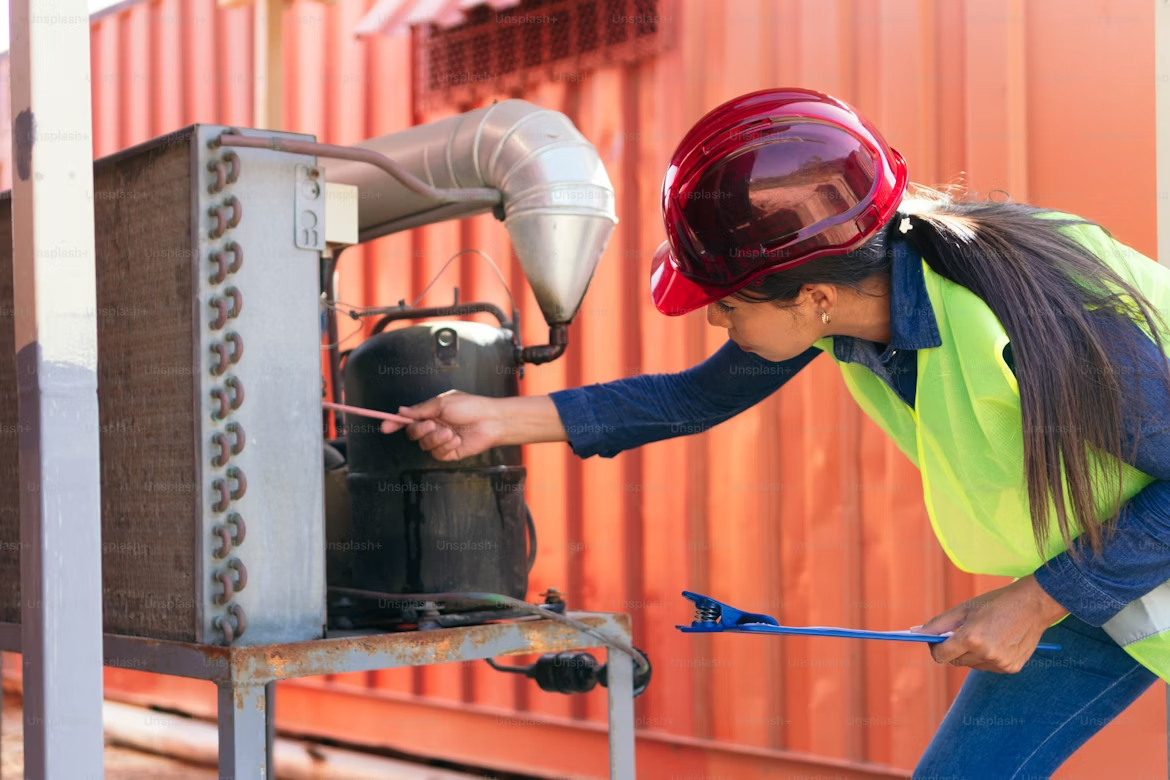
Proactive plumbing strategies are the key for restaurants and retail spaces to avoid costly shutdowns and keep business flowing. Knowing the biggest plumbing risks prepares owners to plan ahead and prevent service-disrupting, damage-causing emergencies. These measures cultivate an awareness culture, prevent water wastage and keep employees and customers safe.
- Leverage smart monitoring to detect leaks and pressure fluctuations early.
- Schedule routine checks for pipes, valves, and water heaters
- Insulate exposed pipes to avoid freezing problems
- Replace old units before they break down
- Train staff to watch for and report plumbing issues
- Have a clear plan for emergency response
- Collaborate with trusted plumbers for regular and emergency assistance.
Smart Monitoring
Intelligent monitoring systems provide real-time information on plumbing performance. They are systems that can detect leaks, record water consumption and identify pressure variations that may indicate issues. Establishing alerts for unusual activity, such as an unexpected surge in water usage, enables you to detect leaks or obstructions before they escalate. Connecting smart monitors with a business’s plumbing enables teams to respond quickly when something breaks, minimizing out-of-service time and water loss. Analytics can reveal trends, such as when in the day or week water use is highest, allowing managers to target their efforts. They work well for any size restaurant and retail space, a smart investment for any business wanting to avoid those big surprises.
Preventative Maintenance
Regular inspections are among the best things you can do to avoid plumbing disasters. Annual inspections by experienced plumbers can detect worn parts, corroded pipes and failing valves, allowing establishments to repair minor problems before they develop into big ones. Getting staff to check restrooms and kitchens daily for leaks and drips is another easy but powerful technique. Proactive Plumbing Tips – Insulate your pipes to prevent them from freezing and bursting during the winter months. It’s smart to proactively replace old water heaters and fixtures before they give up the ghost. By joining forces with reliable plumbing professionals, you can rest assured that your upkeep is conducted expertly and in response to the needs of your operation.
Staff Training
Employees are essential in detecting plumbing problems at an early stage. Continuous training educates them on what to watch for, such as standing water, sluggish drains, or strange noises, and how to immediately communicate issues. Plumbing checks during new hire onboarding help instill these habits from the beginning as well. We’ve found that empowering employees to say something when they see something creates a culture of vigilance and trust. It works because the folks who use them every day are frequently the first to know when something is amiss. Proactive plumbing tactics quick moves keep little drips from turning into expensive disasters.
Choosing Your Emergency Partner
Why it matters to restaurants and retail to choose your emergency partner In a plumbing emergency, minutes matter. Quick, experienced assistance can make the difference between a one-hour repair and expensive downtime. A reliable plumber in an emergency knows how to work in active environments, understands the hazards, and hustles to stay ahead of things. It is smart to verify that the provider is properly licensed and insured to work in your area. This safeguards you and your business from legal or financial jeopardy. Always verify that the team is trained for commercial jobs. Commercial plumbing isn’t home plumbing; pipes, drains, and fixtures are larger, and the risks are more significant. Select a partner who will be at your service day and night. That’s why it’s important to select your emergency partner wisely. Emergencies don’t clock out at 5 PM, and knowing you have 24/7 support is comforting.
When selecting a service, response time is critical. The top partners target arrival within an hour or less. Some will pledge even speedier times, but see if they really come through. Evaluate options based on their response time, accessibility, and user reviews. Here is a table that shows how different providers may stack up:
| Provider Name | Response Time (mins) | 24/7 Service | Avg. Customer Rating (of 5) |
Select Your Emergency Partner | FastFlow Plumbing | 30 | Yes | 4.8 |
| PrimePipe Specialists | 45 | Yeah | 4.5 |
| QuickFix Services | 60 | None | 4.1 |
Customer reviews and testimonials demonstrate how effectively a service deals with actual emergencies. See what other people have to say about their timeliness, craftsmanship, and attention to health and safety in restaurants that emphasize cleanliness. Good reviews indicate that a company is trustworthy. Request a definitive estimate prior to work to prevent surprises. A good partner will tell you the prices at the beginning and keep you updated.
Developing a long-term relationship with your plumber partner gets you quicker, superior service. Your emergency partner team will know your systems, identify risks before they become problems, and collaborate with less friction. A good working relationship and support you can count on every day.
Conclusion
To keep a restaurant or shop open, you need emergency plumbing solutions. A burst pipe or blocked drain can shut down business in a moment. Speed is what makes the biggest difference. You want a plumber who answers the phone, comes out fast, and works neat. A solid first step plan saves time and reduces stress. Regular inspections identify drips or compromised plumbing prior to failure. Choose a plumbing team with proven expertise and transparent rates. Trust is earned from fast work and free advice, not just shiny tools. Minutes matter once the water begins to rise. Ready to swap war stories or stuck choosing a pro? Leave a comment or advice for the gang below.
Frequently Asked Questions
1. What are the most common plumbing emergencies in restaurants and retail?
The usual suspects include blocked drains, burst pipes, leaking fixtures and sewer backups. These problems are business interrupting and need to be dealt with right away.
2. How quickly should plumbing emergencies be addressed?
Rapid response is essential. Quick response means it doesn’t seep into walls, cause mold, contaminate food, or disrupt business.
3. What is the impact of plumbing downtime on business operations?
Plumbing downtime results in lost sales, bad customer experience, and possible health violations. Prompt fixes keep them open and protect their reputation.
4. How can restaurants and retail businesses prepare for plumbing emergencies?
Have a first reaction plan. Know where shut-off valves are, train staff, and have emergency numbers on hand for quick action.
5. What proactive steps can reduce the risk of plumbing failures?
Have regular maintenance, check for leaks, and clean drains. Preventative care minimizes the likelihood of emergencies and saves you money in the long run.
6. Why should businesses choose a specialized commercial plumbing partner?
Commercial plumbers know industry requirements, have quicker response times, and deliver fixes that accommodate business schedules. Their experience reduces disruption.
7. Are there benefits to having an emergency plumbing contract?
An emergency contract means priority service, upfront pricing, and peace of mind. It gets you back in business fast when the unexpected plumbing problem strikes.
Prepare Your Facility for Increased Demand with Professional Plumbing for Businesses from Superior Mechanical Services, Inc.
As your business moves into a busier season, your plumbing system takes on more daily demand. Restrooms, break rooms, kitchens, production areas, and water lines all need to function without interruption. If your plumbing hasn’t been inspected recently, minor issues can quickly turn into leaks, water damage, or unexpected shutdowns. Superior Mechanical Services, Inc. helps businesses stay ahead of problems with comprehensive commercial plumbing services designed to keep operations running smoothly.
When plumbing systems are neglected, water pressure can fluctuate, drains slow down, utility costs rise, and hidden leaks waste thousands of gallons over time. Our plumbing for businesses includes detailed inspections of supply lines, drain lines, fixtures, water heaters, backflow systems, and shutoff valves. We check for corrosion, worn components, pressure irregularities, and early signs of failure so you can address concerns before they disrupt your day.
Businesses across the Bay Area have trusted Superior Mechanical Services, Inc. since 1948 for reliable service and straightforward recommendations. If your building is dealing with recurring clogs, water stains, inconsistent water pressure, unusual odors, or rising water bills, our certified technicians will identify the root cause and provide practical solutions. You receive clear explanations and transparent pricing so you can make informed decisions with confidence.
Proactive plumbing service protects your property, supports health and safety compliance, and reduces the risk of costly emergency repairs. It also helps maintain a clean, professional environment for employees and customers.
Schedule professional plumbing service for your business with Superior Mechanical Services, Inc. today. With more than 70 years of experience, our team helps Bay Area businesses stay protected, efficient, and ready for whatever the season brings.
Disclaimer:
The information provided in this article is for general informational and educational purposes only and is not intended as medical, legal, engineering, or professional advice. While every effort is made to ensure the accuracy and reliability of the content, indoor air quality regulations, building codes, and health recommendations may vary by location and change over time. Readers should consult qualified professionals, including HVAC specialists, occupational health experts, building engineers, or medical providers, before making decisions related to air quality systems, workplace safety, or health concerns. The publisher assumes no responsibility or liability for errors, omissions, or outcomes resulting from the use of this information.
______________________________________________________________________