Your Furnace Is Failing: When to Consider Residential Furnace Installation
A failing furnace is more than an inconvenience—it affects your home’s comfort, safety, and energy bills. Recognizing when to replace your furnace can save you from unexpected breakdowns, costly repairs, and potential safety hazards. This comprehensive guide explores the signs your furnace needs replacement, the benefits of installing a new system, and what you can expect during the installation process.
Key Indicators That Your Furnace Needs Replacement
The furnace is a central component of your home’s heating system. Knowing when to replace it requires understanding its lifespan and recognizing tell-tale signs of failure.
1. Age of the Furnace
Furnaces have a lifespan of about 15–20 years. If your furnace is nearing or surpassing this range, it’s likely operating at reduced efficiency. Even with repairs, older furnaces lose effectiveness, and replacement becomes a safer and more economical option.
2. Rising Energy Bills
Older furnaces struggle to maintain efficiency, leading to higher energy consumption. If your heating bills are increasing without significant changes in usage, your furnace may be the culprit.
3. Uneven Heating in Your Home
Are some rooms too cold while others are too warm? This inconsistency is often a sign of a failing furnace struggling to distribute heat evenly.
4. Frequent Repairs
Multiple repair visits can quickly add up in cost. If repairs are frequent and costs approach half the price of a new unit, consider replacing your furnace.
5. Noisy Operation
Unusual noises like banging, rattling, or screeching often point to failing internal components. While some issues can be repaired, repeated occurrences signal the need for a replacement.
6. Yellow Pilot Light and Carbon Monoxide Risks
A yellow pilot light is a warning sign of improper combustion, which can produce carbon monoxide—a dangerous and potentially lethal gas. Install carbon monoxide detectors and consult a professional immediately if you suspect a problem.
The Benefits of Installing a New Furnace
Upgrading to a new furnace offers advantages that go beyond reliable heating. Here’s how a modern system can enhance your home’s comfort, safety, and energy efficiency.
1. Improved Energy Efficiency
Modern furnaces come with high Annual Fuel Utilization Efficiency (AFUE) ratings, often exceeding 90%. This means they convert most of the fuel into usable heat, reducing waste and lowering energy bills.
2. Enhanced Home Comfort
New furnaces provide consistent and even heating. Features like variable-speed blowers ensure better air circulation, maintaining comfortable temperatures throughout your home.
3. Better Air Quality
Many modern systems include advanced filtration systems that remove allergens, dust, and other contaminants from the air, improving overall indoor air quality.
4. Advanced Safety Features
Contemporary furnaces are equipped with safety features, such as sealed combustion chambers, improved heat exchangers, and automatic shut-off mechanisms to reduce risks of gas leaks or fire hazards.
5. Environmental Benefits
High-efficiency furnaces consume less fuel, reducing your home’s carbon footprint. Some models even qualify as eco-friendly appliances.
6. Financial Incentives
Federal and local programs often provide tax credits and rebates for installing energy-efficient furnaces, offsetting the initial cost.
Choosing the Right Furnace for Your Home
Selecting the right furnace ensures that your investment pays off in terms of comfort, efficiency, and longevity. Consider these factors during the decision-making process:
1. Fuel Type
Furnaces are powered by natural gas, propane, electricity, or oil. Choose a fuel source based on availability, cost, and your home’s existing infrastructure.
2. Efficiency Ratings
Look for furnaces with high AFUE ratings. A furnace with a 95% AFUE rating converts 95% of the fuel into heat, significantly reducing energy waste.
3. Sizing the Furnace
Proper sizing is critical. An undersized furnace will overwork itself and fail to heat your home adequately, while an oversized unit will waste energy. HVAC professionals perform load calculations to determine the right size for your home.
4. Additional Features
Modern furnaces offer advanced features like zoning capabilities, smart thermostats, and variable-speed motors. These enhancements provide better control and greater energy savings.
The Furnace Installation Process
Understanding the furnace installation process can help you prepare and ensure a smooth experience.
1. Pre-Installation Assessment
A professional HVAC contractor will evaluate your home’s heating needs, inspect ductwork, and assess your current system to recommend the best options.
2. Selecting the Furnace
Once the assessment is complete, you’ll choose a furnace based on the contractor’s recommendations, factoring in efficiency, size, and budget.
3. Removing the Old Furnace
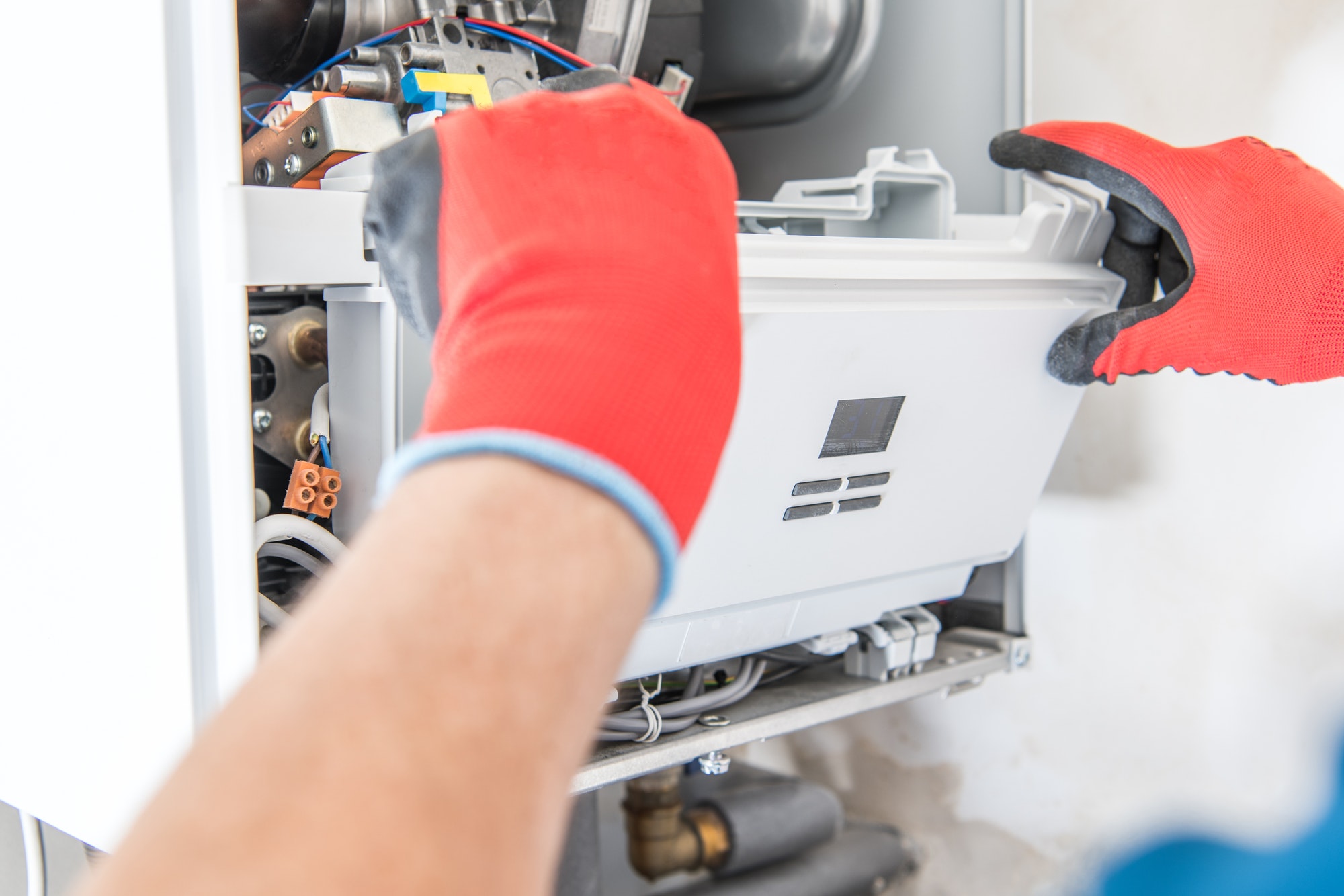
The old furnace is carefully disconnected and removed. This includes shutting off fuel and electricity to ensure safety.
4. Installing the New Unit
The new furnace is installed, including connecting it to your home’s ductwork, electrical system, and fuel lines. Technicians will ensure proper alignment, secure connections, and compliance with safety standards.
5. Testing the System
Before completing the job, the HVAC team tests the furnace to verify optimal performance and address any adjustments needed. They’ll also explain how to operate the new system.
Maintaining Your New Furnace
Routine maintenance is essential for maximizing the lifespan and performance of your furnace.
1. Replace Air Filters Regularly
Dirty filters restrict airflow, reducing efficiency and causing wear on components. Replace filters every 1–3 months, depending on usage and filter type.
2. Schedule Annual Inspections
Professional inspections catch potential issues early, ensuring safe and efficient operation. Technicians clean components, check for wear, and calibrate settings during a maintenance visit.
3. Monitor Energy Bills
An unexpected increase in energy costs may indicate a developing issue with your furnace.
4. Clean and Clear the Area
Keep the area around the furnace free of dust and debris. Ensure nothing blocks vents or airflow.
When to Schedule Installation
Timing is crucial when planning furnace installation. Spring and fall are ideal seasons because HVAC companies are less busy, allowing for flexible scheduling and potential discounts.
Cost Considerations
The cost of a new furnace varies widely based on factors such as system type, size, efficiency, and installation complexity. On average, homeowners can expect to spend $3,000–$7,000, including labor. High-efficiency models and additional features may increase this cost, but financial incentives can help reduce the burden.
Conclusion
A furnace is vital to maintaining a comfortable, safe, and energy-efficient home. Recognizing the signs that your furnace needs replacement, understanding the benefits of upgrading to a modern system, and knowing what to expect during installation can help you make informed decisions. Investing in a new furnace may seem daunting, but the long-term rewards—reduced energy bills, improved comfort, enhanced air quality, and advanced safety—are well worth it.
Take the time to choose a furnace that suits your home’s specific needs, considering factors like fuel type, efficiency, and features. Partnering with a reliable HVAC professional ensures a smooth installation process and optimal performance. Once installed, regular maintenance is crucial for extending your system’s lifespan and preserving its efficiency.
Upgrade Your Home’s Comfort with Superior Mechanical Services’ Residential Furnace Installation
Is your current furnace failing to keep your home warm or driving up energy costs? Superior Mechanical Services provides expert residential furnace installation to ensure your home stays comfortable and energy-efficient. Since 1948, we’ve been the trusted provider of outstanding HVAC solutions in the San Francisco Bay Area, proudly serving Livermore, Dublin, and Pleasanton with a commitment to quality and reliability.
Our certified technicians excel in installing modern, high-efficiency furnaces tailored to meet your home’s unique heating needs. We work diligently to ensure your new system operates seamlessly, enhancing your home’s comfort while reducing energy expenses.
Beyond installations, we offer expert guidance on maintaining your furnace to maximize performance and extend its lifespan. Count on Superior Mechanical Services for a smooth, professional installation experience. Contact us today to upgrade your home’s heating system and enjoy enhanced comfort and efficiency year-round!