How to Choose the Perfect Furnace for Your Residential Furnace Installation
A furnace is a critical home investment, ensuring consistent warmth and comfort during colder months. Choosing the right one requires a thorough understanding of key factors such as energy efficiency, size, fuel type, and overall cost. By considering these elements carefully, you can select a furnace that not only meets your heating needs but also optimizes energy use and saves money over time.
Efficiency is often the most significant factor; modern furnaces boast high Annual Fuel Utilization Efficiency (AFUE) ratings, with ENERGY STAR models offering the best long-term savings. Proper sizing is equally essential—a unit too small won’t heat effectively, while an oversized furnace may cycle frequently, leading to wear and inefficiency. Selecting the right fuel type, whether natural gas, electric, oil, or propane, depends on availability, operating costs, and your home’s location.
Budgeting for both upfront and operational expenses is crucial, as is considering additional features like smart thermostats, air quality enhancements, and zoned heating. Consulting with licensed HVAC professionals ensures accurate installation and tailored recommendations. Investing in regular maintenance will prolong the furnace’s lifespan and maintain peak performance. By following these guidelines, you’ll achieve the ideal balance of comfort, efficiency, and cost-effectiveness for your home.
Understand Furnace Types: Which Works Best for Your Home?
The type of furnace you choose greatly impacts efficiency, installation complexity, and operating costs. Here are the most common options:
Natural Gas Furnaces
-
- Efficiency: Modern models achieve up to 98% efficiency.
- Pros: Low operating costs, reliable in cold climates, and widely available in urban areas.
- Cons: Not suitable for homes without access to a natural gas line.
- Ideal For: Larger homes in colder regions.
Electric Furnaces
-
- Efficiency: Nearly 100% energy-efficient as all electricity is converted to heat.
- Pros: Longer lifespan and easier installation.
- Cons: High operating costs, particularly in regions with expensive electricity.
- Ideal For: Homes in areas with mild winters or no access to natural gas.
Oil Furnaces
-
- Efficiency: AFUE ratings range from 80% to 90%.
- Pros: Effective in cold climates and an alternative to gas furnaces.
- Cons: Requires regular fuel delivery and produces more emissions.
- Ideal For: Rural homes without gas or electric heating options.
Propane Furnaces
-
- Efficiency: Similar to gas furnaces with up to 98% AFUE.
- Pros: Flexible and can be used in off-grid homes.
- Cons: Propane must be stored on-site, requiring a tank.
- Ideal For: Remote or rural homes.
Solar Furnaces
-
- Efficiency: Depends on sunlight availability; supplemental systems are often necessary.
- Pros: Eco-friendly and reduces long-term energy costs.
- Cons: High initial investment and reliance on weather conditions.
- Ideal For: Eco-conscious homeowners in sunny regions.
Consider Efficiency: What is the AFUE Rating?
The Annual Fuel Utilization Efficiency (AFUE) rating measures how effectively a furnace converts fuel to heat. Higher AFUE ratings indicate better energy efficiency and cost savings.
- Low Efficiency (80%-85%): These furnaces are cheaper upfront but consume more fuel, making them suitable for milder climates.
- High Efficiency (90%-98%): These models cost more initially but save significantly on energy bills over time. High-efficiency furnaces are ideal for cold climates where heating is used extensively.
Size Matters: Why Proper Sizing is Crucial
Selecting the correct furnace size is vital to maintaining comfort and energy efficiency. A furnace that’s too large will heat your home quickly, causing frequent on-off cycling that leads to wear and tear. On the other hand, an undersized furnace will struggle to maintain consistent temperatures, increasing energy use and shortening its lifespan.
Professional Calculation: HVAC technicians use a method called the Manual J Load Calculation to determine the correct size based on factors such as:
-
- Square footage of your home.
- Insulation levels.
- Number of windows and their energy ratings.
- Regional climate.
- Number of occupants.
A properly sized furnace ensures optimal performance and reduces unnecessary energy costs.
Evaluate Your Climate: Match Furnace Type to Weather Patterns
Your region’s climate plays a significant role in choosing the best furnace:
- Cold Climates: Opt for high-efficiency natural gas or oil furnaces to handle prolonged heating requirements.
- Mild Climates: Electric furnaces or heat pumps may suffice, as they provide consistent performance without the need for high heating capacity.
- Variable Climates: Dual-fuel systems combining a furnace with a heat pump can adapt to fluctuating temperatures, optimizing both efficiency and comfort.
Prioritize Indoor Air Quality Features
Modern furnaces can enhance air quality by incorporating advanced features:
- High-Efficiency Particulate Air (HEPA) Filters: Trap airborne allergens, dust, and pollutants, making them ideal for households with allergies or asthma.
- UV Germicidal Lights: Installed in ductwork to kill bacteria, viruses, and mold spores.
- Built-In Humidifiers: Prevent dry air during winter months, reducing static electricity and respiratory discomfort.
- Smart Thermostats: Integrate with furnaces to provide precise temperature control and remote monitoring.
Set a Budget: Balancing Cost and Quality
When planning for a furnace installation, consider both upfront costs and ongoing expenses:
Purchase Price:
- Gas furnaces: $1,500–$4,000.
- Electric furnaces: $1,000–$2,500.
- Oil furnaces: $2,000–$5,000.
- Installation costs: $2,000–$6,000, depending on complexity and region.
Operating Costs:
- Natural gas: Generally the cheapest fuel.
- Electricity: Can be costly in colder climates with extended usage.
- Oil/Propane: Subject to fluctuating market prices.
Long-Term Savings: High-efficiency models may have a higher initial price but reduce energy bills over time.
Check Fuel Availability and Local Regulations
Before purchasing, assess the availability and costs of different fuel sources in your area. Natural gas is often the most economical option, but electricity or propane might be necessary in off-grid or remote locations.
Additionally, review local building codes and regulations for furnace installation. Some areas mandate specific efficiency ratings or fuel types to comply with environmental standards.
Seek Professional Assistance: Why Expertise Matters
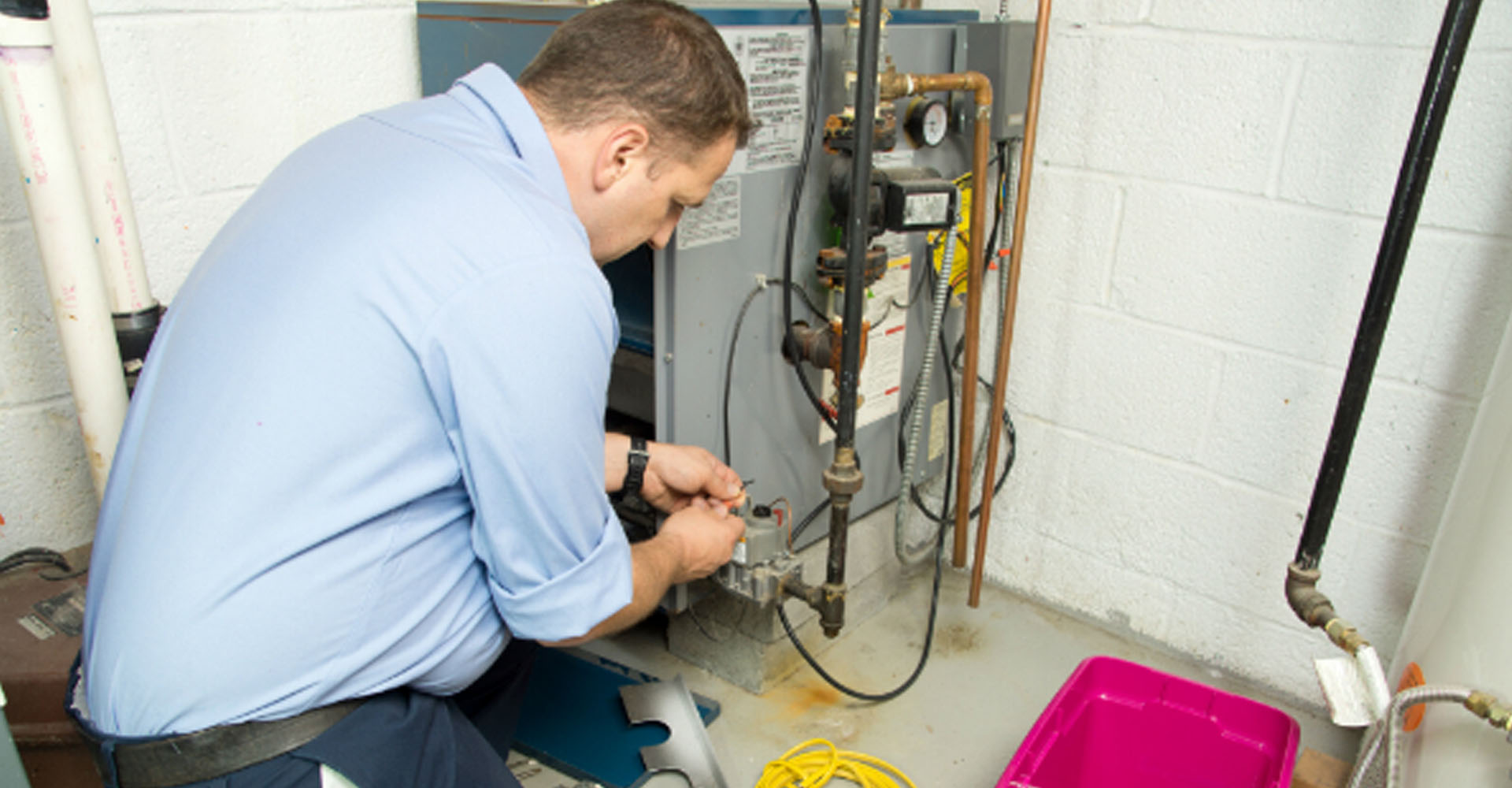
Installing a furnace is a complex task requiring professional expertise. Licensed HVAC contractors provide services such as:
- Accurate sizing and installation.
- Guidance on choosing the best furnace type for your home and budget.
- Post-installation maintenance to ensure optimal performance.
Request quotes from multiple contractors and check for certifications like NATE (North American Technician Excellence) or EPA Section 608 compliance for refrigerant handling.
Future-Proof Your Investment: Consider Smart Features
Smart furnaces and thermostats allow homeowners to control heating remotely, monitor energy usage, and create customized schedules. These systems are compatible with popular home automation platforms, enhancing convenience and efficiency.
Maintain Your Furnace: Prolong Its Lifespan
A well-maintained furnace lasts longer and operates more efficiently. Key maintenance tips include:
- Annual Inspections: Schedule professional tune-ups to check for wear and tear, clean components, and test efficiency.
- Filter Replacement: Replace air filters every 1-3 months to maintain air quality and airflow.
- Duct Cleaning: Periodically clean ducts to prevent debris buildup that can strain the furnace.
Final Thoughts
Selecting the perfect furnace requires careful consideration of efficiency, size, type, and budget. By understanding your home’s heating needs and consulting with professionals, you can invest in a furnace that ensures comfort, energy savings, and reliability for years to come. Whether you choose a gas, electric, oil, or solar furnace, regular maintenance and proper installation are key to maximizing its performance and lifespan.
By following this guide, you’ll be well-equipped to make an informed decision that suits your home’s needs and your financial goals.
Upgrade Your Home’s Comfort with Superior Mechanical Services’ Residential Furnace Installation
Is your current furnace failing to keep your home warm or driving up energy costs? Superior Mechanical Services provides expert residential furnace installation to ensure your home stays comfortable and energy-efficient. Since 1948, we’ve been the trusted provider of outstanding HVAC solutions in the San Francisco Bay Area, proudly serving Livermore, Dublin, and Pleasanton with a commitment to quality and reliability.
Our certified technicians excel in installing modern, high-efficiency furnaces tailored to meet your home’s unique heating needs. We work diligently to ensure your new system operates seamlessly, enhancing your home’s comfort while reducing energy expenses.
Beyond installations, we offer expert guidance on maintaining your furnace to maximize performance and extend its lifespan. Count on Superior Mechanical Services for a smooth, professional installation experience. Contact us today to upgrade your home’s heating system and enjoy enhanced comfort and efficiency year-round!