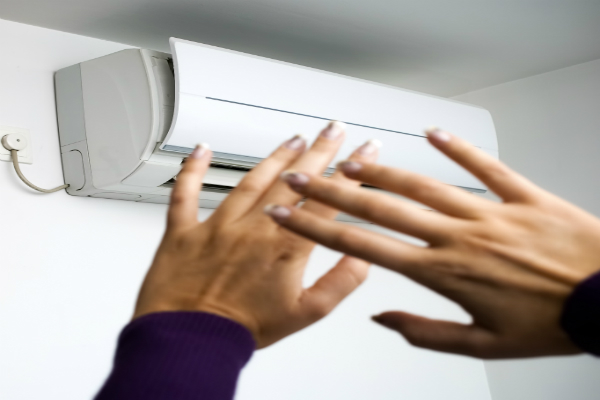
Why Is My AC Blowing Warm Air? Common Problems Explained
These issues may prevent the system from cooling the room as anticipated. Blocked condenser coils and faulty compressors make the unit lose its cooling power. Sometimes power loss to the outdoor unit, a blown fuse, or tripped breaker will keep the AC from working correctly. Worn parts or leaks in the system can cause minimal airflow or a lack of cool air. To identify the reason, inspect the unit piece by piece. The rest of this guide dissects every common problem and how to locate a solution depending on what you observe or hear from your AC.
Key Takeaways
- Warm air out of your AC is typically caused by thermostat errors, restricted airflow, refrigerant leaks, electrical issues or failing components – working through each possible area lets you quickly isolate the source.
- Start your diagnosis by verifying thermostat settings, examining air filters and clearing debris from the outside unit — these easy steps solve most common problems with no tools required!
- Continual warm air or frequent system cycling can indicate deeper issues like a compressor malfunction, dirty condenser or evaporator coils or core component failure, which usually need professional help.
- Neglected considerations such as bad installation, an ageing system, external heat sources or low capacity can affect your AC’s ability to cool and if nothing else works, should be investigated.
- Determine if you should continue to fix it, or if smart, energy-efficient upgrades and professional maintenance contracts will be more comfortable and reliable long-term.
- Be proactive — schedule professional tune-ups each year, routinely check the system, and be on the lookout for weird sounds or smells to avoid surprises and prolong the life of your unit.
Why Your AC Blows Warm Air
Knowing why your AC blows warm air lets you identify the root of the problem and repair it fast. These are the most common problems that lead to warm air from the unit:
- A few thermostat flubs, like wrong mode or bad placement, can make the system heat rather than cool.
- Clogged airflow, usually from dirty air filters or obstructed ducts, prevents cool air from entering your room.
- Refrigerant loss-Leaks or low refrigerant regardless of type is bad because the system cannot cool air as designed.
- Electrical issues, such as tripped breakers or frayed wiring, can stop essential cooling elements.
- Failure of core parts, like a bad compressor or dirty coils, can prevent the system from cooling altogether.
Thermostat Glitch
Warm air could be blowing from your AC if the thermostat is not in cool mode. Just being located near lamps or windows can throw off readings, causing the system to run when it shouldn’t. Malfunctioning thermostats can fail to detect room temperature properly or just wear out over time. In most cases, a thermostat replacement or recalibration fixes these issues and gets the cool air flowing again.
Clogged Airflow
Dirty air filters are a top culprit for weak or warm airflow. Filters, packed with dust, block air and make your AC work harder and often blow warm air. Inspect, clean or replace your filter every few months. Vents blocked by furniture, closed louvers or debris in ducts prevent cool air from reaching the room. Maintaining these routes unclogged assists the entire system function as it must.
Vents and ducts must remain open and clear of dust. Make sure all louvers are open, and nothing is preventing air from escaping the vents. This circulates the air better and makes the AC cool more efficiently.
Refrigerant Loss
When leaks cause refrigerant levels to drop, the AC can’t cool air and may blow warm. Leaks often present themselves as oily spots or hissing noises near coils or hoses. Repairing these leaks is a role for a professional who can close the system and recharge it to secure, effective degrees. Refrigerants should only be serviced by certified technicians because of both safety and legal restrictions.
Electrical Fault
They’re the easy headcheck–if tripped, your AC’s had it. Check wiring and connections for deterioration or scorching. Blown fuses or faulty contactors prevent the compressor or fan from operating. Swap these out as necessary to return to full strength.
Search for shortened wires. Replace any blown fuses. Verify all connections. Test power to each.
Core Component Failure
A failing compressor equates to no cooling, as it pumps refrigerant through the system. Dirt on condenser coils prevents heat from escaping your AC, blowing warm air. Frozen or blocked evaporator coils can restrict cooling as well. Routine inspections and maintenance go a long way in identifying indications of wear and tear prior to a decline in cooling efficiency.
Your First Diagnostic Steps
When an AC unit starts blowing warm air, suffering can mount rapidly at home and at work as the summer heat intensifies. To diagnose it early — as early as possible — not only restores comfort but helps avoid additional damage or expensive repairs. These initial diagnostic steps provide a roadmap for anyone confronted with this issue, regardless of their geographic location or technical expertise.
- Examine the air filter for obvious dirt or blockages and swap if necessary.
- Look at circuit breakers — see if they’ve knocked out the power
- Remove all leaves and debris from around the outdoor unit for airflow.
Check Settings
The thermostat is your first diagnostic step when AC is blowing warm air. If the unit is on heat or the fan is in “on” mode (without cooling) it can actually blow out warm air instead of cool – a frequently overlooked cause. Every once in a while, a clever thermostat’s bug can reset wanted temperatures or schedules. Make sure you’re in cooling mode and the temperature is below room temperature. Check any automated options that could supersede your adjustments. These settings are easy to overlook but small slip-ups here can cause you needless suffering, so it’s a quick yet crucial step in your diagnosis.
Inspect Filter
A grimy air filter is a common offender. Remove the filter and search for grime, dust, or any visible obstruction. A clogged filter, swapped out for a new one, can really save your airflow and cooling. Filters need to be inspected on a monthly basis, especially in periods of heavy use, and changed every two to three months at a minimum. For individuals desiring cleaner air indoors, high-efficiency filters capture smaller particles and enhance overall performance.
Examine Breakers
If the AC isn’t turning on or is blowing warm air, check the main panel for any tripped breakers associated with the AC circuit. While resetting the breaker will restore power, if these trips occur frequently, there may be an underlying electrical issue. Be sure to take note of any patterns and call in a pro if it reoccurs, as this can be an indication of a safety concern beyond an easy fix.
Clear Outdoor Unit
Clear any debris or leaves that could inhibit the outdoor condenser. Check that the fan isn’t obstructed and the coil is clean. The unit requires room—at least 60 cm free on all sides—for adequate ventilation. They keep the system cooler and away from trouble.
When Is It a Deeper Problem?
Warm air from your AC can imply more than a dirty filter or incorrect thermostat setting. Other times, these symptoms indicate deeper problems in the system. Recognizing the symptoms helps you determine when it’s time to bring in an expert for a deeper diagnosis.
| Symptom | Possible Cause |
| AC blows warm air | Compressor, refrigerant, electrical |
| Ice on evaporator coils | Airflow blockage, low refrigerant |
| Overheating system | Dirty filter, failing compressor |
| Weak airflow | Duct leaks, dirty coils, frozen coils |
| Repeated on/off cycling | Compressor, thermostat, electrical |
Compressor Issues
Weird noises coming from the compressor—like grinding, rattling, or clicking—can be a red flag for an impending mechanical issue. These noises frequently indicate bearings, valves or internal components are deteriorating. If the compressor is hot to the touch or cycles on and off too frequently, it’s fighting to keep up, indicating more serious problems. Overheating can come from dirty filters, blocked coils or even low refrigerant, and it can cause full-on compressor failure. Any of these symptoms mean you should react quickly, because the compressor is the system’s heart, and a failure can be expensive and difficult to repair.
If the compressor won’t turn on or shows signs of weak power—tripping breakers or dimming lights–it could be an electrical problem. Power supply issues could originate from defective capacitors or wiring–both requiring the expertise of a technician to repair. An aging compressor that keeps requiring more power is a red flag and might mean it’s time for a replacement.
Condenser Coils
Dirty condenser coils prevent heat from escaping the system, making cooling inefficient. This is typical in outdoor units that are exposed to dust & debris. Cleaning the coils with a soft brush and water can bring performance back, but if the metal fins are bent or the coils damaged, replacement may be necessary.
Make sure that nothing is obstructing airflow around the condenser—plants, walls, or debris can all trap heat and cause the AC to overheat. Ruined coils usually require assistance to repair or replace because leaks or substantial dents impact efficiency and have the potential to damage other components.
Evaporator Coils
Ice on evaporator coils frequently signifies deeper trouble, such as blocked airflow or low refrigerant. Cleaning the coils does assist, but if the ice returns, inspect the insulation and refrigerant levels. Ripped or missing insulation means warm air seeps in and cold air seeps out, exacerbating the issue.
Low refrigerant almost always indicates a leak, which requires specialized tools and training to repair. If you notice ice, bad cooling or hear the unit hissing, give a pro a call. They’ll test pressure and leaks and restore flow.
When to Call a Professional
If such simple fixes as changing filters or tweaking settings don’t work, or you observe repeated cycling, poor cooling, or overheating, it’s time for a technician. Complicated problems—like refrigerant leaks, short circuits, or extensive coil damage—require professional assistance.
When air flow remains weak, or the unit draws more power than previously, don’t put it off. Preventative service stops deep issues.
My Professional Perspective
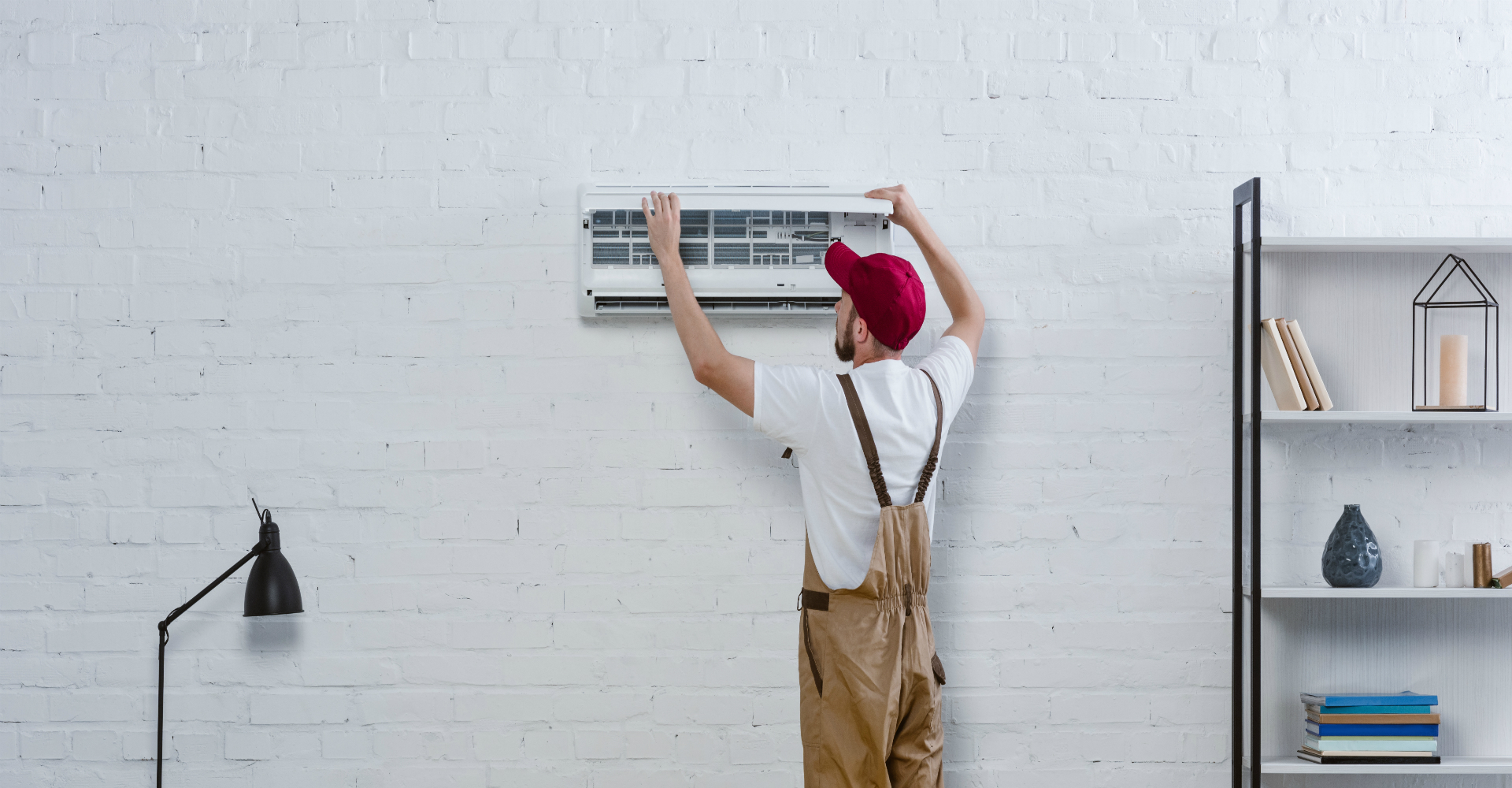
An air condition blowing hot air could be due to many causes spanning from minor fixes to severe malfunctions. A good oversight of these issues prevents minor defects from turning into expensive damages. Regular maintenance, like yearly tune-ups, keeps everything running right, and quick responses to red flags — like lukewarm air or feeble wind — can save both time and dollars.
Minor vs. Major
Lots of them are small and can be repaired at home. A clogged air filter is among the most common, and rotating one out every 30 days is an easy move that makes a huge impact, particularly for pet or allergy sufferers. Ensuring your outdoor unit has a clear two-meter radius keeps airflow strong. Warm air may be the result of a thermostat that is on the wrong mode or low refrigerant, both of which are simple to inspect and fix.
Big issues require masterful fingers. Refrigerant leaks, electrical faults, or a damaged compressor can all cause warm air to be blown out of your AC and should be left to trained technicians. If it happens frequently, record your observations—dates, symptoms, interventions. This history can assist clinicians identify the source more quickly and prevent redundant work.
| Issue Type | Examples | Action & Recommendation |
| Minor | Dirty filter, blocked vents | Replace filter, clear debris, check settings |
| Major | Refrigerant leak, compressor fault | Call technician, document symptoms, avoid DIY |
The Repair Trap
Repairs may seem less expensive initially, but expenses accumulate. Contrast the cost of continuous repairs with purchasing a new, efficient model. Waiting to fix big faults—like refrigerant leaks—can damage system performance and increase energy bills. Check for warranties or service plans that could cover essential fixes and always request transparent, up-front pricing from your repairer to avoid sticker shock.
Smart Upgrades
Upgrading to energy-efficient units will decrease your bills and minimize the need for repairs. By installing smart, programmable thermostats you can now create cooling schedules, which reduces energy and maintains consistent comfort. Smart home tools can observe your system and identify problems early, while zoning systems allow you to cool just the rooms you use most. The renovations provide persistent coziness and enhanced control of the home’s temperature.
Long-Term Solutions
Regular annual tune-ups, quick repairs, and intelligent improvements keep your AC operating properly for years. Little steps prevent big fixes.
How to Prevent Future Issues
Preventive care is the best way to keep your air conditioner humming. Regular maintenance not only prevents warm air woes, but prolongs the life of your unit and reduces repair expenses. By adhering to a simple checklist, booking professional tune-ups, monitoring system changes, and understanding basic troubleshooting, you can steer clear of common AC blunders.
Professional Tune-Up
Once a year, schedule a certified technician for a complete system check-up. An experienced tech checks refrigerant levels, tests for leaks—simple soap bubble checks, for instance—and inspects electrical components such as compressors, contactors and capacitors. If you have concerns, such as elevated power bills or strange system behavior, discuss them with the technician for specific guidance for your configuration. Preventative maintenance plans may be offered, which can provide discounted or priority service, saving you money and downtime in the long run.
Listen to Your System
Odd noises, such as grinding or banging, typically denote mechanical or electrical issues. Uncommon odors—like musty or burning scents—may indicate mold or electrical problems requiring quick intervention. ALWAYS inspect for rapid temperature swings from the vents. If your AC begins blowing warm air, check the thermostat and for frozen coils. It’s easy to thaw those frozen coils — just turn the AC off for an entire day or use a heat gun.
Troubleshooting Basics
Find out how to reset your thermostat and safely check filters. Know where to check for leaks or clogs. If you see frost, shut the unit off. Trust your gut.
Conclusion
To repair an ac that blows warm air, begin with the fundamentals — power, thermostat, filter & vents. If the problem persists, leaks or busted components may be involved. Most of the time, it’s an easy blocked filter or wrong setting that’s the culprit. On occasion, the problem goes further and requires a deft touch. Nipping minor problems in the bud can save you a lot of time and money. For the majority, an annual tune up keeps it running silky. Most overlook small indicators, such as ice on the coils or odd noises. Be conscious of shifting unit behavior. To maintain your cool, share your own quick fixes or hassles in the comments. Let’s beat AC problems together and hear from true tales of woe.
Frequently Asked Questions
1. Why is my AC blowing warm air instead of cool air?
Your AC can blow warm air for several reasons, including low refrigerant, a dirty air filter, thermostat issues, or electrical problems. Knocking out these common culprits can save you time and money.
2. Can a dirty air filter cause warm air from my AC?
That’s right, a grimy filter chokes the airflow and keeps your AC from cooling effectively. Replacing the air filter usually fixes this and cleans the air.
3. What should I check first if my AC is not cooling?
Begin with your thermostat settings, air filter and circuit breaker. They’re simple to check and can typically repair the problem without a technician!
4. When do I need to call a professional for AC problems?
If simple tests don’t solve the issue, or if you observe leaks, odd sounds, or wiring problems, reach out to a certified professional for an inspection.
5. Can low refrigerant make my AC blow warm air?
Indeed, low refrigerant stops your AC from cooling air. Only a licensed professional should deal with refrigerant problems because of safety and regulations.
6. How often should I maintain my AC to avoid warm air issues?
Ideally you should have maintenance done professionally at least once a year. Maintenance prevents the majority of common problems and keeps your AC running efficiently.
7. Are there any signs that my AC has a deeper problem?
Yes, warning signs are short-cycling, strange noises, water leaks, or an unexpected jump in your energy bills. These can be signs of major problems requiring pros.
Restore Comfort And Reliability With Expert HVAC Repair From Superior Mechanical Services
Is your HVAC system making strange noises, blowing uneven air, or failing to keep your space comfortable? Don’t wait for a complete breakdown—Superior Mechanical Services, Inc. is here to diagnose and repair issues before they escalate. Whether you need urgent HVAC repairs, a thorough system inspection, or long-term performance solutions, our certified technicians deliver lasting results you can trust.
Since 1948, homeowners and businesses have relied on our expertise to keep their HVAC systems running smoothly and efficiently. From faulty thermostats and broken compressors to airflow issues and worn components, we fix it all—with precision, professionalism, and your comfort in mind.
Prompt HVAC repair doesn’t just restore performance—it helps prevent costly replacements, reduces energy waste, and extends the life of your system. Let us help you avoid surprise breakdowns and keep your indoor environment consistent and reliable, no matter the season.
Call us today to schedule your HVAC repair service. With over 70 years of experience, Superior Mechanical Services is committed to fast, dependable, and affordable HVAC solutions. Experience the Superior difference—reliable comfort is just a call away!