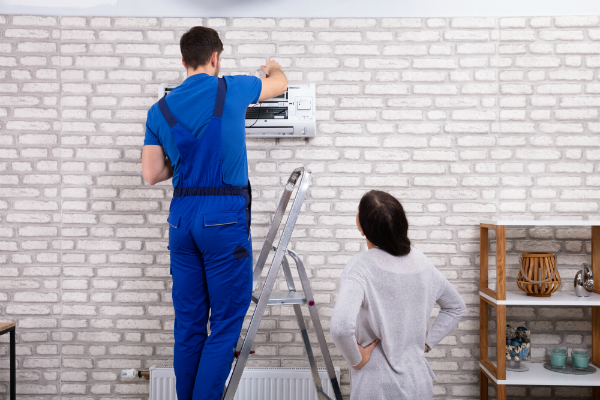
The Step-by-Step AC Installation Process Homeowners Should Know
The step-by-step AC installation process homeowners should know starts with checking the home’s cooling needs, picking the right unit, and making sure the space fits the new system. To do it properly, your average person should be checking electric lines, measuring for the interior and exterior components, and following safety precautions. Installers work with simple hand tools and must physically install the central unit, run appropriate wiring, and test the entire system before operation. Understanding every phase not only simplifies discussions with professionals, but helps you detect problems early. For the rest, it provides a definitive roadmap and reduces errors. The following sections deconstruct each step and provide valuable tips for homeowners.
Key Takeaways
- Good planning before installation—right-sizing, code compliance, and honest budgeting—means efficient ac and years of reliability.
- Choosing the right air conditioning type plus the pros and cons can get homeowners the perfect comfort and savings for their situation.
- By following local building codes, obtaining permits and working with licensed professionals, homeowners can avoid legal complications and maintain safety during installation.
- Installation steps—from preparing the site to inspecting for duct leaks and electrical hazards—have a direct impact on the efficiency and longevity of the AC system.
- Full commissioning such as pressure testing, vacuum evacuation and accurate refrigerant charging help to ensure system integrity and optimum cooling.
- Homeowners ought to be honest with themselves about their abilities before attempting a step-by-step ac installation process and when in doubt, go pro or be stuck with a pricey blunder or voided warranty!
Pre-Installation Groundwork
AC installation is a huge home upgrade that requires proper pre-installation groundwork. Well in advance planning helps make the system function as intended, stay within the law, and suit your specific requirements.
Sizing Your Unit
First you need to determine what size unit your space requires. Too small, and it won’t cool well. Too large and it short-cycles, wasting energy. Square meters your home and see how much it’s insulated. Rooms that receive direct sun or are west facing might require more cooling capacity than shaded rooms. Utilize online calculators or consult a professional to hit the correct BTU figure. Bad sizing = more expensive and less comfortable.
Choosing A Type
There are a few different AC systems. Central AC chills the entire residence, ductless mini-splits zones in on specific areas, and window units handle a single room. Which is best for you depends on your house’s floor plan, existing ductwork and budget.
| Type | Advantages | Disadvantages |
| Central | Even cooling, quiet, hidden system | Needs ducts, higher upfront cost |
| Ductless | Flexible, no ducts, efficient | Higher per-room cost, visible indoor units |
| Window Unit | Budget-friendly, simple install | Limited reach, blocks window, noisier |
Newer ACs with smart controls can assist with handling energy and comfort right from your phone or smart device.
Permits and Codes
You have to see what the local regulations are before beginning. Most places need a permit for new or major AC jobs. Local codes might require a minimum SEER 14 for new systems. Gather and complete necessary paperwork prior to transporting any hardware home. A good HVAC contractor will know these rules and help you stay in line with them.
Budgeting Realistically
- List each expense: equipment, labor, permits, extra ductwork, and possible electrical upgrades.
- Reserve additional cash for unexpected expenses like moving machinery or leveling out uneven floors.
- Search for rebates or financing for energy-saving models.
- Invest more in good equipment and craftsmanship.
The AC Installation Process
A piecemeal AC install requires foresight, collaboration, and attention to detail throughout the process. Every step — from un-installing to hook-up — has an impact on both performance and longevity. New AC units are bigger, so measuring your space counts. Don’t ever forget — always talk early with your installers about needs, schedules, and concerns.
Decommission Old Unit
Old units need to be disconnected carefully, in accordance with local laws for safe removal. Take care of refrigerants to prevent leaks, which damage the environment. Specialized recovery tools and certified disposal methods are employed for these chemicals.
Inspect the location for any concealed damage, like rust or cracks in the pad or wall. Take pictures or notes during removal. These logs can assist if you file a warranty claim or service request down the road.
Prepare The Site
Remove garden tools, outdoor furniture or debris from the working area that could obstruct access. Installers need a straight shot to transport the new, usually bigger, equipment. The location has to be level and firm, set for the outdoor condenser. Good airflow is key: there should be no plants, fences, or walls less than 30 centimeters away.
Prior to installation ensure all tools, new line sets and mounting hardware are available. You have to drill the line set hole — usually 5-6 cm wide — through the wall. Your new line set should be one continuous piece, with no sharp bends or kinks and suspended with a secure hanging system.
Set The Condenser
Choose a location for the condenser with good, unblocked air flow that is easy to access for maintenance. Set the unit on a hard slab or mounting bracket to prevent rocking or movement. Connect refrigerant lines and electrical wiring as the manual directs, ensuring they are secure and safe.
Follow the maker’s guidelines for spacing: leave at least 30 centimeters on all sides and 60 centimeters above. This gap allows heat to dissipate and maintains system efficiency.
Install Evaporator Coil
The evaporator coil is installed inside, typically atop the furnace but sometimes underneath if space is limited. Seal and insulate refrigerant lines to prevent leaks and increase efficiency.
Just be sure that the coil fits your ducts for optimal airflow. Test the coil configuration, all seals and fittings.
Check placement, then secure connections.
Connect The System
Connect the indoor coil and outdoor condenser with new refrigerant lines and wires. All joints must be tight and leak checked. Service valves are included for future service.
Do a nitrogen leak test for 10 minutes and then vacuum to 500 microns. When complete, power up the system and allow it to run for 15–20 minutes to ensure everything is working correctly.
Beyond The Physical Unit
AC installation is beyond the physical unit. Homeowners need to deal with airflow, electrical safety, drainage and air quality. Each one requires design and meticulous labor. Cutting corners in this department can translate into elevated bills, stressed systems, or even a health hazard.
Ductwork Integrity
Ductwork is essential for distributing cool air. Leaks, blockages or bent ducts reduce efficiency. Even a small leak can lose up to 20% of cool air. Look for dust streaks or strange noises, as these indicate holes or loose joints.
Sealing holes or cavities with mastic or foil tape helps prevent energy loss. For older homes, ducts might be too small or thin for new systems. That’s because upgrading to wider, insulated ducts is frequently necessary for bigger AC units, particularly in areas with scorching summers and significant cooling loads. Insulation prevents heat from seeping in, so your system runs less and uses less energy.
Electrical Safety
The new AC alone pulls tons of power. The supply has to meet the unit’s requirements. If not, wires can overheat, or breakers trip.
A dedicated circuit is an absolute necessity. This prevents the AC from overwhelming shared circuits or fire hazards. Local codes typically require circuit breakers and disconnect switches in the immediate vicinity of the unit. Just let a certified electrician get at these sections of the task. Attempting this unskilled can be code-breaking or warranty-voiding.
Condensate Drainage
Because each AC produces water when it cools air. If the water can’t drain properly, it will create leaks or mold. Backed up or improperly installed drain lines can even floor or wall flood.
For example, the main drain line should be slightly sloped with an exposed outlet. It’s smart to add a float switch or a backup drain pan, because both prevent overflow before it turns into a major problem. Peeping that drain line every few months keeps things safe and dry.
Indoor Air Quality
Not all air filters are created equal. A generic filter can catch dust, but quality ones will trap pollen, hair, or even bacteria.
Certain AC configurations permit HEPA or carbon filters. These clean the air for allergy or asthmatic sufferers. Filters have to fit the system or airflow takes a hit. Replace filters every 1-3 months for optimal outcomes.

Commissioning The System
Commissioning is the essential process that confirms your AC system is secure, efficient, and ready to deliver. This step is anything but perfunctory — it helps catch any problems that slipped past installation, such as incorrect wiring, leaks, or sizing errors. The system needs to run for at least 15–20 minutes prior to this step, as components settle and temperatures stabilize. A proper commissioning, performed a day or two after installation, guarantees that the air conditioner continues to function as intended.
Pressure Testing
Pressure testing first to check all refrigerant lines and joints. Gauges are installed to measure system pressures to check for stability.
If leaks appear—usually at flared joints or service ports—they have to be sealed and retested. This is important as escaping refrigerant diminishes cooling but can damage the environment.
Technicians record every reading and cross reference them to manufacturer’s specs. This generates a log and demonstrates the system cleared this simple sanity check.
A closed system is the only way to proceed. No leaks, no quick way.
Vacuum Evacuation
Once the pressure tests are passed, the refrigerant loop is evacuated. We use a vacuum pump to suck out all the air and moisture in the line.
The vacuum level is monitored with a digital gauge. It continues until the system achieves the necessary low pressure (typically less than 500 microns), which may take as long as an hour.
Skipping this step could allow water or air to contaminate the refrigerant, harming internal components or cooling effects.
A stable vacuum re-leaks—if pressure goes up, something’s still leaking.
Refrigerant Charging
| Type | Key Properties | Typical Charge Amount |
| R-410A | High pressure, eco-friendly | ~2-3 kg for split unit |
| R-32 | Lower GWP, efficient | ~1.5-2.5 kg |
| R-22 | Phased out, legacy use | ~2-3 kg |
Charging on a scale. Overcharging or undercharging impact performance and could void warranties.
The technician juices the system at a snail’s pace, eying gauges and pounds. Once charged, they run the AC and verify pressures and temperatures to ensure the system cools as anticipated.
Final Checks
- Inspect all electrical connections and controls for safe operation.
- Check and set the thermostat for the correct temperature response.
- Verify airflow at registers and compare cooling between rooms.
- Provide homeowners with straightforward use and care tips for their new AC.
The DIY vs. Pro Dilemma
Whether to install an air conditioner yourself or hire a pro isn’t just a simple question of saving money. It’s about knowing yourself and your own abilities, the complexity of your system, and what risks you are comfortable with. This part assists you weigh the options and avoid common pitfalls in AC installation.
When To DIY
DIY may work in case you’re putting in a window or portable AC. These are generally plug and play. Most folks with a little toolbox experience can handle these installs, particularly if the unit’s weight and window size correspond.
It’s all out there in tons of online guides and videos delineating these steps. You can search for brand/model specific tutorials. They demonstrate how to mount the unit, seal holes and route power securely. You do need some tools, like a screwdriver, measuring tape and some weatherstripping. Enlist a friend to assist in lifting heavier units so you don’t hurt yourself or the machine.
Even basic work requires problem solving. You may discover the unit doesn’t fit the window or leaks air. The ability to solve these problems on the fly is crucial. If you can’t, you’ll end up spending more time correcting errors than the project merits. DIY jobs can take hours, even for the first timer, which means prolonged waits in the hot sun.
When To Hire
If your project includes a split system, central AC, or ductwork, pro assistance is optimal. These configurations require technical expertise and building code familiarity. In certain jurisdictions, licensed pros must legally perform these gigs, and non-compliance can invite hefty fines.
HVAC pros can size your unit to your space. A too large or too small unit translates to elevated bills or inadequate cooling. Pros know how to deal with wiring, refrigerants and duct modifications. This reduces the chance of leaky ducts, uneven cooling or harm to costly equipment.
Pro’s offer warranties, expert tips, and quicker turnaround. Most warranties are void if a non-licensed person installs the unit, which means you’re on the hook for any repairs. Ultimately, a professionally installed AC can be as much as 50% less expensive to repair and power over the lifetime of the unit than botched DIY installs.
Risks and Rewards
DIY saves money upfront but carries risks—personal injury, damage to your home and expensive repairs. You could void the warranty or break local laws by not pulling the right permits.
Pro installs are pricier, but you get expert sizing, code compliance and years of savings. You sidestep enormous hazards and receive a peace of mind if matters go awry.
Key Considerations
Assess your skills honestly.
Check local laws and permit needs.
Factor in time, tools, and safety.
Balance cost with long-term reliability.
Avoiding Common Pitfalls
Installation errors create problems that persist for years and are difficult to rectify. These issues can end up being more expensive, inefficient, and even dangerous. Knowing the pitfalls makes it easier and safer!
- Picking the wrong AC unit size for the space
- Skipping planning and site checks before installation
- Not leaving enough space for airflow around the unit
- Forgetting sun exposure and room use when sizing the unit
- Skipping professional help and trying DIY when not trained
- Forgetting regular maintenance after setup
- Not following manufacturer guidelines for installation and use
Good planning is crucial. Prior to installation, review the home’s layout, tally windows and doors, and consider sun exposure per room. It will assist you in selecting the appropriately sized unit. A decent rule is 20 BTUs per square foot, but that’s only a rough guideline. If it’s a very sunny room, or has a lot more people or doors, you’ll want a larger unit. If the unit is too small it won’t cool well. If it’s oversized, it’ll waste energy and possibly not dehumidify effectively.
Ensuring there is enough room for the AC unit is crucial. Good airflow requires at least 30cm (12”) of open space on either side. Shrubs or plants must be at least two feet away. This circulates air nicely and prevents leaves or dirt from clogging the unit.
DIY installation feels like a money saver, but it’s a mistake. Typical blunders are poor wiring, leaks, or failing to duct tape. These can lead to issues that won’t immediately show up for months—like higher power bills or damage to the AC. A trained HVAC professional has the proper tools and expertise. An average job is 4-8 hours, depending on the complexity of the setup and the construction of the home.
Once in place, a $1 monthly filter check and annual tune-up keeps things humming. A little maintenance can take you a long way and prevents minor problems from becoming major overhauls.
Conclusion
For installing an AC at home, specific steps guide us. Each step–from inspecting the location to bracing the air–suits a genuine requirement. A little advance planning makes all the difference. Thoughtful configuration makes all the difference. Tuning it helps save energy. DIY or pro, consider safety and aptitude. Even the best plan can hit bumps, knowing the usual suspects lends a solid head start. A whole lot of people just need some damn good, working cool air that lasts. To keep your AC pumping strong, stay on top of care and maintenance checks. Add your own tips or questions. Your tale could assist another AC traveler.
Frequently Asked Questions
1. What should I check before installing an AC unit?
Check your home’s electrical system, room size and insulation. Ensure the installation location is well-ventilated and away from direct sun. These stages maximize cooling efficiency and prolong the unit’s life.
2. How long does the AC installation process take?
Most standard AC installations require 4 to 8 hours. It all depends on your home layout, unit size and any additional work required such as electrical upgrades or ductwork adjustments.
3. Do I need professional help for AC installation?
You absolutely need professional installation. Pros guarantee safe wiring, secure mounting and proper freon levels. This safeguards your warranty, increases efficiency, and minimizes the chances of expensive errors or safety hazards.
4. What is commissioning in AC installation?
Commissioning is the final check post-installation. A technician runs the system, verifies airflow, refrigerant levels and checks that all controls operate properly. This step-by-step method ensures top performance and energy efficiency.
5. Can I install an AC unit myself?
I know many homeowners who try the DIY installation, but the dangers are countless — electrical hazards, incorrect installation and voided manufacturer warranties. Professional installation means safety, local-code compliance and long-term reliability.
6. What are common mistakes during AC installation?
Mistakes like incorrect unit sizing, poor sealing and improper placement. These mistakes waste energy and comfort. Remember to always adhere to manufacturer instructions and seek professional assistance when possible to prevent issues.
7. How can I maintain my AC after installation?
Clean or change filters on a regular basis, inspect for leaks and get professional servicing annually. The upkeep you provide keeps your AC working well and makes it last longer.
Restore Comfort And Reliability With Expert HVAC Repair From Superior Mechanical Services
Is your HVAC system making strange noises, blowing uneven air, or failing to keep your space comfortable? Don’t wait for a complete breakdown—Superior Mechanical Services, Inc. is here to diagnose and repair issues before they escalate. Whether you need urgent HVAC repairs, a thorough system inspection, or long-term performance solutions, our certified technicians deliver lasting results you can trust.
Since 1948, homeowners and businesses have relied on our expertise to keep their HVAC systems running smoothly and efficiently. From faulty thermostats and broken compressors to airflow issues and worn components, we fix it all—with precision, professionalism, and your comfort in mind.
Prompt HVAC repair doesn’t just restore performance—it helps prevent costly replacements, reduces energy waste, and extends the life of your system. Let us help you avoid surprise breakdowns and keep your indoor environment consistent and reliable, no matter the season.
Call us today to schedule your HVAC repair service. With over 70 years of experience, Superior Mechanical Services is committed to fast, dependable, and affordable HVAC solutions. Experience the Superior difference—reliable comfort is just a call away!