When To Call For Emergency AC Service Vs. Wait Until Morning
When to call for emergency AC service versus waiting until morning depends on the issue type and risk. Sudden loss of cool air during a heat wave, an odd burning smell, or sparks from the unit typically indicate a call for quick assistance. Small leaks or weird noises with normal cooling can wait until the next day. Health risks for kids, older people, or pets make quick AC repairs more urgent. Power issues, tripped breakers, or water near the unit are situations requiring rapid inspection. By catching these early warning signs, homeowners can stay safe and sidestep large repair bills. The main body then discredits each case with obvious markers and simple advice.
Key Takeaways
- Act immediately for burning smells, loud noises or shutdown, as these are undeniable emergency indicators that affect safety and health, especially during heat waves.
- Look into any strange noises like clanking, grinding, or hissing, because these are usually mechanical or refrigerant issues that need urgent care to avoid additional damage.
- Respond immediately to fluid leaks because refrigerant and water leaks can damage your property and the environment and cause expensive repairs.
- Non-urgent issues such as minor leaks, diminished cooling or thermostat glitches can typically wait for routine service. These issues should still be tracked and recorded to prevent escalation.
- Evaluate your family’s unique requirements, like health risks or impending temperature highs, to decide when AC repairs become critical and prioritize everyone’s safety and comfort.
- With proper maintenance and timely filter changes, you can prolong your HVAC’s life, reduce the risk of emergencies, and enjoy long-term cost savings with efficient operation.
When To Call For Emergency AC Service?
When to call for emergency HVAC repair? Certain problems with your AC system are more serious than an inconvenience, they can risk health, property, and even lives, especially during the Virginia summer heat.
| Emergency Sign | Implication |
| Burning smell | Electrical hazard, fire risk |
| Loud clanking, grinding, or banging | Mechanical failure, risk of further damage |
| Complete shutdown in extreme heat | Heat-related illness, unsafe indoor temperatures |
| Leaking fluids | Refrigerant loss, water damage, mold growth |
| Circuit breakers tripping | Electrical overload, possible fire hazard |
1. Obvious Dangers
Burning smells or loud noises are obvious indicators of an air conditioning emergency. If you smell anything like burning wires or see smoke, disconnect power to the unit and contact emergency HVAC repair service. Electrical problems can lead to fires or shocks, and delaying until morning is never safe. If indoor temperatures exceed 29°C (85°F) during a heatwave, the hazard of heat stroke or dehydration increases, particularly in young and elderly individuals. Stream heat with no AC can be a true HVAC emergency, acting quickly to avoid dangerous situations.
2. Concerning Sounds
Strange noises from your air conditioner, such as clanking or grinding, can signal an AC emergency where a part inside is loose or breaking. If you hear a banging sound when the unit starts or runs, it may indicate a broken compressor or fan blade that requires emergency HVAC repair from Superior Mechanical Services. Hissing sounds often suggest a refrigerant leak, which not only diminishes cooling but can lead to health issues.
3. Unusual Smells
Burning smells almost always indicate something is overheating or there’s an electrical issue within the AC system. Musty or moldy odors suggest moisture accumulation that can result in mold growth within a day or two, potentially causing respiratory issues. If you detect a chemical or sweet odor, it may signify a refrigerant leak, a serious HVAC emergency that requires immediate attention from Superior Mechanical Services.
4. Complete Shutdown
If your AC dies in hot weather, the temperature inside can rise quickly and become dangerous within hours. A complete breakdown could indicate an electrical problem, blown fuse, or malfunctioning parts. Make sure the breaker isn’t tripped, but call Superior Mechanical Services for emergency HVAC repair if the unit won’t restart. Quick action is crucial to restore cooling and prevent health or property dangers.
5. Leaking Fluids
Any puddles or drips under the AC should be examined promptly, as water leaks can lead to property damage and mold if left untreated for over a day. Additionally, refrigerant leaks are a true HVAC emergency. Both situations require prompt attention from Superior Mechanical Services to prevent further damage and protect your household.
Issues That Can Wait
Not all air conditioning problems necessitate an emergency HVAC repair call during late-night hours. Many issues can be managed until regular business hours, allowing homeowners to avoid extra charges and reduce inconvenience. Understanding the difference between true HVAC emergencies and minor air conditioning repairs is essential for maintaining a safe, comfortable, and energy-efficient home.
Minor Leaks
Minor leaks in an air conditioning system can typically wait for attention. If you notice a few drips or a small wet area near the indoor unit, keep an eye on the leak but don’t panic. It’s essential to verify that the dampness does not worsen or pool, and note the size and location for your HVAC technician. Most small drips can wait until an air conditioning repair service is scheduled, especially if there are no signs of water around electrical components or an unexpected change in the system’s performance. Regular inspections and preventative maintenance help prevent these leaks from escalating into emergency HVAC repairs, ensuring your system remains in good condition.
Reduced Cooling
For instance, if your AC unit runs but isn’t cooling as usual, this probably isn’t an emergency HVAC repair situation. Try checking the vents to see if it’s not too uncomfortable, especially if the outside temperatures are milder. Often, less cooling is merely a symptom of something as simple as a dirty air filter, which you can replace yourself. If your air conditioning system still runs and maintains a livable indoor temperature, waiting until morning or the next business day for an AC repair service visit is reasonable. Remember that if temperatures or humidity spike, particularly with the Virginia summer heat, it can quickly become unsafe for kids, older adults, or pets, making it a true air conditioning emergency.
Thermostat Glitches
Many thermostat problems can often be resolved without the need for an emergency HVAC repair. Start by toggling the settings and, if necessary, performing a brief reset to see if normal cooling returns. Most of these glitches are not critical and can wait until regular business hours for a more thorough investigation. Implementing routine maintenance, such as cleaning the thermostat and checking for software updates or battery issues, can help prevent future HVAC issues. If cooling resumes after a reset, monitor your performance and schedule an air conditioning repair service to address the root cause.
Assess Your Personal Situation
Evaluating your own requirements helps you determine when to call for emergency HVAC repair or wait until morning. Factors such as household health, outdoor temperatures, and the condition of your home influence the urgency of an air conditioning emergency and guide you in selecting an optimal strategy.
Household Health
Consider the health of your household, especially during the summer heat. In homes with infants, elders, or those with breathing issues, extreme temperatures can pose serious health risks. For instance, an asthmatic may face worsening symptoms if the air conditioning system fails and air quality declines. If your home heats up quickly, the risk of heat-related illnesses such as heatstroke or dehydration increases, particularly if there is little airflow. A brief AC outage might necessitate an emergency HVAC repair if someone is vulnerable.
A breakdown signifies more than mere discomfort, it can lead to significant health issues. Mold can flourish quickly in humid, warm environments, aggravating allergies and respiratory problems. If anyone is susceptible to these ailments, you can’t afford to delay air conditioning repairs. When the AC just blows warm air but doesn’t completely fail, you may be able to wait for regular business hours unless someone’s health is already at risk.
Timely repairs help maintain indoor air quality and stability, reducing the risk of illness from foul air or extreme temperatures. Be vigilant for red flags like strange sounds, weak airflow, or water leaks, which can indicate a true HVAC emergency that requires immediate attention.
Weather Forecast
Weather to guide your timing. If a heat wave or cold snap is coming, AC or heater failure could turn dangerous. In most areas, a complete hot weather breakdown is an emergency. If the temperature is mild, you can wait. About: Evaluate Your Own Circumstances. If the weather holds, close blinds and curtains to shield the sun and maintain cool rooms while you wait.
If a weather emergency is looming, it’s wiser to schedule an emergency repair. Thinking ahead, such as installing check-ups before summer or before winter, can save you from last-minute stress and emergency failure.
Home Integrity
Take a step back and consider your personal situation. Ineffective cooling may allow moisture to accumulate, creating conditions conducive to mold or mildew. These issues can damage both your home and your health. Older homes or weak seals are more vulnerable and might require a quicker response. A leaky refrigerant or broken compressor can cause more harm.
Quick fixes stop minor problems from wrecking your home’s walls, floors or systems. If your HVAC is over 10 years old and breaks down often, consider replacement to prevent recurring issues. Routine inspections catch problems in their infancy and maintain your system’s efficiency throughout the season.
The Cost Of Waiting
HVAC repair delays can lead to a true HVAC emergency, resulting in inflated expenses and greater safety risks. Deciding whether to call an emergency HVAC repair service or wait until morning often depends on assessing potential financial, technical, and health risks.
- Repair required? Waiting can turn a €750 issue into a replacement costing more than €5,500 in cases where problems are ignored under extreme temperatures.
- After-hours surcharges between €45 and €135 accumulate rapidly, particularly at times of high demand when over 60% of emergencies occur.
- Emergency room visits increase by 40% for heat-related illnesses when AC units go out amid extreme storms, costing both lives and money.
- Disregarding warning signs such as dripping water could result in thousands of dollars in water damage, mold risk, or even structural damage.
- Waiting makes it more likely for a total fracture, which upkeep could have avoided. Scheduled care cuts crises in half.
Financial Impact
Acting now on your HVAC problems usually prevents you from having to pay a heavy price later. Emergency repairs, particularly after hours or in a peak season, come with surcharges and premium labor rates. A straightforward issue, left overnight, can become a system-wide crash, increasing direct and indirect costs.
Habitual maintenance is almost always cheaper than waiting for the major breakdown. Homeowners who maintain scheduled inspections are far less prone to unexpected failures or emergency costs. Having your budget prepared to accommodate on-time repairs saves you from massive financial stress down the road. Little investments today usually translate into big savings tomorrow, particularly as more efficient systems consume less energy and have a longer lifespan.
System Damage
The cost of waiting. What begins as a little thermostat mischief, accounting for as much as 40% of emergencies, might feel innocuous but can rapidly escalate to deep compressor trouble. Small leaks may intensify and lead to water damage or mold growth.
Beyond a certain threshold, damage may be irreparable. Full system replacement, potentially costing upwards of €5,500, is the only alternative. Regular visits and immediate repair are crucial. Scheduled maintenance catches problems sooner, which means gear lasts and stays dependable for longer.
Safety Risks
- Do address unusual smells, noises, or leaks without delay.
- Don’t ignore sudden changes in temperature or airflow.
- Do switch off the system if you smell electrical problems.
- Don’t attempt complex repairs without proper expertise.
Waiting to fix HVAC issues jeopardizes your health, particularly if indoor temperatures heat up under 35°C or drop under 10°C. Heat or cold may cause harm to children, seniors, and individuals with underlying health issues. An emergency HVAC repair can prevent defective units from causing fire or shock risks. Taking care of air conditioning problems quickly makes your environment safer and helps you avoid expensive mishaps.
What To Do Immediately
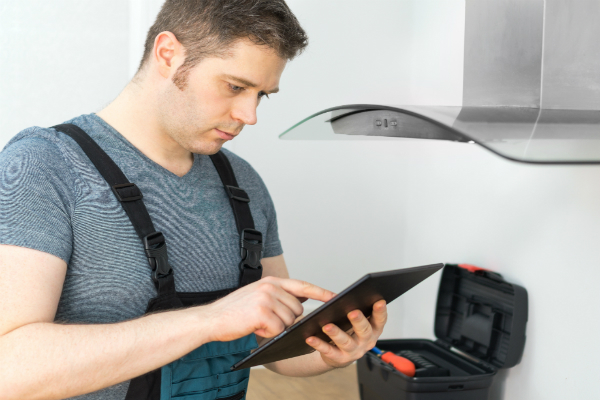
When your air conditioning system breaks down, acting fast can keep you safe and help prevent more damage, especially during the summer heat. The first step is to stay calm and review the situation to determine if you need emergency HVAC repair. Assess whether the breakdown constitutes a true emergency. If the weather is extremely hot or cold, or if there are vulnerable individuals such as children, elderly adults, or pets in your home, it is wise to act right away. If the issue is minor, like a simple clogged filter, it may be safe to wait until morning for air conditioning repairs. Always prioritize safety and comfort.
- Turn off power to your AC unit.
- Check for airflow obstructions and clean or replace filters.
- Contain leaks with towels or buckets.
- Shut blinds and curtains to reduce heat or cold.
- Assess the severity and if emergency repair is needed.
- Prioritize safety and health for everyone in your home.
- Document the situation for your technician.
Turn Off Power
Cutting its power is the first thing to do in an emergency HVAC repair situation. Go to your electrical panel, locate the breaker labeled for your HVAC system, and flip it off. This action prevents electricity from running through it, which can avert electrical and mechanical damage, decrease its risk of fire, and shield anyone laboring around the unit. Ensure everyone in the house knows the system is off to prevent misunderstandings or accidents. If you smell burnt odors or see sparks, evacuate and wait for an ac technician. Write down or take some pictures of what you observe for the repair crew, as it can accelerate diagnosis.
Check Airflow
Begin by inspecting all vents and registers, as sometimes a rogue box, curtain, or even a piece of furniture can prevent air from circulating, leading to an air conditioning problem. First and foremost, check your air filter, if it is clogged or dirty, exchange it. A clean filter can help the system work better and potentially resolve the issue. Pay attention to strange sounds or low airflow from vents, which can indicate clogged ducts or a larger HVAC issue. If airflow remains poor, report these specifics to your technician, including any changes after cleaning or rearranging obstructions, so that emergency HVAC repair can be more targeted and effective.
Contain Leaks
A leaking AC can lead to significant water damage and mold growth, creating a true air conditioning emergency. To mitigate this, place towels or buckets beneath the unit to capture drippings. If possible, identify the source of the leak and where water is pooling, especially around outlets or cords. This action keeps your home safe and dry while assisting your HVAC technician in pinpointing where to start the emergency HVAC repair. If the leak is severe, make that call immediately, especially during the Virginia summer heat.
How To Prevent Emergencies
Staying ahead of AC emergencies is all about good preparation and proactive habits. A well-maintained HVAC system is less likely to experience a complete system failure when you need it most. Preventative maintenance is a technical and practical undertaking. The tips below help maintain the stability of your system and reduce the chance of unexpected HVAC issues.
Consistent System Upkeep
- Establish a maintenance schedule. Proactively audit your system at regular intervals, not only when issues arise. Schedule appointments with Mark every six months or as recommended by your HVAC provider.
- Think about the season in advance. Get a check-up before the hottest and coldest months. This protects against failures when the need is greatest and assists in detecting problems early.
- Maintain a log of every service call. Record what was inspected, what was repaired, and when. This history can assist technicians in identifying patterns and making smarter repair decisions.
- Just employ licensed HVAC professionals. They know what to watch out for and can detect latent issues. Their inspections and fixes maintain your guarantee and protect operation.
Filter Replacement
Changing your air filter is simple, yet it’s easy to forget. Neglected filters can lead to an air conditioning emergency by restricting airflow, straining the blower motor, and reducing indoor air quality. To avoid emergency HVAC repair, change filters every 1 to 3 months, especially if you have pets or excessive dust. Set reminders in your phone or planner to establish a routine. Opt for filters with a proven track record, as good filters catch fine particles and prolong the life of your HVAC system. Regularly checking filters, particularly during periods of heavy use, ensures your AC runs efficiently and minimizes the risk of breakdowns.
System Awareness
Know what your HVAC system sounds like and how it cycles normally. Unusual noises, odd smells, or weak airflow can signal potential air conditioning problems. Little issues, like a noisy fan or slow cooling, often indicate larger HVAC failures are afoot. Additionally, monitor your energy bills, an unexpected spike can suggest refrigerant leaks, clogged coils, or dying components. Educate everyone in your household on the fundamentals, including how to reset the thermostat and when to call for emergency HVAC repair, as this knowledge can prevent minor flitches from escalating into true emergencies.
Final Remarks
AC problems always seem to happen at the worst times. Some issues, like leaks or burning smells, demand fast attention from Superior Mechanical Services, while others, like weak airflow, can often wait until regular business hours. Always consider your household’s specific needs. A hot night can be tough on kids, pets, or anyone sensitive to heat.
Waiting might save a little in the short term, but it can lead to larger repair bills down the line. Simple actions, like shutting off the system, clearing the area, and scheduling timely maintenance with Superior Mechanical Services, go a long way toward preventing emergencies.
To stay cool and safe, know the warning signs, act quickly, and trust your instincts. For more HVAC tips or expert help, reach out to Superior Mechanical Services, we’re always ready to help keep your home comfortable year-round.
Frequently Asked Questions
1. When Should I Call For Emergency AC Service?
Call for emergency HVAC repair if your unit goes out during the Virginia summer heat, or if there are burning smells, noise, electrical surges, or leaks that might cause property damage or health issues.
2. What AC Problems Can Wait Until Morning?
Small things like diminished cooling, odd noises, or a dirty filter can typically wait until regular business hours unless it escalates to an emergency HVAC repair situation.
3. What Signs Mean My AC Issue Is Urgent?
Contact emergency HVAC repair immediately if you experience no cool air during the dangerous summer heat or notice electrical sparks, smoke, burning smells, or water leaking near electrical components.
4. Is It Dangerous To Wait For AC Repairs?
Waiting can be perilous in extreme heat or during an HVAC emergency, as it can drive up repair costs if the air conditioning problem deteriorates.
5. How Can I Stay Safe While Waiting For AC Repair?
Drink lots of water, turn on fans, and open windows to let in fresh air. If you encounter an air conditioning emergency due to unsafe indoor temperatures, relocate to a cooler area.
Stay Comfortable Year-Round With Expert Emergency HVAC Services From Superior Mechanical Services
When your heating or cooling system fails without warning, every minute counts. Superior Mechanical Services, Inc. delivers fast, reliable emergency HVAC repair and replacement to restore comfort and safety to your home or business.
Since 1948, customers have trusted us for professional, responsive, and long-lasting HVAC solutions. Whether your furnace stops on a cold night or your AC breaks during a heatwave, our certified technicians arrive quickly, diagnose the issue accurately, and get your system running again with precision and care.
Prompt emergency service not only restores comfort fast but also prevents costly damage and energy waste. We’re available when you need us most, using advanced diagnostics and genuine replacement parts to ensure your HVAC system performs at its best.
Call Superior Mechanical Services today for 24/7 emergency HVAC service. With more than 70 years of experience and a reputation built on trust, we’re the Bay Area’s go-to team for dependable, professional climate control, any time, day or night.
Disclaimer:
The information provided in this article is for general educational purposes only and should not be considered as professional advice for any specific HVAC system or situation. Always consult with a licensed HVAC professional, such as Superior Mechanical Services, to assess your equipment and determine the maintenance plan best suited to your needs. Superior Mechanical Services is not responsible for any damages or issues resulting from actions taken based on this content without proper professional guidance.