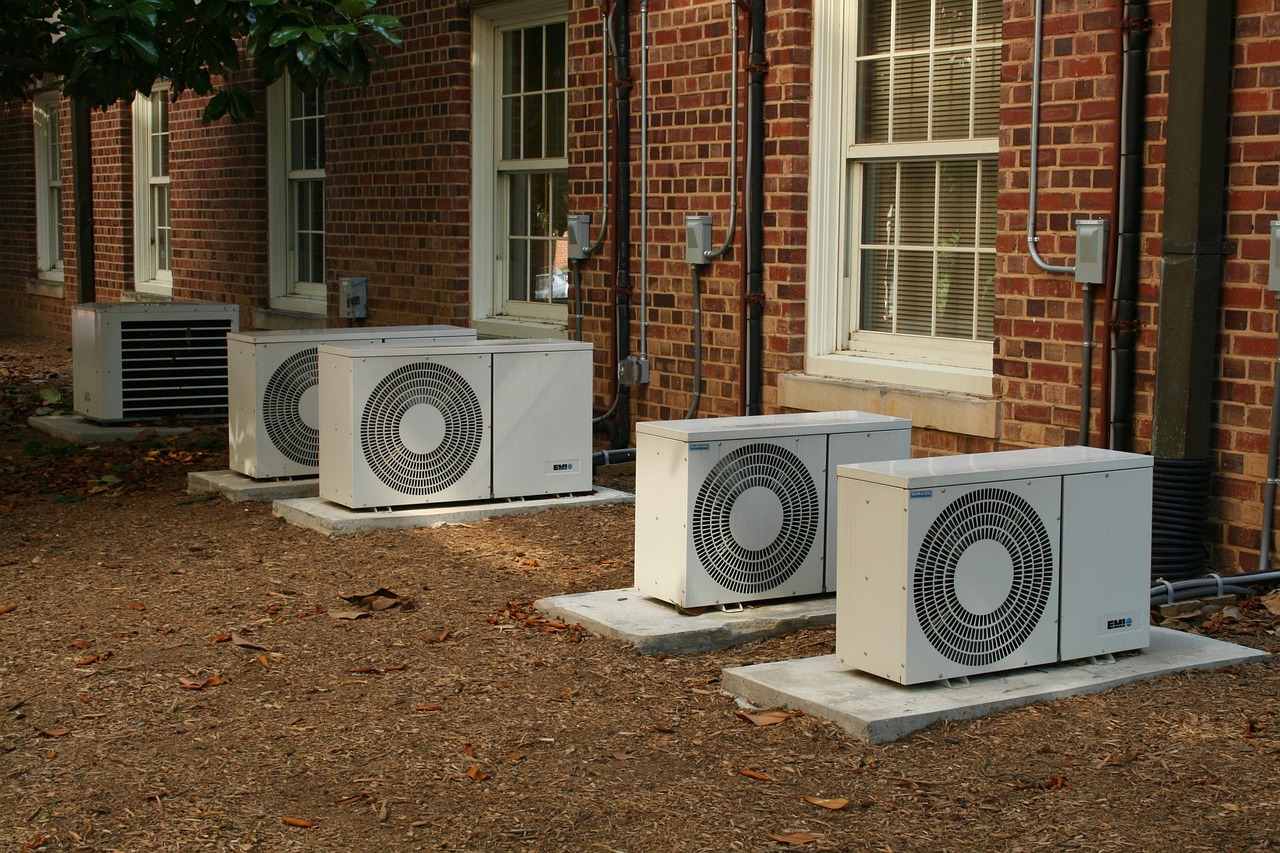
What To Expect During A Commercial HVAC Installation
When you inquire about what to expect during a commercial HVAC installation, you receive a defined schedule, visits to your site, and detailed work stages that correspond with your specific requirements and operating hours. There’s the whole crew delivering equipment, testing out legacy systems, and installing new units with safety at the forefront. You hear tool noise, but most work gets scheduled to minimize stress for your employees or customers. You receive updates from installers, so you understand what’s coming next and why. Following that, you observe tests being conducted to ensure proper airflow, vent function, and temperature regulation. You get a clean-up and a final walk-through before hand-off. The original post explains what components of the experience are most important to you and prepares you in advance.
Key Takeaways
- Evaluate your business and building needs prior to undertaking a commercial HVAC installation so you know that the system is tailored to your needs.
- Consult with experienced contractors to engineer, schedule, and implement a tailored HVAC system that is energy efficient and high-performance.
- Create a definitive project schedule, align expectations with stakeholders, and track your progress to avoid delays or unexpected disruptions.
- Site preparation, logistics, and safety measures can all contribute to a seamless installation process as well as remain compliant with regulations.
- Be aware of the project cost spectrum from equipment to labor to operational costs, and take a look at financing or rebates for efficient systems.
- Create a post-installation partnership with your HVAC contractor for ongoing maintenance and support to get the most out of your system.
The Strategic Blueprint
What makes a strategic blueprint different is that it is a transparent plan constructed from hard data, vendor quotes, and prioritized needs. It directs each phase of your commercial HVAC construction for more seamless, intelligent results. With this type of blueprint, you can identify platform blind spots, align your requirements with market fundamentals, and stay budget-conscious. Digital tools now map these blueprints, making planning crisper and more precise for your commercial HVAC system.
Business Assessment
Begin by examining your current HVAC system. Search out areas where heating or cooling underperforms or wastes energy. Determine whether certain rooms run too hot or if circulation is poor in high-traffic spaces.
Then, sync the system’s volume with your building’s occupancy. Full of people, meeting rooms require more cooling, less storage. Estimate occupancy during work hours and consider seasonal variations as well.
Trace your energy costs. Benchmark your HVAC power usage against peers. This can identify opportunities where improvements could reduce expenses and compress your energy footprint.
Bring in the key players—maintenance, facilities, finance, and end users. Inquire which comfort or control problems are most important. Their input keeps your HVAC strategy rooted in practical necessity.
System Design
Good design combines ductwork layouts, right-sized units, and intelligent controls. Design air flows so all spaces receive appropriate heating/cooling. Select modules to fit your sqm and utilization.
Validate your design against local building codes and regulations, as well as global standards such as ASHRAE Standard 62. Keep in mind– codes evolve, particularly for energy and air quality.
Include new tech if possible—like sensors that modulate air flow, or automation that monitors system health. These tools accelerate the workflow and simplify system inspections.
Fresh air counts. Design for good ventilation, and filters that keep indoor air clean and safe. Design for simple maintenance, so filters and components are easy to access.
Project Timeline
Map out all of the stages, from location inspections to trial runs. Mark when each task should begin and end, and highlight critical milestones such as your delivery dates.
Deadlines that served real-world supply chains. Sometimes, staged work or late-night shifts have business humming along while deploying the new system.
Communicate your schedule to everyone on board—contractors, vendors, employees. Transparent updates enable everyone to strategize their work and prevent surprises.
Follow your progress with weekly check-ins. If delays pop up, address them quickly to keep the project on track.
The Commercial HVAC Installation Process
A commercial HVAC installation is a multi-step endeavor that requires detailed planning and exactitude. Every phase requires expert labor, tight collaboration, and transparent communication. Before work begins, load calculations and an energy analysis help set expectations. Your business type, the size of your building, and even your climate play a role in choosing the right system. If your building has a BAS, plan for integration from the outset.
Key steps in the installation process:
- Load calculations and system selection
- Site preparation and permit checks
- Old system decommissioning
- New equipment delivery and placement
- System integration and controls setup
- Initial testing and adjustments
- Final commissioning and training
- Handover with warranty and maintenance plans
1. Site Preparation
The initial step in the commercial HVAC installation process is to make room for your new HVAC system. Be sure to move equipment, clear paths, and provide easy access for your crew. Confirm that all the appropriate permits are obtained — this prevents project delays and legal complications. Next, examine your existing configuration—does the ductwork require replacement? Older buildings usually do. Consider local utility necessities like power shutoffs or water to prevent last-minute mix-ups that can bog down the job.
2. Old System Decommissioning
Decommissioning the old HVAC system involves more than just removing hardware; it requires careful attention to safety and environmental regulations. Following this, a thorough inspection of the ductwork is essential to patch leaks and replace faulty components, ensuring optimal performance for the new HVAC equipment. Document your actions for compliance and your records, and address any structural issues before the installation of the new HVAC system.
3. New Equipment Placement
Installing new HVAC units involves more than just finding room; it’s crucial to consider the optimal placement for energy consumption and air circulation. In commercial buildings, particularly multi-tenant spaces, the efficiency of the HVAC system can significantly impact indoor air quality. Technicians must ensure that refrigerant flow is correct and that all wiring aligns with your building plans and specs. Before you leave, confirm that everything is functioning properly.
4. Core System Integration
Your new commercial HVAC system must cooperate with your building controls. Technicians connect the HVAC to your BAS, if available. Each component, including fans, sensors, thermostats, and dampers, is tested to detect any strange actions. If anything is off, now is the time to repair it. The entire HVAC installation process is logged so that future techs are aware of what was done.
5. Final Commissioning
Final checks ensure everything works as planned, which involves operating the commercial HVAC system, adjusting settings, and ensuring airflow corresponds to your building’s layout. Your staff receives a walk-through on the new controls and how to identify problems. You receive all warranty and maintenance information. If you have your filters changed, coils cleaned, and small repairs done early, you can reasonably expect your HVAC system to operate efficiently for 15–20 years.
Understanding Project Costs
Knowing what a commercial HVAC installation really costs is important for your business planning. Your budget should consider more than the unit’s price tag. A complete cost analysis includes considering equipment, manpower, logistics, and sustainable value. Remember to include upfront costs such as permits, potential overtime, and leave room for the unforeseen.
Main Cost Categories to Plan For:
- Equipment and materials
- Installation labor
- Permits and compliance fees
- Transportation and onsite logistics
- Project management and coordination
- Contingency reserve (at least 10-15% of total)
- Maintenance and future repairs
Equipment Investment
| Brand/Model | Typical Cost (USD) | Energy Rating | Expected Lifespan (years) |
| Brand A – Basic | $5,000 | A | 10 |
| Brand B – Midline | $8,000 | A+ | 15 |
| Brand C – Premium | $12,000 | A++ | 20 |
When comparing commercial HVAC systems, it’s essential to evaluate both the price and features. Energy-Efficient models can translate into smaller monthly bills, and while they may have a higher upfront cost, local programs often provide rebates or incentives to help mitigate this. If your outdated system or antiquated refrigerants are over 15 years old, upgrading to a modern HVAC system now could save you money in the long run. Consider the total cost over the system’s lifetime.
Labor And Logistics
Labor costs vary based on the difficulty of the work. If your building has tight spaces, high ceilings, or work has to be done overnight, anticipate the price to increase. Expert technicians may cost more, but their expertise can translate into less hassle later.
Logistics are important. Moving equipment onsite, storage, and when you take each step, all increase the cost. Schedule in advance to minimize business downtime. Go with contractors that have commercial HVAC experience; they can help you avoid delays or code issues.
Long-Term Value
| Scenario | Payback Period (years) | Estimated Annual Savings (USD) |
| Standard Replacement | 7 | $1,500 |
| High-Efficiency Upgrade | 4 | $2,500 |
Upgrading to a modern HVAC system can lead to significant energy savings and reduced repair costs. Regular maintenance of the commercial HVAC system ensures smooth operation, extending the life of your investment. Additionally, clean air from an efficient HVAC system can enhance employee health and productivity, making the initial costs worthwhile.
Minimizing Business Disruption
Commercial HVAC installation can disrupt your business day if not scheduled properly. Employing an experienced contractor and utilizing professional HVAC solutions, thoughtful scheduling, clear communication, and safety planning ensures your commercial HVAC system installation keeps you on time and minimizes downtime.
Operational Planning
Begin with a to-do list. Detail each phase of the install and its impact on your operations. Identify which rooms or floors require special attention, such as server rooms. Identify these as priority areas. Then, choose the prime time for work—off-hours, weekends, or even holiday work for most companies. If you own a business that’s busy seasonally, schedule this work for your downtime or phase it.
Make sure your employees are aware of the schedule and activity areas. This allows them to make plans, such as remote work or shifts. Have a contingency plan for unforeseen issues — equipment delays or weather, for example. A 10–15% budget reserved for these surprises can save you from expensive halts. If you’re able, sign a maintenance agreement before installation to aid in keeping things humming later.
Communication Protocol
Establish a direct communication path between your HVAC group and your own employees. Leverage email, group chats, or a shared project board so updates get to everyone fast. Either hold short meetings or send out regular notes to keep all departments/tenants/stakeholders in the loop about progress and changes. Designate one primary contact for inquiries or problems so there’s no ambiguity.
Maintain a straightforward log of all updates, schedules, and notes. It reduces your friction to review what’s decided. Good records assist with future projects.
Safety Measures
Safety brings your people and the work out of harm’s way. Before you launch, conduct a thorough site-sweep for hazards–trip hazards, blocked exits, or delicate equipment require particular attention. Let the HVAC guys and your crew know the drill: wear appropriate gear or stay on marked walkways.
Monitor the workspace during work. Verify noise and dust controls are functioning, such as barriers or after-hours noisy work. Review safety steps frequently to ensure compliance.
The Hidden Installation Factors
For all commercial HVAC installations, it’s a lot more than simply selecting a commercial HVAC system and installing it. Too many under-the-hood issues, such as the commercial building’s air quality requirements and future renovation plans, can make or break your project’s success. Proper maintenance and system sizing also require careful consideration to maximize your HVAC investment.
Structural Integrity
Your building needs to support the new HVAC systems without stress. Begin with a complete survey of floors, beams, and the roof to determine if they can support the load. Bigger rooftop units or heavy ductwork may require additional steel support or reinforcing vulnerabilities. Perhaps a structural engineer sometimes, particularly with older buildings or when units are larger than before.
The room surrounding the unit counts as well. Tight doorways, little turns, or impassable routes can hinder the work and increase expense. If installers can’t navigate through, you’re in store for delays or additional rigging charges. Measure all access points and map out pathways before installation. Consider the dimensions and weight of each component, not just the base unit.
Air Quality Impact
Airflow is among the most forgotten aspects of any install. Bad airflow is detrimental to indoor air quality, causing stuffy rooms or uneven comfort. Before you begin, observe how air circulates in each room and identify where it becomes stagnant or obstructed. Leverage this knowledge to help position vents and returns in optimal locations.
Installers can incorporate air purifiers, filters, and fresh air intakes. These bonuses assist in minimizing dust, allergens, and other particulates. After installation, conduct air quality testing to ensure compliance with health regulations. Disseminate simple advice to your employees/tenants on how to keep vents free and change filters.
Future Scalability
A good system will scale with your needs today and in the future. Design your HVAC with extra capacity or modular components so it can expand as your business expands. Modular units allow for quick swaps or upgrades without a full shutdown. Remember how many folks might occupy the space down the road, not just the here and now.
Discuss these possibilities with your contractor before labor commences. Request adaptable controls, such as smart thermostats, and design areas for new ductwork if necessary. Smart design today sidesteps hassles and stays affordable when you need to grow.
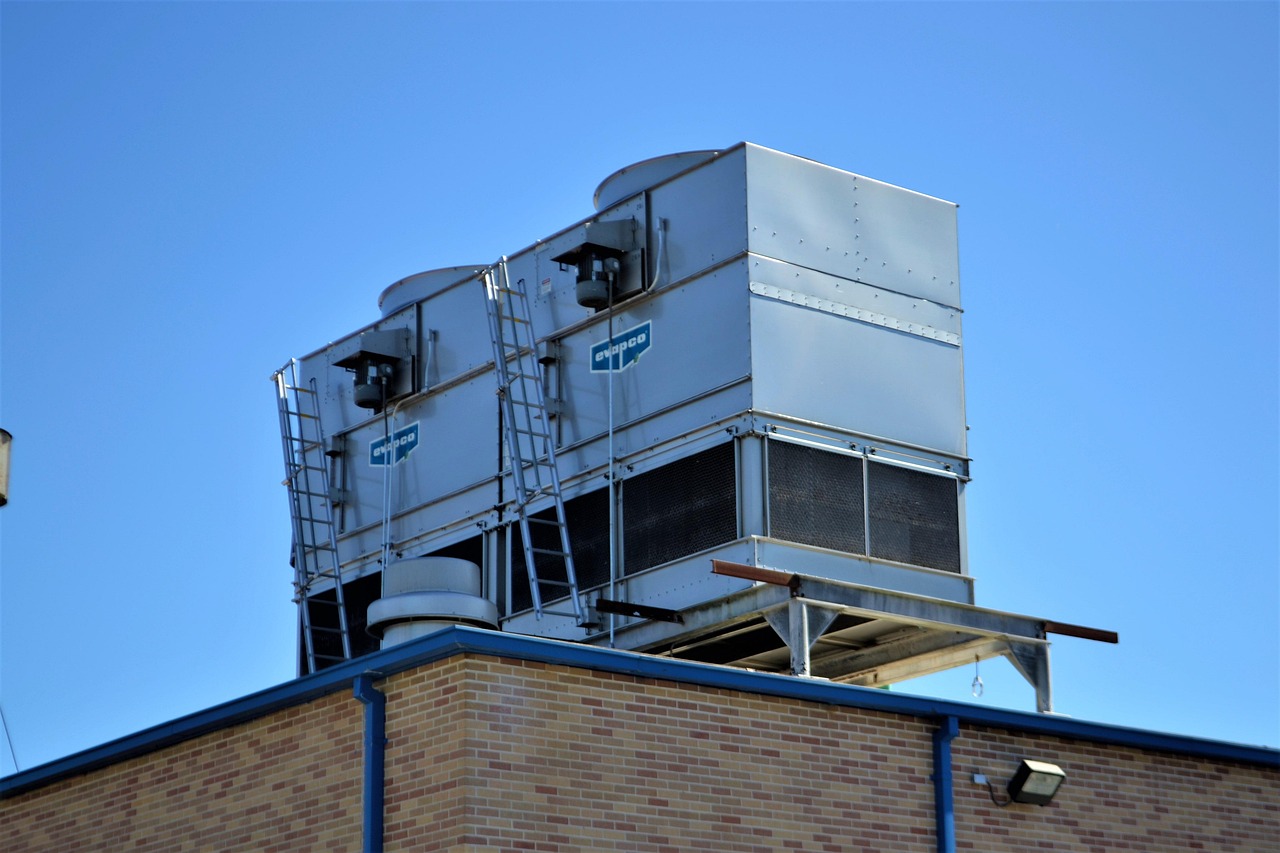
Your Post-Installation Partnership
A commercial HVAC installation is not the finish line. What follows is equally essential to your long-term comfort and savings. Once your system is up and running, you enter a partnership that keeps it running right — and helps you maximize your investment.
Implement a maintenance plan to keep your HVAC system running strong. A smart maintenance plan is essential to achieving your system’s full lifespan — typically 15 to 20 years. This equates to scheduling routine inspections of air filters, coils & moving components. A lot of facilities begin with a monthly maintenance schedule. For instance, in a hectic office or hospital setting, these monthly inspections assist in catching early wear or potential issues that could hinder the system’s performance. As you become familiar with your system, you can refine the plan. Lower-usage sites might transition to quarterly inspections, whereas others maintain a monthly cadence to mitigate vulnerabilities.
Perform routine inspections to catch issues before they become performance problems. Routine inspections find issues before they become big problems. If a fan motor begins to slow or a sensor drifts, you want to detect it before it causes a shutdown. These checks review things like refrigerant levels, electrical connections, and airflow. This helps the system last longer and keeps energy use low. With a solid maintenance plan, energy use can be reduced by as much as 30%, resulting in lower lifetime costs.
Be there for troubleshooting and repairs. Trustworthy service is about more than just scheduled inspections. Most HVAC partners have 24/7 emergency service. If your building requires being open around the clock, this is vital in preventing downtime. Troubleshooting resources — like guides or a help desk — allow your team to identify small issues and receive assistance quickly. This keeps the system humming and prevents costly, lengthy repairs.
Build a partnership with your HVAC contractor for upgrades. Your needs may evolve as your business grows or pivots. Regular tracking and feedback allow your installer to fine-tune the system or recommend enhancements. This partnership keeps you abreast of new technology and evolving standards for comfort and energy efficiency. It’s a continual process that ensures your HVAC suits your building’s needs, year after year.
Conclusion
You now understand what each step in a commercial HVAC install truly requires. Crews roll in with wrenches, deploy equipment, and switch shifts to keep your area operating. You receive defined expenses, defined schedules, and checks every day! You don’t lose work days, and they keep noise and dust to a minimum. You see what typically lurks in these gigs—aged ductwork, regulations, or climate can dampen the pace. Even after the final bolt is installed, you still receive assistance and attention. You know what to look out for and who to call if you need assistance. To get out in front, request a plan from your installer and check in frequently. Your next project will seem less risky and a lot more fluid.
Frequently Asked Questions
1. What Is The First Step In A Commercial HVAC Installation?
The commercial HVAC construction process starts with a detailed site assessment and planning. Experts evaluate your building’s needs to design an efficient HVAC system that fits your space, budget, and climate requirements.
2. How Long Does A Commercial HVAC Installation Take?
The majority of commercial HVAC construction projects require one to two weeks, with the timeline depending on your building size, system complexity, and any special requirements.
3. Will HVAC Installation Disrupt My Business Operations?
Installers employ meticulous scheduling and phased work to reduce disruption. A lot of companies can work outside their essential business hours to minimize downtime.
4. What Factors Can Affect The Total Cost Of Installation?
Prices for commercial HVAC construction vary based on system size, efficiency, building design, and any specialized elements required, making it best to obtain a tailored quote.
5. How Can I Prepare My Business For Installation Day?
Remove clutter from the work area and inform your employees of the maintenance schedule. This allows the commercial HVAC team to operate fast and safely, cutting down on delays.
6. What Ongoing Support Is Available After Installation?
You receive expert HVAC services and maintenance advice, including routine checkups and support to ensure your commercial HVAC system runs efficiently.
7. Are Commercial HVAC Systems Energy Efficient?
Contemporary commercial HVAC systems utilize the latest technology to reduce energy consumption and expenses. Selecting the right HVAC system for your business can increase comfort and save money.
Stay Warm And Worry-Free With Expert Boiler Service & Installation From Superior Mechanical Services
Is your boiler making banging or gurgling noises, leaving radiators cold, or failing to fire? Don’t wait for the chill to set in. Superior Mechanical Services, Inc. is ready with expert boiler service and installation that keeps your home comfortable and efficient.
Since 1948, families and businesses have trusted us for reliable, long-lasting solutions. Whether you need a fast repair, seasonal maintenance, or a high-efficiency boiler installed, our certified technicians deliver precision, professionalism, and clear communication.
Timely boiler service restores heat quickly, prevents costly breakdowns, lowers energy bills, and extends equipment life. When it’s time for a new system, we handle proper sizing, hydronic design, venting, and smart controls, then commission it the right way on day one.
Call today to schedule boiler service or request an installation estimate. With over 70 years of experience, Superior Mechanical Services provides fast, dependable, and affordable hydronic heating solutions. Reliable warmth starts here.
Disclaimer:
The information provided in this article is for general educational purposes only and should not be considered as professional advice for any specific HVAC system or situation. Always consult with a licensed HVAC professional, such as Superior Mechanical Services, to assess your equipment and determine the maintenance plan best suited to your needs. Superior Mechanical Services is not responsible for any damages or issues resulting from actions taken based on this content without proper professional guidance.