What’s the Best Mini Split System for Your Budget? Here’s How to Choose
Some of the main factors to look out for are the specific size of the unit, its energy efficiency rating (SEER), and installation requirements. Higher SEER ratings can lower energy bills over time, while proper sizing ensures consistent performance without wasting power.
Many systems offer premium add-ons such as smart controls or multi-zone capabilities, which can drive further convenience and comfort. In our buying guide below, we’ll walk you through how to select the best mini split system for your budget and needs. We’ll explain key facts that you should be aware of before you buy one.
Key Takeaways
- Mini split systems offer efficient, effective, ductless heating and cooling for your home. They’re ideal for homes that lack ductwork and provide flexible, targeted temperature control to the rooms you use most. These systems are made up of connected indoor and outdoor units that collaborate to deliver highly efficient climate control.
- Single-zone systems are cost-effective for individual rooms, while multi-zone systems offer flexibility and savings for larger homes with multiple areas needing separate temperature controls.
- Mini splits provide substantial energy efficiency rewards. Their inverter technology, impressive high SEER ratings and zoning capabilities work together to limit energy waste and keep your utility bills low.
- Correct sizing and installing the units properly are essential for achieving maximum efficiency and comfort. Consider the size, shape, and design of your rooms and your area’s climate to help you decide how much BTU capacity you’ll need for your space.
- Don’t just look at the short-term price of the system, factor in long-term savings, too. Initial costs might seem higher, but the upfront investment in energy efficient models is worth it over time. With the right installation, you’ll notice decreased energy bills and better overall value.
- Regular maintenance, such as cleaning filters and scheduling professional inspections, is essential for prolonging the system’s lifespan and maintaining air quality.
Who Should Consider a Mini Split?
As such, mini split systems are a great choice for any homeowners who are interested in more efficient, versatile heating and cooling solutions. They meet many different needs. This is particularly true for homeowners looking to improve comfort without negatively impacting energy usage and expenses.
These systems shine for long-term flexibility, durability and adaptability, providing greater peace of mind that these are a good, long-term choice for many.
Homes Without Existing Ductwork
Mini splits shine especially bright in homes that don’t have existing ductwork. Retrofitting older, inflexible homes with new ducts is costly and extremely invasive, frequently necessitating extensive and difficult remodeling.
Mini splits avoid this by providing a ductless installation, preventing the hassle and expense of extending existing ducts. For new builds or renovations such as turning garages or attics into livable areas, mini splits offer an elegant answer.
Their small footprint outdoor units and versatile all indoor installation options make them simple to install. You can install them in unique environments, like cargo trailers, with simple retrofits.
Unlike ducted systems, they stop energy loss—up to 25%—that plagues ductwork, especially in attics where temps can soar to 150°F.
Targeted Cooling and Heating Needs
For houses with different temperature requirements or a pattern of occupancy, mini splits excel. They enable zoning, so family members can set different temperatures in different rooms.
For example, it allows you to air condition a home office without wasting energy cooling a rarely-used spare bedroom. These systems can serve as a supplement to existing HVAC systems to provide year-round comfort to trouble spots such as sunrooms or finished basements.
Overcoming Space Limitations
In compact homes or medium-sized apartments, mini splits are space-saving superstars. Wall-mounted or ceiling-mounted units are compact, fitting close to the wall or ceiling without the need for extensive and space-consuming ductwork.
Beyond efficiency and comfort, design-conscious homeowners will appreciate the sleek and modern aesthetic options available. At Superior Mechanical Services, we help you find mini split systems that not only enhance your home’s comfort but also complement your interior design seamlessly.
Factors to Consider Before Buying
Choosing the right mini split system involves evaluating several key factors to ensure efficiency, comfort, and cost-effectiveness. Each factor contributes to customizing the system to best suit your needs, big or small. Proper evaluation is key.
Assess Your Cooling/Heating Needs
Begin with figuring out the needs for each space. Home offices, for example, may need regular cooling during working hours, while a guest room could only need cooling part-time at best.
Lifestyle is another important factor. If your household enjoys being together in the living room most evenings, focus on that particular setting to stay most comfortable.
Plan for expansion down the road too, like more residents moving in or rooms being converted, so you don’t outgrow your system. For instance, a family that’s recently heard the pitter patter of little feet might require additional room for new arrivals.
Customize the system to accommodate current and anticipated usage patterns, so that every space is inviting and comfortable 365 days a year.
Evaluate Room Size and Layout
Proper sizing is a big deal. Determine cooling capacity requirements by estimating cooling capacity with the rule of thumb of 20 BTUs per square foot.
For example, if you have a 400-square-foot room, then you need a unit that has an 8,000 BTU capacity. Room design plays a big role too—an open floor plan will push air more evenly than a smaller closed-off room.
Higher ceilings widely impact efficiency, as the greater amount of airspace means more power is needed to maintain a consistent temperature.
Consider Climate and Insulation
Climate is the predominant factor that determines which system is used where. A room in New Hampshire requires more heating capacity than the same size room in Florida due to colder winters.
Insulation is a big factor as well. Better insulated homes keep that heat in longer, so they need to use less energy.
Verify how brands perform in extreme temps. Cold-weather efficiency can vary drastically.
Understand Local Energy Costs
Check potential utility rates to calculate your expected operating costs. Higher-rated SEER energy-efficient models will save you money in the long run.
These models are often eligible for utility rebates or tax incentives.
What’s the Best Mini Split For Your Budget?
Selecting the right mini split system for your budget isn’t impossible, but it does take a careful plan of action. By prioritizing cost, upfront efficiency ratings, and essential features, you’ll be able to identify a mini split that meets your budget without compromising on long-term value.
Here are the most important steps to inform your mini-split buying decision.
1. Define Your Budget Range
On average, mini split systems cost between $1,500 and $8,000 depending on brand, capacity, and features. Installation costs can range from an additional $2,000 to $10,000, particularly in larger or more complex multi-zone installations.
Account for extra expenses such as upkeep—filters and tune-ups could cost $100–$300 per year. Rebates and tax credits, such as those offered by Mitsubishi Electric or LG, help ease the burden on your budget. Being realistic with your budget makes sure you don’t end up stretching yourself thin financially.
2. Determine Required Capacity (BTU)
Picking the right BTU rating is essential for efficiency. A typical 12,000 BTU unit will cool a space of around 500 – 600 square feet, and a larger 36,000 BTU system can handle about 1,000 -1,500 sq. Ft.
Climate is important, as well. A room in Florida should be able to get away with a lower BTU than one in New Hampshire. There are plenty of online calculators available to assist you in matching capacity to your space.
3. Research Energy Efficiency (SEER/EER)
Among other things, high SEER/EER ratings and traceable energy bills are huge draws. As an example, Mitsubishi Electric systems are designed to run efficiently down to 5°F.
In addition to freeing you of climate guilt, energy-efficient models will save you money in the long run.
4. Compare Features and Technologies
Keep an eye out for inverter technology, smart controls, and strong warranties. Choosing a system with a long warranty ensures reliability and peace of mind for years to come. Additionally, time-saving features such as remote scheduling further enhance convenience, allowing you to customize your comfort with ease.
Installation Considerations and Costs
If you’re thinking about installing a mini split system, knowing how mini split installation works and what it costs is key. Installation costs can be widely variable, depending on system size and complexity, as well as their location. Other scenarios, such as a bigger system needing several indoor units or systems needed in difficult-to-install locations, can add to the expense.
Installation usually includes costs for a number of activities. These could range from electrical work, plumbing and structural modifications, such as drilling a 3 1⁄2 inch hole in the wall for refrigerant and electrical lines. In some cases, installation costs will dash into the five-figure range. Financial incentives such as rebates and tax credits can go a long way toward alleviating that financial burden.
DIY vs. Professional Installation
It may be tempting to save money by installing a mini split yourself, but this is risky. Even with a DIY install you need to know specific things like how to handle refrigerant and electrical connections. Any errors may result in energy loss, water leakage, or catastrophic impairment to the system.
While we absolutely believe that these devices deserve widespread adoption, nothing can replace professional installation, which ensures safety and performance first and foremost. An experienced HVAC technician can work through complicated installations, minimizing the risk of problems that may lead to expensive repair costs down the line.
Permits and Local Regulations
Besides ensuring installation best practices, following local building codes is key. Many jurisdictions require installation permits ahead of final installation, and failure to comply with these may result in fines or even required removal of the installation.
Qualified professionals who understand the intricacies of local laws make this process easy, providing accountability, legal protection, and necessary certification.
Placement of Indoor and Outdoor Units
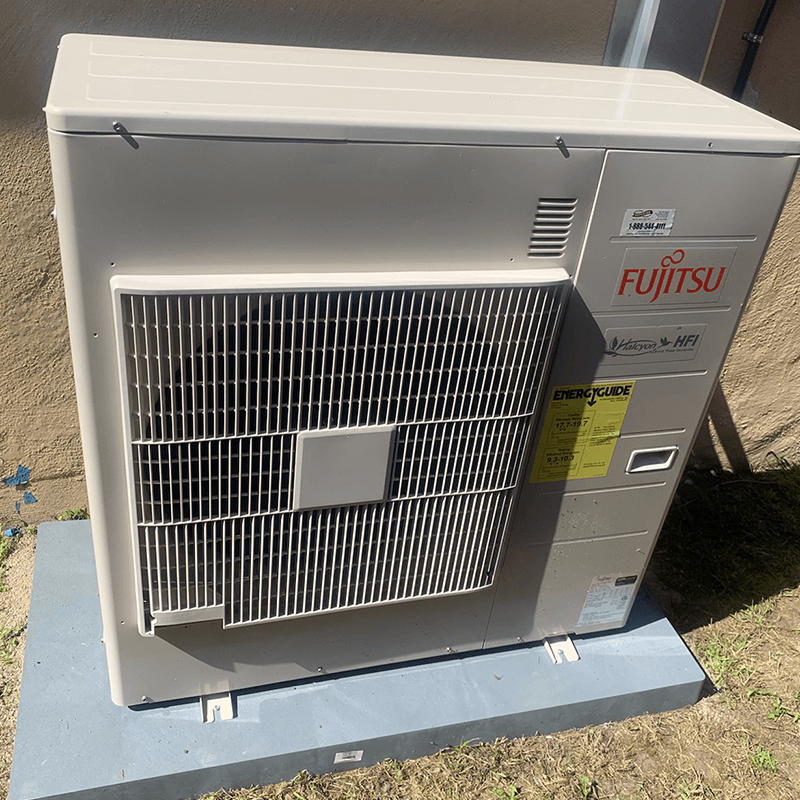
Strategic placement of the unit to maximize efficiency and airflow is essential. Indoor units should be sited to optimize cooling without being blocked. Outdoor units need to sit on firm, flat surfaces with good airflow, protected from blowing debris or direct heat exposure.
Both sites have to stay open to service the installations.
Electrical Requirements and Upgrades
Mini splits require consistent electricity. Properties without a 110- or 200-volt supply will require an upgrade, typically addressed by a local licensed electrician. Making sure there’s enough power avoids overloading circuits and helps ensure the system will last longer.
Potential Additional Costs
- Electrical upgrades
- Permits
- Maintenance
- Unexpected repairs

Mini Split Maintenance and Longevity
If you want your mini split system to last as long as possible, regular maintenance is key. Having a routine, proactive maintenance plan in place maximizes your unit’s performance, minimizes energy costs, and avoids sudden breakdowns. If you care for them rightly, most systems will function effectively for 15 -20 years, providing a dependable, long-lasting investment.
Regular Cleaning and Filter Replacement
Basic maintenance begins with regular cleaning. Here’s a quick checklist:
- Wipe down indoor units monthly to avoid dust buildup.
- Routinely replace or wash filters every month to three months, depending on how often the system is used.
- Inspect and clear outside units of debris such as rust or dirt.
Dirty filters release airborne contaminants back into your space and hinder airflow, which is an essential component of any system’s efficiency. Avoiding these maintenance tasks means your mini split will waste energy and have less cooling or heating capacity.
It can be as simple as your clogged filters making the system have to work harder and thus ultimately die much sooner.
Professional Servicing and Inspections
Scheduling biannual professional cleanings and inspections is strongly encouraged. Further, HVAC technicians can spot other issues, like refrigerant leaks or electrical problems, before they become serious. Proper servicing involves cleaning coils and running system diagnostics to ensure you’re getting the best performance possible out of your mini split.
These documented visits not only protect your warranty obligations, but serve as proof during any future service history investigations.
Extending System Lifespan
Taking action at the first sign of trouble, such as strange sounds or less airflow, stops more costly and complex repairs from occurring later. More durable high-quality systems that have SEER ratings of 16 or higher tend to provide higher durability levels.
Buying extended warranties, often covering compressors for 10 to 12 years, provides additional peace of mind.
Troubleshooting Common Issues
- Problem: Weak airflow. Solution: Check for clogged filters.
- Problem: Strange odors. Solution: Clean indoor units.
- Problem: System not cooling. Solution: Inspect outdoor unit for obstructions.
Understanding your warranty helps you handle repairs confidently.
Picking the Best Mini Split System: Reliability, Innovation, and Value
Selecting the best mini split system goes beyond cost considerations. You want a system that delivers reliability, energy efficiency, and advanced technology while ensuring long-term value. By evaluating system features, support options, and installation expertise, you can make an informed decision that suits your needs.
Trusted Performance and Reliability
A high-quality mini split system should provide consistent comfort, energy savings, and durability. At Superior Mechanical Services, we help homeowners and businesses select and install top-tier mini split systems designed to handle a variety of climates. Whether you need efficient heating in cold temperatures or reliable cooling in the summer, we ensure that your system is built for performance and longevity.
Warranty Coverage and Support
Investing in a system with strong warranty protection is essential. Superior Mechanical Services works with systems that offer comprehensive warranty coverage, ensuring peace of mind for years to come. Plus, our expert technicians provide ongoing maintenance and support, so you never have to worry about unexpected issues or breakdowns.
Smart Technology and Energy Efficiency
Modern mini split systems now come with advanced smart home integration, allowing you to control temperatures remotely, optimize energy use, and maximize comfort. Features such as Wi-Fi-enabled controls, automated scheduling, and energy tracking help homeowners stay in control while keeping utility costs low. Our team can help you choose a system with the latest innovations to enhance your home’s efficiency and convenience.
Price and Long-Term Value
Investing in a high-quality mini split system means lower energy bills, improved comfort, and long-lasting performance. At Superior Mechanical Services, we provide expert guidance, professional installation, and access to available rebates and incentives to help make your investment even more cost-effective.
Conclusion
Finding the best mini split system mostly depends on understanding your space, budget, and priorities. Every system has something special or different to offer.
Determine your priorities
First, identify the features that are most important to you, like energy efficiency, quiet operation or simple installation. A little time spent comparing brands and models will ensure that you get the best bang for your buck without skimping. Beyond saving energy and money, regular maintenance ensures comfort and system longevity.
Choosing the right system saves you money up front and adds to the comfort and energy savings of your investment. You should get a viable solution that goes beyond complicating your life with a bunch of bells and whistles you don’t need. When you’re ready to make an informed choice, shop from reputable brands and work with a licensed pro to install your new system. Investing in the right mini split system returns big dividends in comfort and peace of mind.
Frequently Asked Questions
1. What is a mini split system?
A mini split system is an efficient and flexible heating and cooling solution. It consists of a single outdoor compressor unit connected to one or more indoor “split” air-handling units. They are ductless, energy-efficient systems that are ideal for homes and buildings that can benefit from zoned temperature control.
2. Are mini split systems energy-efficient?
Are mini-splits energy efficient? Yes, they’re very highly energy-efficient. One of the biggest perks of mini splits is that they provide zoned cooling and heating, which helps minimize energy waste. Find the right efficiency rating Look for systems with the highest SEER ratings for maximum efficiency.
3. How much does it cost to install a mini split system?
Installation costs usually run between $2,000 and $8,000, depending on system size, number of zones needed and labor. Ask for bids from licensed, bonded, and insured contractors for the best price quote.
4. Who should consider using a mini split system?
Mini splits work best for homeowners who don’t have ductwork already installed, who are adding on to their house, or who want or need zoned climate control. They’re ideal to boost comfort in unconditioned spaces such as garages or basements.
5. What factors should I consider when buying a mini split system?
Consider your budget, size of the space to be cooled or heated, energy efficiency ratings, and how many zones you’ll need. Keep an eye out for brand reputation and warranty support.
6. How do you maintain a mini split system?
Maintain your mini-split system by cleaning or replacing the filters monthly, and ensuring that the outdoor unit is clear of debris, and having it professionally serviced annually. A clean mini-split system will serve you best in both efficiency and longevity.
Enhance Comfort With Trusted Mini-Split System Installation From Superior Mechanical Services
Is your home struggling to maintain a comfortable temperature year-round? For reliable and efficient climate control, trust Superior Mechanical Services, Inc. for expert mini-split system installation solutions. Since 1948, we have been the go-to experts for residential and commercial HVAC needs, including professional mini-split system installation.
Our certified technicians specialize in carefully installing state-of-the-art mini-split systems using advanced techniques to maximize performance and energy efficiency. From thorough assessments to precise installations, we work diligently to ensure your mini-split system provides consistent comfort and efficiency.
Don’t let an outdated or inefficient cooling and heating system compromise your comfort—contact us today for expert mini-split system installation. With over 70 years of experience, Superior Mechanical Services is dedicated to keeping your home or business comfortable and efficient all year long. Your satisfaction is our top priority!
________________________________________________________________________