Is Your Home Cooling All Over the Place? Mini Split Systems to the Rescue!
This important feature is designed to keep you from experiencing those annoying hot or cold spots. It raises your comfort and energy efficiency by cooling only the areas you frequent most. Compact and versatile, mini splits are ideal for homes with unique layouts, additions, or rooms that never seem to get the right airflow.
They’re a great choice for home retrofits, given their simpler installation process than conventional ducted systems. This makes them an intelligent choice when upgrading your home’s comfort. Below, we’ll dive into how mini split systems function and why you should consider one to address your space cooling needs.
Key Takeaways
- Mini split systems offer a flexible, energy-efficient, ductless option. Because they provide targeted temperature control, this makes mini split systems ideal for homes of any size and configuration.
- Mini splits differ from standard HVAC systems primarily because of their zoning feature. This allows you to keep varying room temperatures based on occupancy and need, greatly minimizing energy waste.
- These advanced systems help capture allergens, providing a noticeable improvement in air quality. Since they run much quieter than traditional HVAC systems, they will make your home feel even more inviting.
- Proper sizing, placement, and professional installation play key roles in maximizing the efficiency and performance of mini split systems.
- Mini splits integrate perfectly with smart home technology. They allow you to control your system remotely through mobile apps and program settings, giving you both convenience and energy savings.
- Routine care, like cleaning filters and checking the condensing unit outside, will keep your mini split going strong, making it more efficient and more effective.
What are Mini Split Systems?
Mini split systems are an efficient solution for cooling and heating that offer precise temperature control without the need for ductwork. Mini splits are different from conventional HVAC systems. Their small, adaptable, and tailored design ensure they fit into the layout, shape, and size of any home.
They are the most energy-efficient option, with heating efficiency that’s two to four times superior to furnaces or boilers. These systems shine at providing focused comfort, which limits energy loss prevalent in ducted systems.
Define Mini Split Systems
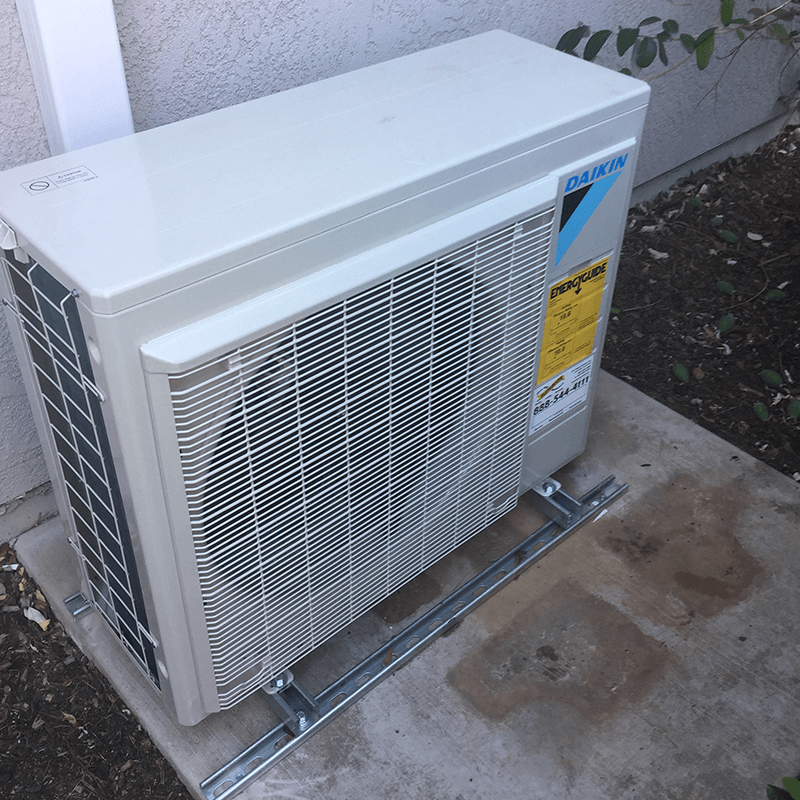
Mini split systems are made up of these ductless units that are engineered for heating and cooling localized zones of your home. Each system consists of at least one indoor air-handling unit and one outdoor compressor.
These parts function in unison to control a given room or zone’s temperature comfort level. By avoiding ductwork, mini splits remove the 20-30% energy loss that’s a hallmark of central forced-air systems.
Their small, unobtrusive design allows installation in areas where conventional systems simply cannot go. This takes in a range of applications from small apartments to room additions.
How Mini Splits Work
These conditions act through the heart of a mini split system, the compressor and evaporator. The refrigeration cycle begins with the compressor moving refrigerant. This process extracts heat from the air inside your home, so it cools down the space.
It can reverse to heat spaces when necessary. The quiet indoor and outdoor units communicate seamlessly to quickly keep you comfortable with just the temperature you want.
These systems can connect as many as four indoor units to a single outdoor unit, allowing for perfectly tailored comfort to your specific situation. They’re very quiet too, with indoor noise levels as low as 20 decibels.
Key Components Explained
Touted for their zoning capabilities and an average lifespan of about 20 years, mini splits have become especially popular in new homes. They are flexible and applicable in any number of applications, from residential to commercial.
They’re peaceful, energy-efficient, and wonderful in locations where ductwork just isn’t realistic.
Why Choose a Mini Split System?
Mini split systems offer a smart and efficient way to keep your home comfortable. Mini split systems deliver individualized temperature control from room to room, avoiding the discomfort of household battles over thermostat settings. This delivers not just energy savings, but enhanced air quality and quieter operation.
Let’s take a closer look at each of these benefits.
1. Achieve Zoned Cooling
Mini splits give you the ability to set the temperature you want in each particular room. For example, if one family member prefers a cooler bedroom while another wants a warmer living space, each unit can be adjusted accordingly. This advanced zoning feature lets the whole family stay perfectly comfortable while still catering to specific needs and comfort levels.
Improved energy efficiency zoning helps eliminate energy waste. You’ll only cool areas that are currently in use. In fact, according to Energy.gov, mini splits with a high SEER rating can cut your energy costs by 30%. These efficient systems beat out conventional ones by a wide margin.
2. Maximize Energy Efficiency
While traditional systems can experience 20-30% air loss through their ducted systems, mini splits don’t have this problem. Models with high HSPF ratings can heat homes during the winter months, even below freezing temperatures.
They do need some additional electrical work upfront such as running 220-volt lines, they more than make up for this in long-term energy savings.
3. Improve Air Quality
In addition, mini splits include air filters that help capture dust and allergens, enhancing your indoor air quality. Enjoying cleaner air will leave your family with fewer allergy symptoms and help them live a healthier life.
4. Reduce Operational Noise
Mini splits run as low as 20 decibels, which means you can enjoy a peaceful indoor environment. By comparison, conventional HVAC systems tend to be real peace destroyers with their racket.
Other Advantages of Mini Splits
Compared to other systems, mini splits provide simple, quick installation, the ability to design spaces more flexibly and lower long-term maintenance costs.
Sizing and Configuration Guide
Ensure that your mini split system is properly sized and configured. Whatever you do, making these moves from the start will greatly increase cooling performance and your comfort.
Doing so while taking into account your space’s specific needs means you won’t be placing your system in a position to underperform or overwork. Here’s a step-by-step guide to walk you through the process and ensure you make the right choices.
Calculate Cooling Load
To calculate the cooling load:
- Measure the room’s square footage (length x width).
- Multiply by 25 BTUs for a basic estimate.
- Add 20% if you have bad insulation or vaulted ceilings.
Considerations:
- Reduce by 10% for shaded spaces.
- Add the BTUs not only for yourself but add for each additional person (600 BTUs/person).
A 12,000 BTU unit is ideal for cooling a space from 500 to 600 sq. Conversely, a three-ton unit is most efficient for homes anywhere from 1,500 to 3,000 square feet.
WhatToCut.org Online calculators or working with a trained professional can give you the most accurate answers.
Choose the Right Unit Size
Convert your calculated cooling load into a correlated unit size to arrive at an appropriate match. Higher BTUs are a must for hot, humid climates.
A 24,000 BTU system would be more than efficient to cool or heat areas as large as 1,100 sq ft.
Determine Indoor Unit Placement
Install ceiling cassettes and wall hung units for effective airflow—high on walls, not blocked by cabinets or couches.
Units should not be installed near known heat sources or in direct sunlight to ensure adequate efficiency. Having these systems installed professionally ensures they’re well placed and their systems will last longer.
Mini Split Installation Explained
Thinking about a mini split system? A smooth installation experience starts with choosing the right installer. The quality of installation plays a big role in system performance and longevity.
Look for professionals with the right credentials and experience. It’s also helpful to check consumer reviews and ask for referrals to gauge the reliability of an installer.
Find a Qualified Installer
Installations can take anywhere from a day to a few days, depending on your setup. While the process is usually straightforward, there may be temporary noise or disruption during the work.
Be proactive—talk to your installer about any potential electrical requirements ahead of time.
Understand the Installation Process
Preparation
Before the day of installation, try to remove clutter or obstructions from where units are to be installed, including walls and exterior spaces. Mini splits are typically mounted at least six inches from the ceiling for best airflow, cooling the room efficiently and economically.
Because each unit only conditions one room or space, the central part of the planning process is determining where each will go. With older homes, definitely work with an HVAC specialist to help you figure out how to integrate these with existing systems such as radiator heaters.
Prepare Your Home for Installation
Mini splits do have an upfront cost—averaging $6,600 for a single-zone system—but do so with long-term savings. Because they have no ducts, they avoid up to 30% of air loss through leaky ductwork, making them even more energy efficient.
Cost Considerations and Savings
When evaluating whether mini split systems are a good fit, it’s important to think about both the initial costs and the potential for savings over time. While the investment may feel substantial at first, many people find that the benefits can balance things out in the long run.
Analyze Upfront Installation Costs
Mini split systems can come with a range of installation costs. Several factors influence the total price, including the needs of your space and the complexity of the setup. Although high-efficiency systems may require a larger upfront commitment, they often offer advantages in terms of overall performance and ongoing comfort.
Project Long-Term Energy Savings
Over time, efficient systems can lead to noticeable improvements in energy use. This can help create a more comfortable and cost-effective living environment, especially when combined with thoughtful planning and routine system care.
Explore Available Rebates/Incentives
There may be opportunities to offset some of the initial investment through various programs. These can vary depending on your location and provider, so it’s worthwhile to look into what might be available to you.

Cost Considerations and Savings
When evaluating whether mini split systems are a good fit, it’s important to think about both the initial costs and the potential for savings over time. While the investment may feel substantial at first, many people find that the benefits can balance things out in the long run.
Analyze Upfront Installation Costs
Mini split systems can come with a range of installation costs. Several factors influence the total price, including the needs of your space and the complexity of the setup. Although high-efficiency systems may require a larger upfront commitment, they often offer advantages in terms of overall performance and ongoing comfort.
Project Long-Term Energy Savings
Over time, efficient systems can lead to noticeable improvements in energy use. This can help create a more comfortable and cost-effective living environment, especially when combined with thoughtful planning and routine system care.
Explore Available Rebates/Incentives
There may be opportunities to offset some of the initial investment through various programs. These can vary depending on your location and provider, so it’s worthwhile to look into what might be available to you.
Smart Home Integration
Pairing a mini split system with smart home technology creates a more convenient and streamlined experience. When connected to a smart thermostat, it allows for easier temperature control and improved comfort throughout the day.
Connect to Smart Thermostats
Smart thermostats can be linked with various smart home platforms, allowing for voice commands and customized routines. Developers also have opportunities to create tailored solutions using advanced features.
Control via Mobile Apps
Thanks to mobile apps, mini splits are easy to manage. Smart home integration allows you to automate your schedules so they work with your daily routine!
Establish cooler temperatures during sleeping hours, and warmer settings during working hours. These automations increase comfort while adding to savings. Cut energy bills by 10-12% in the long run with regular use of programmable settings and thoughtful tuning to maximize savings.
Automate Cooling Schedules
Routine upkeep is essential to ensure that your system operates as efficiently as possible. Cleaning or replacing the filter and clearing any potential blockages to airflow are easy, preventative measures.
Taking these steps will help your mini split last longer. Most smart systems will automatically send you a reminder when maintenance is due, so you can take care of these important tasks with minimal effort.
Maintaining Your Mini Split System
Proper maintenance of your mini split system will ensure that it runs at peak efficiency, remains trustworthy, and serves you for many years to come. By keeping up with maintenance, you’re ensuring your home stays cool during the hottest months while saving money on energy bills and preventing costly breakdowns.
With a little proactiveness, you really can make sure that your home can be comfortable in all seasons.
Schedule Regular Check-Ups
Regular visits are important. When it comes to keeping your mini split in tiptop shape, routine check-ups are essential.
At-home maintenance is crucial. For mini splits, clean filters are key, affecting both indoor air quality and extending the life of your system. With each year that passes, dust, pollen, and allergens build up in the filters – especially in the spring and fall seasons.
These will need regular maintenance—cleaning or replacing filters every 3-6 months based on use.
Cleaning the Filter is a straightforward process. To clean your mini split filter, start by turning off the unit’s power. Take out the air filter, clean it by rinsing it in cool water with a little mild soap, allow it to dry completely, and put it back in.
For maintenance or replacement, refer to manufacturer’s specifications.
Inspect Outdoor Unit
In short, the outdoor unit is exposed to lots of debris, dirt, and weather elements, which can obstruct airflow and make the unit less efficient. Inspect the space around the unit often, making sure that there is a minimum of 2 feet of clearance on all sides.
Clear away leaves, grass, or other debris, and clean your condenser coil every 3-6 months to keep your unit running as efficiently as possible.
Check for any visible wear and tear and ensure refrigerant levels are within specs according to manufacturer guidelines to prevent inefficient cooling.
Keep a Maintenance Log
Keeping a record of maintenance tasks completed keeps you organized and makes sure that no maintenance task is forgotten.
Keep a log of check-up visits, filter replacements, coil cleanings, and overall inspections of electrical connections. Annual inspections of wiring and regular drain line cleaning with vinegar keep components in good working condition and mitigate safety concerns.
Conclusion
A mini split system can completely transform your home’s cooling and overall comfort. It delivers energy efficiency with smart technology that seamlessly integrates into today’s connected lifestyle, as well as precise comfort control. If you’re struggling with uneven cooling or need a better solution for a recent addition, mini split systems offer a simple, affordable, and permanent fix. This option retrofits your outdated system without the need for extensive renovations, giving you increased flexibility, efficiency, and a system that better meets your needs.
Maintaining your mini split is easy, and it integrates seamlessly with other smart home technology. If you’re looking to create a more comfortable home while saving money on energy bills, a mini split system is a great option. Superior Mechanical Services provides expert guidance and professional installation to ensure you get the best solution for your home and budget. It’s a choice you’ll feel great about.
Frequently Asked Questions
1. What is a mini split system?
What is a mini split system? That’s because it uniquely delivers precise heating and cooling to the exact spots in your home where you need it. It includes a smart indoor air-handling unit and a smart outdoor compressor that work together to provide energy-efficient, zoned comfort.
2. Why should I choose a mini split system?
Highly energy-efficient, easy to install, and providing precise temperature control in the rooms you use most, mini splits deliver comfort and savings like you wouldn’t believe. They’re great for homes that lack ductwork, or for improving comfort in targeted spaces.
3. Are mini split systems expensive to run?
Mini splits are one of the most energy-efficient home cooling systems on the market, saving you on utility payments. Most models are ENERGY STAR® certified, so they use less energy than conventional HVAC systems.
4. How do I know if a mini split is right for my home?
If you want to heat or cool specific zones, lack ductwork, or want better energy efficiency, a mini split may be ideal. Consult an HVAC professional to evaluate your home’s needs.
5. Can I install a mini split system myself?
We strongly recommend you have your system professionally installed to maximize setup, efficiency and warranty coverage. Poor installation can result in many performance and damage concerns.
6. How much does a mini split system cost?
Depending on the system size, number of zones, and installation complexity, costs can vary significantly. In general, a single-zone system ranges from $2,000–$5,000, with installation included.
7. How do I maintain a mini split system?
Change the filters monthly, keep debris away from outdoor units, and have a professional maintain them at least once a year. Through regular maintenance, you’ll get the most bang for your buck, maximizing efficiency and lifespan of the system.
Enhance Comfort With Trusted Mini-Split System Installation From Superior Mechanical Services
Is your home struggling to maintain a comfortable temperature year-round? For reliable and efficient climate control, trust Superior Mechanical Services, Inc. for expert mini-split system installation solutions. Since 1948, we have been the go-to experts for residential and commercial HVAC needs, including professional mini-split system installation.
Our certified technicians specialize in carefully installing state-of-the-art mini-split systems using advanced techniques to maximize performance and energy efficiency. From thorough assessments to precise installations, we work diligently to ensure your mini-split system provides consistent comfort and efficiency.
Don’t let an outdated or inefficient cooling and heating system compromise your comfort—contact us today for expert mini-split system installation. With over 70 years of experience, Superior Mechanical Services is dedicated to keeping your home or business comfortable and efficient all year long. Your satisfaction is our top priority!
________________________________________________________________________