What’s Included in a Commercial HVAC Maintenance Contract?
Key Takeaways
- Typically, a commercial HVAC maintenance contract will include scheduled services, parts and labor coverage, emergency responses, and comprehensive system coverage on all major equipment.
- Transparent record-keeping and key performance indicators monitor maintenance, energy efficiency, and regulatory compliance across jurisdictions.
- Compliance with environmental standards and regular energy audits can increase efficiency and help companies reduce their carbon footprint.
- Our transparent pricing models, combined with an awareness of hidden costs, help our clients properly budget and see the actual return on investment on regular maintenance.
- Tailoring contracts by building requirements, system complexity, and operating hours guarantees maintenance fits specific business needs.
- Selecting a service partner that provides demonstrated technical and business expertise and emphasizes communication and collaboration will help ensure the maintenance agreement delivers maximum value and reliability.
Typically, a commercial HVAC maintenance contract itemizes all the work and services a provider will perform on a business’s heating, cooling, and ventilation units. These usually include routine system inspections, air filter and coil cleaning, and safety checks. Most will include parts replacement, emergency support, and defined schedules for visits, either monthly, quarterly, or yearly. A few list what they don’t cover, like major repairs or system upgrades out of scope. Clear terms for pricing, warranties, and response times are typical. Additional offerings, such as duct cleaning or energy audits, could be available in certain contracts. Understanding what is in your contract can help business owners plan for their costs and system care. The rest of the post divides each section in detail.
Core Inclusions of Your HVAC Contract
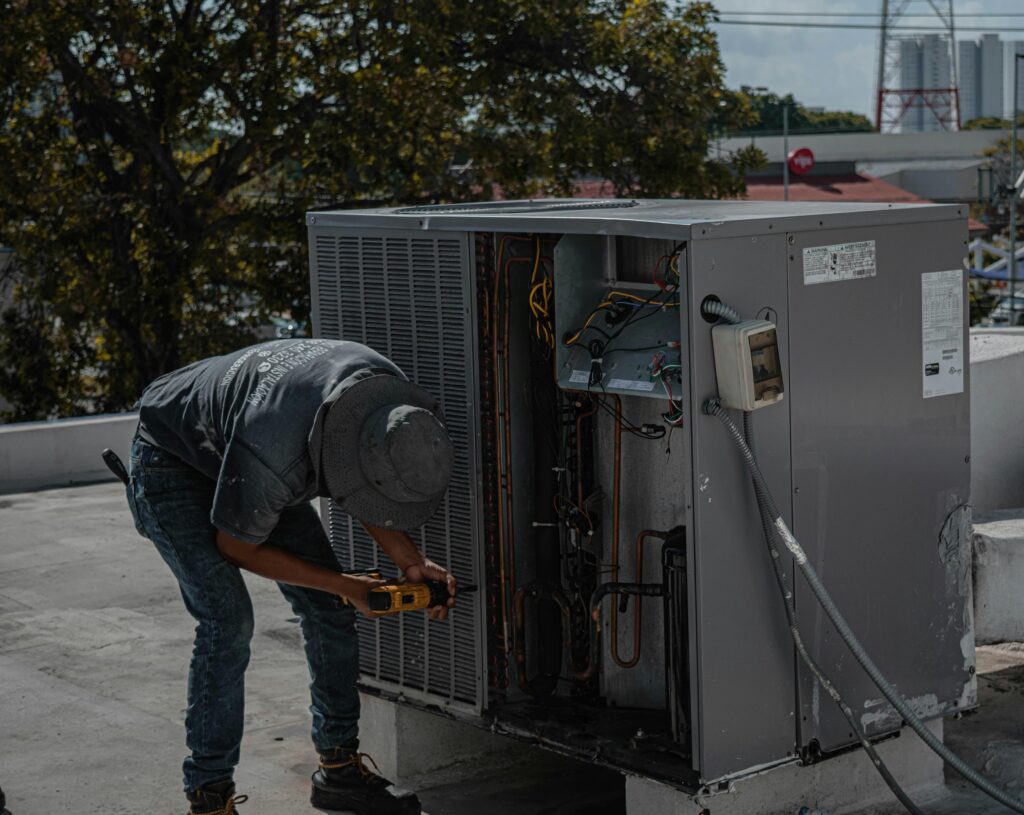
Your HVAC maintenance agreement should clearly define what is included and what isn’t to reduce misunderstandings. It covers the terms for scheduled maintenance, fixes, crisis assistance, and what components are covered under the commercial HVAC maintenance contract.
1. Scheduled Services
Regular check-ups keep commercial HVAC systems running well. Most commercial HVAC maintenance contracts guarantee a minimum of one or two visits per year, but this may vary based on system usage or local weather. Your HVAC maintenance agreement should specify exactly what is done during each visit, such as cleaning coils, inspecting filters, or testing controls. All work gets documented, allowing you to review accomplishments and anticipate future needs. Maintenance checklists and scheduled reminders prevent breakdowns and ensure your system is primed before busy seasons.
2. Parts and Labor
A strong HVAC maintenance contract itemizes what parts are covered and what aren’t, ensuring clarity on maintenance requirements. Certain agreements protect fundamental components, such as belts or filters, while others extend to compressors or circuit boards. Labor fees should be transparent, allowing you to understand whether you will be charged additional fees for repairs. Most HVAC maintenance agreements include warranties for new parts, ensuring that you’ll receive quality replacements that stand the test of time and facilitate efficient operations.
3. Emergency Response
Fast help matters when the system dies after hours, especially with commercial HVAC maintenance contracts that establish specific response times, often promising assistance in hours, not days. Most HVAC service plans include 24/7 emergency support, so you’re not stuck waiting. It’s savvy to see what sort of emergencies are covered, such as complete system failure, gas leaks, and loss of cooling, ensuring you know what is covered upfront and what may incur additional charges.
4. System Coverage
All your gear covered – Every HVAC maintenance agreement will list all the gear covered, whether that be air handlers, rooftop units, chillers, or boilers. Certain commercial HVAC maintenance contracts allow you to add coverage for additional equipment, such as refrigeration units. Exclusions should be straightforward, so no one is caught off guard when something isn’t covered. When you add new equipment, the contract describes how coverage rolls forward, making it easy to keep everything covered.
5. Documentation
Good records are key in any HVAC maintenance agreement. Contracts have the service company maintain logs of every visit, what was inspected, and what was repaired. This aids in identifying patterns or determining if something continues to fail. A concise recap of the contract’s guidelines and provisions clarifies the arrangement for all parties, ensuring you meet the maintenance requirements for safety and future planning.
Beyond the Standard Checklist
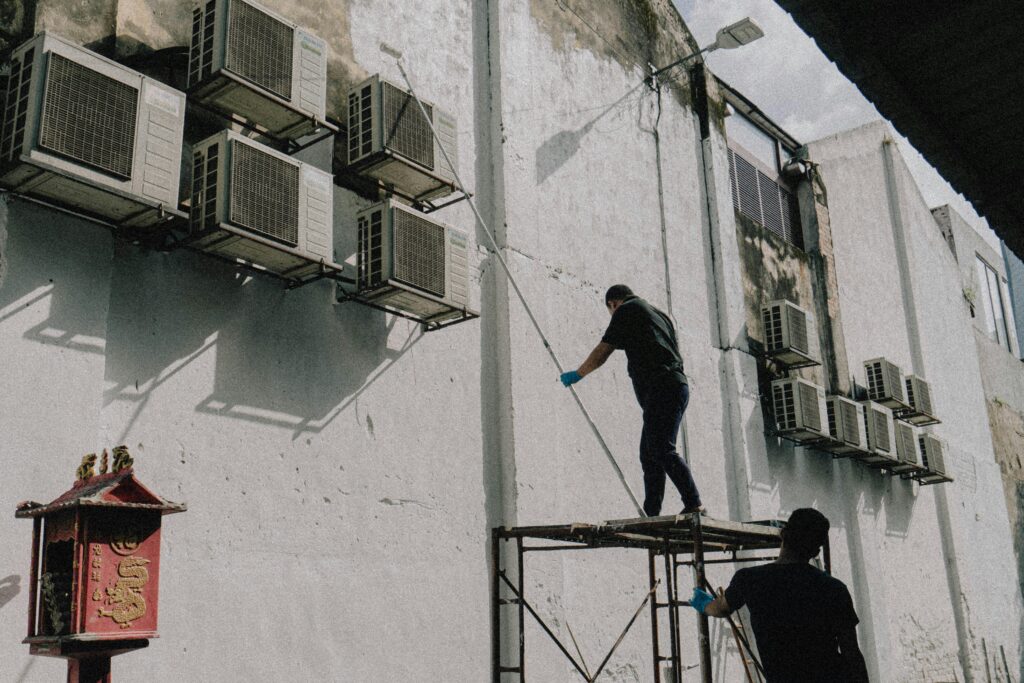
A commercial HVAC maintenance contract now encompasses more than just filter swaps and basic cleaning; it focuses on system health, compliance, efficiency, and long-term value. These commercial HVAC maintenance agreements include measures to monitor performance, comply with regulations, and identify savings, helping building owners maximize their investment.
Performance Metrics
Key performance indicators help measure a system’s effectiveness, including temperature stability, humidity regulation, and power consumption. Monitoring these figures allows you to detect patterns before they escalate into issues. For instance, increasing energy consumption over a few months can indicate that the HVAC system is straining or requires a tune-up, highlighting the importance of a good HVAC maintenance contract.
A commercial HVAC maintenance contract might include routine recording of system uptime, which monitors how long the HVAC unit is running trouble-free. If the system experiences constant breakdowns, it could signify underlying damage. With this information, facility managers can effectively schedule focused service visits and reduce downtime, ensuring reliable maintenance services.
Sophisticated tools, such as predictive maintenance software, simplify this process. They detect minor shifts in system behavior early, allowing repairs to occur before breakdowns. This proactive maintenance can extend an HVAC unit’s lifespan to 14 years or beyond, while neglect can reduce it to only 9.
Regulatory Compliance
HVAC must abide by local and federal regulations. Some contracts include checks for building code and safety law compliance. For example, ensure proper refrigerant handling and safe electrical setups. Missing these is how you get fined or into trouble with the law.
Routine audits examine environmental criteria, such as emissions and waste management. Every compliance step is logged, leaving records that shield building owners during audits. Service providers keep on top of any new legislation and modify maintenance schedules if required, reducing risk to customers.
Energy Audits
Energy audits, for example, are baked into a lot of contracts. They seek out opportunities to cut power bills and improve system efficiency. By inspecting every component of your HVAC system, from ductwork to thermostats, audits identify places where energy is escaping.
Audit findings frequently translate into actionable changes. For example, switching to smart thermostats can reduce utility bills by as much as 20 percent annually. The agreement might recommend new insulation, improved controls, or retrofits from audit results. Clients receive advice on smart energy habits, stretching savings even further.
Understanding the Financials
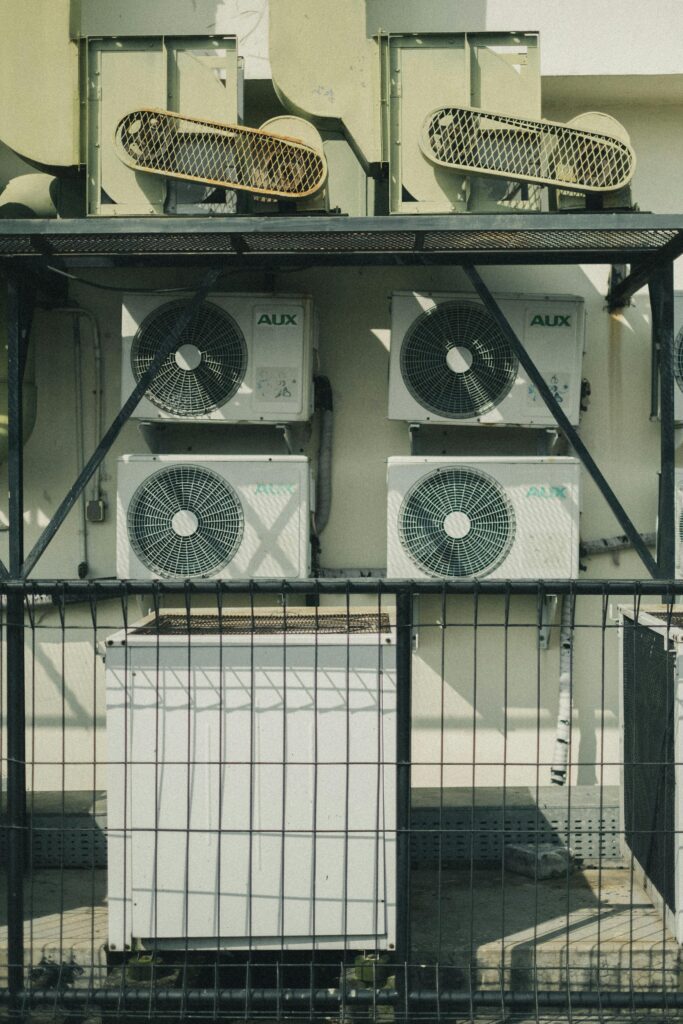
A commercial HVAC maintenance contract is an essential component of building management, as it ensures routine HVAC maintenance checks are conducted. Understanding fees, hidden fees, and long-term value can help businesses plan better and avoid surprises, making a strong HVAC maintenance contract vital for all scales and budgets.
Pricing Models
Flat-rate pricing provides you with a set fee for all planned visits and essential services. That can help companies rein in budgets, especially when routine tasks such as filter changes and basic checks are incorporated. Hourly rates can appear cheaper initially, but expenses accumulate quickly if a task runs long or there are numerous minor fixes. For big properties with intricate systems, flat rates tend to function better.
Some providers offer tiered pricing. Basic packages cover inspections and tune-ups, while premium plans include more repairs, parts, and emergency visits. Monthly or annual payment schedules are a budget-friendly option, especially for smaller businesses that want to reduce costs. For a discount on the total price over time, long-term contracts, which last two years or more, are common. With costs between $500 and over $200,000 a year, depending on system size, contract structure counts.
Hidden Costs
Not all expenses are apparent. Some contracts provide for merely routine maintenance. Clients might be surprised to find out there are additional charges for after-hours calls, emergency visits, or parts beyond the base contract. These can add up. For instance, replacing a worn-out belt or repairing a refrigerant leak might cost extra, particularly if the repair falls outside routine visits.
Reading contract terms carefully avoids surprises. A lot of customers miss travel fees, old part disposal fees, or upgrades such as the installation of programmable thermostats, which can reduce costs by 10 percent to 20 percent annually. Requesting a complete list of potential fees before signing assists in avoiding budget shocks later on. Financial clarity is important.
True ROI
Maintenance can be cheap in the long run. A properly maintained system has a lifespan of approximately 14 years, while a poorly tended unit can break down in as little as 9 years, resulting in costly surprise replacements. These preventative plans minimize the risk of major breakdowns by catching things like grime buildup or worn belts early.
When you compare costs, planned maintenance is typically less expensive than reactive repair and downtime. Energy bills fall with efficient equipment, particularly post-upgrades. One international retailer experienced a 15% reduction in energy costs after performing a maintenance overhaul. As the HVAC services market reaches $260 billion by 2033, smart contracts deliver value and peace of mind.

How to Customize Your Agreement
A commercial HVAC maintenance agreement is most effective when customized to the building and the business. By incorporating a strong HVAC maintenance contract tailored to the client’s specific needs, every detail can align with the building’s floor plan and the HVAC system. If you’re explicit about what is covered, you can skip misunderstandings and ensure the deal serves everyone’s interests. Items like a maintenance schedule, equipment list, work description, and straightforward payment terms build trust and keep the service humming.
Building Needs
For starters, consider the building’s size and purpose when establishing an HVAC maintenance agreement. A massive data center will require more frequent inspections of cooling systems, while an office space might need air quality monitored more closely. Each building presents unique challenges; for instance, a warehouse in a scorching region may necessitate additional measures to protect HVAC equipment from overheating. This is where a good HVAC maintenance contract comes into play, ensuring that maintenance tasks like cleaning coils, replacing filters, and thermostat checks are tailored to specific needs, especially if the building’s use changes.
System Complexity
Some retail spaces utilize simple HVAC systems, while others may require more sophisticated commercial HVAC maintenance contracts due to complicated, high-tech systems. Cutting-edge gear, like variable refrigerant flow (VRF) systems or smart controls, necessitates unique expertise and specific maintenance tasks. The HVAC maintenance agreement should specify each unit and detail what servicing is required, such as sensor calibration or software updates. Technicians should be well-trained and certified, ensuring that the HVAC service provider meets the higher level of care needed for these advanced systems.
Operational Hours
A building’s operation, including how and when it runs, influences the frequency and timing of essential maintenance services. For businesses operating 24/7, preventive HVAC service might be necessary during off-hours to prevent costly downtime. Some clients prefer early morning or late evening visits to minimize disruption to their operations. The HVAC maintenance agreement should clearly outline all hours when service is permitted and schedule it, possibly once every quarter or semi-annually, ensuring the system’s reliability and longevity.
Choosing the Right Service Partner
A solid service partner is essential to maintaining a commercial HVAC system, and selecting the right HVAC provider is like choosing a business partner. It requires attention and good reasoning. Commercial HVAC maintenance contracts should specify visit dates, termination dates, payment terms, and what happens if either party wants to bow out early. These contracts should last longer than a year with renewal options that will auto-renew unless written notice of cancellation is received. Try to set a reminder a few months before your contract ends to avoid gaps and support smooth handovers or renewals. E-signatures can simplify contract management.
Technical Expertise
Verify their technicians hold current certifications from well-known organizations, such as the North American Technician Excellence (NATE) or international equivalents. This demonstrates that they are taught and aware of the current standards. Continued education is critical because HVAC technology continues to evolve. Seek out service partners who train and refresh their teams on new systems and safety rules.
Experience with your system type counts. A tech ace with chillers may be stumped by heat pumps that he or she has never encountered. Inquire whether they have serviced your particular make or model. When they do, you need a service partner who can identify the root cause quickly and provide a remedy, not just a band-aid. Here’s where actual problem-solving talent differentiates itself.
Business Acumen
Service partners should understand commercial buildings. They need to know that HVAC downtime can halt operations and impact margins. They inquire about your hours, peak seasons, and special needs before recommending service packages. They need to be able to translate technical jargon into layman’s terms and discuss costs, risks, and benefits openly.
They need to understand that HVAC decisions go beyond comfort. They impact insurance, energy bills, and even employee morale. A partner who thinks strategically can work with you to plan for the future and manage your costs over time. Longer contracts typically lock in rates, which come in handy with rising labor costs.
Client Relationship
Deep connections create confidence, especially when it comes to HVAC maintenance agreements. Open talk helps solve problems quickly and keeps everyone smiling, ensuring that feedback—both praise and complaints—is welcomed. Scheduled check-ins, whether by call or email, are essential to maintaining a strong HVAC maintenance contract and keeping everyone on the same page.
Good partners, such as a reliable HVAC service provider, are not just emergency responders; they are accessible and responsive. When your business grows, having a proactive maintenance plan becomes crucial, as efficient processes significantly impact your operations.
Critical Contract Red Flags
For one, your commercial HVAC maintenance contract should be readable, transparent, and detailed. The ‘as-needed’ or ‘standard service’ in a contract is just a smoke screen hiding what is actually covered. This can cause missed inspections or jumping repairs. Identify any contract critical red flags, like spelling out the work, for example, ‘clean condenser coils every 3 months’ or ‘check refrigerant levels twice a year’. If it packs everything into a dense block of text or uses a small font, it could be attempting to conceal significant restrictions or obligations.
Too many exclusions need to be obvious, not buried in lists or ‘fine print’. For instance, if a contract states ‘all parts not included’ or ‘labor for major repairs excluded,’ this can leave you with big bills down the line. A good HVAC maintenance contract lists what is and isn’t covered in plain words. It should specify which HVAC systems are covered—make, model, and type—so there’s no question about what’s serviced. If you have three rooftop units and only one is named in the contract, you might not get complete coverage.
Ambiguous pricing is another warning sign. It should spell out how much you pay, when you pay, and what’s additional. If after-hours calls or emergency visits incur additional fees, these should be itemized with transparent pricing. Ambiguous provisions such as ‘market rate’ or ‘other charges may apply’ invite conflict. The billing schedule needs to be either monthly, quarterly, or yearly, and all potential fees need to be transparent. Critical contract red flags include being requested to pre-pay for services or the contract containing sneaky cancellation fees; these are danger signs.
Termination clauses must defend both parties. Your commercial HVAC maintenance agreement should specify how to terminate the agreement, what notice is required, and if there are any termination fees. Look out for agreements that are difficult to cancel or have steep penalties for early termination. Essential information, such as your address, contact, or equipment list, missing could make the contract difficult to enforce or navigate.
Conclusion
A good commercial HVAC maintenance contract defines clear work, reasonable rates, and transparent conditions. A good partner will spell out what they do, how often they check gear, and what it costs. Search for plans that fit your site, rather than a one-size-fits-all form. Look closely at the small print for sneaky charges or ambiguous promises to service. Our smart choice keeps your system steady, the air clean, and your costs in check. Know what you’re getting into and get your questions answered before you sign. To wring the most value from your contract, partner with a team that understands your requirements and talks straight. Need consistent air, easy invoices, and less stress? Begin with a contract that puts your business first.
Frequently Asked Questions
What is usually included in a commercial HVAC maintenance contract?
What’s included in a commercial HVAC maintenance contract? These maintenance services ensure your HVAC system runs efficiently and reliably year-round.
Are emergency repairs included in standard contracts?
Most commercial HVAC maintenance contracts don’t include emergency repairs; however, emergency services can be added at a discount. Always check your contract for details.
How often are maintenance visits scheduled?
Maintenance visits, often outlined in a good HVAC maintenance contract, are typically two to four times per year. The frequency of these visits depends on your system’s needs, type of equipment, and service agreements, ensuring routine preventive HVAC service to prevent expensive breakdowns.
Can a contract be customized for my building’s needs?
Yes, most HVAC service providers will customize a maintenance agreement. You can add services, change visit frequency, or include equipment upgrades to fit your unique building needs and budget.
What costs should I expect beyond the contract fee?
You might incur additional charges for major repairs, replacement parts, or emergency service calls not covered in your HVAC maintenance contract. Examine your contract closely to understand the included maintenance tasks.
How do I choose a reliable HVAC service partner?
Find licensed, seasoned commercial HVAC service providers with good reviews, clear prices, and demonstrated expertise in HVAC maintenance contracts.
What are common red flags in HVAC contracts?
That is, watch out for ambiguous conditions, hidden charges, unclear service language, and extended automatic renewal terms in your HVAC maintenance contracts. Always read the fine print and ask questions before you sign.
Cut Costs and Maximize ROI with Commercial HVAC Solutions from Superior Mechanical Services
When energy bills rise or comfort levels drop, your HVAC system might be costing your business more than you think. At Superior Mechanical Services, Inc., we help commercial property owners balance performance, efficiency, and long-term value with cost-effective HVAC installation, maintenance, and upgrades.
Since 1948, Bay Area businesses have trusted our team for reliable heating and cooling systems that deliver measurable returns. Whether you’re looking to modernize outdated equipment, reduce operating costs, or plan a new system for your facility, our certified technicians provide expert guidance and transparent pricing every step of the way.
A well-designed commercial HVAC system can significantly lower utility costs, improve employee comfort, and extend equipment lifespan. We specialize in energy-efficient solutions that enhance performance while boosting ROI through reduced maintenance needs and long-term savings.
Call today to schedule a consultation or request a cost and ROI analysis for your commercial HVAC system. With over 70 years of experience, Superior Mechanical Services helps businesses achieve dependable comfort, efficiency, and financial value year-round.