Commercial HVAC Financing Options for East Bay Businesses
Key Takeaways
- Explore a range of commercial HVAC financing options such as traditional bank loans, equipment financing, SBA loans, business lines of credit, and in-house financing to match your business needs.
- What are the benefits of leasing versus buying your HVAC systems, both upfront and long-term for your business?
- Capture local utility incentives, rebate programs, and federal tax credits that can reduce the total cost of HVAC installation and upgrades.
- Routine commercial HVAC maintenance in the East Bay from Ebbetts is your solution to avoid excessive operating costs.
- Putting off HVAC fixes or replacements only causes inflated energy bills, surprise interruptions, and lost rebates that impact business productivity and profitability.
- Build your business credit and keep your financial statements clean. Project quotes prepared will give you a better chance of snagging great HVAC financing.
Commercial HVAC financing for East Bay businesses implies various means to afford heating, cooling, and ventilation equipment without hefty initial payments. Banks, credit unions, and specialty lenders have loans, leases, and payment plans to help companies extend costs. Certain programs can include low-interest, flexible terms, or even energy-efficiency rebates. Options vary based on business size, credit, and equipment requirements. HVAC upgrades can reduce your energy bills and increase comfort for employees and customers, which makes for easier workdays and long-term savings. Selecting the best alternative takes some preparation and an honest examination of each plan’s terms. The following sections break down the primary types and what to watch out for in each.

Your Commercial HVAC Financing Options
Commercial HVAC financing assists companies with the significant upfront expenses for new HVAC systems, facilitating easier upgrades or replacements. Flexible financing solutions, long terms, and competitive rates help businesses preserve cash flow and invest in energy efficiency. Take a close look at each of these to choose the best option for your operational goals.
1. Traditional Bank Loans
Your commercial HVAC financing needs typically feature fixed rates, manageable monthly payments, and extended terms. Companies can utilize these loans to finance large-scale enhancements or swap out older air conditioning systems. Although the application processes can be taxing, as banks often demand robust credit histories and financial statements, comparing offers from different banks can help you secure better deals. These financing solutions are ideal for companies looking for long-term investments, especially those wanting to extend payments over a couple of years for their new HVAC system.
2. Equipment Financing
Equipment financing is specifically designed to acquire HVAC units, making it an attractive option for businesses with commercial HVAC financing needs. The equipment often serves as collateral, simplifying the approval process. With flexible financing solutions available, terms can range from one to ten years, and some lenders offer zero interest if the balance is paid off within a specified period, such as 12 or 18 months. Tax advantages may include interest or depreciation deductions, allowing businesses to save working capital for other purposes.
3. SBA Loans
SBA loans help businesses, including those in the HVAC industry, with competitive rates and extended repayment terms, even up to 120 months. These loans are available to many businesses but involve extensive paperwork and qualification requirements. With low interest rates, your monthly payments are manageable. SBA loans can be used for energy-efficient upgrades, supporting commercial HVAC financing needs and sustainability goals.
4. Business Lines of Credit
A business line of credit provides continuous access to money for necessary fixes or enhancements, particularly for unexpected HVAC services. Unlike lump-sum loans, you pay interest only on what you utilize, making it a flexible financing solution for managing your cash flow. This flexibility is especially useful for any surprise HVAC costs that may arise. Approval can be based on your credit score, so it’s important to keep your finances in good shape.
5. In-House Financing
Several HVAC companies, like Moore Mechanical, provide easy-to-apply in-house financing options tailored to meet commercial HVAC financing needs, either online or during an on-site estimate. Plans may feature zero-interest periods, low APRs, and personalized payment schedules. In-house financing can simplify the process since your HVAC service provider manages both installation and payment, enhancing customer satisfaction by facilitating easier and more affordable upgrades for small businesses.
Lease or Purchase?
Lease or purchase? For commercial HVAC financing needs, this decision impacts your business’s financial fitness and operational agility. Both options cater to different timelines and needs, influencing budgeting, asset management, and the ease of upgrading your HVAC systems.
Ownership
Owning your HVAC means you can control how it’s utilized, maintained, and updated. This control is crucial if you want to tailor the system to your unique operations or to support specific building needs. Ownership can appreciate the value in your property as well, since buyers want buildings with dependable, modern systems in place.
When you own, you have to deal with all the upkeep, repairs, and replacement expenses. These aren’t things you can do without dedicated resources and planning. The system becomes a business asset, which you might be able to depreciate on your balance sheet and get some tax benefits. You’ll need to keep the equipment until it’s no longer viable, potentially limiting your upgrade potential when new tech emerges.
Upfront Costs
Buying HVAC equipment is a bigger initial investment. The purchase price with installation often makes a big dent in your cash flow, particularly if you’re juggling multiple locations or large-scale systems. A few businesses employ loans or other financing options to amortize these expenses, which can alleviate the pressure on their operating budget.
Leasing tends to translate to less or no upfront costs. Lease payments are monthly and predictable and often can be matched to your revenue cycle, making budgeting simpler. Leasing is likely to be more expensive if you keep the system long after the original lease term, but it is a method to avoid capital tie-up.
Maintenance
Continual HVAC maintenance is crucial for efficiency and the lifespan of your air conditioning systems. When you own the equipment, it’s all on you for upkeep, which can add up. Some owners opt for maintenance contracts to keep things humming, but these are extra costs as well. Leases sometimes have maintenance included, helping you budget for regular HVAC services. Well-maintained systems save you money on energy and big repairs, whether you lease or purchase a new HVAC system.
Upgrades
Upgrading your HVAC system can lead to better energy efficiency and home comfort. If you own your system, budgeting for equipment upgrades or retrofits becomes essential, and you may require financing solutions to cover these costs. Leasing options can simplify upgrades, as lease terms typically span 3 to 5 years, enabling you to transition to newer, more efficient models as contracts expire. This flexibility is vital, especially if energy costs are a primary concern or if you want to remain compliant with shifting regulations. Flexible financing options can support you in upgrading old units or implementing a new HVAC system.
Uncover East Bay Rebates
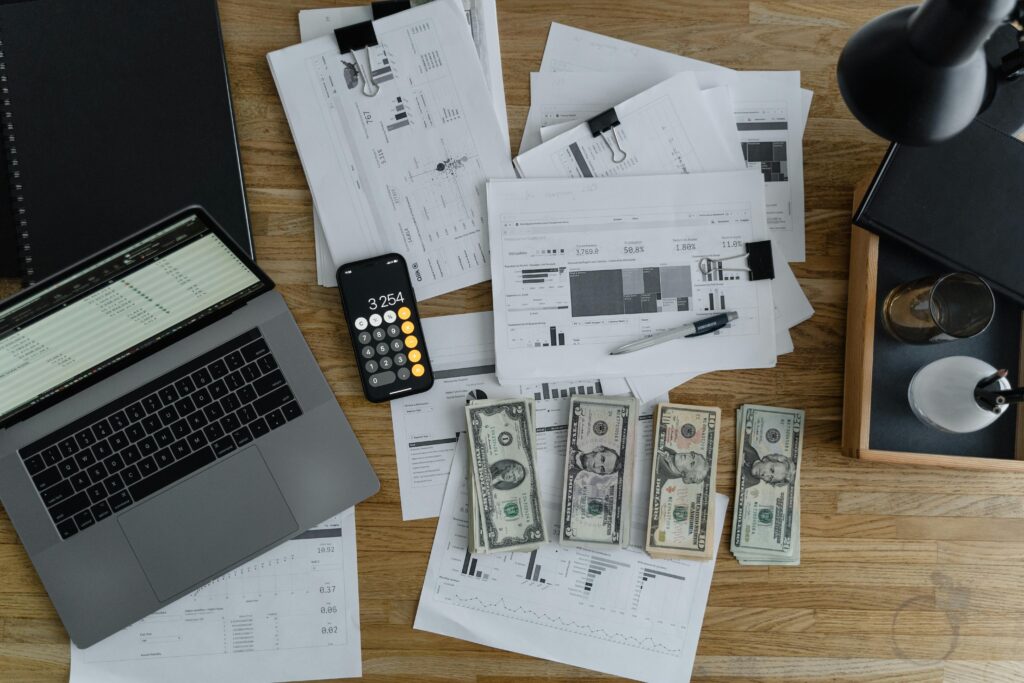
East Bay businesses are looking for ways to save and increase productivity through energy-efficient HVAC services. Local and federal programs provide rebates and incentives for upgrading commercial HVAC systems. Below is a summary of available rebates, eligibility, and local incentives.
| Program | Eligibility | Incentive Type | Provider/Platform |
| PG&E HVAC Rebate | Businesses with qualifying upgrades | Direct rebate on equipment | Pacific Gas & Electric |
| BayREN Business Rebates | Small/medium businesses | Equipment rebates, technical help | Bay Area Regional Energy |
| Federal Energy Tax Credit | Must meet efficiency standards | Up to 10% tax credit on costs | IRS |
| Energy Upgrade California | All commercial properties | Rebate, financing options | Energy Upgrade CA |
| Local Utility Custom Incentives | Project-specific requirements | Custom rebates for unique upgrades | Local Utility Providers |
Utility Incentives
Find East Bay Rebates for your HVAC services. Utility providers like PG&E in the East Bay offer rebates for energy-efficient HVAC equipment, making it easier for businesses to meet their commercial HVAC financing needs. If a business installs more modern systems, the utility company could provide direct rebates or bill credits, which significantly reduce upfront expenses and make upgrades more feasible. These rebates usually require proof of purchase and efficiency ratings. By selecting top-rated air conditioning systems that may be pricier initially, businesses can achieve long-term savings that offset the initial costs, especially when combined with rebate dollars.
Local Programs
Local programs like BayREN and Energy Upgrade California assist businesses with rebates, technical advice, and flexible financing solutions tailored to their commercial HVAC financing needs. These groups often run outreach events and offer online tools to find eligible upgrades for HVAC services. By joining these programs, businesses can speed up their upgrades and enhance energy efficiency in their buildings. Community support can come in the form of home energy assessments, which pinpoint where improvements will make the most impact. Many programs partner with local banks to offer low-interest or no-interest financing with flexible plans of up to 120 months.
Federal Tax Credits
Federal tax credits significantly help defray the cost of new HVAC installations, particularly for businesses looking to meet their commercial HVAC financing needs. If the equipment is energy compliant, businesses can receive up to 10% of the system cost, capped. Qualification is based on the system’s efficiency and documentation. They claim the credit when they file their taxes each year and must provide receipts and certification. Investing in approved, energy-efficient HVAC systems decreases short-term costs and delivers lower energy bills throughout the equipment’s lifetime.
The Hidden Costs of Delay
Unbeknownst to most business owners, delaying HVAC repairs or upgrades can quietly drain business resources, particularly when it comes to commercial HVAC systems. Old air conditioning systems consume more power, fail more frequently, and can even reduce workplace productivity. Many companies ignore these concealed costs, as they accumulate quickly and can impact the bottom line, making flexible financing solutions crucial for addressing HVAC needs effectively.
Rising Energy Bills
Older HVAC systems consume more energy to maintain indoor comfort levels, particularly if components are degraded or the system is outdated. Over months and years, higher energy use translates into bigger bills, gnawing on profit margins. For instance, every kilowatt-hour wasted accumulates, and in certain areas, energy costs continue to increase. For businesses that wait to upgrade their commercial HVAC systems, annual costs often rise, especially in sectors where climate control is a requirement. Timely upgrades and occasional checkups can reduce your HVAC needs, and many newer systems are built with energy-saving features that demonstrate actual savings, ensuring customer satisfaction.
Unexpected Repairs
When you let HVAC systems run until they break, repairs can become expensive and uncertain. Emergency repairs cost even more, especially if something goes wrong during peak seasons when demand is high. Service calls typically range from $50 to $150 an hour and can double in cost if complicated work is needed. Monthly inspections can save you thousands. Flexible financing solutions, such as service agreements or contingency funds, can help address these unexpected HVAC needs. With a plan in place, you’ll feel less stress when the unexpected strikes.
Lost Productivity
When HVAC systems fail, the office can become unbearably hot or cold, making it difficult for employees to concentrate and get work done. Just a few hours without adequate air conditioning can impede operations or lead to temporary closures, resulting in deadline slips and revenue loss. Research indicates that cozy offices maintain employee efficiency, making reliable HVAC services essential for preventing productivity slumps.
Missed Rebates
Some states provide rebates or tax incentives for energy-efficient equipment, especially for HVAC services, so wait too long and you may miss out. These programs frequently shift or are short-term funded. When you upgrade your HVAC system at the right time, you can gain savings that help to offset the upfront price. By staying up-to-date and planning, businesses can capitalize on incentives and not leave money on the table.
Improve Your Financing Approval
Securing HVAC financing for your business can be challenging, but there are definitive ways to simplify the process. Lenders evaluate your credit, finances, and the specifics of your project, including your commercial HVAC financing needs. By dedicating time to improve these areas, you can significantly enhance your chances of approval, even for attractive offers like 0% interest if paid off within 12 or 18 months.
Business Credit
Solid business credit is crucial for HVAC services. Lenders pull your credit, and the higher your score, the less of a risk you appear to be. A good record can help you secure better offers, such as lower APR or longer terms, particularly when seeking commercial HVAC financing. Before applying, pull your business credit report to identify mistakes or old obligations and address them. Pay bills on time, maintain low balances, and avoid opening too many new lines of credit at once.
When lenders evaluate your application for HVAC company loans, they look for a track record of on-time payments, low debt relative to your credit line, and consistent business operations. Some may also consider your personal credit, especially if your business is young. In the long run, maintaining good credit can assist with loans beyond just HVAC projects, enabling businesses to access flexible financing solutions.
A strong score can accelerate approval. If your credit is weak, it might translate into higher interest rates or additional paperwork. If you don’t know how your credit is doing, online tools or a talk with a financing pro can give you an idea of where you stand.
Financial Statements
Prepare understandable, current financial statements. Your lenders want to see your P&L, balance sheet, and cash flow reports. These should span a minimum of the last 2 years if possible.
Clean records demonstrate you’re organized and can handle payments. Errors or incompleteness can delay approval or even cause it to be denied. To stay out of trouble, verify your figures and ensure they align with your tax filings.
Typical mistakes are missing expenses, old statements, or failing to explain one-time costs. If you’re uncertain, an accountant pro can assist. Full, honest records can enhance confidence and expedite your financing approval.
Detailed Quote
You’ll need a detailed quote. This should include all costs: equipment, installation, and maintenance. Upfront on the whole price demonstrates to lenders that you’ve thought this through.
A clear quote keeps the process smooth. Lenders will request line item lists, so the more detail you can offer, the less they will query later. This builds confidence and demonstrates you’re ready.
By including every cost, even the small ones, you avoid confusion. Opacity is how you forge a permanent bond with lenders, but it can help you shop for financing options and terms, either online or with a local expert.
Calculate Your Long-Term Savings
Long-term savings from a new HVAC system stem from reduced energy consumption, lower repair costs, and more efficient day-to-day operations. Energy-efficient HVAC units consume less electricity and have a longer lifespan, which significantly reduces monthly bills. This aspect is crucial, especially for businesses with large spaces or long hours of operation. Over a decade, a high-efficiency unit can lead to savings of thousands of dollars, allowing resources to be reallocated to other operational needs.
Improved HVAC efficiency translates into reduced waste and consistent indoor air quality, which is essential for maintaining productivity. This efficiency cuts down on last-minute scrambling and ensures that work flows smoothly without bottlenecks. Reduced repair bills and more predictable energy consumption assist companies in budgeting with greater certainty. As energy costs continue to rise, the value of a dependable, efficient HVAC system becomes increasingly significant. For instance, a company that switches to a high-efficiency HVAC system could experience a twenty to thirty percent reduction in its energy bill, translating to additional revenue that can be reserved for leaner times.
To determine if an upgrade is financially feasible, utilize metrics such as payback period calculators or online ROI tools. These tools require the price of the new HVAC system, anticipated monthly savings, and any associated loan fees. Monitoring these figures allows you to gauge how quickly the investment pays for itself. If the payback period is less than five years, many businesses consider it a worthwhile investment. Online calculators typically provide insights into both short-term and long-term payback, giving you a comprehensive view of costs and benefits.
Calculate your long-term savings. It pays to examine your income and expenses before making a move. About: Figure out your long-term savings. Aim for a reserve equal to at least three to six months of peak season expenses. Leave these in a business savings account, not your main one, to have the money safe for when you need it. That way, you can invest in equipment or experiment with new tech during slow months without damaging your immediate cash flow. A solid savings plan is your shock absorber, helping your business survive lean times and cover fixed expenses.
Conclusion
East Bay businesses have a lot of options for commercial HVAC financing. Leasing reduces initial expenses, while buying accelerates system ownership. Local rebates add even more means to save, and smart planning mitigates the risk of surprise bills down the road. Waiting too long can be expensive, so it’s usually worth it to act quickly. Good records and a solid credit score assist in fast loan approval. Straightforward calculations of long-term savings keep budgets on target. If you need assistance choosing the right direction, consult a trusted HVAC advisor or lender. Local insiders frequently know what the best deals for your area are. Plan for today and come up with a way to keep your business cool without wrecking your budget.
Frequently Asked Questions
What are the main commercial HVAC financing options for East Bay businesses?
Businesses can explore flexible financing solutions like equipment leases, loans, and vendor financing for their commercial HVAC financing needs.
Should I lease or purchase my commercial HVAC system?
Leasing HVAC services demands less upfront and is adaptable, while purchasing a new HVAC system could save more in the end. The best option for your commercial HVAC financing needs will depend on your business’s budget and long-term plans.
Are there rebates for commercial HVAC upgrades in the East Bay?
Yes, local utilities and government programs typically provide rebates for energy-efficient HVAC services. See if you qualify for commercial HVAC financing to save the most.
What hidden costs come with delaying HVAC upgrades?
Delaying upgrades on your HVAC systems can lead to high energy bills, frequent repairs, and unproductive downtime from unreliable equipment, impacting customer satisfaction.
How can I improve my chances of financing approval?
To meet commercial HVAC financing needs, keep a robust business credit score, have recent financials ready, and collaborate with knowledgeable HVAC suppliers for efficient solutions.
How do I calculate the long-term savings from a new HVAC system?
Compare your existing and anticipated energy expenses along with potential savings from commercial HVAC services, rebates, and increased efficiency for total savings over time.
Can small businesses qualify for commercial HVAC financing?
Yes, many HVAC companies offer flexible financing solutions for small, medium, and large businesses, helping them meet their commercial HVAC financing needs.
Cut Costs and Maximize ROI with Commercial HVAC Solutions from Superior Mechanical Services
When energy bills rise or comfort levels drop, your HVAC system might be costing your business more than you think. At Superior Mechanical Services, Inc., we help commercial property owners balance performance, efficiency, and long-term value with cost-effective HVAC installation, maintenance, and upgrades.
Since 1948, Bay Area businesses have trusted our team for reliable heating and cooling systems that deliver measurable returns. Whether you’re looking to modernize outdated equipment, reduce operating costs, or plan a new system for your facility, our certified technicians provide expert guidance and transparent pricing every step of the way.
A well-designed commercial HVAC system can significantly lower utility costs, improve employee comfort, and extend equipment lifespan. We specialize in energy-efficient solutions that enhance performance while boosting ROI through reduced maintenance needs and long-term savings.
Call today to schedule a consultation or request a cost and ROI analysis for your commercial HVAC system. With over 70 years of experience, Superior Mechanical Services helps businesses achieve dependable comfort, efficiency, and financial value year-round.