What Makes Mini Split Systems a Perfect Fit for Rental Properties?
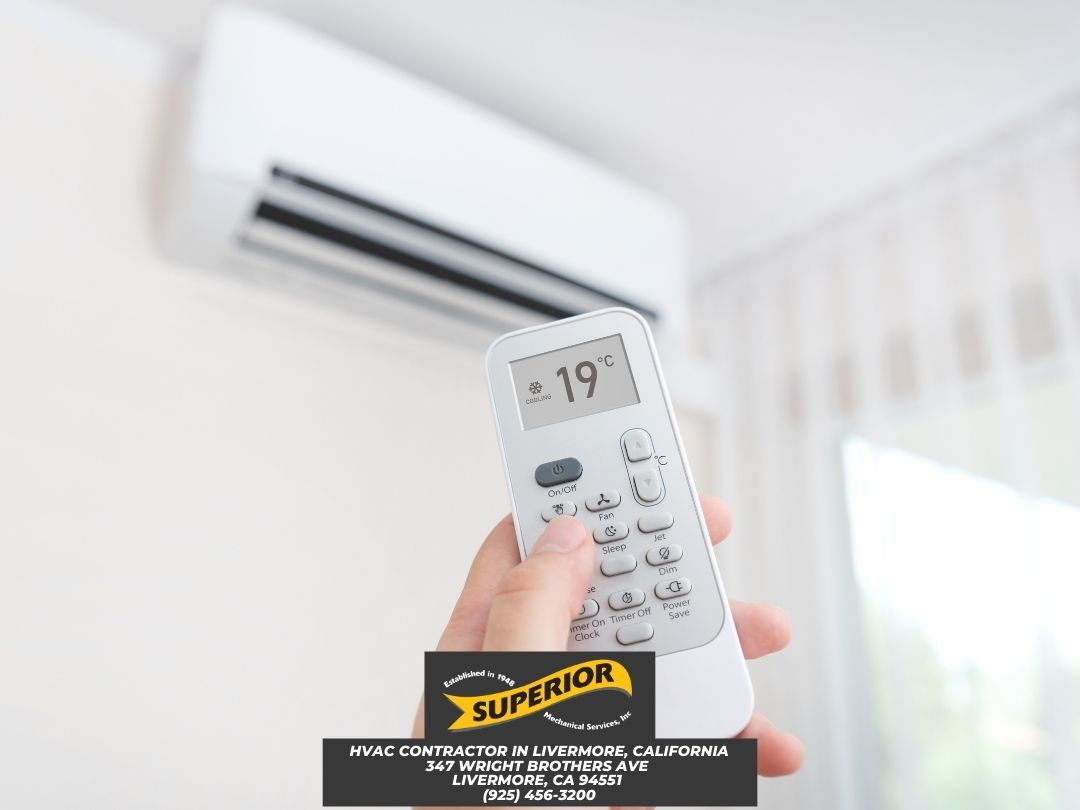
Here’s why mini split systems are such a perfect fit for rental properties. They offer great flexibility and energy efficiency, and installation is relatively easy, requiring little to no major structural changes.
These systems allow renters to adjust the temperature in specific spaces, embracing individual comfort preferences while still saving both tenants and landlords on energy bills. Property owners benefit from their compact design, which works well in apartments, duplexes, or standalone units, and the lack of ductwork reduces maintenance needs.
Mini splits run quietly, improving tenant comfort and happiness. They’re available in numerous different models to accommodate different property configurations.
These systems have the capacity to both heat and cool, seamlessly transitioning between the two as seasons change. This helps them become an intelligent and practical option for landlords looking to increase rental property appeal and improve tenant experience.
Key Takeaways
- The flexibility of mini split systems Along with being the most cost-effective and energy-efficient solutions, their flexibility makes mini split systems perfect for rental properties.
- These systems come with the benefit of improved zoning flexibility. Second, mini splits offer tenants temperature control on a room-by-room basis, improving comfort while cutting energy waste.
- This leads to another big advantage – they are easy to install. This creates an awesome opportunity for landlords to upgrade their buildings and attract newer, modern tenants.
- Quiet operation Mini splits operate quietly, creating a more serene living space. This is an advantage that can greatly boost tenant satisfaction and comfort.
- For landlords, mini-splits promise long-term savings via lower energy bills and little maintenance needed as compared to standard HVAC systems.
- Mini splits help improve the value and attractiveness for your rental property, drawing in eco-conscious tenants and facilitating a higher rental income potential.
Why Mini Splits Suit Rental Properties
They are a great way to maximize energy efficiency, improve tenant comfort, and increase rental property value. As energy-conscious living gains traction, both landlords and tenants are increasingly drawn to solutions that deliver practical benefits without compromising on performance.
Appeal to Rental Property Owners
For rental property owners, mini splits are an appealing way to increase income from rental properties. Increasingly, these types of energy-efficient upgrades provide what tenants are looking for and help make rental property listings more competitive.
Installation is simple, usually done in under a day, causing minimal disruptions. Plus, these systems appeal to a broader, more varied tenant base, from environmentally minded renters to those wanting a quieter, more tailored comfort.
Enhance Energy Efficiency
Mini splits rank highest in energy savings. They do this with extraordinary SEER (Seasonal Energy Efficiency Ratio) and EER (Energy Efficiency Ratio) ratings.
Their design means landlords and tenants save more utility dollars with mini split systems compared to other HVAC systems, with each dollar saved equating to real savings. Reduced energy usage according to greener standards is better for the environment and encourages a healthier, greener living environment.
Quiet Operation Influence
Mini splits operate much more quietly than forced-air systems, making them a great choice for improving environments in residential applications.
By choosing models that have low decibel levels, you make sure that your tenants are living in a comfortable, quiet atmosphere, increasing their desirability even more.
Flexible Zoning Benefits
This is because with zoned HVAC capabilities, mini splits give tenants the ability to control the temperature in each room on their own.
This increases occupant comfort and increases energy savings, accommodating different preferences in the common areas of shared spaces.
Upfront Costs and Long-Term Savings
Though upfront costs can be high, mini splits are a huge money saver in the long run by lowering energy bills.
Their cost-effectiveness coupled with depreciation advantages make them a savvy long-term investment for property owners.
Key Advantages for Rental Owners
These systems are not only cost-effective, but mini split systems provide rental property owners multifaceted advantages that improve tenant satisfaction and operational efficiency.
Besides being smart on energy, these systems are great for rental owners, too. They provide landlords the opportunity to save thousands of dollars on utility expenses, all while delivering tenants a pleasant living experience.
Mini splits allow for customizable temperature control in different rooms. With this amenity, renters can modify settings to suit their preferences, improving comfort, decreasing complaints and increasing tenant retention.
This renewed flexibility makes their property more attractive and helps them stay competitive in the rental market.
1. Streamlined Installation Process
Installation of a mini split system is easy, quick, and noninvasive. Afterward, the installation is a simple process that only needs a two-inch hole to run the lines.
This allows it to sidestep big structural modifications, which is ideal for rental homes. Contracting with only licensed HVAC contractors makes sure that the units are properly installed, which is critical to their performance.
The easy installation process results in little disturbance to renters—helping property owners make improvements without causing a lot of headaches for their tenants.
2. Enhanced Energy Efficiency
Most high-efficiency mini splits are Energy Star rated, underscoring their capacity to reduce energy consumption.
In the long run, this means tenant occupants have lower utility bills and landlords have lower operating costs. The resulting energy savings help mitigate climate change by reducing carbon footprints, which is increasingly important to tenants who are interested in sustainable living environments.
3. Zoned Cooling Advantages
Zoned cooling systems allow tenants to control temperatures in individual rooms, catering to personal comfort while avoiding energy waste in unoccupied spaces.
This capability is especially useful in large properties that have multiple rooms, or even multiple rental units.
Cost Considerations for Landlords
Installing mini split systems not only makes good sense for a landlord’s investment, it makes good financial sense in the short and long-term. Knowing what costs to expect, from start-up costs to long-term savings, helps landlords paint a more accurate picture of their value.
Initial Investment Analysis
The upfront cost of mini split systems is highly variable depending on the scale to which they would be installed. A one-room unit usually costs around $3,500, while equipping an entire single-family house can go up to $17,000. Even for the unit alone, traditional central air systems usually run from $2,500 to $7,500.
Moreover, installation costs can be between $3,000 and $7,000. Unpacked this way, mini split systems appear expensive upfront. Financing options such as energy-efficient upgrade loans and local buy-in programs can ease the burden on landlords and facilitate this substantial investment.
With the assistance, landlords can increase return on investment throughout the duration. Tenants value energy-efficient, modern HVAC systems, which typically command a higher rental income.
Long-Term Operational Savings
One big benefit to mini split systems is their energy efficiency. They can reduce energy bills by up to 30% compared to conventional HVAC systems. That translates to rock-solid cost certainty and huge savings over the life of the measure.
Maintenance costs are negligible as well, at an average of only $100 to $300 per year, making for low continuing costs.
Impact on Property Value
Energy-efficient features such as mini splits add value to the property by attracting buyers and renters who prioritize environmentally-friendly amenities. Further, new, high quality HVAC upgrades are a clear signal of long term quality that can make properties more desirable in a competitive rental market.
Eligibility for Rebates
Rebates and incentives targeted toward energy-efficient systems can help landlords save money. By researching local programs, landlords can often find more ways to offset upfront costs, making the improvements even more affordable.
Installation Best Practices
By installing mini split systems properly in each rental property, owners can look forward to great performance and comfort levels that last for years. With the proper best practices, you can achieve the highest level of efficiency, while minimizing the risk of unpredictable results.
Assess Upgrade Requirements
Start with a thorough evaluation of the property’s current HVAC system. Check for outdated equipment and ensure the building’s electrical capacity supports the new system.
Consider room size, insulation levels, and tenant preferences when determining the system’s capacity. For example, larger rooms with poor insulation may require higher-capacity units.
A checklist that includes these factors can prevent unnecessary upgrades and ensure the system meets tenant needs effectively.
Determine Desired Number of Zones
Zoning provides the ability to control areas of a property at varied temperatures, increasing energy efficiency and providing comfort for all tenants.
To figure out how many zones you need, look at the overall property setup. For a multi-unit rental, each unit should at the very least require its own zone.
Indoor unit placement should be coordinated with owners’ preferences and comfort in high-use areas such as living rooms or bedrooms. As an example, a two-bedroom apartment may already be served well by two zones if there are differences in how the two bedrooms are used.
Correct zoning can counter excessive energy waste, particularly in buildings with different occupancy patterns.
Choose Outdoor Condenser Placement
It needs to be accessible for regular maintenance but perhaps located farther away from high-traffic areas to reduce noise impact.
Positioning it on a permanent, stable, elevated surface enhances airflow to the circulating cucumbers and increases aesthetics.
For instance, siting it on a concrete pad behind the building definitely meets both aesthetic and operational needs.
DIY Installation Considerations
Although going with the DIY installation can save you as much as $8,000, you’ll need some specialized equipment such as a vacuum pump and torque wrench.
Optimal refrigerant charging usually requires a licensed technician. For most landlords, professional installation ensures compliance and optimal performance.
Maintenance and Longevity
As discussed above, mini split systems are a reliable and energy-efficient solution for rental properties. Yet, their effective performance and useful lifespan largely depend on ongoing maintenance. With smart maintenance, these systems are designed to last 15-20 years — a profitable investment for landlords.
Extend System Lifespan
To get the longest life possible out of a mini split system, routine maintenance is important. Taking care of concerns early, like unexpected sounds or decreased output, keeps little troubles from turning into expensive fixings.
Quickly made repairs add to tenant understanding of consistently felt comfort, which helps mitigate tenant complaints. Investing in quality, durable systems upfront pays greater dividends, minimizing premium replacement costs from defaulted DBE/MBE contracts and creating a longer-lived product.
Higher-grade units feature durable components. These electric components are more resilient to wear and tear over time, thus being a wiser choice in the long term.
Routine Maintenance Tips
Routine maintenance makes all the difference in maximizing mini split performance and preventing the costly mini split repair down the line. Essential practices include:
- Replacing it every 1-3 months based on how often you use it.
- Inspecting refrigerant levels and connections annually.
- Clearing debris around outdoor units to maintain airflow.
- Inspecting components for wear—in our case, fan blades or electrical connections.
Taken together, these steps will dramatically improve performance. They can even allow systems to reduce energy expenditures by 30% or more compared with conventional HVAC systems.
Troubleshooting Common Issues
Landlords can easily troubleshoot simple issues such as clogged air filters or tripped circuit breakers with the help of a simple checklist. More complicated problems, like refrigerant leaks, need pros to step in, or worse damage can occur.
Annual service checks performed by certified technicians are a great investment for keeping your system healthy and helping it live long.
Addressing Potential Drawbacks
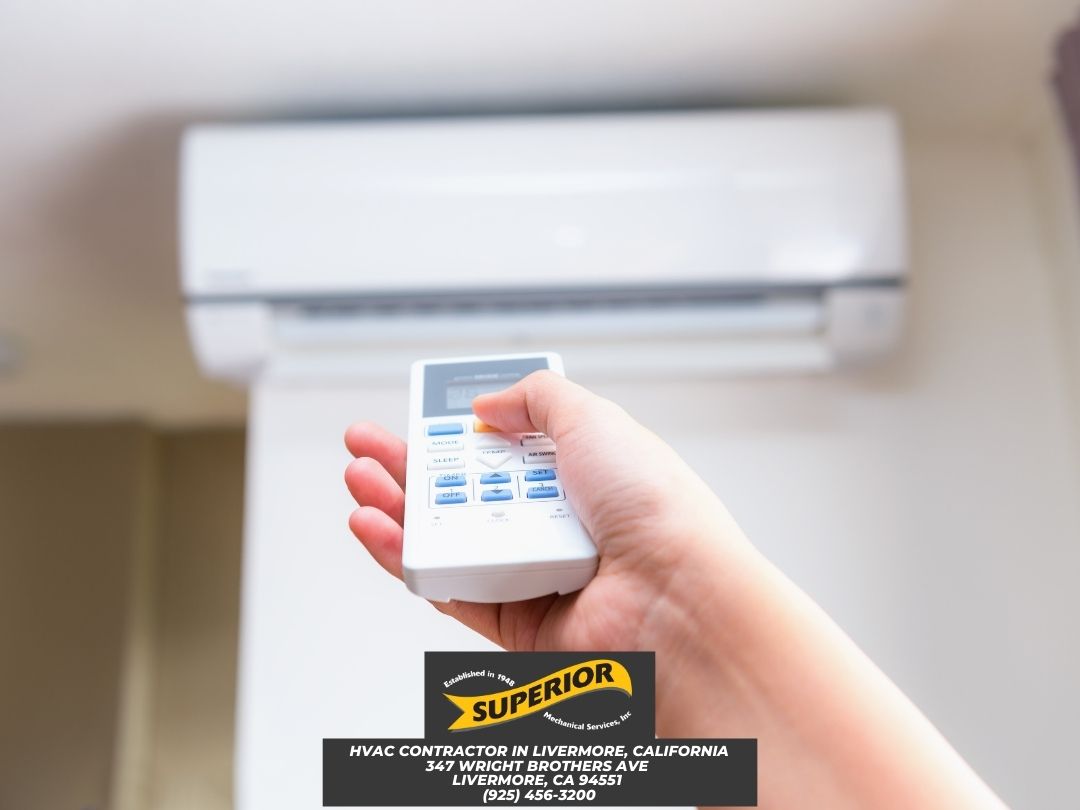
Though these efficient and flexible systems come highly recommended as the perfect fit for rental properties, let’s take a look at some potential downsides. Additional considerations include higher upfront cost, aesthetic concerns, and making sure they perform well across various climates. By addressing these head on, landlords can ensure they’re getting the most from these systems, providing the most value to their properties and tenants.
Mitigating Higher Initial Costs
For point of reference, single-zone mini split system installations usually range from about $2,000-$4,500. For multi-zone installations, the costs can be $3,000 to $10,000 plus. These average costs vary based on characteristics such as capacity, brand, and installation difficulty.
To offset this cost, landlords should look into financing options or energy-efficient rebates available through local utility providers. Fostering awareness of these long-term savings must be part of the equation. As the U.S. Department of Energy notes, mini-split systems reduce energy consumption by about 30% compared to conventional forced-air systems.
This efficiency is a huge benefit, reducing tenants’ utility bills and improving the overall attractiveness of the property, making it a great investment.
Aesthetically Pleasing Installations
Aesthetic integration, or compatibility with the neighborhood, is a major concern to landlords. Mini split systems are available in different styles, wall-mounted, ceiling-mounted and floor-mounted units, offering design flexibility to suit any interior decor.
Opting for neutral-colored units and smart placement can go a long way in reducing the visual impact. Hang units above doorways for a clean, integrated aesthetic. You can provide decorative covers to help blend the system into the space while allowing for continued maintenance.
Optimizing Performance in All Climates
In order to guarantee performance landlords need to select models suited for each climate’s needs. Usage including easy adjustments for heating vs cooling extend the usability of these comfortable systems across the seasons.
Conduct seasonal maintenance to keep them working efficiently and extend their lifespan. Replace clean filters and check refrigerant levels every three to four months.
Real-World Performance and Feedback
Mini split systems meet the needs of rental properties. So far, landlords and tenants alike have reported positive experiences in utilizing them. Their performance in varying climates, combined with energy savings and comfort, has made them a popular choice for property owners seeking long-term benefits.
Owner Testimonials and Feedback
- Maria, a landlord in Texas, noted a 15% increase in her property value and reduced tenant turnover, thanks to the consistent comfort provided by mini splits.
- David, a retired engineer living in the Phoenix suburbs, converted his garage into a winter woodworking shop. Today, he reaps unqualified bliss, even in those hellish summer months.
- From our communications going out to her, Sarah, a Sunshine state homeowner, saved an average of 35% on her summer electric bills. Her tenants appreciated the even indoor temperatures in winter and summer alike.
Landlords often list energy savings and tenant satisfaction as the most notable advantages. Most sites have experienced a decrease in heating and cooling complaints, resulting in better tenant relationships and higher tenant retention.
One of the biggest benefits of mini splits is their temperature zone control. This unique feature allows them to be a good fit on many property sizes and configurations.
Cost-Effective Performance Insights
Opponents of the installations, typically motivated landlords, emphasize the upfront cost of installing mini split systems versus conventional HVAC systems. As an example, energy bills are estimated to decline 20–25%, making rental property ownership much more profitable.
In today’s rental market, lower utility expenses mean higher tenant retention rates — renters increasingly want affordable and comfortable spaces.
Combined Utility Bill Benefits
Mini split systems save landlords and tenants money on utilities. Their energy usage efficiency provides combined savings, increasing rental income potential while improving tenant satisfaction with reduced costs.
This combination of lower costs and greater personal control over heating and cooling increases the desirability of rental units that have benefitted from mini split installations.
Ideal Candidates for Mini Splits
Residential rental properties have become a popular application for mini splits because of the systems’ extreme flexibility and efficiency. These systems are perfect for a wide range of properties, delivering valuable solutions to heating and cooling needs with minimal disruption during installation. Here, we break down the ideal situations in which mini splits truly excel.
Properties Without Existing Ductwork
For homes without ductwork, such as slab homes or properties with unique architectural designs, mini splits provide an efficient alternative. For one, installing ductwork in these types of settings typically takes a lot of retrofitting, not to mention expense and time.
Mini splits eliminate this problem completely, as we’ll discuss below providing a ductless system that delivers exceptional heating and cooling while saving energy. Retrofitting is easy, allowing you to supplement hard-to-treat spaces such as garages, sunrooms or homes with vaulted ceilings.
Older buildings under preservation restrictions make excellent use of mini splits, since they don’t require modifying any original building fabric.
Additions and Renovations
Mini splits excel in new additions or remodeled spaces that have no ductwork. Garages turned into home offices or sunrooms attached to a dwelling can all be nicely accommodated with these systems.
Their versatility adapts to evolving floor plans, keeping all areas comfortably conditioned. Whether you’re creating a new work-from-home office oasis or retrofitting a small footprint retail hub, mini splits can work with your vision.
For example, one outdoor unit can service up to eight indoor air handlers, allowing for zoning and greater customization over where climate control is needed.
Multi-Unit Dwellings
In multi-unit rental buildings, mini splits mean tenants are more comfortable because of the zoned heating and cooling. Each unit can have its own thermostat for independent temperature control, which limits energy waste and utility costs.
Shared spaces such as hallways and common areas built value through efficiency. Landlords can market these systems as energy-saving upgrades, appealing to environmentally conscious tenants.
Conclusion
They provide tenants independent control of their comfort, while allowing landlords to save energy costs. Their flexibility, simple installation, and long-term durability add up to a lower cost in the long run. With mini split systems, rental owners can increase property value without the inconvenience or cost of installing complicated ductwork or frequent upkeep. Additionally, their quiet operation and aesthetic design align with the contemporary trends found in many rental properties today.
If you’re a property manager for a single unit or a large multi-family building, mini splits provide a convenient, energy-saving answer. They provide superior comfort and help owners and tenants achieve their goals. Superior Mechanical Services can help you take the next steps in rental property upgrades. Compare to find the right solution and discover how mini splits can transform your rental property into a premium accommodation.
Frequently Asked Questions
1. What is a mini split system?
A mini split system is a heating and cooling solution that uses an outdoor compressor and one or more indoor air-handling units. It provides zoned temperature control with no need for ductwork. This flexibility makes it ideal for areas where conventional HVAC systems simply can’t fit.
2. Why are mini split systems good for rental properties?
Additionally, mini splits are extremely energy-efficient, easy to install, and provide customizable temperature control. They significantly reduce energy costs for renters. Plus, they require very little invasive installation and increase property attractiveness, helping landlords rent their properties easier and keeping long-term tenants in them.
3. Are mini split systems expensive to install?
Mini splits usually run $2,000-$8,000, depending on the size and number of units. The initial price may be a bit more than conventional systems, they’re leaps and bounds more energy efficient. Their minimal upkeep ensures their long-term affordability.
4. How long do mini split systems last?
With regular maintenance, mini split systems have a lifespan of 15 to 20 years. Routine cleaning and professional servicing aids in extending their lifespan and keeping them operating at peak efficiency.
5. Do mini splits require major renovations to install?
No, because unlike other systems, mini splits need very little structural alteration. They require no ductwork, and installation is as simple as running a small conduit through the wall. This makes them a perfect choice for retrofitting an older property or rental.
6. What are the main maintenance requirements for mini split systems?
Regular maintenance includes cleaning or replacing air filters, checking refrigerant levels and making sure the outdoor unit is free of debris. Having them professionally serviced once or twice a year will keep them operating efficiently for many years.
7. Are mini splits energy-efficient?
2 Energy efficiency Yes, mini splits are energy efficiency personified. They employ advanced inverter technology that allows them to operate at varying levels output according to demand, which helps minimize energy waste. This provides value by allowing rental property owners to reduce utility bills for their tenants, saving money for both sides.
Enhance Comfort With Trusted Mini-Split System Installation From Superior Mechanical Services
Is your home struggling to maintain a comfortable temperature year-round? For reliable and efficient climate control, trust Superior Mechanical Services, Inc. for expert mini-split system installation solutions. Since 1948, we have been the go-to experts for residential and commercial HVAC needs, including professional mini-split system installation.
Our certified technicians specialize in carefully installing state-of-the-art mini-split systems using advanced techniques to maximize performance and energy efficiency. From thorough assessments to precise installations, we work diligently to ensure your mini-split system provides consistent comfort and efficiency.
Don’t let an outdated or inefficient cooling and heating system compromise your comfort—contact us today for expert mini-split system installation. With over 70 years of experience, Superior Mechanical Services is dedicated to keeping your home or business comfortable and efficient all year long. Your satisfaction is our top priority!
________________________________________________________________________