Can Mini Split Systems Handle Open Concept Homes? Here’s What to Know
Thanks to their zoning capabilities, mini splits allow you to control the temperatures in distinct areas, guaranteeing comfort in every corner of your open floor plan. The biggest demand on any system is open concept homes, with the right capacity unit (measured in BTUs) used for the square footage of your home.
Even air distribution is critical for effective air distribution and comfort. In the sections to come, we’ll evaluate your needs and guide you to the best-fit system. Then we’ll walk you through getting the most out of it, even in an open concept home.
Key Takeaways
- Mini split systems are the ideal solution to maintain comfortable temperatures throughout your open concept home without the hassle of installing ductwork. In short, they are perfect for layouts and wide open spaces.
- Unlike central HVAC units, these systems produce specific temperature zones. By doing this, they keep you comfortable where you spend the most time and energy when it’s really needed.
- Correctly positioning indoor units is the most important factor when it comes to efficiency. Studying airflow patterns guarantees even temperature distribution in expansive areas.
- Mini splits offer some of the most enviable energy savings of all HVAC technologies versus traditional systems. They do this by providing focused heating and cooling, using advanced inverter technology.
- For maximum efficiency, work with your HVAC contractors. They’ll determine load requirements, assist in proper system sizing, and determine your home’s insulation and sealing needs.
- Proper care is key to any open concept residence. Beyond that, intelligently employing fans or dehumidifiers can do a great job of addressing problems such as airflow concerns and high humidity levels.
Can Mini Splits Handle Open Concepts?
Mini split systems can effectively handle open concept homes because of their flexibility and energy efficiency. Open concepts usually feature large, open spaces and vaulted ceilings with few obstructions. Unfortunately, these features can create serious hassles for traditional, centralized HVAC systems. Yet mini splits are uniquely equipped to handle these pains with their flexibility and more sophisticated technology.
Understanding Open Concept Challenges
Open concept designs can make achieving uniform airflow a challenge. These large, connected spaces can create challenging temperature imbalances, particularly in spaces with lofty ceilings or those flooded with windows on multiple sides.
For example, homes with 18-foot ceilings or large windows have more heat loss or gain and thus may find it more difficult to regulate temperature. This is where proper zoning becomes absolutely critical in these larger, more open spaces. By dividing the space into zones, each area can receive the precise amount of heating or cooling necessary.
This strategy minimizes temperature differences throughout the space and increases comfort as a whole.
Mini Splits: A Viable Solution?
Mini split systems are an effective and versatile option for many homes, particularly those without existing ductwork or with open-concept designs. They offer targeted heating and cooling without the complexity of traditional ducted systems.
In well-insulated homes, even large spaces can be efficiently maintained with just a couple of properly sized units. For example, a 3,500-square-foot home with excellent insulation might only require a 20,000 BTU/hr heating load. This could potentially be handled by two ¾-ton mini splits, making the solution both efficient and cost-effective.
Mini splits are also known for their long-term performance. With proper maintenance, these systems can last between 15 and 20 years, offering a durable solution for homeowners seeking comfort and energy efficiency over the long haul.
Overcoming Airflow Obstructions
To improve airflow, consider placing multiple indoor units strategically across the space. Ceiling fans or architectural details such as transoms can help maximize air distribution.
These planning strategies allow for even comfort across wide, continuous spaces.
Benefits of Mini Splits in Open Homes
Here are some reasons why mini-split systems can be especially advantageous in open concept homes, and why they’re a natural choice in these airy floor plans. They are top-notch at zoned temperature control, energy efficiency, and improved air quality. Their modern aesthetic sets them apart from bulky, obtrusive HVAC equipment.
These systems run great in all climates, from -15°F to 115°F, providing comfort year-round.
Zoned Temperature Control
Mini splits really shine when it comes to providing customized, comfortable temperatures in a perfectly controllable way, all while saving money. This allows you to maintain comfort in your most important areas, like your big open living room, while saving energy elsewhere.
For example, in the summertime you can target cooling to the most-used areas of your home, cutting the energy use on rooms that aren’t occupied. Newer systems even allow you to control temperatures from afar with smart technology, which offers an added benefit of convenience to active families.
Increased Energy Efficiency
Energy efficiency is a hallmark attribute of mini splits. Energy Star certified models use an average of 60% less energy compared to conventional systems. Because mini splits heat or cool only the zones needed, unlike central HVAC units, they waste less energy, resulting in lower energy bills.
For example, in cold winters, a 1.5-ton system can deliver 20,000 BTU/hr at 15°F, meeting the heating needs of most homes efficiently.
Improved Air Quality
Equipped with advanced filters, mini splits capture dust, allergens, and other pollutants, improving indoor air quality. They play a big role in keeping humidity levels steady, driving down the potential for a moldy home and boosting comfort.
Silent Operation
Another benefit of mini splits is their quiet operation—both indoors and out, contributing to a peaceful residential community. Contrary to loud central systems, they help you savor a meal with friends, a book, or a movie without interference.
Aesthetically Pleasing Designs
Moreover, with narrow and sleek indoor units that have customizable colors and styles, mini splits integrate into any home decor effortlessly. Their minimalist design helps eliminate the bulk of standard systems, keeping the look of your open concept home beautiful and clean.
Key Design Considerations
When designing a mini split system for open concept homes, consider the special challenges these spaces pose. This consideration is crucially important for best performance and comfort. Open layouts typically call for an added level of design consideration to maintain comfort and energy efficiency simultaneously.
Here are some crucial design considerations to make it work.
1. Calculate Cooling/Heating Load
Accurate load calculations are the foundation of any mini split system, well-designed or otherwise. To maximize energy savings, identify your home’s specific heating and cooling requirements. This strategy additionally reduces temperature variation across your building.
As an example, a well-insulated 3,500-square-foot home would only have a heat load of 20,000 BTU/hr. On the other end of the spectrum, less insulated homes would be over 35,000 BTU/hr. While tools such as online BTU calculators can give you quick estimates, working with HVAC experts delivers accurate calculations designed to fit your specific space.
2. Choose the Right System Size
The size of the system is directly related to performance and efficiency of the system. Mini splits that are undersized will not be able to adequately condition your space.
Through frequent over-size units continuously cycling on and off, counterproductively wasting energy. A 1.5-ton mini split that provides 20,000 BTU/hr will more than adequately heat a tight, cold-climate, well-insulated house. For larger or more poorly insulated areas, use larger systems that offer up to 34,000 BTU.
3. Strategic Indoor Unit Placement
Proper positioning of the indoor units maximizes the airflow, further enhancing the cooling effect. Position equipment so air can circulate freely around all sides, and not in an area that’s enclosed by furniture or walls.
In units with open layouts, locating units in or near central areas helps create an even temperature distribution.
4. Consider Airflow Patterns
Capturing and analyzing airflow is a key element in keeping people comfortable. Furniture layout affects circulation, and clear pathways through an environment are key.
Ceiling fans help out by keeping that expensive conditioned air moving around and often spreading it out more evenly.
5. Assess Insulation and Sealing
Good insulation is like a cozy sweater that allows you to keep energy use low. Sealing gaps around doors and windows prevents expensive conditioned air from escaping, and upgrading insulation to an optimal level lowers the base load, increasing efficiency.
Installation and Placement Strategies
When mini split systems are installed correctly, they have the ability to keep open concept homes comfortable with ease. These systems provide powerful flexibility in order to accommodate different room layouts. It’s greatly important to ensure even heat and cooling temperatures as well as greater energy efficiency. Strategic placement is vital.
Optimal Indoor Unit Locations
When installing indoor units, central placement is key to ensuring balanced airflow across the entire space. Having a dedicated hub in a central location means the system can effectively touch every corner of your open space to reduce temperature variation.
Don’t install units inside of corners or enclosed spaces such as hallways, since these inhibit airflow and negatively impact efficiency. Wall-mounted units allow an economical way of providing space-saving design while ensuring uniform distribution of conditioned air.
Think about the orientation of your house, especially the direction of your windows and doors because these affect the uniformity of the temperature throughout your home.
Maximize Air Circulation
Open concept spaces come with built-in advantages. Combining your mini split system with ceiling fans can help keep the air in motion, aiding in the spread of that conditioned air throughout the room.
Making sure to leave doors open between adjacent areas that are connected promotes airflow, so no space ever feels stale.
Minimize Drafts and Cold Spots
To prevent cold spots, make sure all windows and doors are sealed tight so cold drafts don’t come in. Window treatments such as thermal curtains or thermal blinds can help keep indoor temperatures steady by lowering heat transfer.
These two things ensure that the mini split system can operate at peak efficiency without being overtaxed.
Outdoor Unit Placement Tips
Outdoor units need strategic siting. Overall, try to locate installations in shaded locations to minimize heat exposure and debris buildup.
Provide a minimum of two feet of clearance around the entire unit for maintenance access. Since only one small hole per unit is needed to install it, that makes installation easier without sacrificing energy efficiency.
Multi-Zone System Considerations
Multi-zone mini-split systems perform very well in an open-concept home or larger connected zones. They provide a personalized heating and cooling experience that most conventional systems can’t match. What sets multi-zone systems apart is their ability to condition multiple areas simultaneously.
Compared to single-zone systems, these technologies deliver uniform comfort across the whole house. With ductless technology, dramatic reductions in energy loss are accomplished. In comparison, conventional HVAC systems can waste over 98% of heat through leaky ductwork.
This enhanced efficiency gives them the flexibility to be an ideal fit for homes with several activity zones or special layouts.
Zoning for Different Activity Areas
Smart zoning strategies can do wonders to improve comfort and energy efficiency. Living rooms and kitchens, where people frequently invite guests over, might require a higher temperature setting. Conversely, bedrooms and home offices, spaces meant for rest and recuperation, would benefit from being on the cooler side.
With the ability to modify zones according to how each room is being used, you can adapt the environment to suit the level of activity taking place. Family needs are a big part of it. For example, an ever-changing plant nursery may require warmth throughout, while a new home gym would be best served with cooler temperatures.
With these considerations in mind, each zone can effectively serve its intended purpose.
Balancing Capacity Across Zones
So when the capacity of a multi-zone system must be balanced… As ever, proper planning is key. Though overloading one zone can lead to sub-par performance overall, talking with HVAC professionals helps to make sure that the load is distributed evenly.
This targeted approach greatly improves system efficiency, avoiding unnecessary overexertion and prolonging equipment lifespans.
Independent Temperature Control
Multi-zone systems provide exact temperature control for each zone, improving comfort for every occupant. This level of flexibility increases productivity and overall satisfaction. It reduces energy costs by heating or cooling only the areas that are occupied.
Cost and Energy Savings
Financial and energy-related benefits often top the list when it comes to discussing mini split systems for open concept homes. These systems are cost-effective not only up front but in long-term savings, making them an appealing option for practical homeowners. Here are the most important things to understand.
Upfront Costs vs. Long-Term Savings
Mini split systems are usually lower cost to install than traditional HVAC systems as they often don’t require costly ductwork. Open concept designs favor this simplicity since fewer units can effectively cover larger areas.
Although the upfront cost might look similar to or even a little more than a conventional system, those savings start to stack up fast. Monthly utility bills drop significantly since mini splits use two-thirds less energy than older heating options.
Due to the system’s modular design and lack of ductwork, maintenance costs remain minimal. Usually, ducts require constant maintenance or cleansing, but this specific system eliminates those problems entirely.
Energy Efficiency and Rebates
Energy Saving Performance Mini split systems are some of the most energy efficient systems available, with the vast majority of models having SEER ratings of 20 or greater. This is a major departure from legacy systems, which tend to begin at 14.
Ductless installations sidestep the typical 30% energy loss associated with ducted systems. Many states and utility companies provide rebates and tax incentives for energy-efficient home installations.
By researching local programs, you could offset your initial purchase with incentives or make further savings.
Comparing Mini Splits to Traditional HVAC
Mini splits differ from conventional HVAC systems because they can deliver comfort all year long with both heating and cooling. Their flexibility and energy efficiency allow them to thrive in these open floor plans.
Installation takes a fraction of the time, and their small form factor allows for easy incorporation into the homes of today’s savvy consumers.
Addressing Common Challenges
Mini split systems are a perfect fit for open concept houses. With that opportunity comes a significant set of challenges that require thoughtful planning. Recognizing these impediments and working to overcome them can go a long way towards enhancing rider comfort and system effectiveness.
Humidity Control Solutions
Controlling humidity in large open spaces can be a challenge. Mini splits by themselves may not be enough to keep balanced moisture levels. Consider supplementing your system with a dehumidifier, particularly if you live in a hot, humid climate.
Retrofitting improved dehumidification is essential. Pair a mini split with a whole-home dehumidifier for a more balanced environment. This powerful combination is the best way to prevent problems such as mold growth.
Keeping indoor humidity levels between 30%-50% helps foster personal comfort and prevents damage to important wooden furniture and flooring surfaces. Changing filters on a regular basis and making sure that drain pans are drained helps keep their systems functioning efficiently as well.
Managing Large Open Spaces
Large areas often face uneven temperatures. Using several indoor units provides better coverage and centralized temperature control, allowing you to manage the temperature in all rooms.
For optimal efficiency, zoning is a powerful strategy. Dividing the space into zones with separate thermostats or smart sensors allows you to set different temperatures depending on who’s using that area. In a three-story home, installing a zone for each floor will provide balanced comfort on every level.
At Superior Mechanical Services, we specialize in designing and installing customized mini split solutions to maximize comfort and efficiency in open-concept homes. Our expert team ensures proper system sizing, zoning, and placement to achieve the best performance for your space.
Dealing with Varying Ceiling Heights
In spaces where high ceilings are the norm, it is common for warm air to collect overhead while cooler air sinks beneath. Mini splits with cassette units and variable airflow settings address this by utilizing directional airflow to provide comfort where it’s required most.
By bringing in skilled HVAC pros to do load calculations, heating and cooling systems won’t exceed what’s necessary for your home. Proper sizing and placement is key, and this is even more important within more complex layouts.
Maintenance for Optimal Performance
Keeping mini split systems well maintained is key to their efficient performance. This is particularly important in open concept homes, where even air flow is essential. Regular maintenance and proactive care will maximize your system’s lifetime, preventing expensive repairs and replacements.
This preventative approach not only saves a significant amount of energy, but preserves indoor comfort. Regular inspections and maintenance keep minor repairs from turning into costly catastrophes. They keep the system’s energy performance high, at least 30% above that of central ducted systems.
Regular Cleaning and Filter Changes
Regular cleaning is important for all indoor and outdoor units. Depending on your usage, filters should be cleaned between every month to two months during peak usage months. Clean filters not only provide the best indoor air quality but reduce stress on your HVAC system and help keep your system energy efficient.
When it comes to outdoor units, a little maintenance goes a long way. Cleanout each one at least twice a year—more frequently after a storm or during the fall to prevent leaf blockages. Condenser coils should be cleaned 4-6 weeks to ensure proper heat transfer. Cleaning the condensate drain line every year prevents clogs and keeps your unit running optimally.
Professional Inspections and Servicing
Making sure to schedule annual inspections with a HVAC professional is strongly advised. Experienced specialists know how to spot warning signs in advance, like refrigerant leaks or excessive wear, avoiding larger, more costly repairs later on.
Professional servicing every two years keeps your system in peak condition, ensuring reliable heating and cooling for years to come.
Ensuring Longevity and Efficiency
Care for systems according to manufacturer recommendations and protect your investment by choosing high quality systems that are built to last. Regular upkeep safeguards your capital investment, helping it perform at peak levels for many years while continuing to save energy and money.
Conclusion
Mini split systems are a smart and efficient solution for open concept homes. They offer the perfect blend of flexibility, energy savings, and targeted temperature control—delivering comfort exactly where and when you need it. Their sleek design and strategic placement make it easy to heat or cool large, open areas quickly and efficiently, without wasting energy.
With multi-zone capabilities, mini splits allow you to customize the climate in different areas of your home, adding even more value and control to your living space.
Planning ahead is key. Choosing the right system size, ensuring professional installation, and keeping up with regular maintenance will help your mini split system run smoothly for years to come.
If you’re considering upgrading your HVAC system, mini splits are worth serious consideration. They offer powerful performance in a compact, streamlined package. Take the time to explore your options and choose a solution tailored to your needs—because true comfort starts with the right choice.
Frequently Asked Questions
1. What is a mini split system, and how does it work?
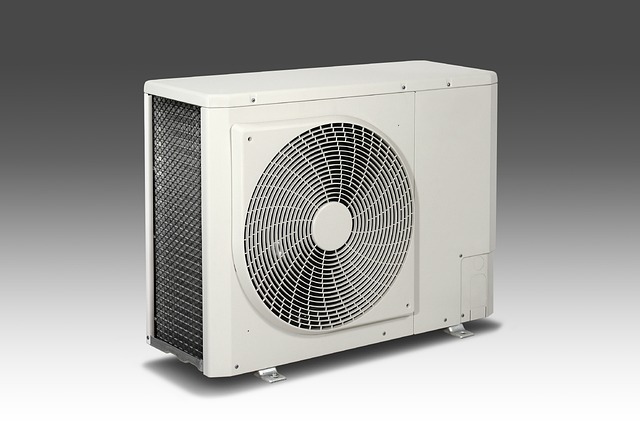
A mini split system is a compact, ductless system that provides HVAC to specific rooms or zones, instead of heating or cooling your entire home. It’s made up of an outdoor condenser and an indoor air handler, which are hooked up by refrigerant lines. It’s incredibly energy-efficient and perfect for homes that need personalized comfort.
2. Can a mini split handle an open concept home?
Yes, mini split systems are a good option for an open-concept home. Their high-capacity air handlers keep larger, open-concept homes at the perfect temperature from room to room for comfort that’s blissfully uniform.
3. What are the key benefits of mini splits for open homes?
The benefits of mini splits include energy-efficient, zoned climate control and quiet operation. Most importantly, they fit the bill if your house has an open concept layout, keeping your home comfortable without requiring extensive ducting.
4. How should I position a mini split in an open concept space?
Install the air handler on an interior wall or other centrally located area for the best airflow. Don’t put it next to heat-producing appliances or under direct sun.
5. Are multi-zone mini split systems better for open concept homes?
If your open concept home has different spaces requiring varying levels of heating and cooling, multi-zone systems are perfect. In doing so, they provide customized comfort to every zone.
6. Are mini splits cost-effective for open homes?
Answer: True Energy efficiency is one of the biggest benefits associated with mini splits. They prevent energy loss that comes from ductwork, saving you even more money over time.
7. How do I maintain a mini split system for the best performance?
This includes cleaning the filters once a month, checking the outdoor unit for debris, and having professionals conduct annual maintenance. With the right maintenance, these systems will run efficiently and last for many years to come.
Enhance Comfort With Trusted Mini-Split System Installation From Superior Mechanical Services
Is your home struggling to maintain a comfortable temperature year-round? For reliable and efficient climate control, trust Superior Mechanical Services, Inc. for expert mini-split system installation solutions. Since 1948, we have been the go-to experts for residential and commercial HVAC needs, including professional mini-split system installation.
Our certified technicians specialize in carefully installing state-of-the-art mini-split systems using advanced techniques to maximize performance and energy efficiency. From thorough assessments to precise installations, we work diligently to ensure your mini-split system provides consistent comfort and efficiency.
Don’t let an outdated or inefficient cooling and heating system compromise your comfort—contact us today for expert mini-split system installation. With over 70 years of experience, Superior Mechanical Services is dedicated to keeping your home or business comfortable and efficient all year long. Your satisfaction is our top priority!
________________________________________________________________________