What Health Risks Can Arise from Ignoring a Faulty HVAC System?
Ignoring a faulty HVAC system can lead to several health risks, such as poor air quality, mold growth, and higher chance of illness. When the system isn’t working properly, dust, pollen and other small particles can accumulate and circulate through the air. Mold can flourish in moisture spots inside the unit, allowing spores to infiltrate the air one breathes. In areas of poor air circulation, carbon monoxide and other gases can accumulate, endangering individuals with symptoms such as headaches, fatigue, and potentially worse damage. To maintain safe indoor environments, it pays to understand these risks. In the second half, we’ll deconstruct each health risk and how to detect early warning signs.
Key Takeaways
- Ignoring a faulty HVAC system can compromise indoor air quality, exposing residents to respiratory distress, allergic reactions, and long-term health issues due to the circulation of pollutants and allergens.
- Routine care, such as regular filter changes and duct inspections, is necessary to avoid accumulation of dust, mold, toxic fumes and carbon monoxide, which are all hazardous to your health.
- Children, seniors and those with underlying health issues are particularly susceptible to compromised air quality and system neglect.
- Incorporating regular inspections, employing air quality monitors, and upgrading smartly can identify problems early, maximize efficiency, and maintain a healthy indoor atmosphere.
- Proper humidity control and immediate repair of mechanical faults help minimize mold, pests and fire hazards – all of which endanger health and property.
- Preventative HVAC care protects more than just our physical and mental health, it helps alleviate unnecessary financial burdens by avoiding expensive emergency repairs and optimizing system efficiency.
What Are The Health Risks?
Neglected HVAC systems can result in a number of health problems —typically as a result of bad air quality and the transmission of contaminants. Typical risks are respiratory complications, allergic responses, toxic chemicals, carbon monoxide, and systemic inflammation. Every risk impacts individuals in particular ways and may be fatal if neglected.
Respiratory Distress
Defective HVAC systems cause poor ventilation, which can exacerbate asthma and bronchitis among those afflicted.
Lingering stale air can facilitate the spread of viruses and bacteria. Individuals can experience increased coughing, wheezing or shortness of breath. These symptoms can be an indication of underlying HVAC issues, especially if they intensify in your residence. Clean air filters reduce dust and pollen, which decreases the risk of flare-ups.
Allergic Reactions
Dust mites, mold spores and pollen are rife in overlooked HVAC systems.
If the system is not cleaned, these allergens accumulate and are circulated through the air. High humidity, resulting from a system in disrepair, allows dust mites and mold to flourish even faster. That exacerbates allergy symptoms, such as sneezing or itchy eyes, in those vulnerable to such provocations. Mediocre indoor air quality from nasty ducts can signify a lot more allergy strikes, so consistent duct cleaning is important.
Toxic Exposure
It turns out, unmaintained HVAC equipment can be a breeding ground for harmful bacteria and viruses.
Bad ventilation captures VOCs from cleaners, paints or building materials. Inhaling these for a prolonged period can cause headaches, nausea, or more serious health issues. Effective air filtration is required to keep such toxins from indoor air.
Carbon Monoxide
Carbon monoxide is a HUGE risk with gas-powered HVACs.
It’s odorless and colorless so it’s easy to miss. Headache or dizziness could be the sole indicator. Carbon monoxide detectors are a must! Regular system checks help catch leaks early.
Systemic Inflammation
Chronic exposure to contaminated indoor air triggers inflammation across the body. Pollutants from bad HVAC upkeep can exacerbate illnesses like heart issues or diabetes. Maintaining clean HVAC systems and employing air purifiers are beneficial.
The Unseen Dangers
Overlooking a malfunctioning HVAC system can silently endanger health. Such hazards aren’t necessarily obvious, but their effects can be wide-ranging, particularly for kids, seniors and the health compromised. Stale air, fluctuating temperatures and contained toxins all contribute to sabotaging wellness — which is why routine upkeep is a must for a secure, cozy space.
Cardiovascular Strain
| Air Quality Factor | Possible Cardiovascular Issue |
| High particulate matter | Increased blood pressure |
| Carbon monoxide buildup | Reduced oxygen delivery to heart |
| Temperature swings | Heart rate variability, stress |
| Poor ventilation | Worsened symptoms for heart patients |
Uncomfortable indoor environments — too hot in summer, too cold in winter — can increase stress, taxing the heart. For those with underlying conditions, this strain can be severe. When the air is stagnant or dust-laden, the heart labors more, particularly for the weak.
Neglect regular HVAC inspections and you’ll have hot and cold spots. A system that can’t maintain rooms around 22°C (72°F) can induce cardiovascular symptoms. It’s worth a small annual service—around $200 or so—that maintains temperature and guards hearts.
Neurological Effects
Bad air makes the head swim. Extended exposure to indoor pollutants from a compromised HVAC system is associated with headaches, fatigue, and even mental slowing. These minor symptoms add up, particularly in work or academic environments.
Airflow is important. If the system doesn’t clean and move air as it should, dangerous particles linger. This can trigger migraines or cause difficulties in concentration. Timely filter changes, which can be done for less than $100, have obvious dividends for the brain and prevent costly repairs down the line.
Mental Well-being
Residing in an environment that’s constantly too warm, too cool, or stale can amp up your anxiety and tension. These compounding effects are even worse if individuals already struggle with mental health issues. Fresh air and comfort are the spices of a good temper.
Good HVAC care is good for your health. Maintenance saves energy, reducing bills and simplifying life, month after month.
Interconnected Health Risks
HVAC problems can pile up, impacting the heart, mind and mood.
All aspects of health are connected with the atmosphere of the house.
Neglect costs more than money—it can cost well-being.
Small fixes now mean fewer health risks later.
Why Do HVAC Systems Fail?
HVAC systems are critical for safe, comfortable living spaces. When they fail, the impacts extend well beyond discomfort — frequently exposing building occupants to potentially severe health hazards and costly reactive maintenance. Timely maintenance and routine check-ups are a key piece of the prevention puzzle for breakdowns and health hazards.
| Common Failure Cause | Health Implications |
| Clogged Filters | Poor air quality, respiratory issues |
| Ductwork Leaks | Dust, allergens, uneven temperatures |
| Moisture Buildup | Mold, mildew, exacerbation of allergies/asthma |
| Mechanical Wear | Carbon monoxide risk, sudden loss of heating/cooling |
Clogged Filters
Dirty air filters obstruct airflow and capture dust, pollen, and other airborne debris. Over time, this reduces indoor air quality, which can decrease your ability to breathe and exacerbate asthma or allergies.
If not changed, filters can cause the HVAC system to work harder — using more energy and increasing bills by as much as 20%. Clogged filters manifest themselves as rooms that never seem comfortable, weird odors, or spikes in energy consumption. For example, replacing filters every few months keeps air clean and helps the system run well.
Ductwork Leaks
If ducts leak, for example, heated or cooled air escapes before it ever makes it to living areas. Which means the system operates harder, more expensively, and still leaves rooms too hot or cold. Leaky ducts suck in dust and allergens, complicating cleaning efforts.
Watch out for symptoms like one room perpetually feeling stuffy, or dust accumulating more quickly than normal. Sealing leaks and inspecting ducts annually reduces expenses and maintains fresher air. New, well-sealed duct system means less wasted energy and more comfort.
Moisture Buildup
Excess moisture in ducts or drip pans can allow mold and mildew to thrive. Mold spores floating about can spark allergies, coughs, and worse — particularly in kids or the elderly. High humidity makes areas sticky and unpleasant as well.
While dehumidifiers and routine inspections for leaks or puddles maintain moisture control. Moisture issues sometimes manifest as mildew odors or black marks on walls and ceilings. Catching these early avoids larger health hazards.
Mechanical Wear
Mechanical components break if not maintained. Old fans or cracked heat exchangers can break down, sometimes allowing carbon monoxide to leak into rooms. Grinding noises, weak airflow, or odd smells are trouble signals.
Small fixes prevent big emergencies. Annual servicing appointments catch worn parts before they break.
How To Diagnose Problems?
Diagnosing HVAC problems early is crucial to prevent health hazards associated with poor air quality and system malfunctions. Being proactive catches problems before they become dangers, such as mold or carbon monoxide leaks, sneaky health menaces. With smart approaches, from technology to routine inspections, you can help create a safer indoor environment for your entire family.
Sensory Clues
Strange noises—such as banging or whirring—can indicate loose or broken components within the HVAC unit. Odd smells, like a musty smell, can indicate mold or mildew – particularly if your system is wet. Dust accumulation on vents or water stains in the vicinity are obvious indicators that something’s amiss, be it a clogged filter or leak.
Temperature swings that don’t mirror thermostat settings, or rooms that feel stuffy, can indicate underlying issues with airflow or defective thermostats. Trusting your senses and checking for these clues helps catch trouble before it grows.
Air Quality Monitors
Air quality monitors detect typical pollutants such as dust and pollen and VOCs, providing instant insight into indoor air quality. They monitor humidity and temperature, both important for comfort and for preventing mold growth. Detecting quick jumps in humidity or air quality decline can induce filter changes or deeper inspections for leaks.
Integrating air quality monitors into a regular HVAC plan detects unseen dangers before they become apparent. For instance, a carbon monoxide monitor is crucial to gas heat systems to detect hazardous leaks early.
Professional Inspection
One or two professional inspections a year keep HVAC systems running right and safe. Licensed professionals can sniff out quiet problems, such as carbon monoxide leaks or bad wires. They inspect essential components—heating, ventilation and air conditioning—for deterioration, moisture and obstructions. Because they’re experts they can repair issues before these become emergencies or big repair bills.
Regular service from experienced professionals provides relief and increases both equipment longevity and indoor air quality, decreasing unexpected malfunctions and health concerns for all occupants.
Your Proactive Health Strategy
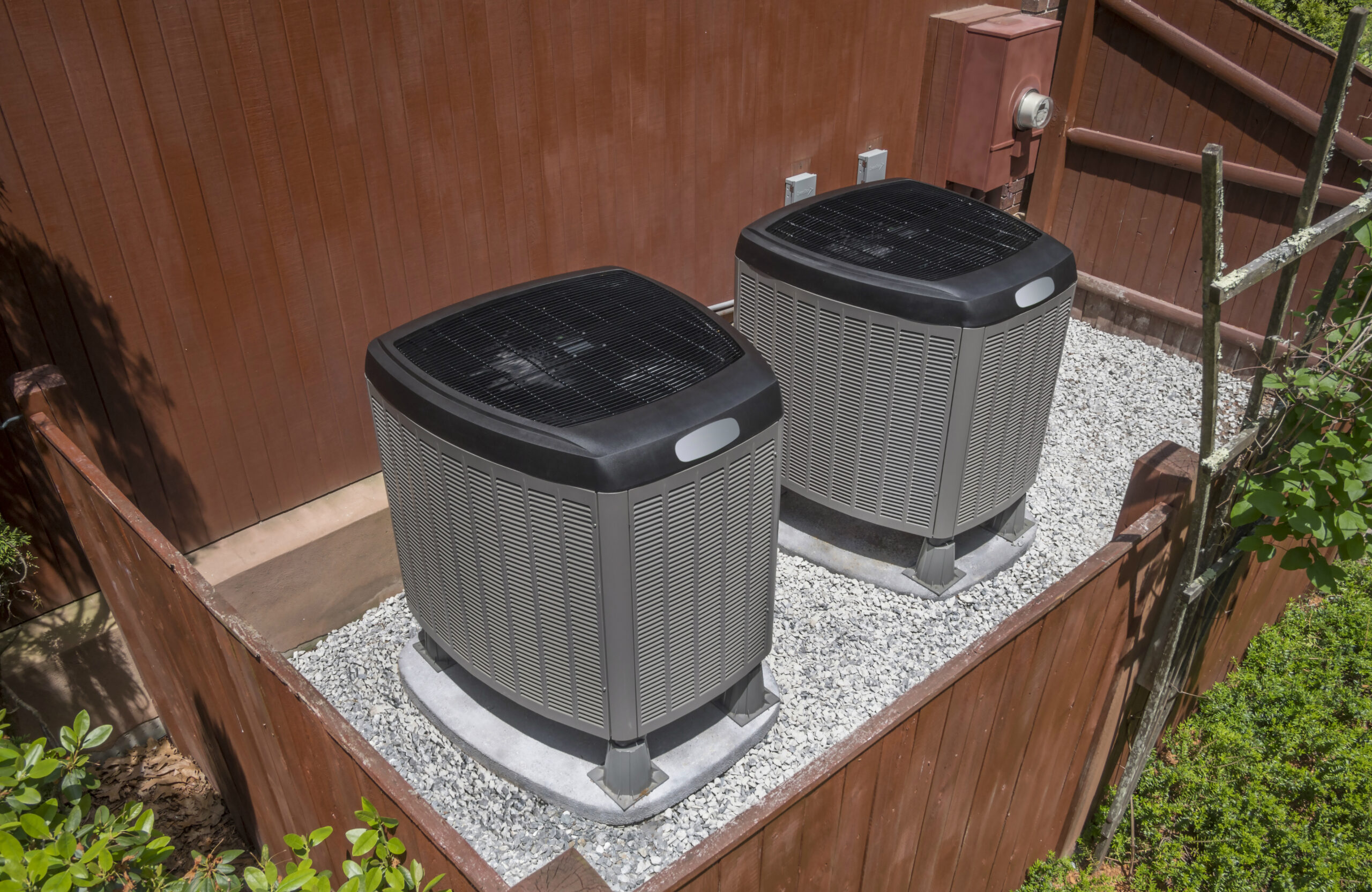
A broken HVAC can silently influence the wellness and coziness of your home. Your proactive health strategy begins with routine HVAC maintenance that prevents hidden dangers such as mold, mildew or even carbon monoxide leaks. For a practical approach, focus on these components:
- Set up routine inspections and filter changes
- Schedule seasonal tune-ups for system safety
- Invest in humidity monitoring and control
- Upgrade to smart, energy-efficient solutions
- Make HVAC care part of your home health routine
Routine Maintenance
Being proactive about regular HVAC upkeep saves your air and system longevity. A regular checklist should include: changing or cleaning filters, checking for leaks, inspecting ductwork for dust buildup, reviewing thermostat settings, and testing safety controls. These efforts assist in identifying early symptoms of issues, such as moisture accumulation or poor ventilation, before they evolve into expensive fixes or health risks.
Regular maintenance can translate to less system failures, more energy savings, and consistent indoor comfort even when the weather fluctuates. More importantly, it can avert life-threatening hazards like carbon monoxide leaks in fuel-burning units, which, if unnoticed, can be deadly.
Filter Discipline
A strict filter change schedule keeps your HVAC system humming at peak efficiency. Dirty filters allow dust, pollen and other irritants to circulate, causing respiratory distress or allergy symptoms to spike. Fresh filters go a long way for indoor air, particularly if you reside in a congested city or have furry friends.
Set monthly, or as recommended, reminders for filter changes. Always operate the filter designed for your system. A basic calendar reminder or sticker in the vicinity of the system can keep you honest.
Humidity Control
- Use dehumidifiers in damp areas
- Set up humidity sensors for real-time tracking
- Repair leaks and seal windows to control moisture
- Ventilate kitchens and bathrooms
Maintaining humidity levels between 40–60% inhibits the growth of mold, mildew and dust mites. Routine inspections keep away moldy smells, chafing, and other health consequences. Dehumidifiers, particularly in basements, are essential in humid areas.
Smart Upgrades
Modern thermostats and smart HVAC sensors enable you to monitor air quality and energy consumption. These enhancements can study your habits, conserve power, and notify you of issues immediately. Intelligent systems provide healthier, fresher air and instant control, simplifying your efforts to maintain a healthy home all year long.
Beyond The Obvious Risks
A broken HVAC system is about more than home discomfort. It can silently mold the breathing, wellness and well-being of everyone within. HVAC systems stand linked to home health in ways that may not be obvious. Skipping inspection or small fixes invites latent health dangers and structural issues. Learn everything you need to know about HVAC maintenance to keep your indoor air clean and living spaces safe.
Fire Hazards
Malfunctioning HVAC systems, particularly those that use gas to heat the indoor air, pose fire risks. Defective wiring, overheating motors, and clogged or filthy coils can all be ignition sources, especially if dust and debris accumulate. Carbon monoxide (CO) leaks present a silent threat, as undetected CO can poison or even kill in serious cases.
Routine checkups aren’t just a ritual. They detect frayed wires, rusty connectors and swap out aging components before they pose a risk. Homeowners should ensure technicians inspect both heating and ventilation components because blocked or badly vented systems trap heat, providing more opportunity for a fire to start. Maintaining clear vents and airways prevents toxic gases and heat from accumulating, a key factor in fire prevention and airworthiness.
Financial Stress
Neglect HVAC maintenance can pound your pockets. Minor issues, when neglected, can multiply into massive repair bills or even emergency replacements—way more expensive than routine maintenance. Dirty coils, for instance, can deplete cooling power by as much as 25%, increasing energy consumption and monthly costs.
A less efficient HVAC system combusts more energy, and that stress manifests quickly in utility bills. Easy things like swapping out filters or cleaning ducts can contribute to money savings over time. Budgeting and scheduling HVAC service on a routine basis is a clever tactic for homeowners, saving them from unexpected expense and prolonging systems’ durability, particularly in hot or humid locations where the calories and stress of breakdowns are prevalent.
Pest Infestations
Neglecting HVAC maintenance can invite pests into the house. Ductwork gaps, broken vent covers or clogged drains provide easy access points for rodents and insects. These pests can spread germs, cause allergic reactions and aggravate respiratory issues — particularly in areas with low indoor air quality.
Keeping ducts sealed and vents in good repair helps prevent pest invasions before they begin. Pests flourish in moist or filthy environments — the kind left behind from HVAC leaks or clogged drains. Bad indoor air quality from pest droppings or nesting can exacerbate respiratory issues such as asthma. Routine system inspections stave off bugs and health hazards.
Conclusion
So neglect repairing a broken HVAC system and you’re inviting real health issues. Mold, dust and gas leaks can accumulate rapidly. Bad air can make you cough and wheeze and feel drowsy. Kids, elderly individuals, and asthmatics encounter greater dangers.
Even easy fixes, such as dirty filters or blocked vents, can cause big trouble. To maintain a system clean is to maintain the air healthy. Each inspection can save lives — for lungs and beyond. Great air helps people work, sleep and live more. Make bite-sized moves today—catch problems early, clean or replace filters, and call an expert if it’s sketchy. Post your own tips or stories below. Your health is important.
Frequently Asked Questions
1. What health problems can a faulty HVAC system cause?
Ignoring a broken hvac system can cause respiratory problems, allergies, headaches and asthma attacks from mold and bad air quality.
2. Can ignoring HVAC maintenance increase health risks?
Yes, skipping HVAC upkeep lets dust, mold, and bacteria roam free, making everyone in your building more susceptible to sickness.
3. How does a faulty HVAC system affect indoor air quality?
Ignoring a faulty system can spread pollutants, allergens and moisture creating unhealthy indoor air and unhappy occupants.
4. What are signs that my HVAC system may be affecting my health?
Typical indicators are constant coughing and sneezing, headaches, exhaustion and aggravated allergy or asthma symptoms when inside.
5. Why is mold growth dangerous in HVAC systems?
Mold in HVAC systems emits spores into the air, which can cause allergies, asthma, and other respiratory issues, particularly for those with sensitivities.
6. How often should HVAC systems be inspected for health and safety?
Experts suggest professional checkups no less than annually, to keep the system running safely and efficiently.
7. Can a faulty HVAC system cause carbon monoxide poisoning?
Yes, faulty HVAC systems, particularly gas-based ones, can emit carbon monoxide – a tasteless, odorless gas that’s fatal to breathe in.
Restore Comfort and Reliability with Expert HVAC Repair from Superior Mechanical Services
Is your HVAC system making strange noises, blowing uneven air, or failing to keep your space comfortable? Don’t wait for a complete breakdown—Superior Mechanical Services, Inc. is here to diagnose and repair issues before they escalate. Whether you need urgent HVAC repairs, a thorough system inspection, or long-term performance solutions, our certified technicians deliver lasting results you can trust.
Since 1948, homeowners and businesses have relied on our expertise to keep their HVAC systems running smoothly and efficiently. From faulty thermostats and broken compressors to airflow issues and worn components, we fix it all—with precision, professionalism, and your comfort in mind.
Prompt HVAC repair doesn’t just restore performance—it helps prevent costly replacements, reduces energy waste, and extends the life of your system. Let us help you avoid surprise breakdowns and keep your indoor environment consistent and reliable, no matter the season.
Call us today to schedule your HVAC repair service. With over 70 years of experience, Superior Mechanical Services is committed to fast, dependable, and affordable HVAC solutions. Experience the Superior difference—reliable comfort is just a call away!
________________________________________________________________________