How Does HVAC Repair Compare to Air Duct Repair—Do You Need Both?
HVAC repair refers to repairing your heating, ventilation, and air conditioning system overall, whereas air duct repair requires you to work on the ductwork that circulates air within a structure. Both jobs impact the system’s efficiency and the air quality. HVAC repair tends to involve inspecting and salvaging the primary units, such as the furnace or AC, and ensuring their components synchronize. Air duct repair maintains the circulation and prevents dust and mold from expanding. Whether you need both really comes down to your system’s age, the issues discovered, and if your air quality or comfort has declined. The bulk of the post will discuss whether you need both or if one is sufficient.
Key Takeaways
- HVAC systems and air ducts serve distinct yet interconnected functions, requiring both to be in optimal condition to maintain efficient heating, cooling, and indoor air quality.
- Both mechanical failures in the HVAC unit and airflow problems in the ductwork lead to reduced comfort and energy efficiency, making it important to quickly diagnose and remedy issues in each system.
- By identifying early warning signs like hot or cold spots, excess dust or unexpected surges in energy usage, homeowners can address repairs quickly, sidestepping more serious and expensive problems down the line.
- Professional inspection and application of diagnostic tools are pivotal for determining if hvac or duct—or both—repairs are required to solve the problem.
- Regular maintenance, which involves inspection and cleaning of HVAC units and ductwork, is suggested to maintain system efficiency, decrease energy bills and improve comfort.
- Whether you’re getting good repairs or replacing old parts, it’s an investment for the future and talking to experienced technicians will help you determine the best and most economical options for you.
The Two Systems
HVAC and air duct systems join forces to maintain your indoor spaces comfortable and healthy. The HVAC system is the powerhouse that heats, cools and sometimes purifies the air. Air ducts then distribute this air through your home. The two systems, ducted and ductless, have different components and address different needs but both need to remain in healthy condition for optimal performance.
The Engine
Your HVAC unit is the primary driver of temperature regulation. It controls heating, cooling and airflow throughout your home. That covers everything from ducted, split and packaged central air conditioners to ductless mini-splits that consist of an outdoor unit and a small indoor unit. Although ductless solutions work for small spaces or single rooms, ducted systems span larger homes.
Inside, components such as compressors, evaporator coils and fans cooperate. Compressors circulate refrigerant, fans circulate air and sensors maintain steady temperatures. In ductless systems, reversible heat pumps are the norm—they heat and cool, providing comfort throughout the year.
Frequent inspections are crucial. Change filters each month and check refrigerant lines annually to prevent breakdowns. Without routine care, this can result in big problems — like failed compressors or blocked coils — that can lead to repairs ranging from $300 to $800, or a full replacement — often $2,000+.
The Highway
Air ducts are the expressway for air in a ducted system. They direct hot or cold air from the HVAC engine to each room, keeping space temperature stable.
Good ductwork keeps airflow smooth and even. Leaks or holes cause the system to work harder, consume more energy, and potentially leave some rooms too hot or cold. If ducts are undersized or oversized, airflow will not be right. Cleaning and visually inspecting ducts every two to three years keeps everything running well.
System Lifespan
Ducted ones have a lifespan of around 15-20 years. Ductless systems can last even longer with regular maintenance and monthly filter cleaning.
Working Together
Both systems must act as one. If they are failing — or the air ducts — comfort and air quality plummet quickly.
HVAC vs. Air Duct Repair
HVAC repair vs. Air duct repair solves different problems in an HVAC system. Where HVAC repairs are centered on the core mechanical and electrical components, like compressors or thermostats, air duct repairs focus on the physical conduits that distribute air within a structure. Understanding how these two services differ, and when you may need both, ensures your comfort is optimized.
The Symptoms
Symptoms of HVAC issues tend to manifest in inconsistent temperature, increased energy bills or odd noises from the unit.
Bad airflow and moldy smells are the hallmark symptoms for air duct problems. You may encounter dust accumulation, disparate room temperature or mold exposure. Watch for these signs:
- Dust collecting near vents
- Uneven temperatures from room to room
- Weak airflow from registers
- Musty or stale smells
- any visible signs of mold or mildew. Catching any of these early can prevent larger issues. Usually, noting what you’re noticing — like dates, changes, and specific rooms — allows a pro to identify the real reason and repair it quicker.
The Diagnosis
A standard HVAC tune-up examines electrical components, gauges refrigerant and verifies thermostat operation. Certified technicians might use trouble codes or inspect circuit boards. For air ducts, it works the other way. It can incorporate duct blasters, smoke pencils, or cameras to locate leaks, obstruction, or disconnections within the duct system.
A proper diagnosis saves money and time. When you pay an expert, they identify the failure with less speculation. Early diagnosis, particularly for systems over 10 years old, typically means you repair before major failures occur — which can translate to significant savings.
The Tools
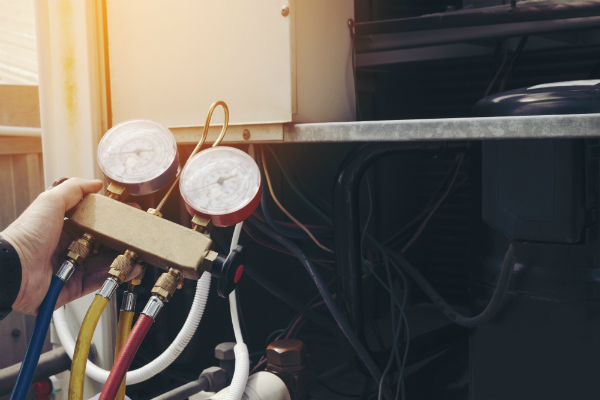
HVAC repairs require multimeters, refrigerant gauges, and leak detectors. Duct repair specialists require cameras, duct blasters and sealants. Quality tools count. For instance, a duct camera can detect concealed fractures, while a digital gauge measures pressure in real time.
Having the proper tools allows a technician to work quicker and more precise. That can translate to less call-backs and more impressive results.
The Skills
HVAC requires expertise with wiring, motors, and system logic. For air duct repair, a solid understanding of airflow, duct materials, and sealing is essential.
Experts who keep learning and have broad experience identify problems others may overlook.
Someone with both talents can detect how a faulty duct manship can strain the entire system.
Continuous training helps workers stay current with constantly evolving industry standards.
The Outcome
HVAC repairs can boost comfort and system life.
Air duct repairs breathe cleaner air and lower bills.
Both together give a more stable indoor space.
Long-term care saves money.
When Both Need Attention
There are decisions to be made when both HVAC repair and air duct repair have to be done at the same time. For instance, if your system isn’t heating or cooling evenly, or you discover dust and odors emanating from your vents, then both your HVAC unit and ducts are probably not functioning as they should. If your air ducts are over 15 years old or have mold, or if you notice leaks that linger after simple repairs, this usually means a complete replacement is necessary. Ductwork can last 10 to 15 years if maintained, so if your duct system is older than that, or you see steep energy bills even after other upgrades, it may be time to consider both the HVAC unit and the ducts in tandem.
If you neglect one piece of the system, issues can hop from one place to another. For instance, if your ducts are leaking, your HVAC unit must overcompensate to maintain the correct temperature. This can burn out your system quicker and cause pricier repairs. If the unit is malfunctioning, it can blow too much pressure or the incorrect temperature air into the ducts leading to cracks, loose joints, and even mold, if there’s moisture around. This cycle can continue until both the unit and the ducts require major repairs or replacement. Repairing just the HVAC or just the ducts may provide a temporary solution, but the other half might still come back to bite you.
Periodic inspections are essential for both. Professionals recommend having your ducts professionally cleaned every two to five years, but if you have pets, allergies, or notice more dust, you might need the service more frequently. A thorough inspection of both the HVAC and ducts can detect leaks, mold, or other damage early, allowing you to repair minor problems before they escalate. If your ducts are below 15 years old and leakage is under 15%, repairs are generally sufficient. If you’re saddled with ancient, leaky ducts and high bills, replacement may be the wiser move, even if it can set you back between $1,500 and $7,000+ in cost. Booking a full check-up for both systems keeps your home comfortable and your energy use in check.

Repair or Replace Ducts?
Air duct systems are an important piece of the puzzle when it comes to HVAC efficiency, air quality and comfort. Whether you should repair or replace your ducts hinges on the age, condition and long-term goals of the system. Here’s a closer look at both options.
The Case for Repair
Small leaks, minor blockages, or isolated damage tend to render repair a practical option. If the ductwork is under 10 years old, repairs can rejuvenate function without the increased expense of full replacement. For example, sealing a small leak, or patching a little hole, can save air loss and keep maintenance funds under control.
Expert evaluation is crucial. They test for leaks, check the joints and test airflow using specialized tools. They assist in determining whether a repair will fix the problem or if there are underlying problems. When they’re caught early, timely repairs lengthen the life of ductwork — often pushing replacement out by years. Properly sealed ducts can maintain air loss below 5%, versus the 20–30% seen with substandard installation.
The Case for Replacement
Ducts over 15 years old or that have been constructed from obsolete materials should likely be replaced entirely, particularly if there’s extensive rust, mold, or collapsed areas. If repairs become frequent, or if the system’s efficiency drops, new ductwork may be the answer.
New ducts provide enhanced air flow, reduced noise and more efficient energy consumption, all of which lower your monthly bills. Employing superior materials guarantees longevity and less trouble later on. For allergy or respiratory concerns, new ducts signify cleaner air by avoiding dust and mold accumulation. Replacement costs vary from $454 to more than $2,000 (or $10–$35 per metre), and the investment pays off in enhanced comfort and reduced repair requirements.
When Replacement Is More Cost-Effective
| Scenario | Repair | Replace |
| Ducts under 10 years, minor leak | ✓ | |
| Ducts over 15 years, major damage | ✓ | |
| Frequent repairs needed | ✓ | |
| Mold, rust, or collapse present | ✓ |
Consult a Professional
Homeowners should always consult with the pros to tailor solutions to their needs.
A customized plan prevents throwing money out the door and keeps comfort levels elevated.
Your Long-Term Strategy
Intelligent HVAC and duct upkeep demands a strategy that extends beyond short-term solutions. Both are linked to your home’s ability to retain warmth or coolness, your monthly bill, and the life of your installation. If you bypass checks or procrastinate on repairs, you could pay a premium down the road. Homeowners should be proactive and get into the habit of arranging comprehensive visits from the HVAC unit and ductwork inspections. As a good rule, have ducts checked every couple or three years and change air filters monthly. These tiny measures maintain pure air, prevent system overexertion, and may reduce energy consumption.
Older systems—say, 10 or 15 years+—tend to require more repair. If you continue patching up an old system, expenses accumulate. The $5,000 rule helps: if the repair bill times the system’s age is more than $5,000, it’s time to consider a new unit. New ones consume less and with consistent maintenance may survive for 20 years. For ducts, the tale is similar. Ducts can survive 15 to 20 years, however, leaks or dust accumulation can reduce their lifespan. When your ducts get old, new ductwork can translate into quieter rooms, less drafts, and smaller bills.
It’s worth paying for good gear and not blending brands or old and new components, as compound systems can drive up expenses or compound demise. Going for a smart thermostat is yet another energy saver that puts you in control. Don’t forget warranties — if your system is out of warranty, repairs might not be worth the money.
A reliable HVAC contractor makes all the difference! They know what to check for. You can catch issues before they become big and can advise when to fix or replace. Their wisdom saves you expensive shocks and keeps your system operating properly.
Conclusion
Both HVAC and air duct repair is important in order to maintain your indoor air clean and your system running smooth. HVAC repair handles the core unit—fans, coils, compressors. Air duct repair keeps the air pathways clear so air flows freely. Ignoring one can force the other to toil too hard and rack up your bills. Dust, leaks and weak airflow all manifest themselves when either side breaks down. A smart plan verifies both, not just one. For instance, a leaky duct can cause your heater to overwork. Or a leaking coil can leave pristine ducts with stale air. Want your system to live longer? Be on the lookout for minor indicators, be sure to inquire, and seek assistance when something seems off.
Frequently Asked Questions
1. What is the main difference between HVAC repair and air duct repair?
Hvac repair pertains to the unit. Air duct repair, on the other hand, deals with the network of ducts that deliver air in your home or office. Both are crucial for comfort and efficiency.
2. Can I repair air ducts without servicing the HVAC unit?
Of course, you can repair air ducts alone. Busted ducts could be an indicator of problems with your HVAC. Check both on a regular basis for optimal performance and indoor air quality.
3. Do I need both HVAC and air duct repair at the same time?
Not necessarily. If they both exhibit issues—such as inadequate airflow or energy consumption—repairing both during servicing might be required. Professional inspection can help you decide!
4. How does repairing air ducts improve my HVAC system?
If you need your ducts sealed or repaired, it stops air leaks. This enhances airflow, cuts down on energy waste, and makes your HVAC system run more efficiently. It promotes improved indoor air quality.
5. When should I replace air ducts instead of repairing them?
Swap out air ducts if they’re past their prime, torn to shreds, moldy or un-cleanable. New ducts can give you a lift in efficiency and air quality at your home or place of business.
6. Will fixing my HVAC or ducts lower my energy bills?
Yes. Repairing either system can help reduce energy loss, lower your utility costs and make your space more comfortable. Well-maintained units have less energy to run.
7. How do I know which repair I need first?
Look for signs: weak airflow often points to duct issues, while uneven temperatures or strange HVAC noises may signal system problems. A professional can diagnose and suggest the optimal procedure.
Restore Comfort and Reliability with Expert HVAC Repair from Superior Mechanical Services
Is your HVAC system making strange noises, blowing uneven air, or failing to keep your space comfortable? Don’t wait for a complete breakdown—Superior Mechanical Services, Inc. is here to diagnose and repair issues before they escalate. Whether you need urgent HVAC repairs, a thorough system inspection, or long-term performance solutions, our certified technicians deliver lasting results you can trust.
Since 1948, homeowners and businesses have relied on our expertise to keep their HVAC systems running smoothly and efficiently. From faulty thermostats and broken compressors to airflow issues and worn components, we fix it all—with precision, professionalism, and your comfort in mind.
Prompt HVAC repair doesn’t just restore performance—it helps prevent costly replacements, reduces energy waste, and extends the life of your system. Let us help you avoid surprise breakdowns and keep your indoor environment consistent and reliable, no matter the season.
Call us today to schedule your HVAC repair service. With over 70 years of experience, Superior Mechanical Services is committed to fast, dependable, and affordable HVAC solutions. Experience the Superior difference—reliable comfort is just a call away!
________________________________________________________________________