What Happens to Your Indoor Air Quality If You Delay HVAC Repairs?
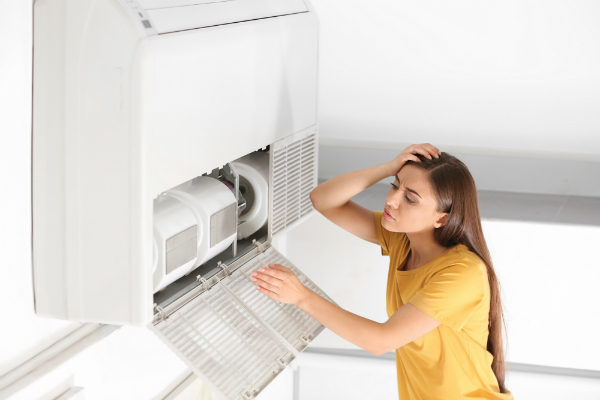
Indoor air quality declines steadily when you put off HVAC repairs. Filters and vents clog with dust and pollen, and moisture accumulates in ducts, increasing the potential for mold. Broken parts may hinder air flow, so stale air just hangs and odors cling. Poorly working fans or coils can make humidity hard to control, which helps dust mites and microbes thrive. For your home and your office, this results in even more airborne allergens and decreased circulation of fresh air. Those who suffer from asthma or allergies may experience heightened symptoms. To sustain the air clean, prompt maintenance and periodic inspections are crucial. The main body will discuss these effects in more detail and provide advice to avoid long-term damage.
Key Takeaways
- Here’s what happens to your indoor air quality if you postpone the HVAC repairs.
- Damaged HVAC moisture is a breeding ground for mold and bacteria that inflame infections and endanger your health — especially in humid climates.
- Since allergens, dust and odors can be trapped in poor filtration and stale air, changing filters and ventilating your home is important to keep the air fresh.
- Children, the elderly, and people with long-term illnesses are most at risk for health complications caused by bad indoor air quality, so don’t wait to get repairs completed.
- What happens to your indoor air quality when you delay hvac repairs
- Active air quality monitoring, regular upkeep and timely professional attention are important measures to protect both health and your wallet.
The Air Quality Decline
Putting off HVAC repairs can dramatically degrade the air you breathe inside. We forget that indoor air can be as much as 5 times more polluted than outdoor air, and on occasion even 100 times worse. Indoor air quality affects health in the moment – allergies, respiratory issues, headaches, and even elevated risk of infections or chronic conditions. Bad air is bad for productivity, bad for well-being, so it’s important to understand how HVAC procrastination can exacerbate the situation.
Pollutant Buildup
An overlooked HVAC system results in failing air filters, allowing dust, pollen and allergens to circulate. That translates to increased sneezing, itchy eyes, and misery, particularly for asthmatics and allergy sufferers.
Bad airflow allows contaminants and smells to linger in the air–a major issue in enclosed spaces. After a while, these airborne pollutants fall onto surfaces and into your lungs. Even minor particles, such as tobacco smoke or VOCs are hazardous—some even being carcinogenic.
Stale indoor air gets worse as air flow decreases, causing stuffiness and health risks. Regular filter changes are an easy way to keep pollutant levels down and air freshener.
Microbial Growth
Stagnant water from leaky HVAC components creates an ideal breeding ground for mold and bacteria. Mold spores can drift through the air causing respiratory problems or infections, particularly in those already vulnerable.
Mold signs are subtle at first—a musty odor, or stains on walls or vents. If unchecked, the danger increases, as does the harm. Having a professional service and inspecting the system halts these hazards before they propagate.
Humidity Imbalance
Uncontrolled moisture from a broken HVAC introduces additional dangers, from clammy discomfort to cracked skin and sore throats. High humidity, over 50%, allows mold and dust mites to thrive, while low humidity below 30% dries out airways and skin.
Just the right humidity is essential for health and comfort. Humidifier or dehumidifier use maintains indoor levels in the 30-50% range, which is recommended to keep mold at bay and reduce allergies.
Reduced Filtration
Dirty or clogged HVAC filters allow dust, allergens, and bacteria to pass through unchecked.
It exacerbates allergy symptoms and reduces overall air quality.
Airflow is slowed down by dirty coils and clogged filters, making the system inefficient.
Service and filter changes make the filtration better and assist you in breathing easier.
Stagnant Air
Still air means more dust, odors, and discomfort.
Odors and allergens stick around longer with bad airflow.
Fans and open windows do some good, but only if the HVAC is operating efficiently.
Regular checks keep ventilation working as it should.
Your Health at Risk
Bad indoor air quality from a faulty HVAC system can deliver both rapid and slow damage to your health. These issues can manifest as headaches, coughs and chronic respiratory problems. For others, such as children, older adults or those with compromised immune systems, the risk is greater. These repairs, if not addressed, are putting your entire family’s health at risk.
Immediate Symptoms
Coughs, sneezes, headaches—these are the early warnings that the air in your home is less than fresh. When your HVAC system breaks, it can’t screen dust, pollen or other airborne particles.
Even a brief exposure to bad air can make it seem like you’re breathing harder, particularly if you feel new or intensified symptoms. This may be an indicator that your system is out of whack and needs a tune-up — not just for comfort, but to prevent bigger dangers from developing.
Chronic Conditions
Those with asthma or allergies are likely to feel the brunt of bad air. These can get worse if the system remains unfixed.
- Ongoing exposure can lead to long-term breathing problems.
- Allergies may get worse, leading to more doctor visits.
- More humidity from a broken AC equals extra mold, which is terrible for lungs.
- Carbon monoxide leaks from broken systems can be deadly.
- Postponed fixes can increase dangers to those with compromised lungs or immune systems.
Routine maintenance and fast fixes are a no-brainer way to reduce these dangers.
Vulnerable Groups
Kids, seniors and the sickest among us suffer indoor air mess the quickest. Their bodies have a harder time combating stress from heat, high humidity, or dirty air.
For these populations, even mild symptoms can precipitate dramatic outcomes. Heat stroke threatens at the end of a hot month’s end with an AC breakdown. Air-borne mold or a slow carbon monoxide leak can make a minor issue into a life threat.
- Check airflow and air quality often.
- Watch for signs of heat stress or illness.
- Fix units right away when problems start.
- Keep emergency contacts ready.
Prevention
Timely repairs and consistent maintenance assist in keeping air clean and safe. They prevent fires, tension, and wasted working time.
The Financial Consequences
Putting off HVAC repairs affects indoor air quality and your wallet. Even minor issues, untreated, can blossom into expensive fixes or even force you into an early, costly replacement. Regular maintenance and prompt repairs are essential to cost savings in the short and long term.
| Potential Consequence | Description | Cost Range (USD) |
| Higher Utility Bills | System works harder, uses more energy | +25–40% on bills |
| Major Repairs or Replacement | Small issues worsen, causing breakdowns | $300–$5,000+ |
| Shortened System Lifespan | Neglect wears parts, leads to early failure | Replacement: $4,000–$12,000 |
| Lost Savings Opportunities | Old, faulty systems miss energy-efficient upgrades | Ongoing monthly losses |
Higher Bills
When your HVAC systems lose efficiency from wear or small malfunctions, they pull increased power to keep space comfortable.
A clogged filter or leaking duct, for instance, forces your system to run longer cycles which can tack on 25-40% to your monthly bills in recent studies. For most families, that’s a huge budget pressure — particularly down the line. Energy bill spikes could be an early indicator. If you ignore these increases, costs can accumulate rapidly. Booking repairs early, when you first spot a shift in performance, can help reboot system efficiency and keep costs under control.
Major Breakdowns
Something minor — a bad capacitor or clogged drain line — if it’s not repaired — can bring the whole system down.
Repairing an emergency is usually a lot more costly. Take, for example, an easy $50 repair that gets ignored until it’s a $1,000 repair or, even worse–a replacement. Preventative fixes are cheaper and prevent emergency, big-ticket bills. Fixing small mechanical issues ahead of time keeps your total expenses low and avoids throwing your schedule out of whack.
Shorter Lifespan
Ignoring regular repairs can shave years from your HVAC system’s life.
Regular upkeep keeps the majority of units going 15 years, but neglecting repairs can send you straight to a new unit way earlier. Aging infrastructure, already vulnerable to decay, decays more quickly when minor issues are overlooked. Booking annual check-ups is the most economical way to keep systems humming for longer and escape premature replacement’s hefty price tag.
Prioritize Timely Repairs
Prompt repairs lower costs.
They keep your system running longer.
Delays mean more expense.
A quick response is best.
The Silent Damage
HVAC issues commonly inflict damage that is not immediately visible. Many building owners overlook these problems before they become serious. Indoor air can be five times as dirty as outdoor air, even as much as 100 times. Postponing repairs allows latent dangers to flourish, resulting in increased expenses and health concerns. Neglecting these issues can reduce your system’s lifespan, create uneven temperatures, and even endanger your safety.
Structural Integrity
HVAC leaks can allow water to seep into walls or flooring. Over time, this moisture deteriorates wood, drywall and even steel frames. Sure you’ll see stains or soft areas, but a lot of the damage remains elusive until it worsens.
If you allow leaks to persist, mold and mildew will take hold. Indoor humidity needs to remain 30-50%. Excess moisture supports mold growth, which damages the structure as well as air quality. Mold, once it spreads, is hard to remove and repairs are costly. Handling HVAC leaks quickly assists to maintain the integrity of your home and avoid long-term damage. Routine inspections can detect these problems in their infancy, saving on expensive repairs down the road.
Odor Penetration
Stubborn odors aren’t just annoying, they can indicate a more serious issue with your HVAC. Leaky systems allow dust, mold or even vermin to accumulate in ducts. These smells can persist well beyond just scrubbing the rooms themselves.
By not addressing the source, it allows the odors to fester and seep into fabrics, carpeting, or furniture. Fast care—duct cleaning and leak repair, for example—can improve air quality and prevent odors before they linger. Professional cleaning extracts the deeper perpetrators of the scent.
Warranty Invalidation
Most HVAC warranties demand evidence of consistent maintenance. If you delay necessary repairs, the warranty could be rendered void. Which means if it fails, you cover everything. Maintenance and repair records are essential for warranty purposes.
On-time repairs maintain your warranty. Neglecting repairs endangers you financially—particularly if a key component blows.
Why Repairs Escalate
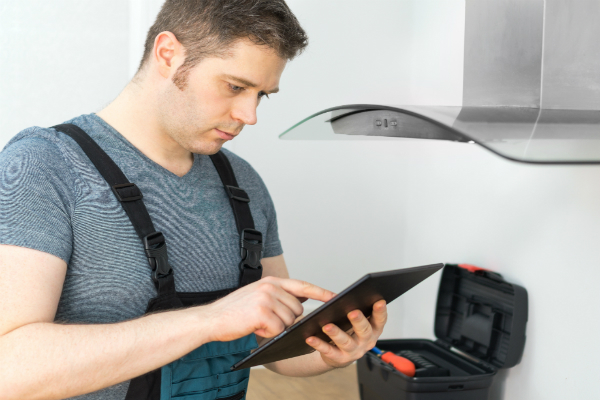
A small defect in one area can stress the entire system, causing other parts to compensate and accelerate deterioration. As this cycle continues, it doesn’t take long for a basic repair to spiral into an expensive, affect-everybody meltdown. Neglecting even small things now could make you have to do an entire replacement later, not to mention endanger safety and waste energy. On time maintenance such as this helps prevent this escalation and keeps your system purring.
The Domino Effect
A minor problem in your HVAC—such as a worn fan belt or a clogged filter—may not feel like an immediate threat. These small defects can rapidly set off a domino effect across the network. A blocked filter, for instance, causes the blower motor to overexert itself, which in turn may overheat and die — possibly harming other components associated with airflow and cooling cycles.
Neglecting repairs themselves places additional stress on the HVAC. To compensate, the system has to run longer and harder to obtain the desired temperatures, particularly during peak usage times. This causes the risk of other components breaking to increase, making the original issue far more serious than it would be if caught early.
Component Strain
A bad compressor or motor strains other parts, like coils and fans. These stressed-out components then encounter more friction and heat, which speeds their decay.
Repairing a single struggling part early can unclog the rest. For instance, swapping out a dying capacitor helps the compressor run at normal load, enhancing efficiency and reducing wear across the entire unit.
System Failure
Over time, repeated strain and neglected repair merge into total system failure. Emergency repairs or complete replacement is inevitable and usually in the hottest months when you need the AC the most.
Preventative upkeep minimizes the risk of a hard crash. Inspections can catch minor defects before they knock the system down, saving both time and money.
Safety and Longevity
Repair delays can easily shave years off your HVAC system’s life, in some cases cutting its 10–15 year life span in half.
There’s additional danger—failing equipment can generate electrical anomalies, at times resulting in fires.
Regular service aids in staving off these dangers, assisting both safety and performance.
Proactive Air Management
Proactive air management is about taking action before indoor air troubles get out of control. Because 86% of our time is spent indoors, people’s health and comfort are reliant on great air. Air inside buildings can be five times worse than outside air, sometimes even 100 times worse. Consistent HVAC maintenance and monitoring can identify issues early, maintain humidity in the optimal 30–50% range, and help avoid catastrophic damage such as heat stroke when it’s hot.
Monitor Your Air
Testing indoor air isn’t only for big offices. Basic air sensors or monitors can indicate particle and gas levels. If readings spike, it can indicate the HVAC system requires attention.
Track air numbers, when air feels stale, or smells stronger. This history helps identify patterns linked to HVAC efficiency. Take this information to plot out maintenance, like every 3 – 5 years you get your ducts cleaned, and a couple check ups a year. These measures help to keep air purer and the equipment effective.
Temporary Solutions
If your HVAC system is down or awaiting repair, utilize air purifiers with HEPA filters to catch dust and pollen. Install fans to circulate air, which reduces stagnation. Fans do not eliminate pollutants.
Use a portable humidifier or dehumidifier to maintain humidity between 30 and 50% to restrict mold, particularly in damp rooms. These steps assist, but they don’t address core issues. Get a permanent fix by calling for repairs as soon as you smell trouble.
Know When to Call
If you have strange noises, odd smells, or rising indoor humidity — that’s HVAC trouble. If the air feels stale, or comfort plummets for days, best call a skilled technician.
Never disregard warning signs. Lingering issues generally indicate larger problems within the system, such as clogged filters or malfunctioning fans. That’s where a licensed HVAC professional can inspect, diagnose and repair these promptly, maintaining fresh air safe and healthy for all.
Conclusion
Furthermore, deferring these repairs allows dust and mold to accumulate. Your air begins to feel heavy. Breathing becomes hard. People with allergies or asthma suffer more. Bad odors linger. Filters get clogged. Fans pause. Little leaks become large. Bills spike. Little repairs balloon into big projects. Over time, gear goes to hell fast. Indoor air loses its crispness. Clean air escapes. Lo and behold, many folks observe their sleep and concentration plummet.
Stay ahead of the air by taking action now. Catch them before they spread. Call a reliable tech. Ask, receive clear answers. Your wellness and comfort count. Leave your own advice or questions in the comments! Let’s keep the air safe and clean for all of us.
Frequently Asked Questions
1. What happens to indoor air quality if HVAC repairs are delayed?
If you put off HVAC repairs what does that do to your indoor air quality? This can render the air unhealthy to inhale.
2. Can poor HVAC maintenance affect my health?
Indeed, bad HVAC can aggravate allergies, asthma and respiratory issues by releasing mold, dust and other irritants throughout your home.
3. Does delaying HVAC repairs increase energy costs?
Busted HVAC systems expend more effort heating or cooling. This drives up energy consumption and increases your utility costs.
4. Are there hidden damages caused by ignoring HVAC repairs?
Hidden problems can wreck your HVAC system’s internal components, leading to expensive repairs and premature equipment replacement.
5. Why do minor HVAC issues become major problems?
Little things left unattended can evolve — and end up wrecking other bits of the system. It makes repairs more complicated and costly as time goes on.
6. How can I keep my indoor air quality safe?
Arrange routine HVAC upkeep and tend to repairs without delay. Clean filters and vents to minimize indoor air pollution and maximize comfort.
7. What are the long-term benefits of timely HVAC repairs?
Prompt repairs keep air healthy, energy costs low, and extend the life of your HVAC system. That reduces costs and promotes health.
Restore Comfort and Reliability with Expert HVAC Repair from Superior Mechanical Services
Is your HVAC system making strange noises, blowing uneven air, or failing to keep your space comfortable? Don’t wait for a complete breakdown—Superior Mechanical Services, Inc. is here to diagnose and repair issues before they escalate. Whether you need urgent HVAC repairs, a thorough system inspection, or long-term performance solutions, our certified technicians deliver lasting results you can trust.
Since 1948, homeowners and businesses have relied on our expertise to keep their HVAC systems running smoothly and efficiently. From faulty thermostats and broken compressors to airflow issues and worn components, we fix it all—with precision, professionalism, and your comfort in mind.
Prompt HVAC repair doesn’t just restore performance—it helps prevent costly replacements, reduces energy waste, and extends the life of your system. Let us help you avoid surprise breakdowns and keep your indoor environment consistent and reliable, no matter the season.
Call us today to schedule your HVAC repair service. With over 70 years of experience, Superior Mechanical Services is committed to fast, dependable, and affordable HVAC solutions. Experience the Superior difference—reliable comfort is just a call away!
________________________________________________________________________