What Are the Risks of DIY HVAC Repairs vs. Hiring a Pro?
To understand the risks of DIY HVAC repairs vs. Professional, begin by considering these factors: safety, skill and cost. DIY repairs can result in electric shock, gas leaks or even fire as HVAC systems operate on high voltage and intricate components. Most home fixes, too, run the risk of voiding warranties or overlooking underlying problems.
Pros bring proper tools, training and licenses, ensuring all work meets safety codes and lasts longer. They identify minor issues before they get bigger, which saves you money in the long run. To many of us, fast repairs feel like a bargain, but errors can result in massive repair expenses, health threats, or system failure. The main body will illustrate with real examples, make cost comparisons, and provide advice to make informed decisions about your HVAC system.
Key Takeaways
- By doing their own repairs, they are exposing themselves to injury, and to property damage and potential legal issues, especially with electrical components or refrigerants.
- Botched repairs often end up voiding manufacturer and home warranties, leaving owners on the hook for all future repairs and potential costly system replacements.
- Improperly diagnosed HVAC problems and sloppy fixups tend to cause system inefficiencies, increased energy costs, and decreased equipment longevity — all of which trump any savings you think you’re getting from doing the work yourself.
- There are some maintenance tasks, like changing air filters, clearing outdoor debris, and adjusting thermostat settings, that can be done safely by homeowners to help support system performance.
- Persistent system issues, electrical problems, refrigerant leaks, and unexplained noises should always signal a call to certified professionals, as these signs point to the need for expert intervention and specialized tools.
- Professional HVAC contractors guarantee correct diagnosis, application of specialized tools, adherence to safety guidelines and fixes that maintain warranty coverage while optimizing system dependability and efficiency.
The Unseen Dangers of DIY HVAC
As a cost- or time-saving measure, DIY HVAC repairs can appear to be a good idea, but the dangers are usually unseen and more significant than presumed. Mistakes can jeopardize safety, property, your wallet, and even your legal position.
Personal Safety
HVAC systems frequently connect to high-voltage power. Coming in contact with the wrong wire or using tools improperly can lead to electric shock—or worse. Even minor oversights, like forgetting to shut off the power, can result in serious harm.
Refrigerants such as R-22 should never be handled without proper training. These chemicals can cause frostbite, chemical burns, or respiratory issues. In many places, only licensed professionals are legally allowed to work with refrigerants. Gloves and goggles help, but they’re no substitute for certified expertise. Attempting to repair a leak or replace components without training can create dangerous conditions for everyone in the building.
Property Damage
DIY errors can do more harm than good. Misdiagnosing a problem might mean fixing the wrong part—while the real issue worsens. A simple leak in a pipe or pump can cause significant water damage to floors and walls.
Most warranties and insurance policies require HVAC repairs to be performed by licensed professionals. If you attempt a fix and something goes wrong, you could void your coverage—leaving you responsible for the full cost of future repairs or replacements. A single mistake might even require a full system replacement, which is far more costly than hiring a professional from the start.
Financial Fallout
DIY repairs may seem cheaper upfront, but mistakes often lead to higher expenses. Fixing those errors is usually more costly than the original repair would have been. If you void your warranty, every future repair becomes an out-of-pocket expense.
Improper repairs also reduce system efficiency, leading to higher energy use and increased monthly bills. Over time, small errors add up, shortening the lifespan of your HVAC system and forcing early replacement.
Performance Loss
Even if a DIY repair gets the system running, it may not restore full performance. Reduced airflow, inconsistent temperatures, and higher humidity can all be signs of an incomplete or improper fix.
When your HVAC system has to work harder, it uses more energy—raising your bills and lowering indoor comfort. Certified professionals ensure that your system operates at peak performance with accurate diagnostics and proper adjustments.
Legal Liability
Mishandling refrigerants or electrical components can lead to violations of local safety codes and environmental regulations—potentially resulting in fines or legal action.
You could also be held liable for damages or injuries caused by improper repairs. Faulty DIY work may void your homeowner’s insurance, leaving you without financial protection in the event of a failure or accident.
The Warranty Trap
Most newer HVAC systems come with multi-year warranties. These, typically, require repairs and upkeep to be completed by authorized technicians. When homeowners attempt to address HVAC issues on their own, they jeopardize this coverage. The warranty trap is when an innocent DIY repair becomes much more expensive in the long run, due to voided warranties and surprise failures.
Manufacturer Warranty
Manufacturers set up warranties to incentivize them to use it right and get it fixed by pros. They typically say that only licensed/certified technicians can service the system. If a homeowner attempts a DIY solution and something breaks, the company can void subsequent claims. Even something as simple as miswiring a component or installing a non-approved part can nullify the warranty.
A striking example: 80% of HVAC system failures are linked to improper installation. Often, these failures are not covered by warranty because the work wasn’t done by an authorized technician. It leaves homeowners with unnecessarily large repair bills. When it’s time to fix your phone, having a certified technician take care of the repairs means they’re done right, and that your warranty is still in play — key when expensive parts go kaput.
Home Warranty
Home warranties are separate from manufacturer warranties, but have their own rules. A lot of home warranty contracts indicate that only approved service providers can do repairs. If a homeowner DIY at work and it craps out down the line, the carrier can deny coverage on payment of repairs.
This isn’t only a hypothetical threat. Some warranties have fine print that exempts any systems modified by amateurs. It can leave a homeowner with a broken HVAC system and a denied claim with repair costs in the thousands. Professional service is peace of mind and satisfies the rigorous requirements of most home warranty plans.
Parts Guarantee
Most HVAC parts carry their own guarantees, but these are typically contingent. The part might be covered if installed by a certified technician. DIY can void the warranty, so if the new part goes bust, the homeowner is on the hook for a new one.
With today’s complicated HVAC systems, wrong part installation is easy to do and difficult to detect. Professionals bring the knowledge to keep the warranty on the system and the parts. This not only guards the investment but prolongs the life of the equipment.
When DIY Makes Sense
Certain HVAC maintenance can be simple and low risk. Most homeowners can perform these tasks to maintain their systems and save money. Not every task requires a specialist—basic maintenance, such as wash and inspections, you can maintain yourself. These tasks include:
- Changing air filters every 30 to 90 days
- Clearing leaves and debris from outdoor units
- Adjusting thermostat settings for the season
- Flushing the hot water heater once a year
- Weatherproofing or covering units in winter
Filter Changes
A clogged air filter causes your HVAC system to work harder, which can increase energy consumption and lead to additional wear. Timely filter changes are the name of the game for good in-house air and breezy airflow. Most systems require a replacement filter approximately every 30 to 90 days, however, read the manual to verify.
It’s important to have the right filter. Filters are available in a variety of sizes and ratings. Choosing the wrong one reduces system efficiency and causes dust accumulation. Calendar reminder for track filter changes. This little bit goes a long way in preventing expensive repairs and sparing the system excessive stress.
Debris Clearing
Leaves, dirt and grass can accumulate quickly around the outdoor HV/AC units. Airflow obstruction can cause units to overheat or even fail. Cleaning up is simple—simply brush away leaves, twigs, or grass with gloves or a broom.
Inspect around your HVAC unit monthly, and more frequently in autumn or inclement conditions. Cleaning the unit’s exterior is easy yet incredibly powerful. Keeping the space clear translates to better airflow and a longer lasting system.
Thermostat Settings
Knowing how to set your thermostat for winter or summer saves you money and energy. Little things, like turning the setting up in summer or down in winter, can reduce bills.
Teaching yourself to program your thermostat is time well spent. Even modern smart thermostats allow you to set schedules or monitor usage, making conservation a breeze. Even basic manual models can be adjusted to fit your family’s lifestyle.
When to Skip DIY
There are certain tasks that should be left to the professionals. Hard to reach windows, deep electrical repairs or anything with gas lines needs to be left to the pros.
When to Call a Professional
HVAC systems are complicated. Some jobs appear easy but can leave you vulnerable to latent hazards. Certain warning signs indicate it’s time to quit and call a pro, not only for superior results, but for your own safety and that of your home.
Electrical Issues
Any electrical trouble in your HVAC–flickering lights, tripped breakers, or burning smells–demands a pro at once.
Power in the majority of HVAC units operates at high voltage, not the safe low-voltage you find in home electronics. Unsafe work can cause electrical shock or fire. Around 35% of homeowners have had to recall a pro to get DIY repairs done right. Dumb oversights, like incorrect wiring or skipped safety measures, do serious damage. Fire risk is legit, and electrical faults cause house fires all over the world. Most DIYers don’t have the right tools or skills for these jobs. Qualified techs know the right safety rules and have the right test gear to fix issues safely.
Refrigerant Leaks
If you notice ice on coils or detect a pungent smell, you probably have a leak.
Refrigerant is not just a coolant—it’s a hazardous chemical. Exposure can lead to breathing difficulties or worse, and most jurisdictions have stringent regulations regarding its management. Only qualified professionals can recharge or fix these lines. Further, attempting to patch a leak yourself can result in more expensive repairs and violate codes. Breathing in fumes is no joke from mild headaches to acute lung injury. About 37% of DIY homeowners called a ‘pro’ when their fixes got worse or dangerous.
Strange Noises
Strange noises — rattling, banging, hissing, or buzzing — usually indicate that something is amiss on the inside.
More often, these noises indicate failing motors, loose belts or electrical faults. A skilled tech can follow sounds to their origin, preventing minor issues from escalating. Quick help can save you from big repair bills. Attempting to troubleshoot or repair it yourself might exacerbate the situation or harm the system.
Poor Airflow
A weak or uneven airflow is an indication of bigger trouble.
It may signify clogged ducts, a failing blower or leaks you cannot detect. Bad airflow causes more discomfort, higher energy consumption and even system failure! Techs deploy meters and esoteric tools to locate the source of the fault and repair it. Good air flow is the trick to comfort and saving money.
The Professional Advantage
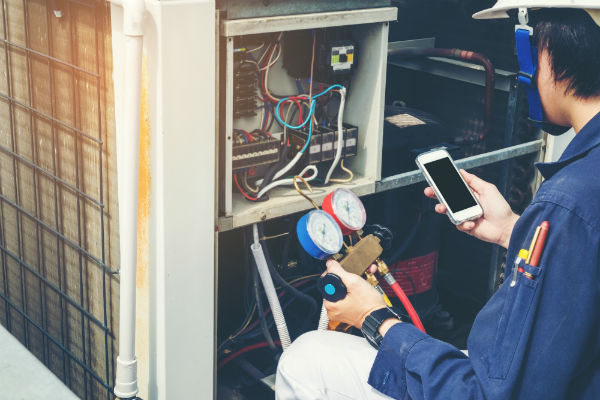
Hiring a professional HVAC tech provides more than just a quick repair. Trained professionals have the right training, right equipment and right techniques for safer, more durable repairs. The hidden costs of DIY work can involve secret safety risks and premature system collapse.
Correct Diagnosis
DIY repairs usually miss the true cause of a system failing.
A professional utilizes years of experience to immediately identify the core issue. They can distinguish a bad compressor from a wiring problem. This is important as a bad guess can get you buying parts or pay for work you don’t need. When you trust a technician, you receive an upfront answer. This saves time and money over the life of the unit.
Proper Tools
What most home toolkits are lacking is what you need to do HVAC work.
Professionals use sophisticated meters and sensors to locate leaks or locate electrical faults. Without them, a DIY fix might just scratch the surface, overlooking lurking danger. For instance, a digital refrigerant gauge can detect problems the human eye cannot. The wrong wrench can snap a valve or tear a coil and now you have bigger bills. When you have the appropriate tools, it’s the job done right, the first time.
Lasting Repairs
Professional repairs aren’t band-aids—they last for years of wear.
Technicians know how to detect deeper wear or damage that may lead to future issues. Which means your system runs smoother and crashes less. Good repairs translate into less call-backs and stress for you. You reduce your risk of expensive energy waste—bad work can increase bills by 25%. They adhere to safety codes, which avoids hazards such as electrical fires.
Key Advantages
- Accurate diagnosis reduces trial and error.
- Specialized tools ensure safe, complete repairs.
- Training and experience prevent repeat failures.
- Work meets industry standards for safety and reliability.
The Ripple Effect of a Botched Job
A DIY HVAC repair might appear to be a money-saver, but one error can trigger a ripple effect of trouble difficult to contain. When an untrained person works on these systems, the danger of error is great, and the consequences ripple beyond the unit itself. A botched job can mean a lot more than a broken air conditioner or heater–it can damage your wallet as well as your sense of well-being.
Screw ups on an HVAC system tend to begin little and get big in a hurry. As an analogy, a loose wire can cause electrical faults, the top cause of house fires with more than 51,000 fires in the US annually. High-voltage components have genuine danger of shock or even lethal electrocution. A lot of HVACs have R-22, which can poison people if it leaks. Inhaling these fluids is hazardous. Botched jobs can decrease indoor air quality, rendering the air unhealthy for all.
System performance is another victim. One widespread DIY blunder is bad fan installation, which can cut airflow. This causes the system to work harder, consume more energy and drive up bills. Sometimes the initial repair fails, so they try again. Trial and error only exacerbates the issue — causing more downtime and even more expensive repairs. Every poor patch risks breaking the system’s warranty, meaning you could be stuck footing a complete replacement or costly repair.
Not having the right tools is a hidden danger. Pros have fancy equipment to test electrical loads and refrigerant levels. Without these, errors are easy to commit and difficult to observe until harm has extended. Ultimately, the cost of repairing a botched job is usually significantly greater than taking a chance and hiring a pro in the first place.
| Ripple Effect | Description |
| Electrical shock/fire | Risk of injury, death, or house fire from bad wiring |
| Refrigerant poisoning | Exposure to toxic fluids, leading to health hazards |
| Voided warranty | Loss of coverage, leading to full repair or replacement costs |
| Poor air quality | Faulty system leads to unhealthy indoor conditions |
| Higher energy bills | System inefficiency from fan errors or wrong parts |
| Repeat repairs | Ongoing costs and frustration from failed DIY attempts |
| Tool limitation | Lack of expertise or proper tools causes more damage |
Conclusion
DIY HVAC gigs seem simple at first glance. These quick fixes or online guides can be tempting to try out for folks. For the most part, small tasks fare fine, like swapping filters or cleaning vents. The real risk appears quickly if things go awry. A subpar fix can damage the system, end up more expensive, or even jeopardize health. Warranties can disappear with a mistake. Pros have the proper tools and are familiar with codes. They identify problems that most people overlook. Their work keeps your air safe and your bills low. For major fixes, call a professional. Apply expertise where it matters most. Need more safe home fix tips or how to spot red flags in your HVAC? Subscribe to the blog. Be ahead, be safe.
Frequently Asked Questions
1. What are the main risks of doing DIY HVAC repairs?
DIY HVAC repairs can cause safety risks, such as electrical shock or refrigerant exposure. Errors can further harm your equipment, void warranties, and spike energy costs.
2. Can I void my HVAC warranty by repairing it myself?
Yes. Most manufacturers’ warranties are void if unlicensed people fix or maintain the system.
3. When is it safe to try DIY HVAC repairs?
Easy things like swapping out air filters or cleaning vents are usually okay. For complicated fixes, call a trained pro.
4. What are the benefits of hiring a professional HVAC technician?
They’ve got the right training, equipment and experience. They make certain repairs safe, efficient, and up to local safety codes — safeguarding your system and investment.
5. What can happen if I make a mistake during a DIY HVAC repair?
One error can lead to additional damage, increased repair costs, safety hazards or system ineffectiveness. Botched fixes can even cause total system breakdown.
6. How does a failed DIY repair affect my home’s comfort and safety?
Bad repairs mean compromised air quality, temperature imbalance and potentially fire or health hazards — all of which can impact your comfort and safety.
7. Why is professional HVAC maintenance important?
Seasonal professional tune-ups keep your system humming, extend its life, and can catch issues before they become costly or risky.
Restore Comfort and Reliability with Expert HVAC Repair from Superior Mechanical Services
Is your HVAC system making strange noises, blowing uneven air, or failing to keep your space comfortable? Don’t wait for a complete breakdown—Superior Mechanical Services, Inc. is here to diagnose and repair issues before they escalate. Whether you need urgent HVAC repairs, a thorough system inspection, or long-term performance solutions, our certified technicians deliver lasting results you can trust.
Since 1948, homeowners and businesses have relied on our expertise to keep their HVAC systems running smoothly and efficiently. From faulty thermostats and broken compressors to airflow issues and worn components, we fix it all—with precision, professionalism, and your comfort in mind.
Prompt HVAC repair doesn’t just restore performance—it helps prevent costly replacements, reduces energy waste, and extends the life of your system. Let us help you avoid surprise breakdowns and keep your indoor environment consistent and reliable, no matter the season.
Call us today to schedule your HVAC repair service. With over 70 years of experience, Superior Mechanical Services is committed to fast, dependable, and affordable HVAC solutions. Experience the Superior difference—reliable comfort is just a call away!
________________________________________________________________________