Tank vs. Tankless Water Heaters in Cold Weather: Which Performs Better?
Key Takeaways
- Tank water heaters store preheated water and deliver consistent availability but may have slower recovery in extremely cold weather. This can impact availability during high demand.
- Tankless water heaters employ on-demand heat for efficiency and potential lifetime energy savings. If the incoming water is very cold, the output can be reduced.
- If installed correctly with the right insulation and frost protection, both systems can be very reliable in low temperatures no matter where you live.
- Energy is all over the board. Tankless models tend to use less energy in the long run but can have higher initial costs and need maintenance for optimal efficiency.
- Space considerations vary, with tankless units being compact and ideal for small spaces. Tanks require additional space and strategic placement.
- Choosing your water heater requires thinking about multiple factors: your climate, household hot water demands, installation logistics, and budget, in addition to ensuring consistent comfort and long-term value.
How Each System Heats Water
Tank and tankless water heaters utilize very different methods for ensuring hot water demand is met when required, particularly in colder climates. Each system, including gas tankless water heaters and conventional water heaters, heats, stores, and delivers water differently, impacting energy consumption and delivery speed.
The Storage Tank Method
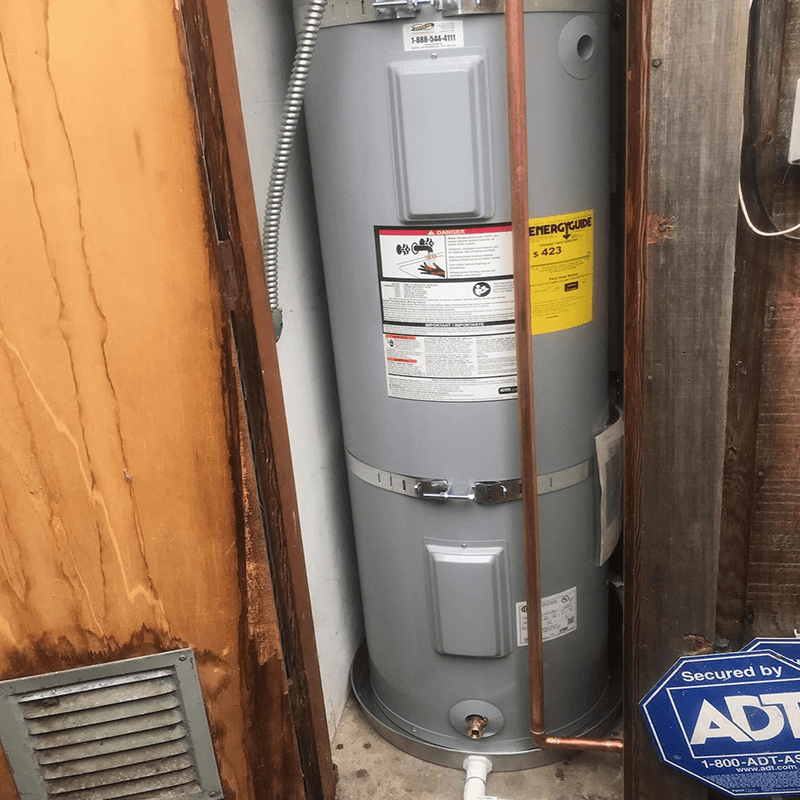
Storage tank water heaters maintain a fixed volume of hot water within a large, insulated tank, which is essential for meeting hot water demand. While the tank’s insulation reduces heat loss, it does not eliminate it entirely. Both conventional water heaters maintain the water temperature at the dialed setting even when no one is using hot water, cycling on and off as necessary. There’s always some energy used, known as standby energy losses.
Typical residential storage tanks maintain 115 to 300 liters (30 to 80 gallons), providing immediate hot water. However, once the tank is empty, it requires 45 to 75 minutes to reheat, which can be problematic during peak use times, especially in colder climates. Homeowners may find that the hot water runs out quickly, making the efficiency of their tankless water heater a more appealing option.
- Average capacity: 115–300 liters (30–80 gallons)
- Maintenance needs: Flushing to remove sediment every 6 to 12 months, checking the anode rod for corrosion, checking for leaks or rust, and swapping out the heater on a 10 to 12 year schedule.
Routine maintenance is crucial, as mineral scum along the tank bottom can reduce efficiency and system life. Storage tank heaters come in gas and electric varieties, each with its own price points and water heater installation requirements. In colder climates, conventional models must work harder to maintain their set temperature, resulting in elevated energy bills due to standby heat loss, which can increase overall energy consumption by 15 to 25 percent.
The On-Demand Method
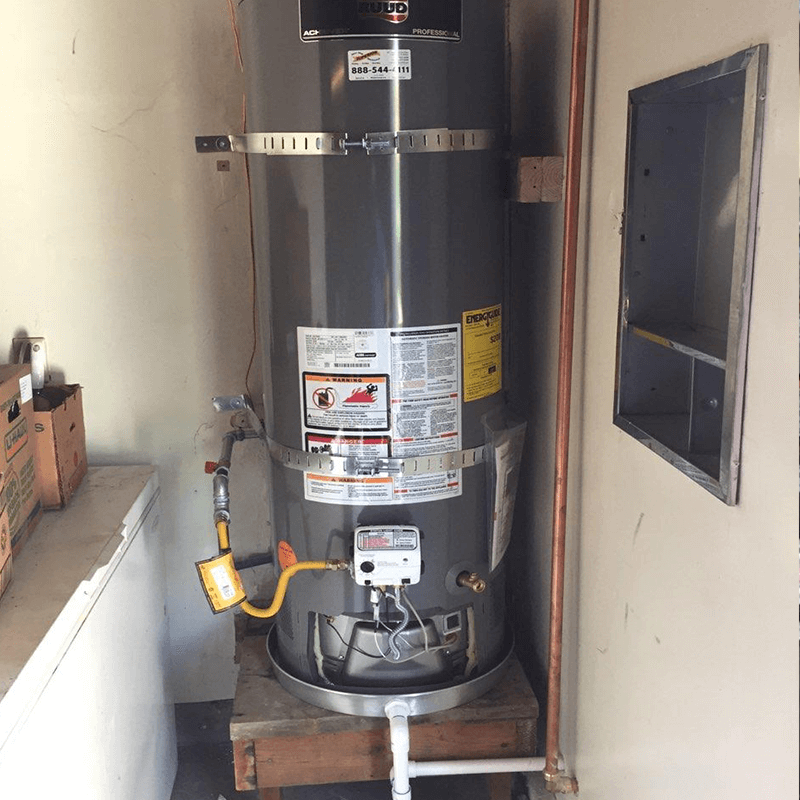
Tankless water heaters heat water as it passes through the unit. No water is stored. When a tap opens, cold water flows across a gas or electric heat exchanger. Here’s how each heats water.
The system consumes energy exclusively when hot water is demanded, minimizing waste.
Flow rate is everything. Most tankless heaters have the capability to provide 7 to 15 liters (2 to 4 gallons) per minute, which is sufficient for one or two simultaneous uses. In large homes or during peak demand, flow rate limits can cause the water to cool if too many taps are open simultaneously. These systems can struggle in cold climates, as the colder the incoming water, the more energy is required for a high temperature rise of 35 to 40 degrees Celsius, impacting performance.
Tankless systems can last 20 years or more with proper maintenance. They require less maintenance, but hard water or mineral deposits can harm the heat exchanger, so they should be flushed annually. There are electric and gas options, with gas units typically able to heat water faster.
Both are highly efficient because they heat water only as needed. There is no standby loss. In cold weather, energy use can increase because of the larger temperature difference between incoming and desired water temperature.
Cold Weather Performance Breakdown
Cold weather is a challenge for tank and tankless water heaters alike. As ambient air temperatures and groundwater cool down, it becomes more difficult for both variants to provide hot water at the desired temperature and flow. Shorter days and high demand in the winter months, particularly December through February, pile on even more stress.
1. Incoming Water Temperature
When groundwater falls to 3-5°C, both systems labor, particularly affecting tankless water heater performance. Tank heaters must warm an entire tank from this cold start, which hinders recovery and results in lukewarm water after heavy usage. Conversely, gas tankless water heaters can provide 20-30% less hot water flow in the coldest climates because these tankless systems need to heat water by up to 40°C in winter, compared to just 15-20°C in summer. Homes in colder climate regions experience this issue more, especially in areas with outdoor temperatures dipping below -20°C. Here’s the cold weather performance scoop: if your vacation home is located in a blistering winter locale, be prepared for diminished performance from both units.
2. Energy Consumption
Colder water means more energy out, especially for tankless water heaters and traditional tank models. Both tank and tankless systems consume more electrical or gas energy in winter, with tank heaters running longer and consuming more power to heat the tank. In contrast, tankless units operate in brief, intense bursts but may consume more energy per burst. Condensing tankless models can achieve thermal efficiency rates of 92-98%, making them a great choice for energy savings.
3. Hot Water Output
Tank water heaters provide a consistent, but only finite, supply. When the hot water runs out, you have to wait 45 to 75 minutes for another batch. However, tankless water heaters can offer an infinite supply, although they may struggle during winter months. If you run two showers and a dishwasher simultaneously, the hot water demand can plummet, occasionally dropping 20 to 30 percent below normal. Output is primarily affected in the early mornings and evenings when demand peaks.
4. Recovery Speed
Tank systems drag on cold days, refilling with hot water sometimes twice as slow. For big families or hectic mornings, this spells cold showers if you’re not careful. Tankless water heaters recover more rapidly after each use, particularly when you have high hot water demand. Recovery speed matters most when you’ve got a bunch of people using hot water at once or when the incoming water is near freezing.
5. Frost Protection
Tankless water heaters depend primarily on their insulation to protect against freezing. Pipes can still burst if not wrapped properly. Some sophisticated gas tankless models feature integrated freeze protection, activating at temperatures as low as -30°F. When installed correctly, such as locating units indoors or shielding them, these tankless systems perform quite well. Even if it seems excessive, homeowners in cold climates often add pipe covers, space heaters, or even relocate their hot water heater to basements for additional peace of mind.
Installation and Placement Nuances
Both tank and tankless water heaters have their own installation considerations, especially in cold climates. The performance of gas tankless water heaters and traditional tank models is hugely dependent on proper installation and placement. Local rules can restrict where you can locate your unit or what type of venting is required. Let’s examine the installation and placement nuances.
- Tank systems require a solid, level floor and ample room, generally 16 to 20 square feet, along with additional clearance for access and safety.
- Tankless units can be installed on walls, occupying only 2 to 3 square feet, though they sometimes require new gas lines or wiring. Extra piping could be required for water flow and pressure.
- Replacing a tank for a tankless heater translates into thinking about new venting and potentially more expensive installation fees.
- High-demand homes may require multiple tankless units, contributing to installation complexities.
- Local codes can govern location, venting and safety clearances.
Indoor vs. Outdoor
Tankless water heaters can be installed indoors or outdoors, with the majority of tankless systems being retained indoors due to their bulk and susceptibility to weather. Indoor setups shield units from freezing and simplify maintenance, but require dependable venting and adequate space. Outdoor tankless water heaters preserve indoor space and can simplify venting, but they need to be well insulated or have freeze protection, especially in cold climates. Despite their safeguards, outdoor units can freeze, and only select gas tankless models are recommended. For any outdoor installation, protection from rain, snow, and wind is essential, and safe venting is critical in any event to ensure proper operation.
Venting Requirements
Both require safe means to exhaust gases, but tankless water heater units generally demand more sophisticated venting, such as stainless steel pipes or special direct-vent kits. Improper venting not only decreases the efficiency of your unit but can pose life-threatening risks like carbon monoxide accumulation. Unlike conventional water heaters, tankless systems typically utilize sealed vents and may require additional insulation for frigid weather. It’s essential to consult local building codes, many of which will mandate certain types of vents or restrict vent length to ensure safety and efficiency.
Space Considerations
Space might be the deciding factor in your decision regarding a tankless water heater. Tankless systems are ideal for small homes since they mount onto the walls, saving valuable floor space. They’re simpler to fit into small closets or utility spaces compared to conventional water heaters, which require a large, firm location and space for potential repairs. If you want a more efficient system but have little space, a gas tankless water heater is better. However, setup costs and extra equipment can cancel out the savings.
A Realistic Cost Analysis
Both tank and tankless water heaters require careful consideration of their purchase, installation costs, and operating costs over time. Upfront costs, monthly payments, maintenance, and local incentives all combine. In cold climates, these costs can fluctuate, making it wise to evaluate each option before deciding.
Upfront Investment
| Water Heater Type | Purchase Price (USD) | Typical Install Cost (USD) | Average Total (USD) |
| Tank | 900 – 1,200 | 700 – 1,200 | 1,600 – 2,400 |
| Tankless | 1,300 – 2,000 | 1,000 – 2,000 | 2,300 – 4,000 |
Tank heaters have a lower initial cost because you don’t necessarily have to change pipes or vents. Tankless models can require upgrades, like bigger gas lines or new electrical work, which will drive up the bill. Some homes, older ones in particular, will require additional modifications, so it’s smart to budget for add-ons. Local regulations and chilly requirements, such as frost-proofing external tanks, can drive up costs.
You can spread the cost out. Most suppliers or banks have set rate payment plans that can help if the upfront price is too high.
Operational Expenses
Tankless heaters heat water when you need it, using 8% to 14% less energy every year. That can translate into savings of $100 to $124 on bills, with annual running costs of $192 to $540, versus tanks at $225 to $580. Tank units maintain water temperature 24/7, so cold weather forces them to reheat water more frequently, which increases energy consumption. Tankless units, while efficient, can lag in arctic cold if undersized.
Both require annual maintenance. Tankless units require descaling, and tanks need sediment flushed out. Tankless components are pricier, but they wear out less frequently at least during that initial decade. How much hot water your household goes through every day will shift your costs significantly. Being smarter about using less hot water, reducing the temperature, and insulating pipes all cut costs.
Long-Term Value
Tankless heaters can last over 20 years, while tanks usually come due around the 8 to 12 year mark. In the long run, the greater initial expense of tankless systems might be offset by reduced energy costs and fewer replacements. Rebates for high-efficiency models can reduce the cost even more.
The Human Experience Factor
Selecting tank versus tankless water heaters significantly impacts daily coziness, especially during the winter season. Hot water demand influences habits, emotions, and serenity, making the performance of tankless systems particularly evident when demand is high or temperatures drop.
The Waiting Game
Tank heaters require time to reheat when hot water has been depleted, leading to lags in a bustling household. After a lengthy shower, the next occupant might be forced to wait for the tank water heater to replenish and warm. This can be stressful, especially during the morning rush. In contrast, tankless water heaters heat water as it is needed, eliminating the risk of running out. However, if multiple taps are in use simultaneously with a small or undersized gas tankless water heater, water pressure can drop, resulting in brief wait times. While the promise of endless hot water from tankless systems is appealing, homeowners must size the system correctly for their household’s hot water demand. Solutions like recirculation pumps can help reduce wait times but can also increase installation costs and complexity. The sensation of waiting, even momentarily, can inject frustration, particularly when schedules are tight.
Consistency and Comfort
Hot water on a cold day – it matters! Tankless water heaters may suffer from temperature swings if the tank drains or hot water is consumed quicker than it can be refilled by the heater. Smaller tanks result in more frequent run outs, breaking your patterns and making you miserable. In contrast, tankless systems generally maintain consistent temperatures, but if hot water demand spikes, water temperature can drop or vary, particularly if the unit is undersized for the household. No one wants to be shocked by a cold shower or have their bathroom water temperature affected by simultaneous use. Elements such as thermostatic controls and flow regulators enable both systems to maintain consistent water temperature, promoting a more reliable experience.
Peace of Mind
Dependability defines confidence in a tankless water heater when it’s cold. Most people think tank systems are straightforward and user-friendly, but fear of depleting hot water or having to time refills can be anxiety-inducing. Tankless systems promise never-ending hot water; however, their intricate care, such as consistent descaling in hard water zones, might concern anyone seeking no-fuss maintenance. Warranties and support services diverge, with well-known brands providing full support on both fronts. Homeowners depend on reviews to understand real-world performance, and many reviews accentuate the advantage of never running out of hot water in gas tankless models, while others appreciate the simple use and upkeep of tanks.
Which Heater Is Your Ally?
Deciding if tank or tankless water heaters are your friends in the cold depends on a few factors. Each system has its advantages, so begin by considering what you value most. Tankless water heaters are more efficient; they can use as much as 30 percent less energy than conventional water heaters, which can help keep bills down. These tankless systems are small and fit great in tight spots, like flats and small homes, so if you want to save space, you’re on the right side. For those who require hot water on demand, such as large families or households with staggered showers, tankless heaters provide a continuous flow as long as the unit is properly sized. In freezing locations, gas tankless models could require additional power to warm water quickly, so search for models designed for elevated flow rates in cooler waters.
Conclusion
Both tank and tankless heaters have obvious advantages in cold weather. Tank heaters hold hot water in reserve even as things get chilly. Tankless heaters provide consistent flow but can decelerate if the water becomes extremely cold. Cost and installation vary from home to home. Big families or high water usage individuals may lean toward tanks for consistent availability. Tiny homes or those looking to conserve space may like tankless. Each accommodates a different need and space. To choose the best one for you, consider your climate, size of home, and daily hot water usage. For additional assistance, consult with a local professional or use an online sizing tool.
Frequently Asked Questions
1. Do tankless water heaters work well in cold weather?
Tankless water heaters can struggle in very cold climates, impacting their performance in meeting hot water demand. However, selecting a gas tankless water heater with sufficient capacity ensures consistent hot water delivery.
2. Are tank water heaters better for freezing temperatures?
Tank water heaters are typically dependable in cold weather. They have tanks and preheat water, so you receive consistent hot water regardless of how cold it is outdoors.
3. Which water heater saves more energy in winter?
Tankless water heaters tend to save more energy because they heat water on demand. They can lose a bit of efficiency in very cold climates.
4. Is installation more difficult for tankless heaters in cold areas?
Yes, gas tankless water heaters require additional considerations like venting and freeze protection; professional water heater installation is recommended for optimal performance in cold climates.
5. Do tank water heaters require special maintenance in winter?
Tank water heaters, especially conventional models, require insulation and should be routinely monitored for leaks or rust, particularly during colder months to minimize standby energy losses and maintain efficiency.
6. Can both heater types supply enough hot water for large families in winter?
Tankless water heaters can effectively meet hot water demand for larger families, especially when properly sized; however, you might need multiple tankless systems to ensure sufficient supply.
7. Which water heater costs more to run in cold climates?
Tank water heaters are notorious for higher running costs due to standby energy losses. However, gas tankless water heaters may consume more energy to heat colder water, yet they remain more energy efficient.
Take a Water Heater Deep Dive with Superior Mechanical Services
When your water heater starts struggling, everything from morning routines to evening clean up gets harder. Superior Mechanical Services, Inc. gives homeowners a clear look at how their system is performing and what it needs to stay reliable. This Water Heater Deep Dive covers performance issues, efficiency opportunities, safety concerns, and any signs your system might be nearing the end of its lifespan.
Bay Area families have turned to our team since 1948 for straight answers and dependable service. If your water heater takes too long to heat, runs out faster than it should, makes unusual noises, or pushes your utility bills higher, our certified technicians will break down the cause and guide you through the best next steps. You get clear explanations and transparent pricing so you can plan with confidence.
A detailed assessment can extend the life of your system, prevent surprise failures, and keep your home running smoothly. We focus on long term reliability and energy smart solutions that save you money and reduce stress.
Call today to schedule your Water Heater Deep Dive with Superior Mechanical Services. With more than 70 years of experience, our team helps Bay Area homeowners stay prepared with a water heater that works the way it should every day.