Commercial Air Filters vs. Residential: What’s the Difference?
Commercial air filters and residential air filters perform the same primary function—to purify the air you breathe—but they operate differently and meet different demands. Commercial air filters often are made of tougher materials and last longer because they clean larger spaces with higher densities of occupants. Commercial filters are meant for businesses and larger spaces, where the air is dirtier and has more particles. Size, strength, and maintenance for each type impact how effective they are in your space. By understanding these differences, you’re able to choose the appropriate filter for your home or office. The main body will reveal clear points on how each filter works and which one suits your needs best.
Key Takeaways
- For example, you want to fit the size of the air filter to your space. Commercial filters are for larger spaces, and homes require the residential filter.
- Filtration strength, measured by MERV ratings, determines the effectiveness of your filter in capturing allergens and pollutants and influences indoor air quality in homes and businesses alike.
- Durability and build quality affect how long your filter lasts and how well it performs, with commercial filters generally constructed to handle intense wear and tear.
- Maintenance cycles vary by filter type, so establishing a good replacement schedule keeps you on top of costs and comfortable with your filtration efficacy.
- Depending on your system demands, level of occupancy, and pollutants, your filter choice will vary to provide you with the best air quality and protection against illness.
- Putting your money into premium, energy-efficient filters and maintenance compliance fuels improved health and productivity and helps you control long-term expenses and regulatory risks.
Unpacking Key Filter Differences
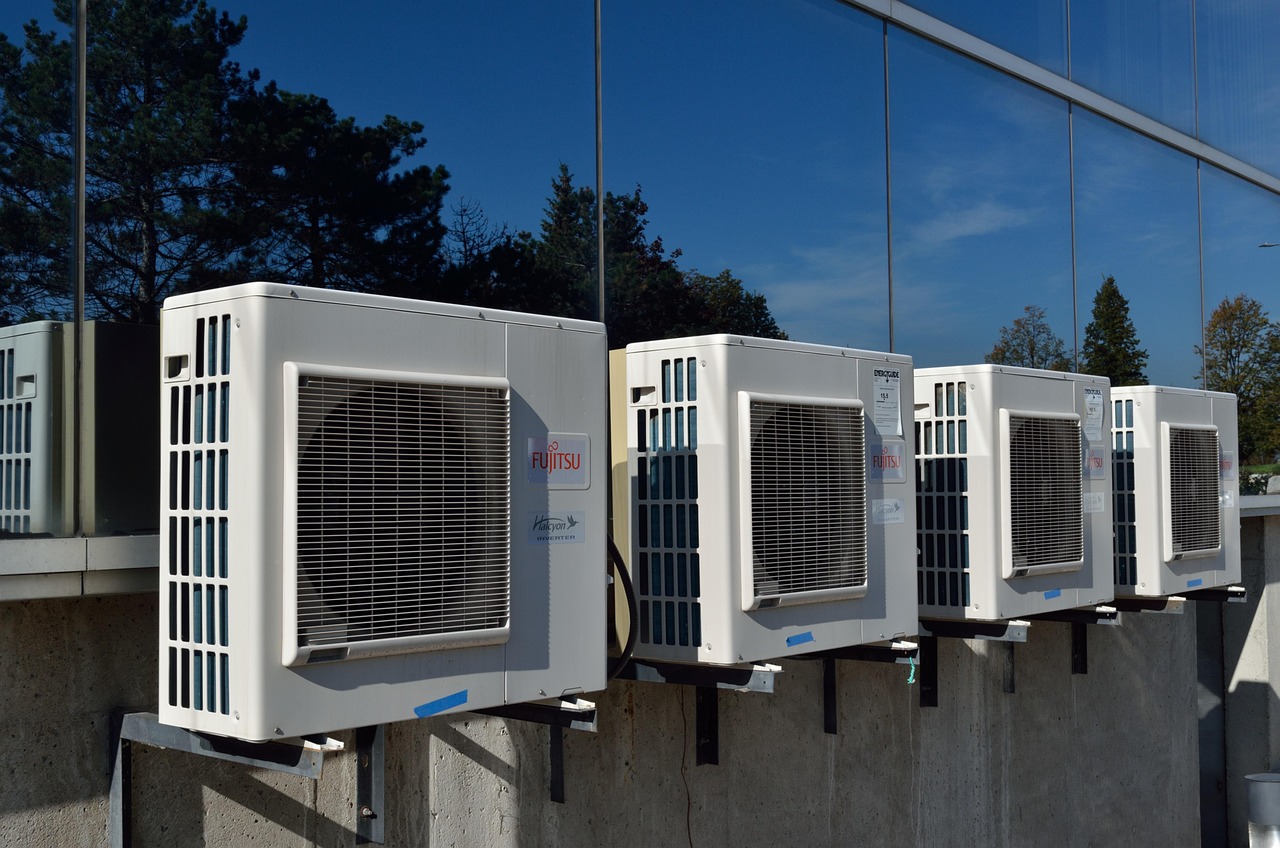
Commercial and residential air purifiers serve the same fundamental function of cleaning air, yet they are tailored for distinct environments and requirements. To select the right air filter for your space, you must balance size, strength, durability, maintenance, and system requirements.
1. Scale and Size
Commercial air filters are typically bigger, designed to fit ductwork that services entire buildings or large open-plan offices. They may be as much as 60 cm or more per side, processing high air volumes. Residential filters are smaller and more compact, typically ranging from 25 to 50 cm, and are designed for individual rooms or standard household HVAC units.
Selecting the proper size is important since filters that are too small cannot efficiently clean the air, and filters that are too big may not fit or function properly. A mismatch can cause dirty or inadequate airflow and stress on your system.
Standard Size Comparison List:
- Commercial: 60 x 60 cm, 61 x 61 cm, 30 x 61 cm
- Residential: 25 by 30 cm, 30 by 30 cm, 20 by 25 cm, 25 by 50 cm
2. Filtration Power
Most commercial filters have higher MERV ratings, typically 17 or higher, or HEPA filters that capture 99.97% of particles 0.3 microns or smaller. They can filter out dust, pollen, bacteria, and viruses, which is why you see them in hospitals and labs. Residential filters, MERV 11-13, are fine for typical dust and pollen, but they are less effective against smaller contaminants.
So the more powerful the filtration, the better your indoor air! It implies more power to force air through the filter.
| Filter Type | MERV Rating | Particle Capture | Best For |
| Residential | 11–13 | Up to 75% | Dust, pollen |
| Commercial | 17+ | 99%+ | Smoke, bacteria |
| HEPA | 17+ | 99.97% @ | |
| 0.3μm | Labs, hospitals |
3. Durability and Build
Commercial filters are constructed from industrial-strength materials such as metal frames and compact synthetic fibers. They last longer under stress, even in smoggy or high-traffic settings. Residential filters use lighter frames, like cardboard, to reduce costs, but they do not last as long.
If you’re running your system all day, every day, in a store or factory, heavy-duty filters pay for themselves in longer life and consistent performance. For homes, thinner filters are okay because the usage isn’t as heavy.
4. Maintenance Cycle
Commercial filters may last 6 to 12 months before needing replacement, whereas home filters need to be inspected or replaced every 2 to 3 months. Low-maintenance filters save time and money, particularly in locations that cannot tolerate interruptions.
HEPA filters are more expensive initially but require less frequent replacement, making them perfect for busy areas. At home, their quick-swap designs mean you don’t need any special tools or training. Set reminders to change filters every quarter in homes, twice a year in commercial spaces, or more if local air is very dusty or polluted.
5. System Demands
Commercial systems require much larger airflow; thus, filters must allow large volumes of air to flow through and still capture contaminants. Employing a filter that’s too dense or too loose can lead to static, excess power usage, or even system failures. Residential systems are less rigorous but still require filters tailored to their fan capacity and duct size.
Checklist for System Demands:
- Check airflow (cubic meters per hour)
- Match filter size to duct
- Confirm the system supports the chosen MERV/HEPA level
- Listen for noise; too much may mean the wrong filter
- Factor in local air quality and building use
Why These Differences Matter
How you select between commercial air purifiers and residential air purifiers sculpts the air you breathe daily. These decisions aren’t just about convenience; they have tangible implications for well-being, organizational effectiveness, and cost over time, particularly in maintaining good air quality.
Occupant Density
Dust, microbes, and allergens exert heavy loads in crowded spaces such as offices, schools, or clinics. With so many visitors, each inhale contributes to the potency. Filters in these locations have to be strong, usually higher MERV or HEPA tech, to keep up with the nonstop delivery.
At home, fewer people means less human-generated airborne pollution. This allows you to employ lower-rated filters, which are easier on your HVAC and energy bills. If you have family members with allergies or asthma, opting for a higher efficiency filter might be prudent.
The more packed the crowd, the more particles accumulate in the air. For instance, a bustling call center requires a filter that can capture small particles efficiently. In a small apartment, a simple filter could do the trick unless you live in an area with serious local pollution. Your filter plan must align with the volume of occupants and their usage of the space.
Pollutant Types
Offices might contend with dust, printer fumes, chemicals from cleaning agents, and even ultrafine particles kicked up from traffic outside. Homes primarily confront pet dander, pollen, and cooking smoke. Understanding what’s in your air is crucial to selecting an appropriate filter.
HEPA filters snag 99.97% of microscopic particles down to 0.3 microns, which is appropriate for environments housing vulnerable individuals or essential tasks. High-MERV filters (13–16) are great for commercial spaces with heavy dust or fumes. In residential settings, MERV 7–12 filters capture the majority of day-to-day pollutants.
| Pollutant Type | Residential Filter | Commercial Filter |
| Pet dander, pollen | MERV 7–11 | MERV 13–16, HEPA |
| Traffic fumes | MERV 12+ | HEPA |
| Printer fumes | Not common | HEPA, carbon |
| Cooking smoke | MERV 7–12 | MERV 13+ |
Operational Hours
Most commercial buildings are open much longer hours than residential homes, making commercial air filtration essential. Hospitals, hotels, and factories run nonstop, so their HVAC air filters deteriorate more quickly. That’s why you need strong filters, last longer and trap more dust before requiring replacement.
At home, air systems go on and off. Filters stay fresher longer, and you can utilize lighter-weight varieties. If you operate residential air purifiers or fans all day, inspect filters more frequently to ensure good air quality.
For 24-7 businesses, choose filters designed for heavy-duty usage. HEPA or high-MERV pleated filters fill the gap. For average residences, simple pleated or fiberglass filters are usually sufficient. Inspect them every month if you run a lot of systems.
The Hidden Health Equation
Indoor air can be more polluted than outdoor air, sometimes with devastating health consequences. We know, for instance, that long-term exposure to fine particles, dust, and allergens in homes or workplaces connects directly to asthma, allergies, and other respiratory issues. Research demonstrates that chronic exposure to poor air quality increases the risk of heart disease and exacerbates existing conditions. Well-filtered air is the secret. High-MERV HVAC air filters, rated 17 and up for commercial units, trap much tinier particles than the MERV 11 to 13 filters commonly used in residential air purifiers. HEPA filtration systems, common in both rooms, trap a minimum of 99.97% of particles as tiny as 0.3 microns, such as pollen, dust, and pet dander. Not all air filters are the same. More efficient generally means more expensive and more energy-intensive, but the health tradeoff can be worth it, especially for those with persistent symptoms. Long-term exposure does more than trigger sneezing; it can gradually break down daily health and even trim years off of life. Most of us don’t realize the connection until we feel something.
Chronic Exposure
Prolonged exposure to indoor air pollution can cause persistent coughs, headaches, or even lead to severe complications such as bronchitis or heart disease. Kids, seniors, and anyone with compromised immune systems are the most vulnerable. Smart filters assist by catching these tiny particles, so they do not continue to swirl in your inhalation realm.
About: The Secret Formula That Decreases Chronic Disease. Routine maintenance, such as replacing filters as directed by the manual, keeps the machinery moving properly. Cleaner indoor air reduces doctor visits and sick days.
Allergy and asthma sufferers tend to breathe more easily and have fewer attacks when the air is clean. Even those who feel healthy can see quite gains: better sleep, less tiredness, and fewer headaches. The WHO associates bad air with millions of healthy years lost globally.
Productivity Impact
Air quality connects directly to productivity. Polluted air can cause headaches or drowsiness, which can impair concentration. This could translate into more errors or slower work. If you run a business, this impacts your bottom line.
Investing in commercial-grade air filters might be expensive upfront. The return can appear in reduced sick days and increased productivity. For instance, one global office that switched to HEPA systems noted sick leave decreased by 40% in a year.
Superior air keeps motors and office equipment operating more smoothly, which reduces repair costs. Businesses can plan simple steps: use high-MERV filters, check for leaks, and swap filters on a set schedule. These actions improve health and professional outcomes.
Choosing Your Filtration Strategy
Your ideal air filtration system relies on your specific air quality needs, your budget, and the effectiveness of the filter. Both home and commercial spaces require clean air, and the appropriate solution is defined by your everyday activities, building type, and health requirements. Filters, including HVAC air filters, are graded by the MERV scale, which goes from 1 to 20. Higher numbers indicate more precise filtering, as certain filters trap particles down to 0.3 microns, a vital feature if you require robust purification.
Home Environment
The majority of homes are afflicted with dust, pet dander, pollen, and mold. Typical filters are fiberglass, pleated, and HEPA. Pleated filters with a MERV rating of 8 to 13 strike a balance of cost and performance for most homes. HEPA filters, although more costly, do the job for allergy or asthma families.
Price is important to a lot of homeowners. HEPA or higher-rated filters capture more particles, but they are more expensive and may have to be replaced more often. Fiberglass filters are less expensive, but they won’t catch many small particles.
Swapping out filters is non-negotiable. Even the best filter won’t work if it’s clogged. Generally, most require a replacement every one to three months, although variables such as pets or pollution can reduce this duration.
If you have smokers, pets, or allergy sufferers in your home, seek out filters with higher MERV ratings or filters that trap small particles and odors.
Business Environment
Since offices, shops, and public buildings have a higher flow of people, there is more dust, bacteria, and even chemical fumes. Commercial spaces often require MERV 13 to 16 or higher filters. Certain units include activated carbon or UV-C for additional coverage.
The law establishes a baseline air for a lot of commercial operations. Selecting your filter isn’t just a comfort issue. It’s a health code issue. Skipping this step can mean fines or health risks.
Professionals test your air and help you discover what suits your room and staff count. They might demonstrate how an expensive filter upfront can reduce maintenance in the future.
High traffic areas, such as hospitals and airports, employ sophisticated multi-stage units. These units can catch viruses, bacteria, and fine dust, keeping the air safe even in crowded halls.
- Assess your main air risks (dust, allergens, chemicals).
- Establish your budget for purchasing and maintaining the filter.
- Check local rules if you run a business.
- Compare filters by MERV rating and special features.
- Consider how simple it is to change or clean filters.
- For special needs, such as allergies or heavy traffic, select higher-grade or specialty filters.
Beyond the Filter Itself
Selecting commercial versus residential air filters is about more than just changing out a filter; it impacts your energy efficiency and overall air quality control. The right fit depends on your square footage, air circulation, and even pollution levels, making customized air filters essential for optimal performance.
Cost Implications
Upfront, less expensive filters may appear to be a bargain. They typically return a more expensive bargain later on. These filters clog quickly, require more frequent replacements, and can cause your HVAC system to run harder. That translates to possibly higher repair and energy costs.
For business, it’s the long-term savings of higher-quality filters that pop. These filters carry a higher initial price, but they have a longer lifespan and assist in keeping your system running strain-free. They reduce downtime and enhance air quality for all indoors, translating to reduced sick days and increased productivity.
Initial cost, how often you have to replace it, and upkeep all add up. Others select a low-priced filter, but find they’re spending more for maintenance. Others opt for a higher-end unit that requires less maintenance, cutting costs over time. Always consider both short- and long-term costs before you decide.
Energy Footprint
The kind of filter you select has a significant impact on your HVAC system’s energy consumption. Highly rated filters can block more particles but impede airflow, causing systems to work harder and consume more energy. That’s true in both homes and businesses, but the stakes are greater when you’re operating massive systems for multiple hours a day.
Opting for an energy-efficient filter, or one with an energy-saving mode, can cut costs and help the environment. Others operate quietly and consume less energy, which is ideal for individuals seeking a tranquil, energy-efficient environment. Remember, a higher MERV rating isn’t always best. Moderation is essential to maintain reasonable energy bills.
Regulatory Standards
They provide guidance on what filter to employ, particularly in professional or public settings. We’ve had similar guidelines in many countries and regions that protect health and ensure air systems satisfy minimum standards.
Beyond the Filter Itself, coming up short can mean fines or shutdowns. Regulations can address how frequently you replace filters, what sort is needed, or even the quality of air you are required to have.
| Regulation/Standard | Region | Key Requirement |
| ISO 16890 | Global | Filter performance ratings |
| EN 779 | Europe | Particulate filtration |
| ASHRAE 52.2 | North America | MERV rating system |
WHO guidelines: Worldwide Indoor Air Quality Goals
These rules help inform your filter decisions. You still need to verify efficiency, upkeep, and field application. Periodic checkups of your system are as important as choosing the appropriate filter. Air quality management is a journey, not a destination.
When Your Home Needs More
Indoor air quality can often be worse than outdoor air, filled with dust, pet dander, mildew spores, and chemical fumes. Standard air filters (MERV 1–8) fail to trap these fine particles effectively, particularly in residential living spaces with vulnerable populations or near areas with high outdoor pollution. If you’re experiencing stale air, musty odors, or persistent dust, it may indicate that your current air filtration system is inadequate. In such cases, utilizing quality air filters or residential air purifiers can significantly improve your indoor environment.
High-Risk Individuals
Those with chronic respiratory conditions, allergies, or compromised immune systems require quality air filters to ensure purified air. This includes older adults, babies, and individuals with asthma or COPD. Standard air filters cannot capture allergens or ultra-small particles that can harm these individuals. For their protection, advanced filters like HEPA filtration are often recommended, as they effectively capture much smaller particles. Installing HEPA filters in bedrooms or main living areas can significantly reduce flare-up risks and enhance overall air quality control.
It’s crucial to couple these filters with routine maintenance, such as changing HVAC filters regularly and inspecting for air leaks to maintain their effectiveness. Physicians might also suggest additional measures, like implementing residential air purifiers, sealing windows, or installing air-purifying plants. A professional evaluation can identify vulnerabilities in your HVAC system and guide you to appropriate enhancements for your air filtration system.
Simple fixes, such as leaving shoes at the door and using fragrance-free cleaning products, can also contribute to better indoor air quality. By addressing these factors, you can create a healthier living environment for those most at risk.
Unique Pollutants
For homes facing special pollutants like wildfire smoke, elevated pollen, or chemical fumes from a neighboring industrial plant, understanding your local risks will guide you in selecting the appropriate filter. For instance, residents of industrial areas may require filters that address chemical fumes, while those in areas with high pollen counts should prioritize allergen elimination.
- Filters for wildfire smoke: HEPA and activated carbon options
- Filters for volatile organic compounds (VOCs): activated carbon or charcoal
- Filters for allergens and pet dander: HEPA with pre-filter
- Filters for bacteria or mold include UV light or antimicrobial options.
The right filter for you comes down to considering upfront cost, replacement frequency, and how effectively it suits your home’s requirements. Periodic expert evaluations will assist you in identifying holes in your regime and recommend new options. Maintenance is key. Clogged filters can both strain your HVAC and lower air quality.
Conclusion
You recognize the distinct categories of commercial and residential air filters. Your building size, air flow, and dust dictate your selection. At work, filters battle dense dust and large crowds. At home, your filter keeps pollen and smoke at bay, allows you to breathe easily, and protects your environment. Both require attention, but the stakes change. Malls and offices rely on stringent protocols and ongoing monitoring. At home, you seek equilibrium: pure air and a reasonable cost. Other days, your home may need less, like if you reside next to a bustling avenue. You benefit the most by matching the filter to your needs, not just the box specs. If you want peace of mind, chat with a pro for what fits best.
Frequently Asked Questions
What is the main difference between commercial and residential air filters?
Commercial air filters are designed for larger areas with high traffic and intensive usage. They capture more particles and last longer. Residential filters are tailored for smaller living spaces and typical home air quality needs.
Can I use a commercial air filter at home?
Using a commercial air filter in a home HVAC system is not recommended. These filters can obstruct airflow, causing strain or damage to home equipment. Residential filters are designed to match home HVAC specifications.
Do commercial air filters remove more pollutants than residential ones?
Yes. Commercial air filters typically capture finer and more abundant particles, ensuring cleaner air for larger populations and sensitive equipment.
How often should I change a residential air filter?
Most residential filters should be replaced every 1–3 months. Check your manufacturer’s instructions and monitor filter conditions, especially if you have pets or live in a high-pollution area.
Will upgrading my residential filter improve air quality?
Upgrading to a higher MERV-rated or HEPA filter can improve air quality, but ensure your HVAC system supports the filter to maintain proper airflow.
Are higher-quality filters always more expensive?
Higher-quality filters generally cost more upfront but last longer and provide superior air purification. Consider both initial cost and long-term maintenance when choosing a filter.
When might a home need commercial-grade filtration?
Homes with residents who have severe allergies, asthma, or other respiratory conditions, or those exposed to heavy pollution, may benefit from higher-efficiency or HEPA filtration systems.
Take an Indoor Air Quality Deep Dive for Businesses with Superior Mechanical Services
When the air inside your building isn’t clean or balanced, your team feels it. Productivity drops, allergies flare up, and equipment has to work harder to keep the space comfortable. Superior Mechanical Services, Inc. gives businesses a clear look at how their indoor air is performing and what needs attention to keep employees healthy and operations running smoothly. This Indoor Air Quality Deep Dive reviews ventilation issues, filtration performance, pollutant sources, humidity problems, and any signs your system might be falling behind.
Businesses across the Bay Area have relied on our team since 1948 for honest guidance and dependable service. If you’re dealing with stale air, rising allergy complaints, uneven airflow, or higher energy costs, our certified technicians will identify the cause and walk you through the smartest next steps. You get straightforward explanations and transparent pricing so you can make decisions with confidence.
A detailed IAQ assessment strengthens workplace health, prevents costly system failures, and supports a more efficient building. We focus on long-term air quality and energy smart solutions that reduce downtime and help your team stay comfortable.
Call today to schedule your Indoor Air Quality Deep Dive with Superior Mechanical Services. With more than 70 years of experience, our team helps Bay Area businesses maintain clean, healthy air that supports productivity every day.
Disclaimer:
The information provided in this article is for general informational and educational purposes only and is not intended as medical, legal, engineering, or professional advice. While every effort is made to ensure the accuracy and reliability of the content, indoor air quality regulations, building codes, and health recommendations may vary by location and change over time. Readers should consult qualified professionals, including HVAC specialists, occupational health experts, building engineers, or medical providers, before making decisions related to air quality systems, workplace safety, or health concerns. The publisher assumes no responsibility or liability for errors, omissions, or outcomes resulting from the use of this information.
______________________________________________________________________