Everything You Wanted to Know About Heat Pump Installation (But Were Afraid to Ask)
Heat pumps have grown increasingly popular due to their dual functionality and energy efficiency, making them a favorite choice for homeowners looking to heat and cool their homes. With the ability to transfer heat rather than generate it, heat pumps are an eco-friendly and cost-effective alternative to traditional HVAC systems. However, installing a heat pump is a significant investment and involves many considerations. In this guide, we’ll dive deep into everything you need to know about heat pump installation.
What is a Heat Pump, and How Does it Work?
A heat pump is a device designed to transfer heat from one location to another. Instead of burning fuel to produce heat, a heat pump moves heat using a refrigerant cycle, which makes it much more energy-efficient than traditional heating systems like furnaces or boilers.
The Science Behind Heat Pumps
At its core, a heat pump operates on the principles of thermodynamics:
- Heating Mode: During colder months, the heat pump extracts heat from an external source (like air, ground, or water) and transfers it indoors.
- Cooling Mode: In summer, the process reverses, with the system removing heat from the indoor space and expelling it outdoors.
This versatility allows heat pumps to serve as an all-in-one heating and cooling solution, making them especially suitable for homes in moderate climates.
Types of Heat Pumps
When choosing a heat pump, it’s essential to understand the various types available, each with its own advantages and disadvantages:
Air Source Heat Pumps (ASHP)
How It Works: Extracts heat from the outdoor air.
Pros:
Affordable compared to other heat pump types.
Easy to install, especially in homes with existing ductwork.
Con:
Performance may decrease in extremely cold climates.
Ductless Mini-Split Systems
How It Works: Includes an outdoor unit connected to one or more indoor units, requiring no ductwork.
Pros:
Perfect for homes without ducts.
Zonal control allows different temperatures in various rooms.
Con:
Higher upfront cost compared to ducted systems.
Geothermal (Ground Source) Heat Pumps
How It Works: Utilizes stable underground temperatures for heat exchange.
Pros:
Highly efficient and consistent year-round performance.
Longevity, with underground loops lasting up to 50 years.
Cons:
Significant upfront installation costs due to excavation.
Requires suitable land area for installation.
Water Source Heat Pumps
How It Works: Draws heat from a water source such as a lake or pond.
Pros:
Efficient in areas with accessible water bodies.
Con:
Limited to properties near suitable water sources.
The Installation Process
Installing a heat pump involves careful planning and execution to ensure optimal performance. Here’s a step-by-step breakdown of what to expect:
Site Assessment
A professional technician will evaluate your home’s heating and cooling requirements by considering:
- The size of the home.
- The insulation levels.
- The local climate.
- The feasibility of the selected heat pump type.
This step is crucial to avoid oversizing or undersizing the system, which can lead to inefficiencies and higher costs.
Selecting the Right Heat Pump
The choice of heat pump depends on:
- Capacity: Measured in BTUs (British Thermal Units), capacity should match the home’s heating and cooling load.
- Efficiency Ratings: Look for units with high SEER (Seasonal Energy Efficiency Ratio) and HSPF (Heating Seasonal Performance Factor) ratings.
- Budget and Preferences: Cost considerations and preferences for specific features, such as smart controls, play a role in the selection.
Preparing the Installation Site
- Outdoor Unit Placement: Ensure the area is level, well-drained, and free from obstructions.
- Indoor Unit Placement: Optimize the location for efficient air distribution.
Electrical and Ductwork Modifications
- Electrical Setup: A licensed electrician may need to upgrade the electrical panel or add dedicated circuits to support the heat pump.
- Ductwork Adjustments: Existing ducts may require sealing, cleaning, or resizing to ensure compatibility.
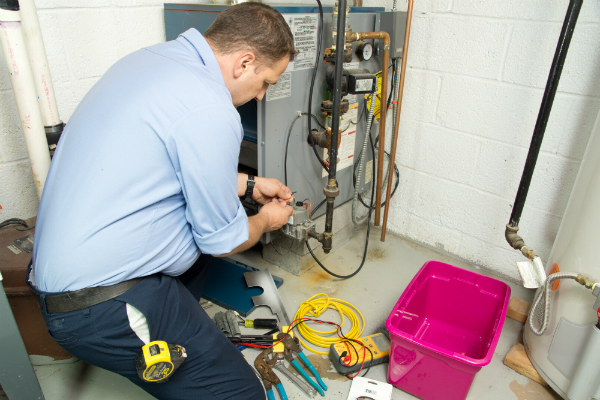
System Installation
The installation process includes:
- Mounting the outdoor and indoor units.
- Connecting refrigerant lines.
- Installing the thermostat and configuring controls.
Testing and Calibration
– The system undergoes rigorous testing to check for leaks, proper refrigerant levels, and operational efficiency.
– Adjustments are made to ensure the system meets the home’s specific needs.
Cost Considerations
Factors Affecting Installation Costs
- Type of Heat Pump: Geothermal systems are more expensive due to excavation and piping.
- Size and Capacity: Larger systems cost more.
- Home Modifications: Older homes may require significant upgrades to electrical systems or ductwork.
- Labor Costs: Regional variations in labor rates influence overall costs.
Average Costs
In the Philippines, heat pump installation costs typically range from PHP 200,000 to PHP 375,000. While this upfront expense might seem steep, the long-term energy savings make it a worthwhile investment.
Benefits of Heat Pumps
Energy Efficiency
Heat pumps can achieve efficiencies of 300-400%, meaning they deliver 3-4 times the energy they consume. This efficiency translates to lower utility bills compared to traditional systems.
Environmental Sustainability
By relying on renewable energy sources, heat pumps reduce carbon emissions and help combat climate change.
Dual Functionality
A single system for both heating and cooling simplifies home maintenance and saves space.
Improved Indoor Air Quality
Heat pumps often include advanced filtration systems, which remove dust, pollen, and other pollutants from the air.
Maintenance Tips for Longevity
Routine Maintenance Tasks
- Clean Filters: Clean or replace filters every 1-3 months to maintain airflow.
- Inspect Outdoor Unit: Remove debris and ensure proper airflow around the outdoor unit.
- Check Refrigerant Levels: Low refrigerant can impact performance and efficiency.
Professional Maintenance
Schedule annual inspections with a certified technician to:
- Clean coils.
- Test electrical connections.
- Calibrate the thermostat.
Common Myths About Heat Pumps
Myth 1: Heat Pumps Are Only Effective in Warm Climates
While older models struggled in cold climates, modern heat pumps equipped with advanced technologies, such as variable-speed compressors, perform well even in freezing conditions.
Myth 2: Heat Pumps Are Too Expensive
While the initial cost is higher, the long-term energy savings and potential government incentives can offset the expense.
Myth 3: Heat Pumps Require Constant Maintenance
With proper installation and care, heat pumps are low-maintenance systems.
Conclusion
Heat pump installation is a transformative upgrade that can enhance your home’s comfort, efficiency, and environmental footprint. By understanding the types of heat pumps, the installation process, and the costs involved, you can make an informed decision tailored to your home’s needs.
Working with a certified HVAC professional ensures a smooth installation and maximizes the system’s lifespan. Whether you’re seeking to reduce energy bills, decrease carbon emissions, or enjoy year-round comfort, a heat pump is a worthy investment.
Stay Comfortable with Expert Heat Pump Installation from Superior Mechanical Services
Looking to upgrade to an energy-efficient heating and cooling solution? Superior Mechanical Services, Inc. is your trusted partner for professional heat pump installation. Since 1948, we’ve been the go-to experts for dependable HVAC solutions for both residential and commercial customers.
Our certified technicians specialize in heat pump installations tailored to your home or business. We ensure every system is set up for optimal performance, helping you save on energy bills while keeping your space comfortable all year round.
Don’t settle for outdated or inefficient systems—contact us today to schedule your heat pump installation. With over 70 years of experience, Superior Mechanical Services is committed to delivering comfort and quality you can trust. Your satisfaction is always our top priority!