Air Source vs. Ground Source: Which Heat Pump Installation Is Best?
The growing focus on sustainability and energy efficiency has led to a surge in the popularity of heat pumps as an alternative to traditional heating and cooling systems. Heat pumps, renowned for their ability to extract renewable energy from the environment, not only reduce carbon footprints but also offer long-term cost savings. Among the many types available, air source heat pumps (ASHPs) and ground source heat pumps (GSHPs) are the most commonly installed systems. Both systems excel in different scenarios, making it important to compare their features in depth to determine which option is best for your specific needs.
What are Heat Pumps and How Do They Work?
Heat pumps operate on a principle similar to refrigeration. Instead of generating heat, they transfer heat from one place to another using a refrigerant cycle.
- Air Source Heat Pumps (ASHPs): These systems extract heat from the air outside and transfer it indoors to provide heating. In the summer, they can reverse the process to act as air conditioners, transferring indoor heat outside.
- Ground Source Heat Pumps (GSHPs): GSHPs, also called geothermal heat pumps, extract heat from the ground, where temperatures remain relatively constant throughout the year. This stability allows them to operate efficiently regardless of the weather.
Both systems can be used for space heating, cooling, and even domestic hot water, providing year-round comfort. However, their efficiency, cost, and suitability vary significantly depending on several factors.
Efficiency and Performance
The efficiency of a heat pump is measured by its **Coefficient of Performance (COP)**, which indicates how many units of heat energy are produced per unit of electricity consumed.
Air Source Heat Pumps (ASHPs):
- – ASHPs are highly efficient, with modern units achieving COPs of 2.5 to 4. This means they can produce 2.5 to 4 times more energy than they consume in electricity.
- – However, ASHP efficiency is dependent on the outdoor temperature. In colder climates, ASHPs must work harder to extract heat from the air, reducing their performance. For example, at temperatures below freezing, their efficiency can drop significantly, necessitating a backup heating system in extreme conditions.
Ground Source Heat Pumps (GSHPs):
GSHPs offer superior efficiency, with COPs ranging from 3.5 to 5 or higher. This is because underground temperatures remain stable year-round, typically between 45°F and 75°F depending on the location.
Unlike ASHPs, GSHPs are unaffected by seasonal temperature fluctuations, making them ideal for regions with extreme weather conditions.
Verdict: If you live in a region with harsh winters or hot summers, GSHPs offer better and more consistent performance. In milder climates, ASHPs can still perform efficiently without significant seasonal variation.
Installation and Initial Costs
The installation process and upfront costs differ considerably between ASHPs and GSHPs, and this can be a deciding factor for many homeowners.
Air Source Heat Pumps:
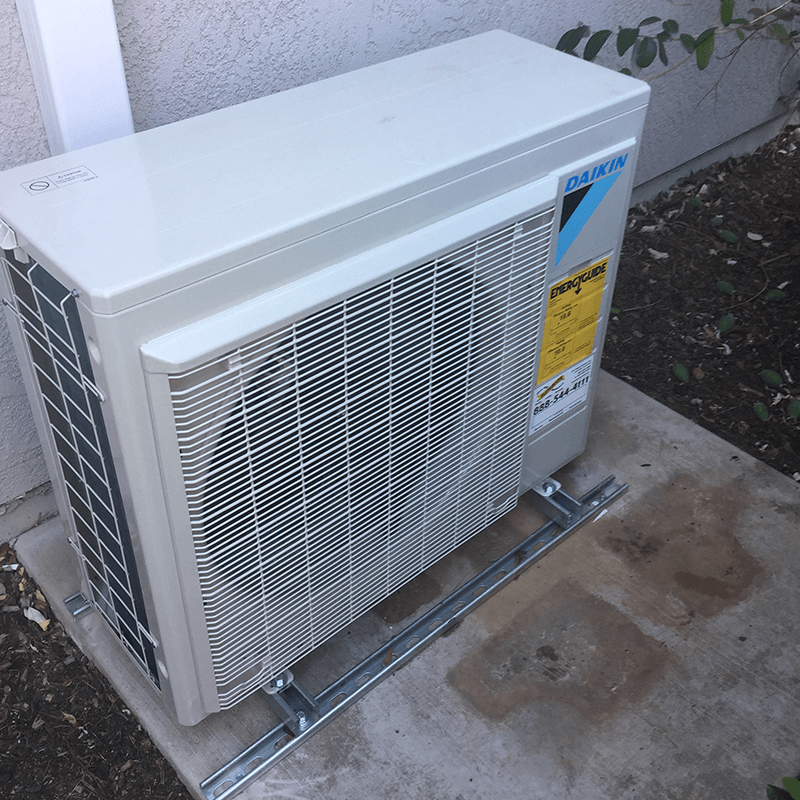
Installation is relatively straightforward. An outdoor unit is typically mounted on an exterior wall or placed on the ground near the house.
Costs range between $5,000 and $15,000, depending on the size, type (ducted or ductless), and specific requirements of the property.
Installation usually takes a day or two and does not involve major disruptions.
Ground Source Heat Pumps:
GSHP installations are more complex and time-intensive. They require the installation of underground loops that extract heat from the ground.
- Horizontal loops: Require a large area of land and are buried in trenches.
- Vertical loops: Involve deep drilling and are better suited for smaller properties.
The costs for GSHPs are significantly higher, ranging from $10,000 to $30,000 or more. The excavation work and equipment needed for the underground loops contribute to this expense.
– Installation may take several days to weeks, depending on site conditions.
Verdict: If budget and installation simplicity are priorities, ASHPs are the better choice. However, GSHPs provide long-term savings that can offset the initial investment.
Space Requirements
The space available on your property can also determine which system is more practical.
Air Source Heat Pumps:
Require minimal space for the outdoor unit, which can be wall-mounted or placed on the ground. This makes ASHPs suitable for urban or suburban properties with limited yard space.
Some ASHPs are designed for compact installations, making them ideal for smaller homes.
Ground Source Heat Pumps:
Require substantial land for the installation of horizontal ground loops. A typical system may need up to 400–600 feet of trenches, which may not be feasible for properties with small yards.
Vertical loop systems require drilling to depths of 100–500 feet, which is a solution for space-constrained properties but comes at a higher cost.
Verdict: ASHPs are more versatile when it comes to space requirements. GSHPs are better suited for properties with ample land or the ability to accommodate drilling.
Climate Considerations
The climate in your region plays a significant role in determining the efficiency and feasibility of each system.
Air Source Heat Pumps:
Perform well in moderate climates where temperatures do not frequently drop below freezing. Newer models of cold-climate ASHPs are designed to operate efficiently in temperatures as low as -15°F, but their performance still lags compared to GSHPs in extreme cold.
In very hot climates, ASHPs may struggle to cool efficiently during peak summer temperatures.
Ground Source Heat Pumps:
Shine in extreme climates, as their efficiency is unaffected by surface weather conditions. Whether it’s frigid winters or scorching summers, GSHPs maintain stable performance.
Verdict: For regions with mild weather, ASHPs are sufficient. In areas with extreme temperature swings, GSHPs are the superior choice.
Environmental Impact
Both ASHPs and GSHPs use renewable energy and reduce dependence on fossil fuels, but there are some differences in their environmental footprints.
Air Source Heat Pumps:
Still rely on electricity, which may come from non-renewable sources. However, pairing ASHPs with renewable energy systems like solar panels can significantly lower emissions.
ASHPs have a smaller environmental impact during installation due to their simpler setup.
Ground Source Heat Pumps:
Offer greater reductions in greenhouse gas emissions over their lifetime due to their higher efficiency.
The installation process, involving drilling or excavation, can have a temporary environmental impact.
Verdict: Both systems are eco-friendly, but GSHPs provide greater long-term environmental benefits.
Maintenance and Longevity
The lifespan and maintenance needs of a heat pump system also influence its overall value.
Air Source Heat Pumps:
Require minimal maintenance, typically limited to cleaning filters, checking refrigerant levels, and servicing fans.
Lifespan averages around 15 years.
Ground Source Heat Pumps:
Require more maintenance, especially for the underground loops. However, these loops are highly durable and can last 50 years or more, while the heat pump itself typically lasts 20–25 years.
Verdict: While GSHPs have a higher upfront cost, their durability and lower operating costs make them a better long-term investment.
Energy Savings and ROI
Both ASHPs and GSHPs offer significant energy savings compared to traditional systems, but the ROI varies.
- ASHPs: Provide quicker payback due to lower upfront costs. Energy savings typically cover installation costs within 5–10 years.
- GSHPs: Offer higher energy savings over their lifetime. Despite the higher initial cost, GSHPs can pay for themselves in 10–20 years, depending on energy prices and usage.
Conclusion
The decision between an air source and ground source heat pump depends on several key factors, including budget, climate, available space, and long-term goals.
Choose an Air Source Heat Pump (ASHP) if:
- You have a limited budget.
- Your property has restricted space.
- You live in a mild climate.
- Simplicity and a shorter installation process are priorities.
Choose a Ground Source Heat Pump (GSHP) if:
- You seek maximum efficiency and energy savings.
- You live in an area with extreme temperatures.
- You have sufficient space or can accommodate drilling.
- Long-term investment is more important than upfront cost.
For the best results, consult with a professional installer who can evaluate your property and provide a customized recommendation tailored to your needs.
Stay Comfortable with Expert Heat Pump Installation from Superior Mechanical Services
Looking to upgrade to an energy-efficient heating and cooling solution? Superior Mechanical Services, Inc. is your trusted partner for professional heat pump installation. Since 1948, we’ve been the go-to experts for dependable HVAC solutions for both residential and commercial customers.
Our certified technicians specialize in heat pump installations tailored to your home or business. We ensure every system is set up for optimal performance, helping you save on energy bills while keeping your space comfortable all year round.
Don’t settle for outdated or inefficient systems—contact us today to schedule your heat pump installation. With over 70 years of experience, Superior Mechanical Services is committed to delivering comfort and quality you can trust. Your satisfaction is always our top priority!