Best Water Heaters for California Homes in 2026
There isn’t a single best water heater for California homes in 2026, but it’s a mix of energy savings, quick heat, and solid dependability. Homeowners want models that can handle variable weather and tougher energy regulations. Heading into 2026, top picks lean towards heat pumps and tankless electric water heaters. They consume less energy, install in small spaces, and are optimized for solar configurations. Most of these new units reduce water waste and employ smart tech for optimal control. Brands emphasize units that comply with California’s building codes and drought plans. We feature the leading models and price points to help you pick out the right heater, followed by tips for new buyers.
Key Takeaways
- Cutting-edge water heater solutions in 2026 provide enhanced energy savings, lower emissions, and adaptable installation configurations for diverse home layouts and lifestyles.
- California’s new energy mandates for water heaters obligate homeowners to select units that comply with these enhanced efficiency and emission benchmarks and promote a shift toward greener energy alternatives.
- By tailoring water heaters to the size of the household, water patterns, and layout of the home, you optimize efficiency and deliver hot water when you need it without racking up utility bills.
- The real cost of owning a water heater involves calculating your purchase price, installation charges, utility savings, and potential state rebates, so it pays to take them all into account before making a purchase.
- Smart home integration enables remote control, energy monitoring, and leak detection, offering convenience and assisting homeowners in optimizing performance and maintenance.
- Installing in California: Proper installation involves considering space limitations, venting regulations, electrical requirements, and water hardness to guarantee safe operation and durability.
Top Water Heater Choices
California homes in 2026 require efficient water heaters that are reliable and sustainable. Homeowners are looking for smarter, greener solutions like tankless systems that work for all types of spaces and needs. Recent innovations in water heater technology, including efficient upgrades, address these needs with more intelligent controls and improved energy ratings.
- Condensing tankless models reduce energy loss and require less space.
- Solar thermal takes clean, renewable sunlight and uses it to heat your water.
- Hybrid heat pump heaters reduce bills by extracting heat from ambient air.
- Advanced electric tankless units provide immediate hot water using less power.
- Smart features such as leak detection and remote control increase safety and convenience.
1. Heat Pump Hybrids
Hybrid water heaters, known as heat pump models, use less energy by pulling in warmth from the air instead of creating heat themselves. This strategy can reduce energy bills by several hundred dollars a year for California’s mild climate. Many of its models feature high UEF (Uniform Energy Factor) ratings as well, so they’re a top pick for long-term savings.
They function optimally in places containing a minimum of 28 cubic metres (1,000 cubic feet) of fresh air, like a garage or utility room. Bad positioning will make them less efficient. Hybrids help reduce greenhouse gas emissions as they utilize less electricity or gas than regular heaters and are a great choice for environmentally conscious households. With proper maintenance, the majority of them last a decade or more.
2. Condensing Tankless
Condensing tankless water heaters are notable for their high efficiency as some have Uniform Energy Factor (UEF) ratings above 0.90. They heat water only as it is required and recover excess heat from flue gases, minimizing waste. Tankless units save that much more space, which means they work great in apartments or small homes! They are a favorite for off-grid configurations and RVs.
While these units can battle mineral scale, scale-prevention tech does its best to reduce this. Using a flush kit or opting for models with integrated cleaning cycles will extend lifespan. Regular inspections maintain efficiency and can ward off expensive fixes.
3. Solar Thermal Systems
Solar thermal water heaters make the most of California’s generous sun. When properly sized and installed, they can provide all or most of a home’s hot water, reducing energy consumption and utility bills. They usually couple with backup electric or gas units for cloudy days.
Solar water heaters require room for panels and piping, as well as an initial investment. Local incentives and rebates frequently help defray costs, and many communities provide support for these green upgrades. It’s easy to integrate this unit with your existing plumbing, increasing overall system efficiency. In the long run, solar thermal systems provide huge savings and reduce a home’s carbon footprint.
4. Advanced Electric Tankless
Advanced electric tankless water heaters provide immediate hot water, enabled by intelligent flow sensors and precise temperature controls. These units consume less energy than storage tanks, particularly in mild climates. They include Wi-Fi-enabled leak detectors that alert your phone for extra peace of mind.
Best located close to the main sources of water distribution to minimize your wait time. Certain models even offer temperature stabilization, providing consistent flow while three taps are open. Electric tankless heaters work well in residences with robust electrical systems and a scarcity of space, although they sometimes require upgrades to wiring or circuit breakers.
California’s 2026 Energy Mandates
California’s 2026 Energy Mandates are transforming how California homeowners select water heaters, emphasizing the need for efficient water heaters that reduce energy consumption and emissions. These new rules, part of Title 24’s 2025 update, promote eco-friendly choices such as tankless systems and electric-ready homes, preparing dwellings for a sustainable future.
New Efficiency Rules
The new bar for water heater efficiency in California’s 2026 energy mandates emphasizes the importance of choosing an efficient water heater. Heat pump water heaters (HPWHs) are now favored because they consume up to 60% less energy than older electric or gas versions. These regulations require California homeowners to select equipment that meets aggressive efficiency standards, leading to lower energy bills in the long run.
Energy-efficient water heaters, especially HPWHs, significantly reduce total household energy consumption. The mandate also requires new homes to have dedicated 240V circuits for these units, ensuring optimal efficiency and reserving space for future solar or battery storage. Gas-only tankless or storage water heaters will not meet code after January 1, 2026, prompting buyers to consider compliant options like solar thermal, heat pump, or hybrid systems. Early upgrades could help homeowners tap into rebates or incentives before they begin to wane.
Emission Standards
Emission standards address air quality and climate objectives. Water heater manufacturers will need to come up with much lower-emission models going forward, particularly as most California cities are banning natural gas in new construction. By selecting water heaters that comply with or exceed these emission caps, homeowners contribute to better indoor and outdoor air quality. Low-emission water heating lowers the carbon intensity of everyday life. For pools and spas, only low-emission or renewable systems are permitted. This includes code-compliant heat pumps or solar collectors sized to a minimum of 65% of the water surface area.
By choosing compliant models, you’re doing your part for the planet and getting your home ready for the tougher standards on the horizon. Over time, this can translate into fewer repairs, greater long-term value, and simpler resale in a market increasingly gravitating toward green building.
Electrification Push
Hard electrification efforts underpin the 2026 mandates. New single-family homes have to be electric ready and natural gas water heaters are being sunsetted. Electric heat pump water heaters are more efficient, cost less to run, and are easier to pair with solar or battery storage. This transition aligns with California’s effort to reduce fossil fuel consumption and achieve clean energy targets. Homeowners that make the switch to electric systems could notice reduced monthly bills, particularly as additional renewable energy is added to the grid.
Aligning with these mandates helps future-proof homes and supports the global low-carbon transition.
Matching Heaters to Lifestyles
Matching a tankless water heater to your lifestyle involves considering your daily routines, the size of your California home, and your water demands. The right choice, such as an efficient water heater, helps keep energy bills low, meets comfort needs, and fits your space.
- Take inventory of how many people live in your home, and then pair that with the size of the heater. For one to two people, a 30 to 40 liter tank typically suffices. Three to four people may require 40 to 50 liters, and five or more could need 50 to 80 liters.
- Map your hot water use, including showers, dishes, and laundry. Total the liters consumed in your busiest hour. This is your peak usage.
- Consider your home’s layout. Determine if you have room for a large tank or if a sleek tankless system will work best. Some require 28 cubic meters of space to properly air their heat.
- For matching heaters to lifestyles, check efficiency ratings. High efficiency models can reduce costs by as much as 70%.
- Consider the service life of systems. Tank heaters have a lifespan of 8 to 12 years, and tankless or heat pump units may last 15 to 20 years.
Household Size
Bigger houses with 5 or more people generally require 190 to 300 liter tanks. That way, no one runs out of hot water during peak periods. Smaller households can match up with more compact systems, which consume less energy and space. For a family of 4, a 60 to 70 liter tank is generally sufficient.
Tankless heaters are a good match for small families or where hot water consumption is dispersed. Big families with overlapping showers and appliance use might fare better with larger tanks or hybrids. Part of matching heaters to lifestyles is balancing performance and energy use. Choosing a system that fits your needs and habits is important. Heating water that never gets used is an energy and money waster.
Water Usage
Water habits in California are shaped by conservation and busy lifestyles, with many homes experiencing their highest demand in the morning. Showers, dishwashers, and breakfast all occur simultaneously, highlighting the need for efficient upgrades like a tankless water heater that warms water on demand. However, these units may struggle with intense concurrent use, making it essential for homeowners to understand their peak hour use when sizing their heaters.
Standard tanks maintain a ready supply of hot water but can lead to higher energy bills if oversized, particularly in bathrooms with multiple showers. Utilizing efficiency toilets and energy-efficient models can significantly reduce water demand and balance expenses, especially in households with frequent laundry or shower use.
To minimize energy waste, California homeowners should consider the benefits of efficient water heaters that not only lower utility costs but also contribute to a greener home. By investing in sustainable home upgrades, residents can effectively manage their water heating costs while ensuring optimal efficiency in their daily routines.
Home Layout
Your home layout can restrict your placement of a water heater. Some homes have mechanical rooms or garages. Others have just a small closet.
Tankless heaters are excellent choices for small or spatially challenged living accommodations since they mount to walls and don’t require much space. Conventional tanks require floor space and additional air for venting, sometimes as much as 28 m3. Plumbing layout counts too. These long pipe runs mean hot water takes longer to reach taps, wasting water and energy.
Selecting the right location, as near as possible to the point of hot water usage, minimizes heat loss and increases system efficiency.
The True Cost Breakdown
What you really pay for a water heater goes beyond the ticket price. Homeowners must consider the initial, installation, and operational costs, add in rebates, and calculate long-term savings. Each one swings the overall cost of ownership. It is key to turn your head and see the whole scope.
Cost Checklist:
- Upfront purchase price
- Installation fees
- Annual energy costs
- Maintenance and repairs
- Utility savings over time
- State rebates and incentives
Purchase Price
Water heaters aren’t cheap, particularly when considering options like a tankless water heater. A typical 50-gallon gas tank model costs around $800 in the store, while tankless gas models are pricier, ranging from $1,200 to $2,200. Electric heat pump water heaters, known for their exceptional efficiency, range from $1,500 to $4,000 for premium models. Features like digital controls, Wi-Fi, or higher efficiency can push the price even further. High-efficiency models generally have a larger initial cost, but they consume less power, making them a smart choice for budget-conscious buyers.
Installation Fees
Installation costs can vary significantly depending on the type of heater and the configuration of the home. While traditional storage tank water heaters are typically less expensive to install, ranging from $400 to $1,000, tankless water heaters may cost $1,200 or more due to additional plumbing or venting requirements. Homes with hard-to-access spaces or outdated wiring might incur extra costs. Hiring licensed plumbers ensures leaks are stopped and enhances the heater’s efficiency, adding value while achieving optimal efficiency for your home.
Utility Savings
By swapping to efficient units such as heat pump water heaters or tankless water heaters, bills can be reduced 24 to 34 percent annually. A basic gas tank model averages $280 a year to operate, while a tankless gas unit comes in at around $190. Heat pump water heaters are the most efficient, averaging only $150 a year. Gas rates are lower per BTU than electricity, and heat pumps compensate with much higher efficiency. Over a decade or more, the savings from a heat pump can be massive as utility prices continue their upward climb. California homeowners who opt for high-efficiency models typically experience the up-front cost balance out through long-term savings.
State Rebates
- Rebates up to $3,000 for heat pump water heaters
- Must be installed by a certified contractor
- Proof of purchase and installation required
- Application usually through utility or state energy agency
- Funds limited, review program dates before buying
- Certain rebates are available just to swap out current gas or electric versions.
State programs make efficient water heating more affordable by reducing upfront costs through rebates and incentives, particularly for California homeowners. These programs aim to promote efficient upgrades, making energy-saving home improvements accessible for more people. The application process is uncomplicated and typically involves paperwork and proof of professional installation.
Smart Home Integration
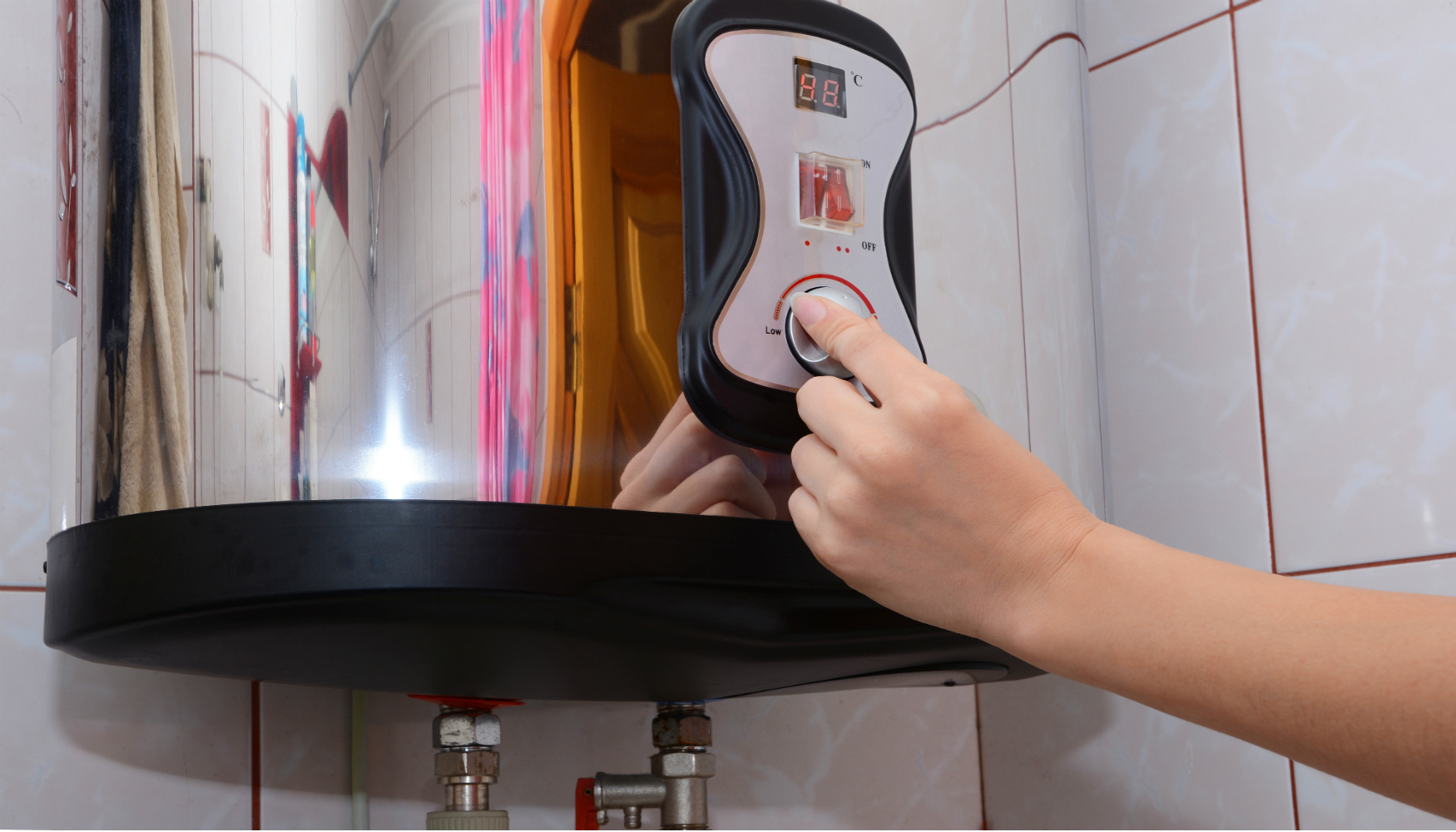
Smart home integration transforms water heater usage for California homeowners. When paired with a smart home system, users can check and modify settings for lighting, climate, and their efficient water heater remotely from their phone or computer. This provides control over energy consumption and can assist in reducing expenses. Smart panels and home energy management systems (HEMS) track appliance energy consumption, enabling reactive switching to power on or off. When those tankless water heaters are included in the mix, it means more intelligent monitoring of water consumption, heating durations, and energy demand. It could even learn patterns to heat for peak and off-peak schedules. Smart home integration typically requires dedicated circuits for each unit, so the system can control loads individually. If you’re planning new builds or upgrades, there are incentives for installing smart and efficient tech.
Remote Control
Remote control allows them to start, stop, or schedule their water heater from anywhere! This is convenient for hectic days or when traveling. Being able to control the water temperature or turn the heater off with a tap simplifies life. Remote access enables the system to align hot water supply with actual demand and minimizes waste.
Smart water heaters are now compatible with Google Home and Amazon Alexa. They connect with HEMS or smart panels, allowing consumers to display and control energy consumption all in one location. Security matters—these systems employ encrypted connections and user authentication to keep remote access secure.
Energy Monitoring
Energy insights reveal the energy consumption of the water heater. They monitor trends so you notice spikes or dips. This information assists in adjusting behaviors and scheduling timers, reducing bills and waste.
Feedback arrives fast. If the heater is running more than necessary, it provides notifications or advice. Over time, those insights help foster a more sustainable routine and long-term savings.
Leak Detection
Leak detection nabs issues before they escalate. Sensors located near the heater notify you when they detect water, typically before significant damage occurs. Early detection leads to less waste and fewer big repairs.
Smart leak detection integrates with the rest of the home system, so on any device you see alerts. It’s a money-saving measure, too, frequently paying for itself in advance via quiet confidence and reduced damage expenses. They’re excellent systems because they can shut off leaks that are running wild, conserving both water and cash.
Installation Realities in California
Installing a water heater in California often comes with extra considerations. Space limits, layout constraints, and ventilation all shape what works in a given home. The choices you make affect cost, safety, and long-term performance, especially if you’re upgrading an older system or working with a tighter footprint.
Space Considerations
Not every home has the room for a traditional setup. Garages are common installation spots, but that’s not an option everywhere. Smaller homes and apartments may need compact designs or wall-mounted systems. Some high-efficiency models also rely on surrounding air, which can limit placement if the available space is enclosed or cramped. Saving floor space can help, but it may introduce new layout or access challenges.
Thinking Ahead Still Counts
Even if your current setup works today, future changes matter. Household needs grow, appliances change, and newer systems often come with different requirements. Leaving room for adjustments and keeping access points clear makes future upgrades far easier. Planning ahead can prevent unnecessary remodeling or rewiring later.
Venting Requirements
Proper venting plays a major role in both safety and performance. Systems that produce exhaust need a clear path to move it outside, and airflow must remain unobstructed. Poor ventilation can lead to health risks and reduced efficiency. Each type of heater handles this differently, which is why correct installation matters from the start.
Hiring a licensed professional isn’t just about paperwork. Experienced installers understand local requirements and can spot issues that might otherwise go unnoticed. Cutting corners here often leads to bigger problems down the line.
Electrical Considerations
Some modern systems place heavier demands on a home’s electrical setup. Older homes may not be equipped to handle those needs without updates. While upgrades add to the upfront work, they also support safer operation and smoother performance across your home’s systems. A quick conversation with a qualified installer before purchasing can save time and frustration.
Water Quality Factors
Water quality also affects how long a heater lasts and how well it performs. Mineral buildup can stress components, reduce efficiency, and increase wear over time. Solutions that treat water before it reaches the heater can help protect the system and keep it running more smoothly. While these additions come with their own costs, they can reduce maintenance issues and extend the life of the unit.
Conclusion
Choosing the perfect water heater in California requires a bit of consideration. New state rules define what works in every home. Some people want reduced bills, some want more hot water, and a lot of people want smart homes. Tankless models are ideal for tight spaces and busy lives. Heat pump units consume less power for greater savings. Solar heaters take advantage of sunny weather in most communities. Each variant offers obvious benefits and expenses. Select the water heater that suits your space, your lifestyle, and your wallet. Want additional assistance or quick tips for your home? Consult with a local pro or see trusted guides online. Smart choices now translate to comfort and savings for years to come.
Frequently Asked Questions
1. What types of water heaters are best for California homes in 2026?
Energy-efficient heat pumps and tankless water heaters, known for their exceptional efficiency, lead the way in compliance with California’s rigorous energy standards while reducing utility bills.
2. How do California’s 2026 energy mandates affect water heater choices?
The mandates set new energy efficiency standards that water heaters, including efficient water heaters, must meet. Homeowners ought to opt for models with a low energy certification for a greener home.
3. Which water heater works best for large families?
High capacity heat pump or gas condensing water heaters are the best options for California homeowners. They provide reliable hot water for several users and intense daily use.
4. Are smart water heaters worth it for California homes?
Yes. The smartest tankless water heaters enable remote control, scheduling, and energy tracking, assisting California homeowners in conserving energy and achieving optimal efficiency objectives.
5. What is the typical lifespan of modern water heaters?
Most new efficient water heaters have a 10 to 15 year lifespan, and routine care can prolong their efficiency.
6. How much does it cost to install a water heater in California?
The installation can cost anywhere from USD 800 to 2,500, depending on the type. High-efficiency toilets and efficient water heaters may cost you extra to purchase but save you money in the long run.
7. Can I install a new water heater myself in California?
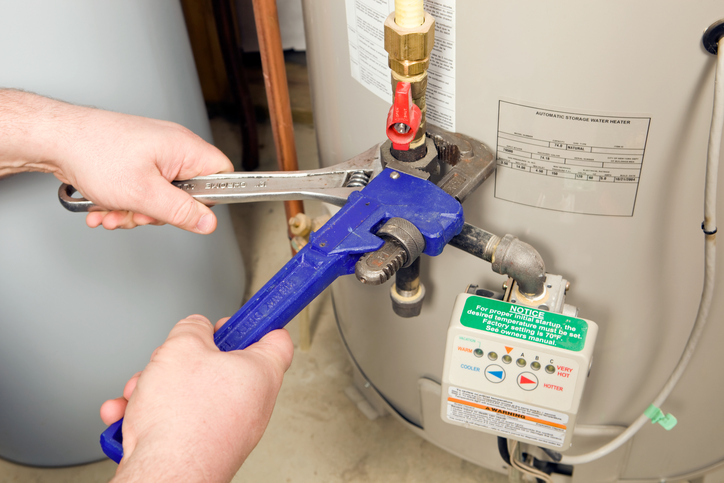
We highly recommend professional installation of efficient upgrades like tankless water heaters, as it is often mandated by local laws.
Take a Water Heater Deep Dive with Superior Mechanical Services
When your water heater starts struggling, everything from morning routines to evening clean up gets harder. Superior Mechanical Services, Inc. gives homeowners a clear look at how their system is performing and what it needs to stay reliable. This Water Heater Deep Dive covers performance issues, efficiency opportunities, safety concerns, and any signs your system might be nearing the end of its lifespan.
Bay Area families have turned to our team since 1948 for straight answers and dependable service. If your water heater takes too long to heat, runs out faster than it should, makes unusual noises, or pushes your utility bills higher, our certified technicians will break down the cause and guide you through the best next steps. You get clear explanations and transparent pricing so you can plan with confidence.
A detailed assessment can extend the life of your system, prevent surprise failures, and keep your home running smoothly. We focus on long term reliability and energy smart solutions that save you money and reduce stress.
Call today to schedule your Water Heater Deep Dive with Superior Mechanical Services. With more than 70 years of experience, our team helps Bay Area homeowners stay prepared with a water heater that works the way it should every day.
_________________________________________________________________