Best Air Purification Systems for East Bay Offices
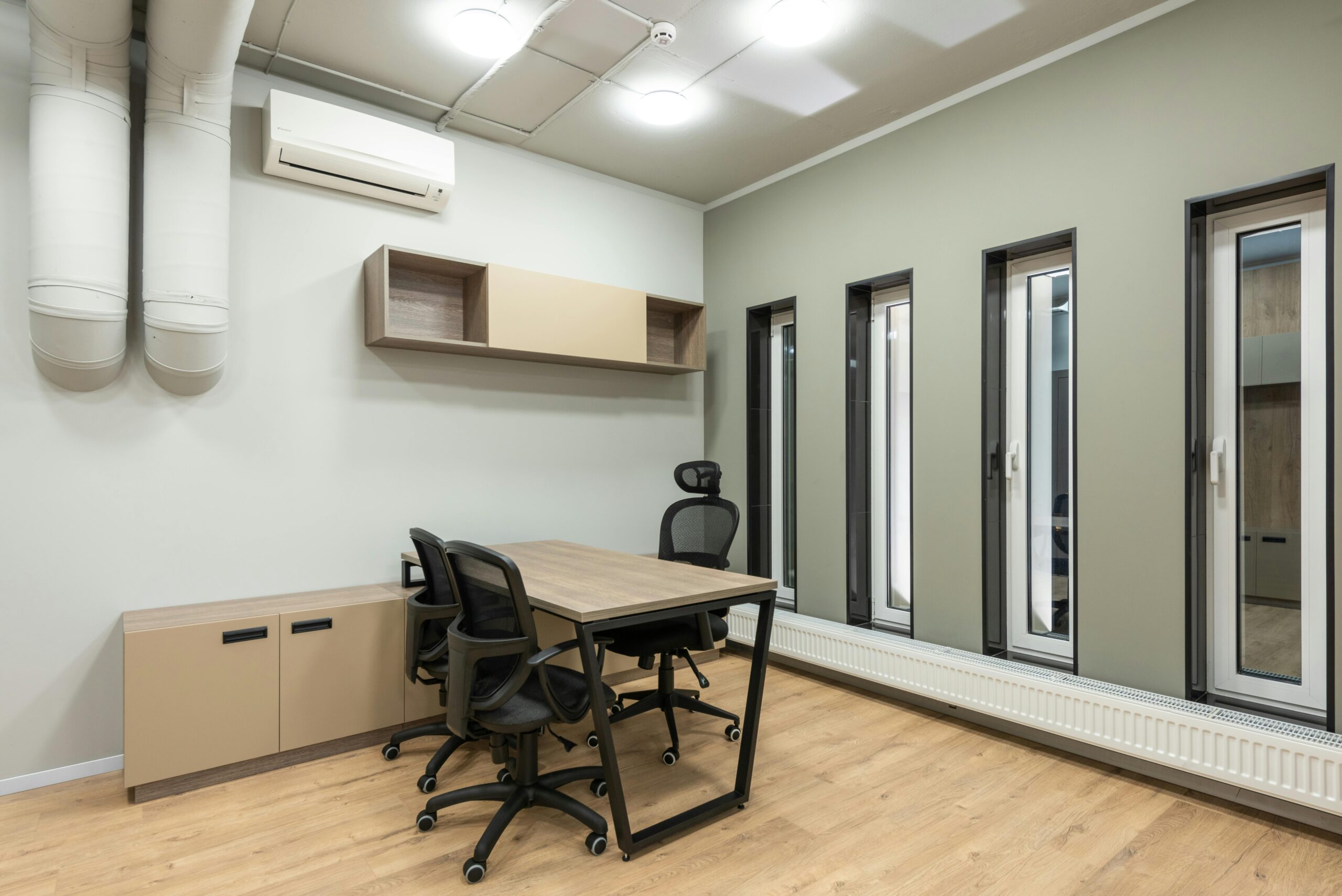
The best air purification systems for East Bay offices use high-efficiency filters, strong airflow, and quiet motors to keep your workplace safe and fresh. You will discover that prime candidates feature HEPA filtration, carbon filters, and UV-C light, each demonstrated to reduce airborne dust, pollen, and pathogens. For East Bay offices, indoor air can carry allergens and pollution from both inside and outside, so selecting the right system makes a difference for your team’s health and comfort. Powerful air purifiers keep you compliant with workplace safety guidelines and promote pure, constant air circulation in open or closed layouts. In this guide, compare key models, find out what to check before you buy, and discover actual gains for your team and office.
Key Takeaways
- By making the indoor air quality in your office better, you can increase employee health, productivity, and morale. All of these can help minimize sick days and distractions.
- Evaluate your workspace’s unique pollutants and air quality issues. This allows you to select a system that targets your requirements.
- Mimic the solutions nature provides, like HEPA filters for dust particles, activated carbon for smells, UV-C light for viruses, and bipolar ionization for bacteria.
- Account for your office size and layout when selecting and placing air purifiers to maximize coverage and minimize noise.
- AIR PURIFIERS FOR EAST BAY OFFICES You’ll save money in the long run by investing in effective and easy-to-maintain air purification systems, such as lower healthcare costs and better employee retention.
- Continuously check air quality, follow changing regulations, and refresh the system to maintain a safe, future-ready office space.
 Why East Bay Offices Need Clean Air
Indoor air quality has a direct impact on the well-being, comfort, and productivity of your staff. On average, people spend around 90% of their time indoors, with a significant portion of that in the office—sometimes up to 60 hours per week. Poor air quality in the workplace can lead to fatigue, headaches, allergy flare-ups, and reduced concentration, all of which contribute to more sick days and lower morale. Studies show that indoor air can be five to ten times more polluted than outdoor air, making what you breathe at your desk far more important than many realize.
Offices are filled with potential indoor contaminants. Dust, pollen, mold spores, and pet dander can accumulate quickly, especially in spaces with closed windows or irregular cleaning schedules. Volatile organic compounds (VOCs) from paints, furniture, printers, and cleaning products can linger in the air, adding to the pollutant load. Seasonal factors, like wildfire smoke, further increase the risk of harmful airborne particles entering your office.
Investing in high-efficiency air purification systems addresses these challenges. HEPA filters trap fine particles, activated carbon filters reduce odors and harmful gases, and UV-C light or bipolar ionization can neutralize bacteria and viruses. By improving your indoor air, you not only reduce health risks for your employees but also create a more comfortable and productive environment.
Clean air transforms your office into a healthier and more productive workspace. Employees breathe easier, experience fewer distractions, and feel more focused throughout the day. While concerns about office air quality have existed since the 1970s, today’s advanced air filtration systems make it easier than ever to create a safe, welcoming, and future-ready workplace. Prioritizing indoor air quality isn’t just a health decision—it’s an investment in employee well-being, productivity, and long-term business success.
Choosing Your Air Purification System
Choosing your air purifier for the office involves more than just specs; you must consider the specific air quality challenges in your indoor environment, the size of your space, tolerable noise levels, and ease of maintenance. Sleek-looking air filtration systems that run quietly can enhance the daily work experience, while units with high-efficiency air filtration systems instill confidence in air quality.
1. Assess Pollutants
Common contaminants in East Bay offices include dust, pollen, mold spores, and VOCs from printers or cleaning sprays. Fine particles from wildfire smoke can also enter indoor spaces, especially during dry seasons. Utilizing air quality monitors to gather real-time data on airborne pollutants is essential for identifying trouble spots in your office. It’s wise to consider the placement of printers, copiers, and cleaning supply storage, as these can contribute to indoor air quality challenges. Remember, outdoor conditions like wildfire season can exacerbate contamination, highlighting the need for effective air filtration services year-round.
2. Match Technology
Not all air filtration systems are created equal. HEPA filters, especially the thicker ones, can capture 99.99% of small airborne pollutants, including some viruses. Intelligent air purifiers adjust their operation based on detected air quality fluctuations, making them ideal for office spaces. Some models incorporate activated carbon filters to effectively trap odors and harmful gases. Ensure that your selected air purifier connects seamlessly to your HVAC system for consistent distribution, or opt for free-standing units for mobile positioning.
3. Consider Space
When considering office size, it’s essential to calculate floor space and ceiling height to determine the necessary air filtration system for effective air quality management. Aiming for four air changes per hour is a good benchmark for active or dirty rooms. Portable air purifiers are ideal for open offices or lounges, with small units easily tucking under desks while larger ones cover meeting rooms, ensuring a clean air environment.
4. Evaluate Noise
Noise can be an issue when using air filtration systems. Certain models rang in at 71 decibels, nearly as loud as a vacuum. Seek out quiet models, particularly if your crew needs to concentrate on air quality management. Adjustable fan speeds can tune the balance between noise and cleaning efficiency, so look at reviews for actual noise data.
5. Check Efficiency
Clean Air Delivery Rate (CADR) measures how quickly an air purifier can work, and a high CADR is essential for effective air filtration services. High CADR and energy-efficient designs reduce costs over time, especially when considering high-efficiency air filtration systems. HEPA and carbon filters both have ratings; seek high marks for optimal performance. Maintenance counts, of course, as some filters should last six months to a year.
East Bay Air Quality Challenges
The East Bay has its own air quality issues that can impact your office. Our cities are surrounded by congested highways, ports of entry, and factories. You’re dealing with an amalgamation of air hazards, from smog and car emissions to fine dust and chemical vapor. Wildfire season exacerbates these challenges rapidly. East Bay air quality struggles, as fire smoke, originating not only from California but as far as Canada or Alaska, can take days to reach and settle in the Bay Area. Our experience in the East Bay shows that air pollution levels can shift from safe to unsafe in just a few hours, making it tough to plan or even know when your indoor air is at risk.
Your office could be getting air pollution from extended traffic jams. East Bay streets and freeways are packed, particularly in these tight urban corridors. Between the car and truck exhaust, it forms a stew of airborne pollutants that can infiltrate indoors if doors or windows are open or even through ventilation systems. The Bay Area has active monitoring of air quality, with agencies providing limits and issuing warnings when pollution levels rise. Office managers should stay informed about local air quality conditions, especially during wildfire season or high-traffic days. Taking precautions, such as keeping windows closed or using air purification systems, helps protect your team and maintain a healthier indoor environment.
East Bay’s location near hills and the bay itself molds your air as well. On certain days, the winds can deliver smoke or industrial haze directly into urban cores. On other days, those very same winds can assist in purifying the air. That’s what makes it tough to know what you’re inhaling unless you remain vigilant. Wildfire smoke is a growing concern, and the health effects are legit. Even brief exposure to smoky air can irritate lungs, give headaches, and cause more severe problems. Research indicates that inhaling wildfire smoke in a heavy air event can be equivalent to smoking multiple cigarettes within 60 minutes.
Knowing these challenges, you have to take action to prevent outdoor pollution from entering your office. Investing in quality air purifiers, utilizing high-efficiency air filtration systems, and keeping up with local guidance can all assist in mitigating risks. East Bay air quality is complicated, and the correct solution varies based on your building, your staff, and local pollution sources.
Comparing Purification Technologies
You want clean air at work, and not all air filtration systems are created equally. Various technologies employ their own mix of filters, fans, and accessories. Some models are suitable for as little as 30 square metres, while others can purify up to 130 square metres. Noise matters too—units can be as quiet as 23 decibels or as loud as 54. Both technologies have pros and cons. A lot of new purifiers mix technologies or employ smart sensors for real-time control, enhancing indoor air quality levels. Below is a quick look at common options.
| Technology | Strengths | Weaknesses |
| HEPA Filtration | High particle removal rate | Needs regular filter change |
| Carbon Activation | Removes odors and gases | Doesn’t trap particles |
| UV-C Sanitization | Kills bacteria, viruses | Needs safety features |
| Bipolar Ionization | Reduces pathogens, works with HVAC | New tech, limited research |
| Hybrid (Multi-Stage) | Covers many pollutants, more effective | More complex maintenance |
HEPA Filtration
| Type | Particle Removal | Best For |
| True HEPA | 99.97% @ | |
| 0.3µm | Allergens, fine particles |
| Standard Filter | Lower | Larger dust, less fine material |
True HEPA filters beat out standard ones, particularly for filtering out pollen, dust mites, and pet dander. They assist offices with allergic or asthmatic staff.
To maintain effectiveness, change filters every 8 to 12 months. Some purifiers monitor filter life for you, but check the manual.
HEPA reduces sneezing and respiratory distress by filtering out microparticles. It is a good choice for the majority of workplaces.
Carbon Activation
Using activated carbon filters, they literally ‘grab’ odors and gases, pulling them out of the air. This aids in eliminating odors from lunch rooms or cleaning chemicals.
Carbon filters shine against VOCs, smoke, and fumes. If you want to eliminate both gases and dust, pair these filters with HEPA or UV-C.
If you don’t change these filters frequently, they lose their effectiveness too.
UV-C Sanitization
- UV-C light shatters the DNA of viruses and bacteria, preventing them from replicating.
- That’s ideal for offices when you want to reduce the risk of airborne illness.
- Quite a few air purifiers supplement their filter stages with UV-C, making the overall setup more robust.
- Seek out certified UV-C models with shields or timers for safety.
Bipolar Ionization
Bipolar ionization releases charged ions to neutralize pathogens and ultrafine particulates. It does not make ozone when manufactured properly.
This tech can help your HVAC system purify the air better. It requires minimal maintenance. In the long run, it reduces colds and flus in offices.
In the long run, ionization provides an additional line of defense and can complement other technologies for optimal impact.
The Business Case for Clean Air
Clean air in your office is no longer a nice-to-have; it’s fundamental to workplace health, productivity, and sustainable business value, particularly in tightly packed cities where air pollution is an implicit cost of real estate. With the rise of concerns over PM2.5 particles and the importance of air filtration services, attending to your air quality is not merely wise; it’s imperative for creating clean spaces.
Productivity Gains
- Research from top research institutions demonstrates that clean indoor air can enhance cognitive function, increasing problem-solving speed and accuracy by up to 60%.
- Office workers in buildings with premium air quality experience fewer headaches and less fatigue, which translates to fewer distractions and more deep focus time during the day.
- Cleaner air equals less sick leave. Clean air makes good business sense: companies that invest in modern air purification experience a 10-20% reduction in absenteeism annually, as employees battle fewer respiratory infections or allergy outbreaks.
- When you make air a part of your wellness strategy, you build a more desirable and supportive culture, one where your team wants to do their best work.
Healthier Teams
The connection between indoor air quality and health is obvious. Offices with advanced air filtration systems suffer less from asthma, allergies, and even stress complaints. Eliminating PM2.5, which can sneak deep into the lungs, reduces both minor and chronic ailments. Teams in these spaces say they feel not only physically better but mentally sharper and less stressed. When you invest in air filtration services, you’re creating a workplace where people thrive and stick around.
Long-Term ROI
Up front, you might take a budget hit, but over time, savings accrue from lower health insurance claims and lower hiring costs from improved retention. Investing in air filtration services enhances your brand, demonstrating to clients and potential employees alike that you prioritize health and well-being. It gives you the business advantage in tight labor markets and builds trust for the long haul. Approaching air quality management as a smart investment—not another cost—positions your business for sustained growth and resilience.
Future-Proofing Your Office Air
Air standards keep evolving, and if you run an office, you have to future-proof this stuff. Local and global regulations are tightening as awareness of the health risks associated with poor indoor air quality increases. When you shop for air filtration systems, choose ones that can stay ahead of new standards. For instance, systems with a high CADR of as much as 152 CFM can control more stringent regulations and larger spaces. High-density urban offices may be subject to even tighter benchmarks in the near future, so investing in flexible systems today can spare you expense and headache down the road.
That’s why adaptable air purifiers are brilliant for future-proofing your office air. Multi-stage filtration, including washable pre-filters, particle filters, and activated carbon filters, is available on certain models. This arrangement helps eliminate dust, pollen, odors, and even some gases. Seek out purifiers that have smart options like Wi-Fi or app support. These allow you to track air quality trends, control settings remotely, and receive maintenance alerts. Auto mode and air quality sensors are nifty as well, allowing the unit to adjust fan speed and energy consumption based on real-time measurements. About half of today’s purifiers include these sensors, so check spec sheets prior to purchase.
Continued learning for office managers is essential. Air quality tech never stops evolving, with new filter materials and capabilities landing every year. Staying informed allows you to make smarter decisions and identify when your system is due for an upgrade. For instance, certain filters have a lifespan of just six months, while others extend to eight. Simple filter inspections and a timely filter replacement keep your system running. Power requirements might shift, too. Some purifiers consume as little as 1 watt, while others consume up to 215 watts, so include energy consumption in your planning for upgrades down the line.
Regular checkups and system enhancements are clever strategies to safeguard your interior air. Check noise levels of 40 to 65 decibels and select quieter models for communal areas. Leverage air quality information from integrated sensors to help determine when it is time for a filter change or a new unit. Improving your tech, whether to a unit with more sophisticated sensors, better CADR, or smarter energy use, can help you keep up with new regulations and keep staff healthy.
Conclusion
Fresh air in your East Bay office makes your team perform and feel great, day after day. Clean air keeps people well, reduces absenteeism, and infuses the office with new vitality. You have intelligent options with dozens of systems that serve various needs. Certain offices opt for HEPA, others for UV or carbon. They are all good at different things, so you discover what is best for your area. Great air is not a quick patch for the present; it positions your crew for the long haul. Go ahead and switch to a cleaner office today. See our best air purifiers for East Bay offices and select the one that makes you breathe freely and work hard.
Frequently Asked Questions
What are the main benefits of using air purification systems in East Bay offices?
They literally filter the air using advanced air filtration systems, removing airborne pollutants and allergens that are harmful to your health. As a result, you breathe healthier air, enjoy increased productivity, and experience fewer sick days, showcasing your commitment to your team’s well-being.
Which air purification technology is best for offices in the East Bay?
HEPA air purifiers and activated carbon filters work best in air filtration systems, effectively trapping fine particles and odors prevalent in the East Bay, ensuring breathable air.
How often should office air purification systems be maintained?
Check and replace filters every 3 to 6 months, depending on usage and the manufacturer’s guide, as routine upkeep enhances your air filtration system’s efficiency and ensures optimal indoor air quality.
How does outdoor air quality in the East Bay impact indoor office air?
The outdoor air in the East Bay is rife with pollen, dust, and wildfire smoke, which can lead to serious air pollution problems. Implementing air filtration systems in your office helps mitigate these risks and improve indoor air quality.
Are air purification systems energy efficient?
Many modern air filtration systems are energy efficient and office-ready, making them ideal clean air solutions to reduce operating expenses while supporting sustainability efforts.
Can air purification systems help reduce the spread of viruses in offices?
Yes, HEPA air purifiers can trap airborne viruses and bacteria, significantly improving indoor air quality levels. This mitigates the chances of sickness circulating in your office and keeps a safer work environment for all.
What should you consider before buying an air purification system for your office?
Consider your room size, type of filter, noise level, and maintenance requirements when selecting air filtration services. Choose a solution tailored to your office’s unique air quality issues for maximum effectiveness.
Take an Indoor Air Quality Deep Dive for Businesses with Superior Mechanical Services
When the air inside your building isn’t clean or balanced, your team feels it. Productivity drops, allergies flare up, and equipment has to work harder to keep the space comfortable. Superior Mechanical Services, Inc. gives businesses a clear look at how their indoor air is performing and what needs attention to keep employees healthy and operations running smoothly. This Indoor Air Quality Deep Dive reviews ventilation issues, filtration performance, pollutant sources, humidity problems, and any signs your system might be falling behind.
Businesses across the Bay Area have relied on our team since 1948 for honest guidance and dependable service. If you’re dealing with stale air, rising allergy complaints, uneven airflow, or higher energy costs, our certified technicians will identify the cause and walk you through the smartest next steps. You get straightforward explanations and transparent pricing so you can make decisions with confidence.
A detailed IAQ assessment strengthens workplace health, prevents costly system failures, and supports a more efficient building. We focus on long-term air quality and energy smart solutions that reduce downtime and help your team stay comfortable.
Call today to schedule your Indoor Air Quality Deep Dive with Superior Mechanical Services. With more than 70 years of experience, our team helps Bay Area businesses maintain clean, healthy air that supports productivity every day.
Disclaimer:
The information provided in this article is for general informational and educational purposes only and is not intended as medical, legal, engineering, or professional advice. While every effort is made to ensure the accuracy and reliability of the content, indoor air quality regulations, building codes, and health recommendations may vary by location and change over time. Readers should consult qualified professionals, including HVAC specialists, occupational health experts, building engineers, or medical providers, before making decisions related to air quality systems, workplace safety, or health concerns. The publisher assumes no responsibility or liability for errors, omissions, or outcomes resulting from the use of this information.
______________________________________________________________________