Why Preventative HVAC Maintenance Should Be on Your Winter Prep List
As winter approaches, homeowners often begin the process of preparing their homes to ensure comfort and energy efficiency throughout the colder months. Among the many tasks on a winter prep checklist—such as weatherproofing windows, insulating attics, and stocking up on firewood—preventative HVAC (Heating, Ventilation, and Air Conditioning) maintenance often gets overlooked. Yet, it should be a top priority for several critical reasons. An HVAC system plays a pivotal role in keeping your home warm and comfortable, and if it breaks down in the middle of winter, it can lead to both discomfort and costly repairs.
In this comprehensive article, we will explore why preventative HVAC maintenance should be an integral part of your winter prep checklist. We’ll delve into the benefits of routine maintenance, the potential issues it can help prevent, and the long-term cost savings that come from keeping your system in optimal condition.
Introduction
Winter can be harsh, especially in regions where temperatures plummet below freezing. While cozying up in front of a fireplace or layering blankets can help combat the cold, the majority of modern households rely on their HVAC systems to maintain a comfortable indoor temperature. Your HVAC system becomes the unsung hero during these colder months, ensuring warmth throughout the house.
However, like any mechanical system, HVAC systems are prone to wear and tear, especially when they are running continuously in winter. Without preventative maintenance, small issues can quickly escalate into larger, more costly problems. This is why adding HVAC maintenance to your winter preparation list is not only advisable but necessary.
Importance of Winter Preparation
Preparing for winter involves various steps to ensure that your home is equipped to handle the challenges of the season. Failing to do so can result in uncomfortable living conditions and expensive repairs, especially when it comes to systems as critical as heating. Winter preparation includes insulating the home, sealing drafty windows and doors, cleaning gutters to prevent ice dams, and, crucially, ensuring the HVAC system is working efficiently.
Role of HVAC in Home Comfort
HVAC systems are responsible for more than just heating. They regulate air quality, control humidity, and keep the home properly ventilated. During winter, the heating function of the HVAC system becomes paramount, as it provides the primary source of warmth. Any malfunction or inefficiency in the system can result in uneven heating, increased energy consumption, and in the worst-case scenario, a complete breakdown in the dead of winter.
Understanding HVAC Systems
To fully appreciate the importance of preventative maintenance, it’s helpful to understand the basics of how HVAC systems work and the different types of systems available.
Types of HVAC Systems
- Furnaces: These are the most common heating systems in homes. Furnaces heat air and distribute it throughout the house using ductwork. They can run on electricity, natural gas, propane, or oil.
- Heat Pumps: A versatile system, heat pumps can provide both heating and cooling. In winter, they extract heat from the outside air (or the ground, in the case of geothermal heat pumps) and transfer it indoors.
- Boilers: These systems use water to distribute heat throughout the house via radiators or radiant floor systems. They are typically powered by natural gas, oil, or electricity.
- Ductless Mini-Splits: These are more common in homes without central ductwork. They provide zoned heating and cooling through individual units installed in different areas of the home.
How HVAC Systems Work
The primary function of an HVAC system is to maintain desired temperature levels within a home. For heating in the winter, the system draws in cold air, heats it, and circulates it throughout the house. The efficiency of this process depends on the system’s ability to convert energy (from fuel or electricity) into heat and distribute that heat evenly.
Over time, components of the system—such as the air filter, blower motor, heat exchanger, and thermostat—can wear down or become dirty, affecting the system’s performance. Regular maintenance addresses these issues before they become serious problems.
What is Preventative HVAC Maintenance?
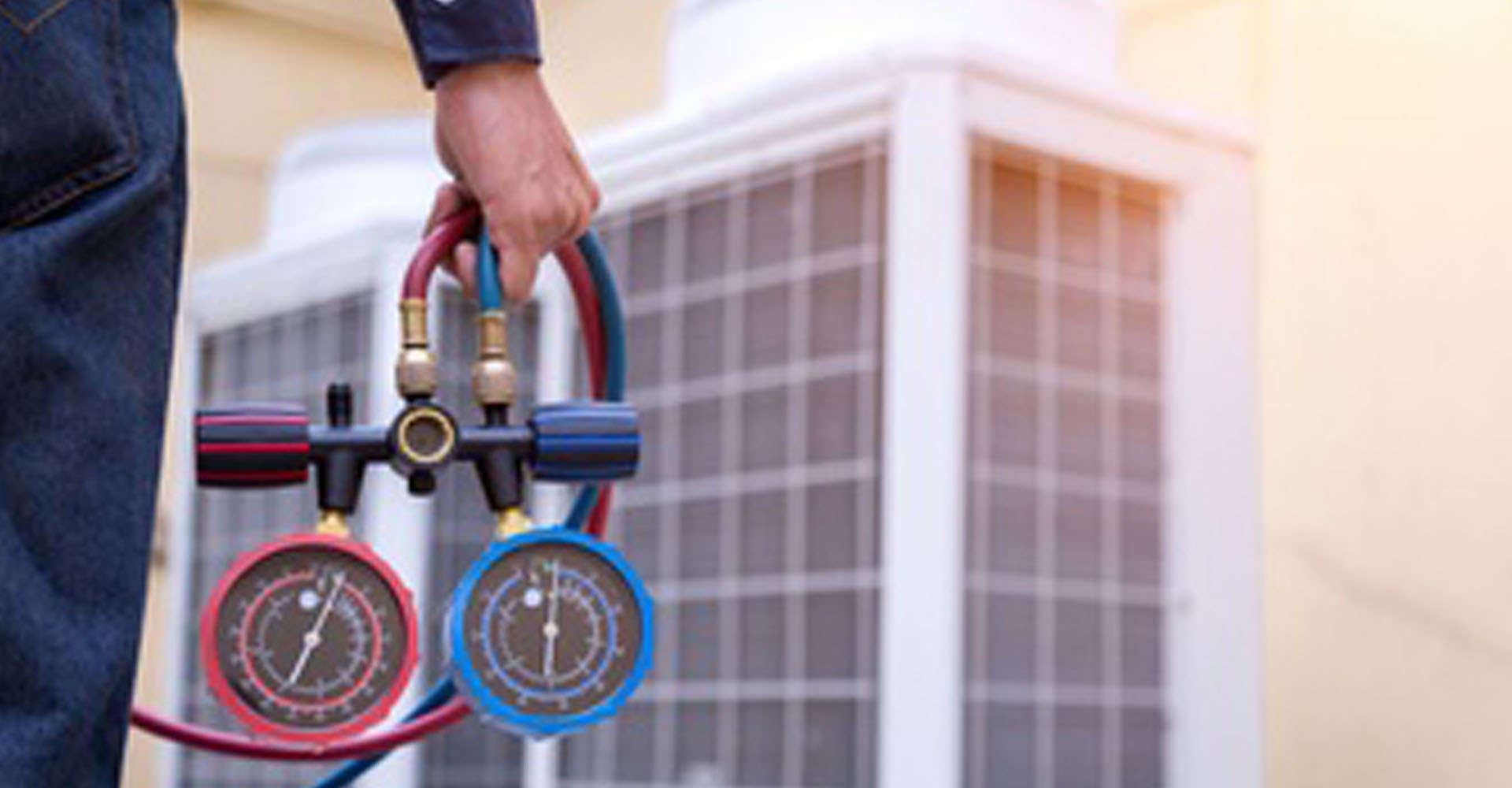
Preventative HVAC maintenance refers to the regular, scheduled service performed on your heating system to ensure it is functioning correctly and efficiently. It involves inspecting, cleaning, testing, and replacing key components of the system to prevent unexpected breakdowns.
Key Components of HVAC Maintenance
- Filter Replacement: One of the most basic yet essential tasks in HVAC maintenance is regularly changing the air filters. Dirty or clogged filters restrict airflow, making the system work harder and reducing its efficiency.
- Thermostat Calibration: Ensuring that your thermostat is properly calibrated helps the HVAC system maintain the correct temperature. An inaccurate thermostat can lead to discomfort and energy waste.
- Inspecting Ductwork: Ducts can develop leaks over time, which allows heated air to escape before it reaches its destination. Sealing duct leaks can improve efficiency by ensuring that more of the heated air reaches the living spaces.
- Cleaning Coils and Heat Exchangers: Over time, dust and debris can accumulate on the coils and heat exchangers, which reduces their ability to transfer heat. Cleaning these components ensures that the system operates efficiently.
- Lubricating Moving Parts: The motors and fans in the HVAC system have moving parts that require lubrication to reduce friction and wear.
Importance of Professional Inspections
While homeowners can perform basic tasks like changing filters and cleaning vents, professional inspections are crucial for ensuring that the system is functioning optimally. HVAC technicians are trained to identify early signs of wear and tear, diagnose potential issues, and make necessary repairs before they lead to system failure.
Why Preventative HVAC Maintenance is Crucial for Winter
Avoiding Costly Breakdowns
One of the most compelling reasons to prioritize preventative HVAC maintenance is to avoid a breakdown when you need the system most. A furnace or heat pump failure in the middle of a cold spell can not only make your home uncomfortable but can also pose health risks, especially for vulnerable individuals such as the elderly, children, or those with medical conditions.
During a professional inspection, technicians can identify parts that are close to failing and replace them before they cause the system to shut down. This proactive approach can save you from the inconvenience and expense of an emergency repair.
Improving Energy Efficiency
An HVAC system that hasn’t been properly maintained must work harder to produce the same level of heating. Dusty filters, leaky ducts, and malfunctioning components reduce the system’s overall efficiency, causing it to use more energy to keep the home at the desired temperature.
By keeping your HVAC system in peak condition, you can reduce energy consumption, which translates into lower utility bills. According to the U.S. Department of Energy, routine HVAC maintenance can improve efficiency by 5-15%, which can result in significant savings over the winter months.
Ensuring Safety During Cold Months
Heating systems, particularly those that use fuel combustion (such as natural gas or oil furnaces), can pose safety risks if not properly maintained. A cracked heat exchanger, for example, can leak carbon monoxide—a colorless, odorless gas that can be deadly in high concentrations.
Regular inspections can detect such issues before they become dangerous. HVAC technicians also check for proper ventilation and ensure that the system is operating safely.
Common HVAC Problems During Winter
Even with the best maintenance practices, HVAC systems can still face unique challenges during the winter months. Understanding these issues can help you stay vigilant and address problems before they lead to system failure.
Frozen Pipes and Ductwork Issues
In extremely cold temperatures, the pipes in your HVAC system can freeze, especially in homes with inadequate insulation. Frozen pipes can burst, leading to water damage and preventing the system from functioning properly. Additionally, poorly insulated or unsealed ducts can develop condensation, which may freeze and restrict airflow.
Furnace Malfunctions
Furnaces can experience a range of issues during winter, from pilot light problems to clogged burners or malfunctioning blower motors. If the furnace is not igniting or is producing insufficient heat, it may be due to dirty components or faulty sensors that need cleaning or replacement.
Heat Pump Failures
Heat pumps are popular in regions with mild winters, but they can struggle to keep up with extremely low temperatures. If the outdoor unit becomes covered in ice or snow, it can restrict airflow and reduce efficiency. Heat pumps also rely on a defrost cycle to melt ice buildup on the coils, and a malfunction in this system can lead to reduced performance.
Long-term Benefits of Preventative HVAC Maintenance
Beyond the immediate advantages of preventing winter breakdowns and ensuring efficiency, preventative HVAC maintenance offers several long-term benefits that make it a worthwhile investment.
Prolonging System Lifespan
An HVAC system is a significant investment, with most systems costing thousands of dollars to install. Regular maintenance can extend the lifespan of your system by ensuring that components are functioning correctly and are not subjected to excessive strain.
Without routine maintenance, minor issues can develop into major problems that shorten the life of the system. For example, an overworked blower motor can fail prematurely, leading to costly repairs or the need for a full system replacement.
Maintaining Warranty Validity
Most HVAC systems come with a manufacturer’s warranty that covers repairs and replacement parts for a specified period. However, these warranties typically require proof of regular maintenance to remain valid. If you neglect to schedule annual inspections, you may void the warranty, leaving you responsible for the full cost of repairs or replacement.
Enhancing Indoor Air Quality
Your HVAC system plays a crucial role in maintaining indoor air quality, especially during the winter months when windows and doors are closed, and ventilation is reduced. Dirty filters, ducts, and coils can harbor dust, pollen, and other allergens, which circulate throughout the home.
Regular maintenance includes cleaning these components, improving indoor air quality and reducing the risk of respiratory issues, allergies, or other health problems.
DIY HVAC Maintenance Tips
While professional inspections are essential, there are several tasks homeowners can perform themselves to keep their HVAC systems running smoothly during the winter.
Cleaning and Replacing Filters
The air filter is one of the most critical components of your HVAC system, and it should be cleaned or replaced every 1-3 months, depending on the type of filter and the level of usage. A clogged filter restricts airflow and forces the system to work harder, reducing efficiency and potentially causing damage.
Checking Thermostats and Vents
Ensure that your thermostat is set to the correct temperature and that it is functioning properly. If your home is not heating evenly, check the vents to ensure they are open and unobstructed. Blocked vents can prevent warm air from reaching certain areas of the home, leading to uneven heating and increased energy consumption.
Clearing Outdoor Units of Debris
If you have a heat pump or outdoor HVAC unit, it’s essential to keep it clear of debris, snow, and ice during the winter. Leaves, branches, and other debris can accumulate around the unit, restricting airflow and reducing efficiency. Be sure to regularly check the area around the unit and remove any obstructions.
When to Call a Professional
While some HVAC maintenance tasks can be performed by homeowners, others require the expertise of a trained technician. Knowing when to call a professional can save you from potentially damaging the system or voiding the warranty.
Signs Your System Needs Professional Attention
- Unusual Noises: If your HVAC system is making strange noises, such as banging, grinding, or squealing, it may indicate a mechanical issue that requires professional attention.
- Inconsistent Heating: If some rooms in your home are not heating as well as others, or if the system is struggling to maintain the set temperature, it could be a sign of a malfunctioning component or a ductwork issue.
- Increased Energy Bills: A sudden spike in your energy bills could indicate that your HVAC system is working harder than it should due to a mechanical issue or reduced efficiency.
- Frequent Cycling: If the system is turning on and off more frequently than usual, it may be experiencing short cycling, which can be caused by a faulty thermostat, dirty filters, or other issues that require professional repair.
Regular Service Intervals
To keep your HVAC system in optimal condition, it’s recommended to schedule a professional inspection and tune-up at least once a year, ideally before the start of winter. This allows technicians to identify and address any potential issues before the system is subjected to heavy use.
Cost vs. Savings of HVAC Maintenance
Some homeowners may hesitate to invest in regular HVAC maintenance due to the perceived cost. However, the cost of preventative maintenance is typically far lower than the cost of emergency repairs or system replacement. Additionally, regular maintenance can lead to significant savings on energy bills.
Breakdown of Costs for Routine Maintenance
The cost of an annual HVAC maintenance visit can vary depending on the type of system, the complexity of the service, and the region. On average, homeowners can expect to pay between $100 and $300 for a routine inspection and tune-up.
Savings on Utility Bills and Repairs
According to the U.S. Department of Energy, well-maintained HVAC systems can operate up to 15% more efficiently than neglected systems. Over the course of a winter, this can add up to substantial savings on your heating bills. Additionally, by catching and repairing minor issues early, you can avoid the high cost of emergency repairs or full system replacements.
How Preventative Maintenance Supports Sustainability
In addition to the financial benefits, preventative HVAC maintenance can also contribute to a more sustainable and environmentally friendly home.
Reducing Carbon Footprint
Heating and cooling account for a significant portion of a home’s energy consumption. By keeping your HVAC system well-maintained, you can reduce the amount of energy required to heat your home, thereby lowering your carbon footprint. Additionally, energy-efficient HVAC systems produce fewer greenhouse gas emissions, contributing to a cleaner environment.
Lowering Energy Consumption
Regular maintenance ensures that your HVAC system is operating at peak efficiency, which reduces the amount of energy required to maintain a comfortable indoor temperature. This not only saves you money but also helps conserve natural resources by reducing overall energy consumption.
Conclusion
As winter approaches, it’s easy to focus on more obvious tasks like sealing windows or stocking up on cold-weather essentials, but preventative HVAC maintenance should be at the top of your winter prep list. By scheduling routine maintenance before the cold weather sets in, you can avoid unexpected breakdowns, improve energy efficiency, and ensure the safety and comfort of your home.
Whether you perform basic maintenance tasks yourself or hire a professional for a comprehensive inspection, the benefits of preventative HVAC maintenance far outweigh the costs. From prolonging the life of your system to improving indoor air quality and supporting sustainability, regular maintenance is an investment that pays off in both the short and long term.
So, this winter, make sure your HVAC system is ready to take on the cold by prioritizing preventative maintenance. Your wallet, your comfort, and the environment will thank you.
Stay Comfortable with Trusted HVAC Contractor Services from Superior Mechanical Services
Is your HVAC system giving you trouble? When unexpected issues arise, Superior Mechanical Services, Inc. is here to provide fast, reliable HVAC services. Since 1948, we have been the go-to choice for dependable HVAC solutions for both residential and commercial customers.
Our certified technicians specialize in HVAC repairs, using a thorough checklist to diagnose and fix problems quickly, ensuring your system operates at peak performance. Whether it’s troubleshooting or comprehensive system diagnostics, you can count on us to restore your HVAC system efficiently and effectively.
Don’t let HVAC problems disrupt your comfort—contact us today for expert service. With over 70 years of experience, Superior Mechanical Services is committed to keeping your home or business comfortable year-round. Your satisfaction is our top priority!