What to Do When Your Heat Pump Won’t Heat or Cool Properly
Is your heat pump failing to keep your home cozy or cool? Don’t fret! Discover common issues causing this dilemma and easy troubleshooting steps to save the day. From simple fixes like checking filters and thermostats to more advanced solutions like inspecting refrigerant levels, we’ve got you covered. Say goodbye to uncomfortable temperatures with our expert guidance on what to do when your heat pump isn’t heating or cooling effectively. Stay tuned for a hassle-free way to ensure your indoor climate stays just right all year round.
Identify Common Heat Pump Problems
Heat pumps are reliable systems for heating and cooling your home, but like any mechanical device, they can experience issues over time. Being able to identify common problems early on can help you avoid costly repairs and maintain your home’s comfort. Here are some of the most frequent issues homeowners face with heat pumps:
- Inadequate Heating or Cooling
One of the most noticeable signs of trouble is insufficient heating or cooling. If certain rooms remain uncomfortable, it may indicate issues with airflow, blocked ducts, or refrigerant levels. - Strange Noises
Unusual sounds such as grinding, squeaking, or rattling can point to mechanical problems. These noises often suggest worn bearings, loose components, or debris in the system that needs immediate attention. - Frequent Cycling
If your heat pump frequently turns on and off, it could indicate an issue with the thermostat, dirty filters, or improper system sizing. This cycling can lead to increased energy bills and wear on the unit. - Frozen Coils
Ice formation on the indoor or outdoor coils can severely affect your heat pump’s performance. This issue is often caused by poor airflow, low refrigerant levels, or insufficient insulation. - High Energy Bills
A sudden spike in energy costs can indicate your heat pump is working harder than necessary due to inefficiencies. Problems such as dirty filters, blocked ducts, or worn-out components can cause this increased strain. - Error Codes
Many modern heat pumps display error codes on the thermostat or the unit itself. These codes provide diagnostic information, allowing you to pinpoint specific problems that require professional attention. - Unpleasant Odors
Strange smells emanating from the heat pump can signal issues like mold growth, burnt components, or electrical problems. It’s essential to address these odors promptly to prevent further damage or health risks.
Heat Pump Issues: Not Heating or Cooling
When your heat pump is not heating or cooling properly, it can be frustrating and uncomfortable. There are several common issues that could be causing this problem, such as a dirty air filter, a malfunctioning thermostat, low refrigerant levels, or a faulty compressor. It’s important to troubleshoot these issues promptly to ensure your heat pump is working efficiently. If you’re unsure how to address these problems, it’s best to contact a professional HVAC technician for assistance. Don’t suffer through extreme temperatures – get your heat pump back up and running smoothly.
- Check thermostat settings
- Inspect air filters for blockages
- Verify that the outdoor unit is not blocked by debris
- Ensure that the system is receiving power
- Check for refrigerant leaks
- Test the capacitor and contactor for any issues
Check Thermostat Settings
Check if the temperature on the thermostat is what you want. Wrong settings can mean you pay less for heating and feel uncomfortable. Make sure the thermostat is set to heat or cool as needed. The wrong setting can make your HVAC system work poorly. If the thermostat doesn’t respond, change the batteries. Bad batteries can cause temperature problems and affect how well the system works. A working thermostat is important for a comfy indoor space. By following these steps, you can fix common heat pump issues quickly.
Inspect Power Supply
To make sure your heat pump works well, check the power supply first. Look at the electrical panel in your house to see if any circuit breakers are off or fuses are blown. Also, check the power cords and connections of your heat pump for damage or looseness. Fixing these issues can help your heat pump work better and keep your home comfy. A good power supply is crucial for your heat pump to do its job right.
Examine Air Filters
To keep your heat pump working well, remember to regularly check the air filters. Make sure they’re not dirty or clogged, as this can block airflow and make the heat pump less effective at heating or cooling. It’s important to clean or replace the filters often. Also, double-check that the filter size matches what’s recommended for your system. Using the right size is key to preventing air leaks and maintaining efficiency in your heat pump.
Benefits of Clean Filters
Regularly cleaning or replacing air filters is essential for maintaining a healthy indoor environment and ensuring your heat pump operates efficiently. Clean filters significantly improve air quality by trapping dust, allergens, and other particles, preventing them from circulating throughout your home. This is particularly beneficial for individuals with allergies or respiratory conditions. Moreover, clogged filters force the heat pump to work harder to draw in air, resulting in increased energy consumption and higher utility bills. By ensuring your filters are clean, you can enhance your system’s energy efficiency and extend its lifespan.
Troubleshooting Steps
Before inspecting or replacing filters, always turn off the heat pump to ensure safety. Locate the air filter panel, which is typically found on the front or side of the unit. Carefully remove the old filter, taking care not to spread dust into the air. For reusable filters, wash them with water and a mild detergent, and let them dry completely before reinstalling. If you’re using disposable filters, replace them with new ones of the correct size and type, ensuring a snug fit. Finally, check that the filter is securely in place before turning the heat pump back on to restore optimal functionality. Regular filter maintenance can make a significant difference in your heat pump’s performance and energy efficiency.
- Turn off the heat pump before inspecting or replacing filters
- Locate the air filter panel on the front or side of the unit
- Remove old filter carefully to avoid spreading dust
- Wash reusable filters with water and mild detergent, let dry completely
- Replace disposable filters with new ones of correct size and type
- Ensure filter is securely in place before turning heat pump back on
Importance of Airflow
To keep your heat pump working well, it needs good airflow. When airflow is blocked, the heating and cooling won’t work right. Changing the air filters regularly helps airflow, which is important for the heat pump to work well. If airflow is blocked, the system has to work harder and won’t heat or cool efficiently.
Signs of Clogged Filters
- Reduced airflow
- Uneven heating or cooling in different rooms
Clogged filters often manifest as reduced airflow from vents and inconsistent temperatures throughout your home. Addressing these issues promptly can prevent further damage to your heat pump.
Assess Refrigerant Levels
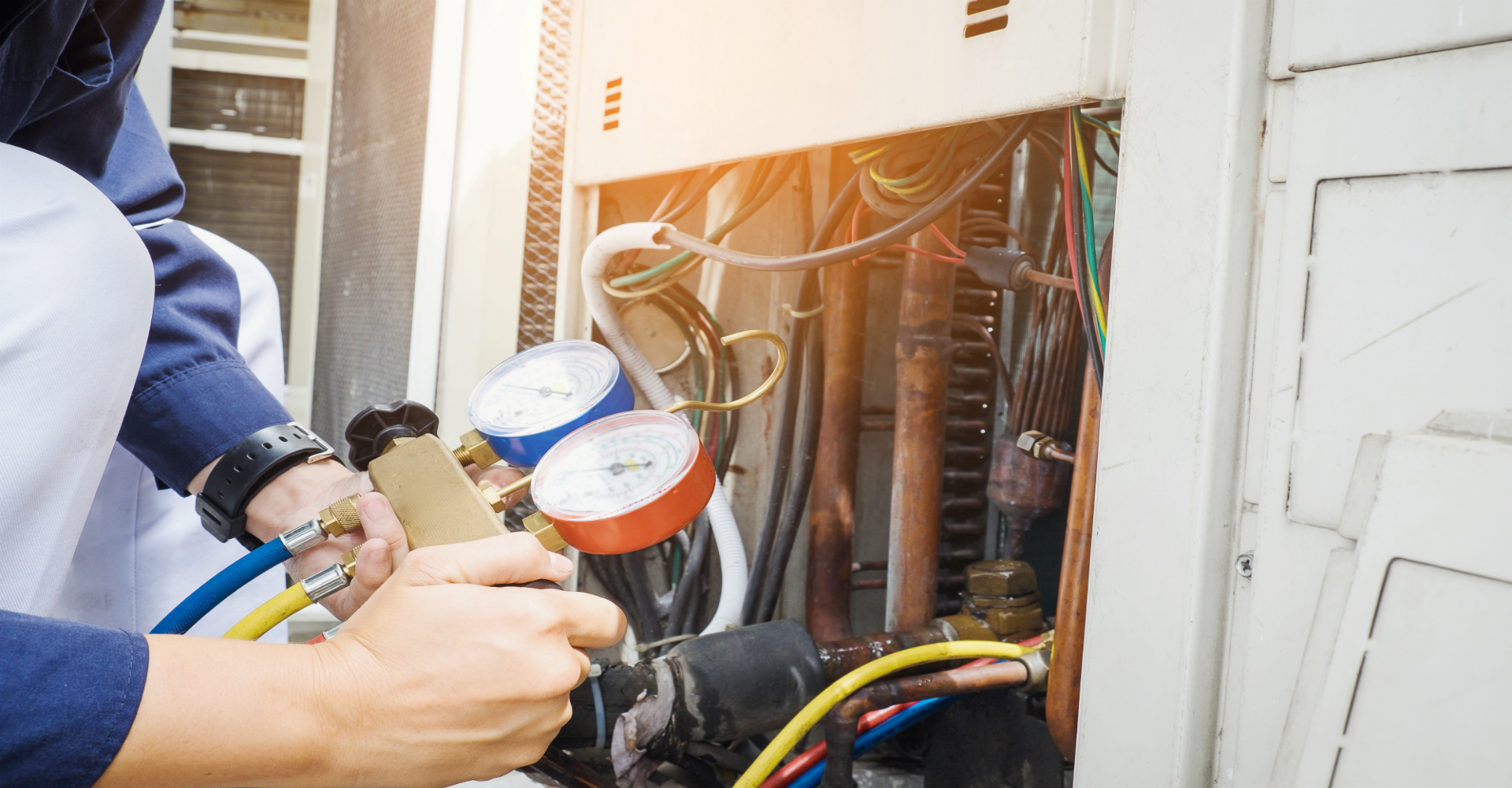
Check the refrigerant levels in your heat pump regularly to keep it working well. Make sure the levels are right according to the manual. Look for leaks near the unit that could affect how well it cools or heats. If you see oil stains, there might be a leak. Low refrigerant can make your system struggle to keep you comfortable. Get help if you think the levels are low.
Evaluate Outdoor Unit
To make sure your heat pump works well, keep the area around the outdoor unit clear. Leaves and branches can block airflow, so remove them. Give the unit at least two feet of space for air to flow properly. Check and clean the fan and coils regularly. Look for any damage like bent blades or dirt on the coils. Use a soft brush to clean them. Fix or replace any broken parts. Make sure the outdoor unit is flat and secure. An uneven unit can cause problems, so use a level tool to check. Adjust the base if needed to keep it level and working right.
Analyze Ductwork Issues
Check for leaks in the ductwork as they can make the heating or cooling less effective. Leaks are bad because they make the air pressure go down and that’s not good. Make sure there are no things blocking the ducts. If there are, the air can’t move around properly and that’s a problem. Look at how well the ducts are wrapped up. If they aren’t done right, you might lose energy, which is not what you want with your heat pump.
Address Constant Running
If your heat pump keeps on running all the time, that could mean there’s a problem. Running non-stop like this can make your energy bills go up. Make sure your thermostat is set right. If it’s not, your heat pump might run longer than it needs to, which isn’t good for it. It’s important to check if your system is the right size for your home. If it’s too big or too small, it might keep running constantly trying to keep things comfy.
Seasonal Troubleshooting
Heat pumps function differently depending on the season, so here are some seasonal-specific checks:
During Winter
- Check the Defrost Mode: Most heat pumps have a defrost cycle to remove ice buildup from the outdoor coils. If your unit isn’t defrosting, it could be due to a faulty defrost control board or sensor.
- Monitor Outdoor Temperatures: Heat pumps can struggle in extremely cold weather, generally below 25°F (-4°C). Supplemental heating may be needed if your heat pump cannot maintain adequate indoor temperatures.
- Consider Insulation: Poor home insulation may make it harder for the heat pump to keep up with heating demands. Inspect insulation in windows, doors, and walls for drafts or gaps.
During Summer
- Check for Overheating of the Outdoor Unit: Heat pumps can sometimes overheat in excessively hot temperatures. Ensure proper airflow around the unit and consider adding shade, like a cover or pergola.
- Clean the Coils Regularly: Dust and dirt accumulate on coils, affecting cooling efficiency. Make it a routine to clean the coils and check for debris.
Troubleshooting Heat Pump Problems
Common Causes
Heat pumps not heating or cooling properly can be frustrating. Common causes include dirty filters, thermostat issues, refrigerant leaks, or electrical problems.
If your heat pump is blowing cold air in winter, it might be due to a faulty reversing valve. Check for any unusual noises or ice buildup on the outdoor unit.
Troubleshooting Steps
- Inspect Filters: Clogged filters restrict airflow and reduce efficiency. Replace or clean them regularly.
- Check Thermostat Settings: Ensure the thermostat is set to the correct mode (heating or cooling) and temperature.
- Examine Outdoor Unit: Clear any debris around the outdoor unit and ensure it has proper airflow.
- Inspect Refrigerant Levels: Low refrigerant levels can affect heating or cooling performance. Contact a professional for a refill.
- Test Electrical Connections: Faulty wiring can disrupt the heat pump’s operation. Check for loose connections or damaged wires.
Preventive Maintenance Tips for Heat Pumps
Consistent preventive maintenance can significantly improve your heat pump’s efficiency, reduce the risk of breakdowns, and extend its lifespan. By following a few essential maintenance steps, you can keep your system running smoothly, ensure optimal performance, and prevent costly repairs. Here are some top maintenance tips to keep your heat pump in top shape:
1. Schedule Annual Tune-Ups
Professional maintenance once or twice a year helps identify potential problems early and keeps your system running at peak efficiency. Routine inspections by a certified technician can prevent costly repairs and ensure your heat pump functions reliably.
2. Keep Coils Clean
Cleaning the coils every few months prevents dirt buildup, which can interfere with heat exchange and reduce overall performance. Regular coil maintenance enhances efficiency and improves the system’s ability to heat and cool effectively.
3. Replace Filters Regularly
Clean air filters improve airflow, reduce system strain, and help maintain indoor air quality. Follow the manufacturer’s guidelines on filter replacement, as consistent filter changes are essential for keeping your heat pump in top condition.
4. Check Thermostat Calibration
A properly calibrated thermostat ensures accurate temperature control. During routine maintenance, have your technician check and calibrate your thermostat to maintain comfort levels and prevent the system from overworking.
Determine When to Call a Technician
Knowing when to call a technician can make all the difference in ensuring your heat pump operates efficiently and prevents costly repairs. While some issues can be resolved with basic troubleshooting, certain situations call for professional assistance to address more complex problems and maintain optimal performance. Here’s how to recognize when it’s time to get expert help:
Recognize Persistent Issues
If troubleshooting your heat pump repeatedly fails to resolve the problem, it’s time to consider calling a technician. Persistent issues, such as inconsistent heating or cooling, may indicate a more complex underlying problem. Pay attention to any unusual noises or smells coming from the unit.
Seek Professional Help
When facing problems that go beyond basic maintenance tasks, reaching out to a professional technician is crucial. Complex repairs or intricate system malfunctions require the expertise of a trained technician. Avoid attempting extensive repairs on your own to prevent further damage.
Consider Regular Service Checks
To maintain optimal functionality of your heat pump, schedule regular service checks with a trusted HVAC company. These routine inspections can help identify potential issues before they escalate into major problems. By investing in preventive maintenance, you can prolong the lifespan of your unit and ensure efficient operation.
Final Remarks
After going through the common causes and troubleshooting steps for heat pump issues, you now have a solid understanding of how to address problems efficiently. By following these steps, you can ensure that your heat pump operates effectively, providing you with the comfort you deserve. Remember, regular maintenance and timely intervention can save you from costly repairs in the long run. If you encounter persistent issues or are unsure about any troubleshooting steps, don’t hesitate to reach out to a professional technician for assistance.
Frequently Asked Questions
1. How can I troubleshoot my heat pump if it’s not heating or cooling properly?
If your heat pump is not functioning correctly, start by checking thermostat settings, power supply, air filters, refrigerant levels, outdoor unit condition, ductwork, and whether it’s constantly running. Follow the troubleshooting steps mentioned in the blog post to identify and address common issues.
2. What are some common causes of a heat pump not heating or cooling effectively?
Common causes include incorrect thermostat settings, power supply issues, dirty air filters, low refrigerant levels, outdoor unit obstructions, ductwork problems, and the heat pump running continuously. By addressing these factors, you can often resolve the heating or cooling inefficiency.
3. When should I consider calling a technician for my heat pump issues?
If you have tried the troubleshooting steps and your heat pump still isn’t heating or cooling properly, or if you notice any unusual sounds or odors coming from the unit, it’s best to contact a qualified technician. They can diagnose the problem accurately and recommend the necessary repairs.
4. How important is it to regularly maintain my heat pump?
Regular maintenance is crucial for ensuring optimal performance and extending the lifespan of your heat pump. By keeping up with tasks like changing air filters, cleaning the outdoor unit, and scheduling professional tune-ups, you can prevent many common issues and improve energy efficiency.
5. Can improper installation affect the performance of my heat pump?
Yes, improper installation can significantly impact the performance of your heat pump. Issues such as incorrect sizing, poor placement of components, or faulty wiring can lead to inefficiencies and frequent breakdowns. It’s essential to have your heat pump installed by a qualified professional to avoid these problems.
Stay Comfortable with Superior Mechanical Services
Is your heat pump struggling to keep your home comfortable? Don’t let minor issues turn into costly repairs—Superior Mechanical Services, Inc. is here to help. Whether it’s heat pump repair, a system diagnostic, or energy-saving duct sealing, our certified technicians have you covered. Since 1948, homeowners and businesses have trusted us to provide reliable, efficient HVAC solutions.
A malfunctioning heat pump can lead to uneven temperatures, high energy bills, and reduced comfort. Our expert technicians quickly diagnose and repair heat pump issues, ensuring your system performs at peak efficiency throughout every season.
Leaky ducts can waste energy and overwork your heat pump, leading to more frequent repairs. Our professional duct sealing services eliminate air leaks, optimize airflow, and help you save on energy bills—boosting the performance of your entire HVAC system.
Call us today to schedule your heat pump repair or duct sealing service. With over 70 years of experience, Superior Mechanical Services is committed to keeping your home or business comfortable, efficient, and worry-free. Experience the Superior difference—your comfort is just a call away!