What Are the Top Signs Your HVAC System Desperately Needs Repair?
Here are the top signs your HVAC system desperately needs repair: weak airflow, strange sounds, funny smells, rising energy bills, and rooms that never feel the right temperature. Systems tend to display these tell-tale disturbances prior to a catastrophic failure. Typical problems such as warm air hitting from vents or water pooling near the unit indicate worn out parts or clogged drains. Quick fixes can do short-term damage control, but turning a blind eye to these indicators can cause more substantial damage and costs. Knowing how to identify these issues ahead of time not only protects your home, but helps maintain efficient energy consumption. What follows are ways to identify these signs and what to do if you observe them in your own system.
Key Takeaways
- Identifying early jibber and warning signs like odd sounds, foul smells, weak pressure, inconsistent temperatures, can save you from major HVAC system meltdowns and extend the system life.
- Keeping an eye on your energy bills and system cycling is key – if they become erratic or start to increase, it’s usually a sign of underlying efficiency loss or component failure.
- Scheduling routine maintenance, such as changing filters and inspections, helps your HVAC system operate at maximum efficiency, ensures excellent indoor air quality and lowers expensive long-term repair costs.
- Tackling safety hazards like gas leaks, electrical issues, or visible water leaks right away is critical for conserving your household’s health and avoiding danger.
- If you’re dealing with ongoing problems, employ a diagnostic checklist centered on direct observation, such as visual inspections, listening for irregular noises and monitoring performance over time, to give HVAC professionals some useful information.
- Weigh repair vs. replacement with system age, repair costs, and energy efficiency ratings to get cost-effective, reliable climate control for your home or business.
The Telltale Signs of HVAC Distress
HVAC systems give telltale signs of impending doom. Catching these early can avoid big repairs, save you money, and maintain your comfort all season long. Here’s the most frequent and significant signs to look out for.
Strange Noises
Banging, clanking, or hissing noises from your HVAC unit tend to indicate loose, broken, or leaking parts. These sounds often begin faint; they tend to increase in volume together with the severity of the damage. How to know when your HVAC system is in trouble.
Grinding or squealing sounds, they hint at motor bearings or worn-out belts. When these are ignored, the system can grind to a halt. Taking care of these sounds early maintains repairs simple and prices low.
Unpleasant Odors
Burning smells emanating from vents can indicate that wires or other electrical components are overheating. This is an acute safety hazard that must be addressed immediately. Musty smells can indicate mold or mildew growth within the ducts or the immediate unit itself, impacting air quality.
If you get a rotten egg smell, that generally signals a natural gas leak. This requires immediate attention for safety purposes. Any lingering or odd smell when the system is running should be inspected by a pro.
Weak Airflow
Weak airflow from vents can stuff rooms with uncomfortable air. Most of the time, this is due to clogged filters. Changing filters is a small but frequently neglected repair.
Occasionally, blockages or leaks in the ductwork prevent the air from flowing freely. If the blower motor is going out, airflow decreases even more. Routine service and prompt filter changing prevent these problems and keep the system humming.
Uneven Temperatures
If one room is too hot and another too cold, blocked or leaky ducts could be the culprit. Undersized and oversized HVAC systems for your space can lead to this.
Broken dampers in zoned systems can prevent air from reaching certain rooms. Keep an eye out for temperature swings to nip these issues in the bud.
Beyond the Obvious Symptoms
HVAC problems aren’t always so obvious. Certain red flags may appear superficial but indicate insidious issues. Overlooking these warning signs can lay the foundation for increased expenses and danger to your health.
Air Quality Decline
Dust on the shelves, stale smells, or additional sneezing inside are all indications that your HVAC system is not properly filtering the air. These systems filter out dust, pollen, and other small particles, but when filters clog or fans falter, air quality plummets fast.
Consequently, your home’s air can be up to five times more polluted than outdoors, increasing vulnerability to allergies and respiratory issues. If you’re seeing more dust collect on your furniture or experiencing difficulty breathing, your HVAC unit is due for a check-up. Routine filter changes and annual checkups will keep you breathing easier and cleaner.
Keep in mind, airflow and filtration go hand-in-hand. When one or the other struggles, the air becomes stale and uncomfortable. Weak airflow can indicate a dying blower motor or clogged ducts, too. Failing to perform regular maintenance can reduce the lifespan of your system from 10–15 years to significantly less.
Thermostat Glitches
- Temperature reading on the display doesn’t match room conditions
- System turns on and off too often (short cycling)
- Thermostat doesn’t respond to changes or settings
- Display is blank or flickers
Ill-calibrated thermostats can make one room feel hot and another cold even in a single setting. Older HVAC units might battle to catch up, causing the system to work harder and increase your energy bills by as much as 30%. If you keep turning the thermostat but comfort never materializes, it’s time for professional recalibration or a system check.
Short cycling, or continuously turning on and off, damages parts more quickly and consumes excess power.
Increased Humidity
Sticky summer or dry winter humidity means your HVAC isn’t balancing air moisture. Occasionally, they’re caused by refrigerant leaks or dirty coils. Oversized systems cool rooms too quickly and bypass dehumidifying, and condensation on windows or walls indicates excess moisture in the air.
Unaddressed moisture issues can damage your home and your health. Mold can cultivate, wood can warp. If the air is heavy or muggy, or you notice condensation, have a technician check for leaks or cleaning.
Bigger Problems Ahead
Erratic temperatures and expensive bills translate to greater damage if overlooked. Half the cost of a new unit for repairs? Replacement could be smarter.
Why These Signs Matter
Identifying the top signs of HVAC trouble is about more than comfort — it’s about safety, energy consumption and preserving the value of your system for the long term. When overlooked, these danger signs can lead to consequences that extend well beyond a nuisance, from increased expenses to possible health hazards. Taking care of these signs early translates to a safer and more energy efficient home for all.
Safety Risks
Gas leaks from faulty connections or aged components in an HVAC system can be equally life threatening, leading to fires or carbon monoxide poisoning. Electrical issues, including frayed wires or power surges, can cause short circuits and pose a fire risk.
Mold from unaddressed humidity in ducts or on coils could exacerbate allergies, asthma, or cause respiratory issues, particularly in young children and seniors. Unattended rattling noises can indicate loose or broken parts, which can turn into serious hazards if not addressed. Addressing these problems promptly safeguards both property and residents.
Efficiency Loss
HVAC inefficiency often initially manifests in increased energy bills and squandered energy. Systems that short-cycle—turn on and off too frequently—stress their components, causing premature failure. If your thermostat isn’t calibrated each year it can misread room temperatures and cause your system to overwork and consume excess electricity. They are all symptoms of hidden inefficiencies. Regular inspections and immediate fixes assist maintain energy consumption within normal ranges and minimize waste.
System Longevity
Quick patches and consistent maintenance are the smartest strategy to keep an HVAC system going for a long time. Small issues – like musty odors or odd sounds – can turn into costly repairs, or even necessitate a full system replacement, if neglected. Paying attention to performance—looking for short-cycling, rapid air flow drop-offs, or inconsistent temperatures—allows you to STALK issues before they get big.
Preventative measures, like cleaning filters and booking pro inspections, keep every component operating as it should. This increases the lifespan and dependability of the entire system.
Comfort and Home Value
Strange odors or noisy functions degrade ease and could harm your property’s worth. Fluctuating room temperatures, stale air and blemishes on the walls are indications of underlying issues. Taking care of these signs keeps your home safe, enjoyable, and running smoothly.
What Causes HVAC Failure?
HVAC systems are designed to maintain indoor climate stability, yet even expertly engineered units can falter if neglected or improperly installed. Most of the things that make HVAC break are preventable with the right knowledge and regular actions.
Neglected Maintenance
Neglecting regular check-ups is the #1 reason HVAC systems break down. Dust and dirt accumulate rapidly on air filters and coils, which can strangle airflow and make the system labor harder. This stress accelerates wear on fans and motors and can even cause the system to overheat. Annual checkups by a professional catch these problems early before they become costly repairs. Swapping out filters every couple of months and cleaning coils annually keeps the system running slick. Neglecting this basic care can shorten the unit’s life span at times by 50%.
Component Wear
- Unusual noises such as banging or squealing when the unit operates
- Weak airflow or uneven temperatures in different rooms
- Higher energy bills without a clear cause
- Frequent cycling on and off or system shutdowns
Components within HVAC systems, such as fans, belts and electrical wiring, deteriorate over time. While most systems can last 15–25 years, old parts can drag down a system or cause it to break more frequently. Replacing worn parts before they break will keep a lot of small problems from becoming big ones. It’s clever to have a tech check the major components regularly—before you’re surprised by a sudden failure.
Installation Errors
Many HVAC failures begin at initial system installation. If the installer oversized the space, the system can’t maintain temperatures and ends up cycling too much. Bad wiring or bad ductwork means that the air doesn’t flow evenly and energy is wasted.
Only experienced professionals should install HVAC systems, because even minor errors during installation can cause massive expenses down the road. Repairing these faults immediately stops further harm and maintains your system’s efficiency.
Monitoring for Signs
Look for strange noises, weak airflow or sudden increases in energy consumption. These signs allow you to catch minor problems before they become major. Proactive maintenance keeps your HVAC humming and heads off expensive repair bills.
Your Diagnostic Checklist
A diagnostic checklist simplifies the process of identifying issues with any HVAC system. These measures assist in identifying early warning signs, logging symptoms, and assisting technicians for quicker repairs.
Visual Inspection
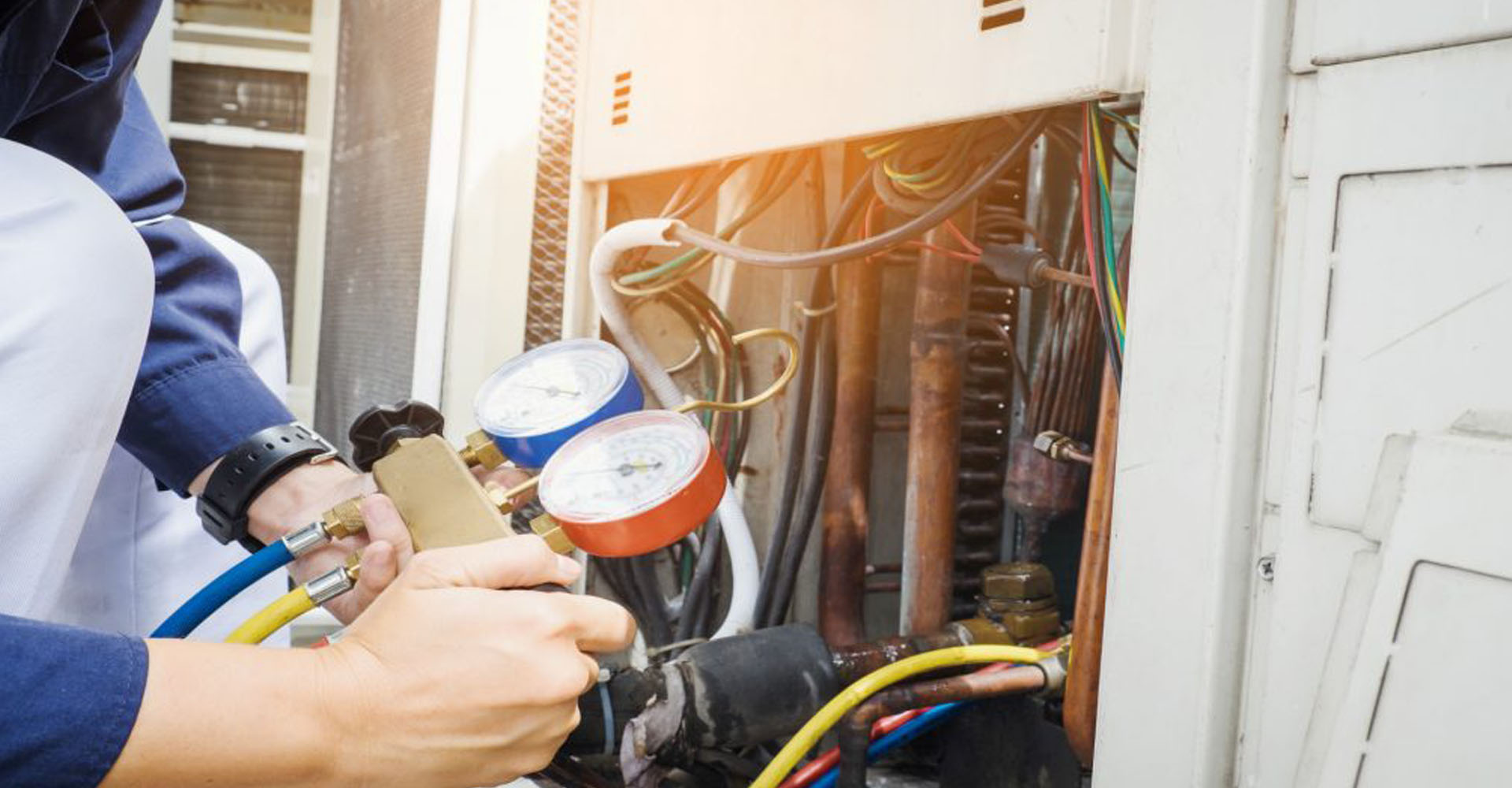
Inspect every single side of the HVAC unit for rust, dents, or loose panels. Small cracks or corrosion on coils, fans or electrical connections can reveal more extensive damage.
Leaks adjacent to ducts or at connections indicate moisture issues, which can indicate clogged drains or inadequate seals. A puddle on the floor or wet insulation is a dead giveaway. Inspect filters and coils for caked-on dust or debris. Blocked filters impede airflow and overwork the motor. Dirty coils reduce efficiency and cause the entire system to labor. Take photos or note any problems, particularly if you intend on phoning a tech. These notes assist in diagnosing the issue and streamline service.
Listen Closely
Uncommon noises in use—such as grinding or screeching—typically indicate worn bearings or a damaged belt.
A new rattle may indicate a loose panel or a fan dislodged from its mounting. Buzzing is frequently electrical, which could indicate a shot contactor or relay. Observe if the noise intensifies when the system begins, halts, or shifts modes. This specificity guides the technician when and where to look. Changes in hearing, even very minor, can be an early indicator of trouble brewing.
Monitor Performance
- Monitor room temperatures at various times to identify cold or hot spots.
- Look out for unexplained spikes in the energy bills that can’t be accounted for by fluctuations in the weather.
- If air comes out of vents weak, this could indicate a clogged filter, duct leak, or fan problem.
- Maintain a journal of these discoveries for a transparent record over weeks or months.
Temperature swings or increasing energy consumption may indicate thermostat issues or defective components. Capturing this information enables a technician to provide a quicker, more precise diagnosis.
Document Symptoms
Record every strange symptom, like musty odors, short cycling or error codes.
Keep all notes together for easy sharing.
Clear records show patterns over time.
Short logs can help speed up repairs.
When to Repair vs. Replace
Both repair and replacement need a clear look at cost, system age and future savings. The smartest method is to consider the long-term value, not just the initial cost. This table breaks down the main points:
| Criteria | Repair | Replace |
| Cost | Lower upfront | Higher upfront |
| Lifespan | Short-term fix | 15–20 years (new unit) |
| Energy Efficiency | Same as current | Improved (lower bills) |
| Frequency of Service | May increase | Lower, less maintenance |
| Environmental Impact | No improvement | Lower emissions, R410A ready |
The 50% Rule
If it would cost more than half the price of a new HVAC to fix yours, replacement typically makes more sense. This rule is straightforward but powerful, particularly when a system is aging or has required multiple repairs over the past few years. Under 30% of replacement cost is usually a wise investment for systems less than ten years old, which often have another 5-10 years of life remaining.
When you consider future savings, a new, efficient model will commonly reduce energy bills by 10–20%. Sometimes, investing in a replacement doesn’t just feel good — it pays off over time, particularly if your system still uses R22 refrigerant or has hot and cold spots.
System Age
Consider the age of your system. Most HVACs last 15–20 years, but their efficiency decreases 5-10% with age. Older units typically require more fixes, and those little expenses accumulate. If your system is 15+ years and breaks down frequently, it might be time to budget for a new one. Systems newer than ten years generally are better off with repairs, but as the age lurks closer, the scales shift toward replacement.
Energy Ratings
| System Type | Energy Rating (SEER/EER) | Expected Savings (%) |
| Older Unit (pre-2010) | 8–12 | 0 |
| Mid-Age Unit | 13–15 | 10–15 |
| New Unit | 16–22 | 20–30 |
Contrast what you pay in energy now with what a high-efficient system will save you. Newer models with higher SEER or EER ratings often translate to lower bills and greater comfort. If bills continue to climb or your system just won’t stop running, a new, highly efficient unit is usually the smartest option.
Conclusion
To identify the major warning signs your HVAC system is on the fritz, take your cues from what you observe, listen to, and experience. Strange noises, lukewarm air, or unexplained increases to your electrical bill are all indicators that you need a repair that shouldn’t be neglected. These quick hits can stymie larger issues and keep things secure in your home or office. Observe for leaks, odors, or temperature irregularities.
Inspect the system on a fixed schedule to identify problems early. Call an expert if you spot these signs. Timing the repair or replacement just right can save money and headaches. Drop your own red flags or tales in the comments below — real user-based tips assist everyone stay cool and secure, regardless of where they reside.
Frequently Asked Questions
1. What are the most common signs my HVAC system needs repair?
Strange sounds, low airflow, inconsistent temperature, short cycling and rising energy costs are all indicators. If you observe these, call in a pro to check it out.
2. Why is my HVAC making strange noises?
Weird noises such as banging or rattling usually indicate loose or broken components. Ignoring these sounds can lead to bigger repairs or system failure.
3. How does poor airflow indicate HVAC problems?
Weak airflow can indicate clogged filters, blocked vents, or failing fans. This minimizes comfort and efficiency, so quick action is crucial.
4. Is uneven room temperature a sign of HVAC trouble?
That’s right, hot and cold spots commonly indicate ductwork problems or malfunctioning parts. Acting on this sooner fixes deeper issues and enhances comfort.
5. Should I repair or replace my old HVAC system?
If your unit is more than 10–15 years old and requires constant repairs, replacing it is typically more economical and energy-efficient over time.
6. Can high energy bills mean my HVAC needs repair?
A surge in energy bills frequently indicates your HVAC is fighting hard. This may be a result of worn out parts or inefficiency, so a professional check-up is advised.
7. What causes most HVAC system failures?
Neglected maintenance, filthy filters, and old parts are the top culprits in HVAC failings. Regular service keeps surprise breakdowns at bay.
Restore Comfort and Reliability with Expert HVAC Repair from Superior Mechanical Services
Is your HVAC system making strange noises, blowing uneven air, or failing to keep your space comfortable? Don’t wait for a complete breakdown—Superior Mechanical Services, Inc. is here to diagnose and repair issues before they escalate. Whether you need urgent HVAC repairs, a thorough system inspection, or long-term performance solutions, our certified technicians deliver lasting results you can trust.
Since 1948, homeowners and businesses have relied on our expertise to keep their HVAC systems running smoothly and efficiently. From faulty thermostats and broken compressors to airflow issues and worn components, we fix it all—with precision, professionalism, and your comfort in mind.
Prompt HVAC repair doesn’t just restore performance—it helps prevent costly replacements, reduces energy waste, and extends the life of your system. Let us help you avoid surprise breakdowns and keep your indoor environment consistent and reliable, no matter the season.
Call us today to schedule your HVAC repair service. With over 70 years of experience, Superior Mechanical Services is committed to fast, dependable, and affordable HVAC solutions. Experience the Superior difference—reliable comfort is just a call away!
________________________________________________________________________