Understanding ROI for Commercial HVAC Upgrades
Key Takeaways
- Knowing how to calculate ROI for commercial HVAC upgrades allows businesses to make informed decisions, justify investments to stakeholders, and optimize budgets across industries.
- Thinking of HVAC as a strategic asset and diagnosing and understanding ROI for commercial HVAC upgrades
- ROI assumptions are only as good as the data behind them, so it is important to have a solid understanding of your commercial HVAC upgrade costs, energy savings, and maintenance savings.
- The intangible benefits — enhanced indoor air quality, increased occupant productivity, higher tenant retention, and brand reputation — bring enormous value beyond the direct monetary returns.
- Things like building type, local climate, and appropriate system sizing and installation are all key factors influencing ROI and highlight the importance of one size not fitting all when it comes to commercial HVAC solutions.
- Maximize ROI with smart controls, predictive maintenance, phased upgrade strategies, and financial incentives like utility rebates, tax credits, and green financing.
Getting smart about ROI for commercial HVAC upgrades is basically about understanding how much worth new systems provide per dollar spent. ROI, or return on investment, allows business owners to determine if these upgrades are truly worth it for long-term savings and comfort. For commercial sites, HVAC upgrades can reduce energy consumption, reduce bills, and reduce repair costs. It improves air quality and makes employees and visitors more comfortable. While some upgrades will pay for themselves in just a few years, others may take longer but last longer. To make informed decisions, it’s crucial to balance initial costs, energy prices, and how well the upgrades match your building size. Next, we’ll see how to verify some real numbers and select the right actions for your site.

Why Calculate HVAC ROI?
Calculating ROI for commercial HVAC upgrades goes beyond just dollars and cents; it provides building owners with a transparent method to determine if a new commercial HVAC system will pay off. With HVAC accounting for as much as 40% of a building’s energy use, understanding the ROI for HVAC upgrades allows owners to discover when their investment will begin to generate potential cost savings, sometimes in just a few years. This calculation isn’t merely about write-offs; it also considers energy efficiency, reduced maintenance requirements, and potential rebates or tax incentives, creating a comprehensive picture of genuine value for commercial properties.
Strategic Asset
Thinking of HVAC units as strategic assets means viewing them as more than just heaters and coolers. One good HVAC system increases building efficiency and reduces waste, translating to lower monthly costs and sustainable goals. For example, switching to a variable refrigerant flow (VRF) system can drastically reduce both energy consumption and service calls, lowering the overall cost over time.
Efficient HVAC systems help companies shine in markets that value eco-friendliness. Certain clients want to rent or do business with companies that demonstrate they are sustainable, and an energy-efficient HVAC bolsters that reputation. This long-range perspective allows owners to view upgrades as investments with standing, not merely costs.
Financial Forecasting
ROI calculations can assist in estimating future energy savings and reduced operating expenses. With these numbers, owners can construct more robust financial projections and determine how much to invest in HVAC annually. This helps steer clear of shock expenses and provides a clearer sense of cash flow.
Anticipated savings reassure budget models and further growth by making resources available for other projects. Accurate ROI information empowers owners to evaluate competing system choices and facilitates the selection of the ideal fit.
Stakeholder Approval
That’s the kind of ROI clarity you need when appealing to stakeholders or boards. Demonstrating the payoff horizon and continued savings justifies the front-end cost and ensures funding.
Breaking down the ROI calculations establishes trust and keeps people in the loop. When leaders see solid figures, they are more inclined to support the initiative and trust the investment’s yields.

The Core ROI Calculation
The core ROI calculation Understanding return on investment (ROI) for commercial HVAC upgrades means dismantling every cost and benefit to understand how long it actually takes an investment to pay off. Detailed and accurate data must be collected on each component of the system upgrade to gain dependable figures.
1. Initial Investment
Upfront costs extend beyond just the price of a new HVAC upgrade. You’ve got to factor in installation labor, permits, ductwork modifications, and necessary electrical/control system updates, especially when considering commercial HVAC systems. Costs vary widely; for instance, a standard split system may have lower upfront costs, while a variable refrigerant flow (VRF) system or geothermal unit often incurs higher initial expenses. Clients who utilize financing to manage significant purchases can help with cash flow, but may incur interest. These initial expenses establish the ROI baseline, and if incentives or rebates are available, subtract them from this amount to determine the true net investment.
2. Projected Savings
Energy savings account for the majority of the ROI for most commercial HVAC upgrades. High SEER or EER upgraded units use less energy, significantly reducing energy costs on monthly bills. Past energy consumption plays a crucial role in predicting future reductions, but it is wise to account for seasonal fluctuations in heating or cooling demands. Savings also come from reduced maintenance calls and parts replacements, leading to improved energy efficiency and a clearer picture of the overall benefit.
3. Maintenance Costs
Maintenance bills for outdated HVAC systems can be high. However, newer commercial HVAC systems require less maintenance, especially during the initial years. Regular maintenance, such as filter changes or coil cleaning, ensures these efficient HVAC units operate optimally, increasing their lifespan and maintaining cost efficiency while enhancing overall ROI.
4. System Lifespan
The longevity of a commercial HVAC system significantly impacts its total value, as these units typically last 15 to 20 years. However, with proper maintenance, some high-end models may exceed this lifespan. To mitigate risks and costs associated with potential repairs, warranties, and support plans are essential. It’s crucial to plan for HVAC replacement costs when an outdated HVAC system reaches the end of its operational performance.
5. The Formula
The basic ROI formula for HVAC upgrades is straightforward. When considering a commercial HVAC system upgrade, the ROI percentage equals total annual savings divided by total upgrade cost multiplied by 100. Sum all annual savings, then divide by net upgrade cost to get a percentage. For instance, a 22% ROI implies the system pays for itself in less than five years, guiding smart decisions for efficient HVAC technology.
Quantifying Intangible Returns
Intangible returns on commercial HVAC upgrades tend to be overlooked because they’re difficult to measure. These upgrades significantly contribute to the total value of a property and often influence occupant experience, tenant loyalty, and long-term profit. Building owners and managers need to account for these elements to truly see the ROI from their HVAC investments. Some of the most relevant intangible benefits include
- Higher occupant satisfaction and comfort
- Improved employee productivity and well-being
- Reduced employee and tenant turnover
- Better brand reputation and image
- Increased appeal to eco-conscious tenants
- Enhanced marketability and competitiveness
- Lower risk of regulatory non-compliance
- Longer-lasting and more resilient property value
- Decreased vacancy periods and higher occupancy rates
Occupant Productivity
A state-of-the-art HVAC system can manifest a measurable impact on occupant productivity within a structure, especially when considering the benefits of a commercial HVAC upgrade. Research has identified well-controlled temperatures, humidity, and fresh air as factors that can increase attention and productivity. Let’s not forget that people work more efficiently and err less when they’re comfortable, while a consistent indoor climate reduces exhaustion, headaches, and absenteeism. For instance, research from the Harvard T.H. Chan School of Public Health indicates that enhanced ventilation and reduced CO2 concentrations increase cognitive scores of office workers. Metrics like absenteeism rates and the speed and quality of task completion can help you make the business case for efficient HVAC technologies, even when the profit figures are difficult to pin down. These returns, over time, can assist in retaining talented employees and reducing expensive turnover.
Tenant Retention
Building managers understand that maintaining tenants is cheaper than filling vacancies. New commercial HVAC systems to keep pipes flowing and spaces nice and safe are definitely seen and appreciated by tenants. High satisfaction means longer leases, fewer complaints, and less time spent with open units. For instance, a Berlin property that underwent a commercial HVAC upgrade experienced an annual turnover decline of 15%. Reduced turnover means managers spend less on paint, advertising, and repairs between tenants, which directly affects net operating income. It is usually the slow, consistent revenue from good tenants who feel well cared for that ends up having the most value.
Brand Reputation
Today, firms want to appear green and socially responsible. An HVAC upgrade not only indicates a sincere dedication to energy efficiency but also enhances a company’s public image. Many clients expect there to be obvious sustainability in the building, and implementing a modern HVAC system is an easy way to demonstrate this commitment. Tenant and client testimonials frequently refer to comfort, air quality, and green design as their rationale for choosing a property. Armed with a powerful brand and healthier indoor spaces, owners can command premium rents and differentiate themselves in a highly competitive market.
Risk Mitigation
Old HVAC systems are ticking time bombs and often fail to comply with new safety rules, leading to costly downtime and potential fines. An HVAC upgrade brings down these risks and reduces surprise repair expenses. Newer commercial HVAC systems help buildings meet air quality and energy use standards, which stabilizes insurance and avoids regulatory issues. Over the long haul, they preserve asset value and simplify planning for future maintenance costs. Many ROI models now consider risk reduction as a valuable variable, indicating that the less risk you have, the more it may yield over time.
Key Factors Influencing Return
Unpacking ROI for Commercial HVAC Upgrades
When evaluating return on investment (ROI) for HVAC upgrades in the commercial space, it’s important to consider several components that contribute to both short and long-term value. These components include building layout, local climate, system sizing, and installation quality. Each section requires explicit consideration to ensure that improvements translate into actual increases in energy efficiency, comfort, and property value.
Building Type
HVAC requirements vary significantly with building utilization, and selecting the right HVAC system is crucial for optimal performance. Offices, for instance, are centered on consistent comfort to keep employees efficient, as losses from employee churn can cost $2.6 million annually for as few as 100 employees. Retail spaces depend on maintaining shopper comfort, while factories require commercial HVAC systems to circulate dust or fumes. The shape and structure of a building, such as big glass walls or high ceilings, can alter how air moves and what type of system fits best. A wise selection at this stage signifies fewer scattered sparks. Energy-efficient offices command greater rental value as well, with international research indicating a 2.3% premium. In healthcare, hospitals with more efficient HVAC technologies have achieved as much as 9% returns, proving again that building type directs the selection and return on investment of any HVAC upgrade.
Climate Zone
Local climate greatly influences the selection and operating expenses of the right HVAC system. In frigid regions, heating costs tend to be elevated, making HVAC upgrades with strong EER/SEER ratings yield quicker returns. Conversely, in hot, humid locations, efficient HVAC units are crucial as they keep cooling costs low. The return on investment (ROI) is closely tied to the payback period of a commercial HVAC system upgrade, which varies based on the system’s operation in the regional climate. More extreme climates may necessitate larger, sophisticated systems, but the potential cost savings from reduced energy usage and government incentives for ecological upgrades can be substantial.
System Sizing
Getting the right HVAC system size is more than just the floor area; it requires a genuine load calculation that examines how many individuals occupy the space, the local sunlight, and insulation. An HVAC upgrade that is too small results in a drop in comfort, with the system constantly kicking on, while one that is too large causes it to turn on and off, wasting power and burning out sooner. Right-sizing not only reduces expenses and enhances convenience but also translates into quicker returns, driving down initial and ongoing costs for better investment outcomes.
Installation Quality
A system is only as good as its setup, especially when considering an HVAC upgrade. Even the highest-rated model will perform subpar if improperly installed. Trained experts implement best practices, duct sealing, and control calibration, which can significantly enhance the energy efficiency of commercial HVAC systems. This reduces upkeep expenses, keeps power consumption low, and aids in system longevity. A case from a global hotel chain demonstrated that paying for premium installation reduced annual energy consumption by 12%. Good installs assist in achieving LEED standards, which can increase a building’s market value and provide additional returns beyond energy savings.
How to Maximize Your Return
Commercial HVAC upgrades can be a significant investment, so optimizing ROI is crucial for any business or facility manager. A considerate strategy considers both financial considerations and ecological impacts. Key strategies to improve ROI for commercial HVAC systems include efficient HVAC technology.
- Conduct thorough financial assessments before investing.
- Invest in energy-efficient and advanced HVAC technologies.
- Adopt predictive maintenance to reduce long-term costs.
- Integrate smart controls for real-time system optimization.
- Plan phased upgrades to balance costs and disruptions.
- Factor in maintenance/repair cost reductions and energy savings.
- Consider local climate, location, and applicable incentives.
- Account for inflation and available rebates in ROI calculations.
Smart Controls
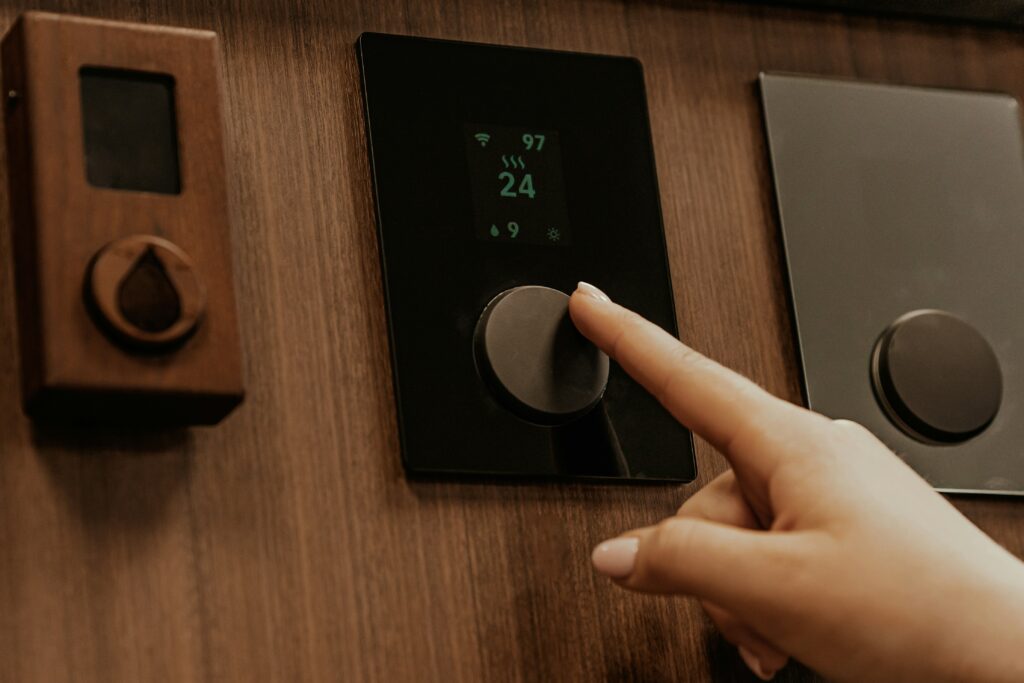
Smart controls are at the heart of increasing energy efficiency and reducing your costs, especially when considering an HVAC upgrade. Systems with programmable thermostats turn off the heat or cool settings on their own based on when people are actually in the house, leading to significant savings on energy bills. Data analytics platforms monitor commercial HVAC systems’ performance, enabling operators to identify inefficiencies and adjust settings in real time. These controls facilitate demand control ventilation, scaling airflow to building use and eliminating unnecessary energy waste.
For instance, an office in Tokyo could enjoy as much as 50% energy savings after implementing smart controls and zone-based management, depending on usage and local climate. Smart tech integration not only boosts energy efficiency but also provides a continuous stream of actionable data, keeping building managers informed about system changes, utility prices, and shifting occupancy patterns. Wise HVAC investments tend to pay for themselves within three to five years, particularly when integrated with larger building management systems.
Predictive Maintenance
Predictive maintenance leverages real-time sensor data to predict when HVAC components may need to be replaced or cleaned, which is crucial for ensuring the right HVAC system is in place. This approach simplifies surprise downtime and avoids expensive emergency repairs. By servicing when necessary rather than on the calendar, these companies can prolong equipment life and eliminate fruitless routine servicing. For example, a hospital in Berlin with predictive analytics on its air handlers experienced a 30% reduction in annual maintenance costs. Over time, predictive strategies enable facilities to distribute capital costs and strengthen the case for a commercial HVAC upgrade.
Phased Upgrades
Phased upgrades for commercial HVAC systems help business budgets and operations go more smoothly. Instead of an entire system upgrade, a business could begin with power-hungry parts, like replacing economizers or adding an ERV. This approach distributes costs and thus lowers risk, making it more feasible to obtain financing or benefit from tax credits or rebates. For instance, a retail chain in Paris replaced rooftop units across three fiscal years, witnessing savings in energy use following every phase and negligible business disruption. Each upgrade phase can be gauged for ROI using the classic formula, which states that ROI equals the gain from investment minus the cost of investment divided by the cost of investment, allowing managers to optimize their HVAC upgrade plans.

Financial Incentives and Programs
Financial incentives are critical in making energy-efficient commercial HVAC upgrades attractive. Building owners calculate the cost of investment versus returns, so knowledge of what programs exist, such as utility rebates and tax credits, will directly affect their decision to pursue an HVAC system upgrade. These incentives help reduce the initial financial friction associated with commercial HVAC system replacements, making them a strategic investment.
Utility Rebates
Local utility companies usually offer rebates as well, which can significantly mitigate upfront costs associated with an HVAC upgrade. In many cities, utilities contribute up to 20 percent of the total equipment cost as a rebate, leading to substantial savings for mid-sized commercial buildings. When estimating the payback of a new commercial HVAC system, it’s crucial to factor in these rebates. Coupled with projected energy savings, awareness of local rebate programs increases the likelihood of stakeholders choosing efficient HVAC technologies. Since HVAC systems account for up to 40 percent of a building’s energy usage, any upgrade that reduces consumption by 20 to 40 percent can quickly pay for itself through lower utility bills and improved energy efficiency.
Tax Credits
Many regional governments provide tax credits for companies that adopt new, energy-saving HVAC technologies. These credits may be either a direct deduction or a percentage savings on the entire investment, making a commercial HVAC upgrade more financially feasible. By lowering the initial price, tax credits can significantly reduce the payback period to three to five years. If you’re a decision maker, it’s crucial to factor these credits into any ROI calculation. Consulting a tax professional ensures compliance and helps maximize any benefits, as eligibility and criteria may vary, ultimately enhancing the efficiency of your HVAC system.
Green Financing
For many businesses, green financing provides the opportunity to address large-scale commercial HVAC upgrades. Such loans or lease options offer reduced rates and terms for projects with obvious environmental advantages. Green loans can have longer repayment periods, alleviating cash flow concerns. Over time, energy savings and reduced maintenance from efficient HVAC technology can easily exceed the initial outlay, keeping the property’s finances robust. Green financing makes it sensible to seek upgrades that wouldn’t stand out in typical capital budgets, particularly when combined with rebates and tax credits.
Conclusion
Smart HVAC upgrades can save money, increase comfort, and provide genuine value. A good ROI is more than numbers; it shows up in lower bills, fewer repairs, and better air. Upgrades reward those with time, attention, and a good strategy. Local rebate programs and tax credits help close the gap, so check what fits your site. Experience savings not only in cash but in happier teams and reduced downtime. A clear plan, solid data, and smart follow-ups help you monitor its progress. If you want to maximize your next HVAC upgrade, know your numbers, consider your options, and seek backing. Leave your comments or post your own ROI victories below; let’s educate one another.
Frequently Asked Questions
What is ROI in commercial HVAC upgrades?
The ROI, or return on investment, for a commercial HVAC system upgrade contrasts the upgrade costs with the potential cost savings and additional benefits accumulated over time.
Why should businesses calculate ROI before upgrading HVAC systems?
ROI helps commercial enterprises evaluate whether the commercial HVAC system upgrade will yield cost savings and enhance operational performance, justifying the investment.
How do you calculate ROI for commercial HVAC upgrades?
For calculating the ROI on a commercial HVAC system upgrade, take the potential cost savings over time minus the upgrade costs, then divide by the total investment. Express this in terms of a percentage for clarity.
What are some intangible returns from HVAC upgrades?
Intangible returns from a commercial HVAC upgrade include better indoor air quality, increased occupant comfort, and a stronger image as a green business.
Which factors most influence the ROI of HVAC upgrades?
When considering ROI for commercial HVAC upgrades, factors like utility rates, building usage, and efficient HVAC technologies significantly influence overall profitability.
How can businesses maximize the ROI of HVAC upgrades?
Businesses can maximize ROI by selecting efficient HVAC systems, performing routine maintenance, and optimizing controls with modern HVAC technology.
Are there financial incentives for commercial HVAC upgrades?
Sure, there are rebates, grants, and tax incentives in a lot of areas for energy-efficient HVAC upgrades, which help lower initial expenses and enhance overall ROI.
Cut Costs and Maximize ROI with Commercial HVAC Solutions from Superior Mechanical Services
When energy bills rise or comfort levels drop, your HVAC system might be costing your business more than you think. At Superior Mechanical Services, Inc., we help commercial property owners balance performance, efficiency, and long-term value with cost-effective HVAC installation, maintenance, and upgrades.
Since 1948, Bay Area businesses have trusted our team for reliable heating and cooling systems that deliver measurable returns. Whether you’re looking to modernize outdated equipment, reduce operating costs, or plan a new system for your facility, our certified technicians provide expert guidance and transparent pricing every step of the way.
A well-designed commercial HVAC system can significantly lower utility costs, improve employee comfort, and extend equipment lifespan. We specialize in energy-efficient solutions that enhance performance while boosting ROI through reduced maintenance needs and long-term savings.
Call today to schedule a consultation or request a cost and ROI analysis for your commercial HVAC system. With over 70 years of experience, Superior Mechanical Services helps businesses achieve dependable comfort, efficiency, and financial value year-round.