The Ultimate Guide to Fixing System Short Cycling in Your HVAC
Did you know that up to 75% of HVAC systems experience short cycling issues? This common problem not only leads to discomfort but also increases energy bills and puts unnecessary strain on your system. But fear not, as this ultimate guide is here to help you tackle the issue head-on. From understanding the causes behind short cycling to implementing practical solutions, we’ve got you covered. Say goodbye to frequent on-off cycles and hello to a more efficient and reliable HVAC system. Get ready to take control of your home’s comfort and save money in the process with our comprehensive tips and tricks.
Understanding Short Cycling
Definition
Short cycling in HVAC systems refers to the rapid turning on and off of the equipment within a short period. This can lead to inefficient operation and potential damage to the system components.
Short cycling can be caused by various factors such as improper sizing of the system, refrigerant leaks, or faulty components. It disrupts the normal cooling cycle, preventing the system from adequately cooling your home.
Concerns
Short cycling is a significant concern for HVAC systems as it can increase energy consumption, leading to higher utility bills. Moreover, it puts unnecessary strain on the system, reducing its lifespan and potentially causing frequent breakdowns.
The constant starting and stopping of the system due to short cycling can also result in uneven temperatures throughout your home. This discomfort can impact your overall indoor air quality and living experience.
Impact on Energy Efficiency
One of the primary impacts of short cycling on HVAC systems is reduced energy efficiency. When the system frequently cycles on and off, it consumes more energy than necessary to maintain the desired temperature in your home.
This inefficiency not only leads to increased energy costs but also contributes to unnecessary wear and tear on the system. As a result, you may find yourself facing more frequent repairs and a shorter lifespan for your HVAC equipment.
Identifying Common Causes
Incorrectly Sized HVAC Systems
Potential causes of system short cycling often stem from incorrectly sized HVAC systems. When an HVAC system is too large for a space, it cools the air quickly, causing the system to short cycle. On the other hand, an undersized system runs longer than necessary, leading to wear and tear.
Thermostat Issues
Underlying issues with thermostats can also contribute to short cycling. A malfunctioning thermostat may misread the temperature, prompting the HVAC system to turn on and off frequently. This constant cycling not only impacts comfort but also increases energy consumption.
Blocked Air Vents or Registers
One of the causes of short cycling is blocked air vents or registers. When these openings are obstructed by furniture, curtains, or debris, airflow is restricted. As a result, the HVAC system struggles to distribute air efficiently, leading to frequent cycling.
Addressing Thermostat Issues
Troubleshooting Steps
To tackle thermostat issues, start by checking the thermostat settings. Ensure it’s set to the correct temperature and mode. Next, replace the batteries to rule out power-related problems. If issues persist, consider recalibrating the thermostat or seeking professional help.
Importance of Accurate Readings
Accurate thermostat readings are crucial for maintaining a comfortable indoor environment. Inaccurate readings can lead to temperature fluctuations, causing your HVAC system to overheat or underperform. Regularly calibrating your thermostat ensures precise temperature control.
Preventing Short-Cycling
A properly functioning thermostat plays a vital role in preventing cycling HVAC issues like short-cycling. Short-cycling occurs when the system turns on and off frequently, leading to energy wastage and wear on the equipment. By maintaining an accurate thermostat, you can avoid this issue.
Fixing Refrigerant Leaks
Signs
Refrigerant leaks in HVAC systems can manifest through warm air blowing, increased humidity levels, and inefficient cooling.
Detection
To detect refrigerant leaks, HVAC specialists utilize leak detectors to pinpoint the source accurately. They also perform a pressure test to assess the system’s integrity.
Repair Process
Repairing refrigerant leaks involves sealing the leak point and recharging the system with the correct amount of refrigerant. HVAC experts ensure proper sealing to prevent future leaks.
Importance of Maintenance
Maintaining optimal refrigerant levels is crucial for efficient HVAC operation. Low refrigerant levels can lead to system inefficiency and increased energy consumption.
Clearing Blocked Vents
Identifying Obstructions
Blocked vents in your HVAC system can severely impact its performance. When airflow is restricted due to dirty air filters or other obstructions, the system may experience frequent emergency shutdowns and short cycling. This not only reduces efficiency but also puts a strain on the system, leading to potential long-term damage.
To identify if your vents are blocked, check for any visible debris or dirt accumulation around the vent openings. Listen for any unusual sounds coming from the vents, which could indicate a blockage. Another sign of blocked vents is inconsistent heating or cooling in different areas of your home.
Clearing Debris for Improved Airflow
Proper maintenance of your HVAC system includes ensuring that all ductwork and vents are free from obstructions. Start by removing the vent covers and visually inspecting the ducts for any visible blockages. Use a vacuum cleaner with a brush attachment to gently clean out any accumulated debris.
Regularly changing your air filters is crucial in preventing blocked vents. Clogged filters restrict airflow, leading to increased static pressure within the system, which can trigger short cycling. By replacing filters according to manufacturer recommendations, you can maintain optimal airflow and prevent blockages.
Benefits of Unobstructed Airflow
Ensuring proper airflow in your HVAC system offers several benefits. Firstly, it improves the overall efficiency of the system, reducing energy consumption and lowering utility bills. Proper airflow also helps distribute heated or cooled air evenly throughout your home, eliminating hot or cold spots.
Resolving Electrical Problems
Common Issues
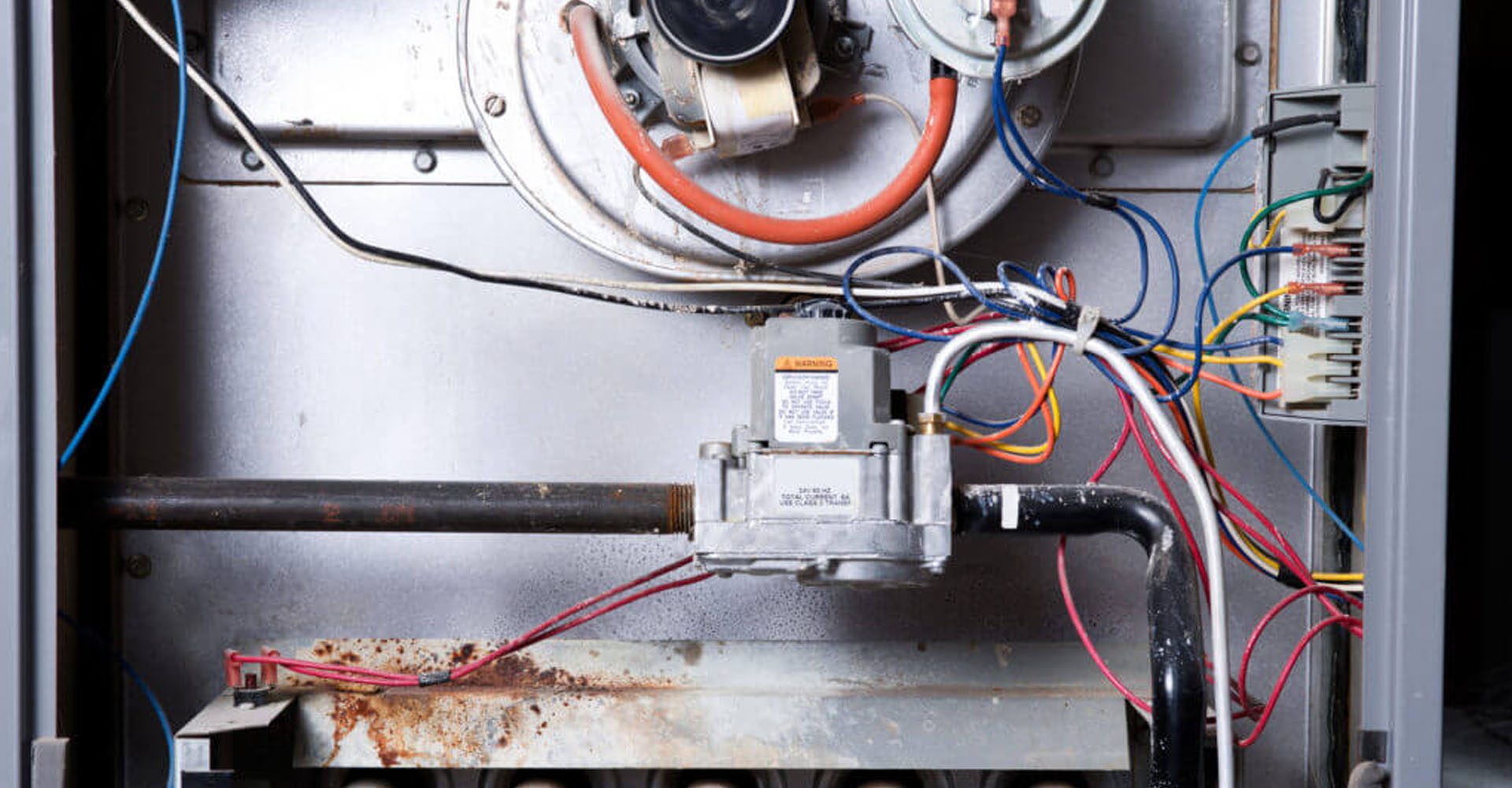
Electrical issues are often the root cause of HVAC system short cycling. Common problems include faulty wiring, malfunctioning capacitors, or issues with the thermostat. These issues can disrupt the system’s operation, leading to frequent cycling on and off.
Risks Involved
Unaddressed electrical problems in HVAC systems can pose serious risks. Short cycling due to electrical issues can result in increased energy consumption, leading to higher utility bills. Moreover, continuous cycling can put strain on components, reducing the system’s lifespan.
Troubleshooting Steps
To effectively tackle electrical issues causing short cycling, follow these troubleshooting steps:
- Check Wiring: Inspect all electrical connections for loose wires or damage.
- Test Capacitors: Use a multimeter to check the capacitors’ functionality.
- Calibrate Thermostat: Ensure the thermostat is calibrated correctly to prevent incorrect temperature readings.
- Inspect Circuit Breakers: Verify that circuit breakers are not tripped, affecting the system’s power supply.
- Clean Electrical Components: Dust and debris can interfere with electrical connections, so regular cleaning is essential.
Reliable Solutions
When addressing electrical problems in HVAC systems, consider these reliable solutions:
- Professional Inspection: If unsure about troubleshooting steps, seek assistance from a qualified technician.
- Upgrading Components: Consider upgrading old or faulty components to improve the system’s efficiency.
- Regular Maintenance: Schedule routine maintenance to detect and address electrical issues early on.
- Invest in Smart Thermostats: Smart thermostats offer advanced features to optimize energy usage and prevent short cycling.
Preventive Measures
Regular Maintenance
Regular maintenance is crucial in preventing system short cycling in your HVAC. Scheduled maintenance routines help in identifying and addressing potential issues before they escalate. By checking filters, components, and registers regularly, you can ensure optimal system operation.
Importance of Inspections
HVAC experts emphasize the importance of regular inspections to prevent short cycling. These inspections can detect any damage or wear and tear on equipment that could lead to system malfunctions. By scheduling routine inspections, you can mitigate the consequences of short cycling.
Optimal System Performance
To maintain optimal system performance, it is essential to adhere to a strict maintenance schedule. Cleaning or replacing filters, inspecting components for wear, and ensuring proper airflow through registers are key steps in preventing short cycling. By following these tips, you can extend the lifespan of your HVAC system and avoid costly repairs.
Seeking Professional Help
Expert Assistance
Professional HVAC technicians possess expert insight into diagnosing and resolving complex issues like system short cycling. Their recommendations are based on years of experience and specialized training, ensuring efficient solutions.
HVAC experts can accurately identify the root cause of the short-cycling problem, whether it’s a malfunctioning component or an underlying issue affecting the system’s performance. Their expert maintenance techniques can address these issues effectively, restoring your HVAC system to optimal function.
Timely Intervention
When short cycling occurs despite implementing preventive measures, it’s crucial to request service from a qualified HVAC professional promptly. Delaying expert maintenance can lead to further damage and higher repair costs in the long run.
By contacting a professional team to address the short-cycling issue, you can enjoy improved comfort levels in your living space. HVAC technicians in the Gilbert area are equipped to handle such problems efficiently, ensuring that your system operates smoothly round the clock.
Benefits of Professional Support
Calling in HVAC experts for short-cycling concerns offers several advantages. Their tips and guide on system maintenance can help prevent future issues, extending the lifespan of your HVAC unit. Their expertise ensures that all components are functioning correctly, optimizing the system’s performance.
Professional intervention not only resolves the immediate short-cycling problem but also enhances energy efficiency, reducing utility bills. With timely maintenance and repairs, you can rest assured that your HVAC system operates at peak efficiency, providing consistent comfort levels in your home.
Maximizing Energy Efficiency
Improving Efficiency
To enhance energy efficiency in your HVAC system, consider upgrading to an efficient air conditioner or full heating unit. Regularly clean or replace filters to ensure optimal airflow and reduce strain on the system. By doing so, you can prevent power cycling and unit overheats, leading to improved overall performance.
Long-Term Benefits
Achieving maximum energy efficiency in your HVAC system can result in significant savings on energy bills over time. A more efficient air conditioner or heating unit consumes less power, reducing your monthly expenses. Minimizing power cycling and unit overheats can prolong the lifespan of your system, saving you money on costly repairs or replacements.
Importance of Maintenance
Proper maintenance plays a crucial role in enhancing energy efficiency in HVAC systems. Schedule regular tune-ups with professionals to ensure that your system is running at its peak performance. They can identify and address any issues that may be causing power cycling or unit overheats, optimizing the efficiency of your HVAC system.
Conclusion
Short cycling in your HVAC system can lead to inefficiency and potential damage. By understanding the causes and implementing the fixes outlined, you can ensure your system operates smoothly, saving you money and hassle in the long run. Regular maintenance and prompt attention to issues will keep your HVAC system running efficiently and effectively, providing comfort and peace of mind.
Take charge of your HVAC system by addressing short cycling promptly. Implement the solutions discussed, schedule regular maintenance checks, and don’t hesitate to seek professional help when needed. By staying proactive, you can maintain a comfortable indoor environment while maximizing energy efficiency and extending the lifespan of your HVAC system.
Stop HVAC Short Cycling in Its Tracks with Superior Mechanical Services
Is your HVAC system constantly turning on and off? This short cycling can lead to inefficient cooling, increased energy bills, and potential system damage. Don’t wait—reach out for professional HVAC repair immediately. Since 1948, Superior Mechanical Services, Inc. has been the trusted choice for residential and commercial customers in need of reliable HVAC repairs. Rest assured, our work is guaranteed to restore your comfort and help you save on monthly energy bills. Don’t hesitate—when in doubt, give us a call. It’s better to be safe than sorry.
At Superior Mechanical Services, Inc., we take pride in our certified technicians who specialize in all things HVAC, from hot water heater installation to maintenance and repair. When you choose us, you’re selecting a team that handles every aspect of your project with meticulous care and efficiency. We follow a comprehensive checklist to guide and test each step, ensuring your system is installed correctly and operates at peak performance.
No need to worry about being left in the dark when it comes to maintaining your HVAC system. We’re here to provide you with expert tips and advice, ensuring that your cooling system runs smoothly for years to come.
Don’t endure another day of inefficiency and discomfort! Say goodbye to short cycling issues and reach out to Superior Mechanical Services today to schedule your HVAC repair. Get ready for an amazing service experience that will have your system running efficiently and your home comfortable again!