Signs Your Boiler Needs Repair—Before It Becomes An Emergency
Key Takeaways
- Keep an eye out for these signs your boiler needs repair—before it becomes an emergency. Acting on these signs early can prevent catastrophic failures and expensive fixes.
- Check your system regularly for warning signs like cold radiators, slow heating, and climbing energy bills — all signs that your system isn’t performing efficiently and could have a mechanical problem. Staying on top of these changes will keep your home comfortable and budget-wise.
- Keep an eye out for subtle warning signs such as short cycling, soot deposits, and variations in humidity levels, as these can be indicative of hidden boiler inefficiency or combustion issues. The earlier you can spot these signs, the sooner you can take corrective action before additional damage is incurred.
- If you smell gas or your carbon monoxide alarm sounds, get out and call emergency services–these are serious safety issues. Putting your safety first in these situations is essential for your family’s health.
- Regular maintenance and timely professional inspections — especially if your boiler is 10+ years old. Putting money into preventative care can save you a boiler’s life— and better fuel efficiency along the way.
- Maintain accurate records of any boiler problems, repairs, and service appointments — allowing technicians to nail down issues more efficiently and helping you weigh repair vs. replacement decisions.
Boiler repair signs—before it becomes an emergency—odd sounds, low heat, water leaks, and rising bills. If you catch these early, you can schedule repairs before minor issues escalate and become more expensive. You may begin to hear banging or whistling, notice water beneath the unit, or discover your rooms take longer to warm up. Maybe you notice the pilot light goes out a lot, or your thermostat acts up. Or perhaps you’ll smell strange odors or notice rust on metal components. Noticing these signs avoids unsafe situations and keeps your room cozy and warm. In the following sections, you’ll see practical steps to identify these signs and understand when it’s time to reach out to an expert.
Key Boiler Warning Signs
Boiler systems are at the heart of a lot of homes and workplaces, providing reliable heating and hot water with minimal noise. However, worn parts, aging systems, or concealed faults can lead to boiler malfunctions well before a complete failure. Identifying early warning signs, such as visible leaks or inconsistent heating, allows for proactive boiler care to prevent further damage or safety risks.
1. Strange Noises
- If you hear loud bangs, whistling, or clunking from your boiler, these typically indicate mechanical faults or failing components within the unit. These sounds are abnormal and should never be overlooked.
- Gurgling noises can indicate trapped air or limescale deposits in the heat exchanger. This occurs particularly in regions with hard water; however, any boiler may eventually develop these jarring noises.
- If you hear any strange or continuous noise coming from your boiler, it’s a warning sign. Boilers are designed to operate silently, and therefore any new noise merits further inspection.
- Kettling, which is a deep rumbling like a kettle boiling, means mineral deposits are causing the water to overheat. This can decrease the lifespan of your system and decrease efficiency.
2. Water Leaks
A visible water leak or heavy condensation around your gas boiler means you need to act quickly. Leaks can manifest as puddles, wet areas, or water marks around the unit or along pipes. Not only can this wreak havoc on your space, but it can also indicate boiler malfunctions, such as a broken seal, defective valve, or corrosion within the boiler. Even minor drips can lead to more significant boiler trouble. These leaks are easy to miss, and routine boiler maintenance helps you catch them early, saving you from expensive repairs or extensive property damage.
3. Odd Smells
Notice any sulfur or rotten egg smell – this may indicate a gas leak and needs immediate addressing for safety reasons. A burning odor can suggest overheating or electrical issues within the boiler system. If you begin detecting a strange or persistent smell—something you didn’t notice previously—it’s a sign that your boiler may be experiencing inefficient heating or other malfunctions. Ensure your boiler service includes good ventilation and never disregard weird smells – they can often be the first indicators of serious safety risks.
4. Pilot Light Issues
If your pilot light won’t stay lit or flickers, that’s not normal and may suggest boiler trouble. Older boilers often require manual relighting, indicating that components may be worn or soiled. Additionally, a pilot light that burns yellow instead of blue can signal incomplete combustion or an issue with the gas boiler supply. Low water pressure, usually the result of visible leaks or valve problems, can lead to boiler malfunctions. Ignoring these issues can ultimately prevent your boiler from firing up entirely.
5. Pressure Loss
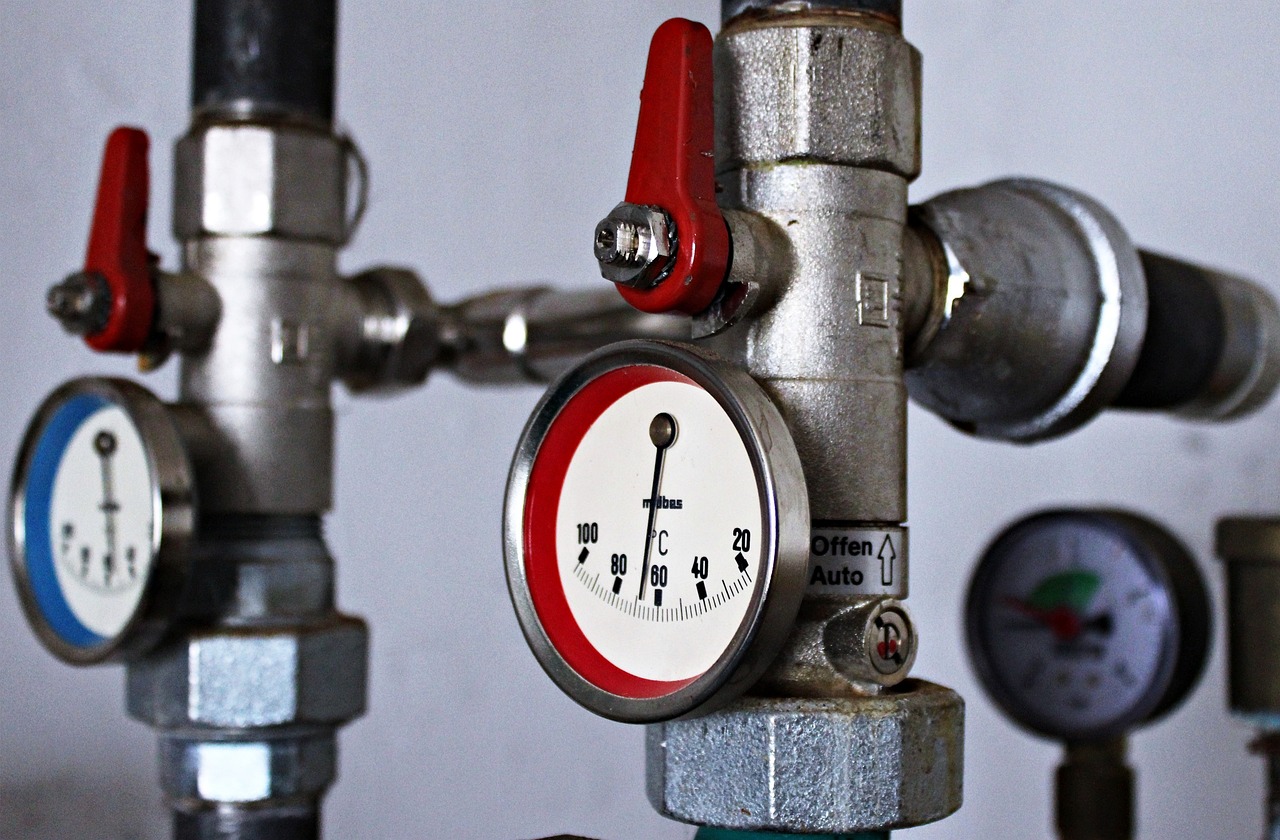
A good boiler maintains consistent pressure, typically displayed on a gauge. If you notice the pressure below the recommended range, typically 1-1.5 bar, this could indicate visible leaks, broken valves, or old seals. Low pressure not only reduces the effectiveness of your heating but can also lead to expensive repairs due to increased energy consumption. Check the gauge frequently, and if you find yourself needing routine boiler maintenance more than once a season, call a professional boiler service for assistance.
The Performance Indicators
Boilers are an essential part of your everyday comfort and security. Identifying boiler troubles early, such as visible leaks or inconsistent heating, will help you deal with them before they escalate into expensive repairs.
- Sudden increases in energy use or utility bills
- Unusual noises, such as banging or whistling
- Noticeable water leaks around the boiler unit
- Excess condensation or moisture near the system
- Uneven or slow heating in your radiators
- Drops or spikes in system pressure
- Strange odors from the boiler
- Boiler age exceeding 10–15 years
- Frequent need for repairs or maintenance
Rising Bills
A sudden increase in your energy bills, with no other obvious cause, frequently suggests a boiler in need of a tune-up. If your system is older–say it’s been more than a decade since installation–aging components and worn seals can put extra strain on the boiler, causing it to use more energy. This may fly under the radar initially, but the amount will accumulate quickly.
Maintaining a record of your monthly energy bills makes sense. It assists you in recognizing any trends or big swings. If you notice a concomitant rise in expenses, it may be associated with the boiler’s deterioration. Old boilers become inefficient because of scale buildup, corroded parts, or antiquated controls. Yearly tune-ups are important. A service check can identify minor problems, such as limescale or malfunctioning expansion vessels, prior to them becoming expensive. Consider it preventative maintenance to give your system a long life and your bill a hold.
Cold Radiators
When you notice some radiators are cold while others are hot, you’re likely facing circulation problems related to your heating system. Sometimes, air becomes trapped, preventing warm water from filling the radiator. Bleeding your radiators can be a simple fix, but if cold spots persist, it may indicate more serious issues, such as a failing pump or clogged pipes needing professional boiler repair services.
It’s essential to double-check your thermostat settings to ensure they’re sending the correct signals to the gas boiler. If the thermostat appears to be functioning, yet some radiators remain cold, it might be time to consider the boiler’s capacity. An inefficient boiler for your space may struggle to provide consistent heating, leading to the creation of hot and cold spots.
Don’t ignore persistent cold spots. If bleeding doesn’t solve the issue or you start hearing unusual sounds, it’s time to consult an HVAC expert. Ongoing problems could mean the boiler requires significant repairs or even replacement, which could lead to costly boiler repairs down the line.
Slow Heating
Slow heating is aggravating and usually indicative of a problem. The table below shows some causes and solutions:
| Cause | Solution |
| Limescale build-up | Descale the heat exchanger |
| Faulty pump | Repair or replace the pump |
| Blocked pipes | Clear or replace pipes |
| Expansion vessel problem | Check and repair the vessel |
If you observe that the system takes a lot longer to warm up, this might be the result of limescale, a worn pump, or blocked pipes. Limescale is insulating, preventing heat from flowing effectively. Sometimes, a busted expansion vessel or pressure fluctuations can drag it down even more.
Be on the lookout for additional condensation or strange odors around your boiler. If you see these signs, then it’s time to get your system checked. If slow heating persists or you see leaks, book a professional inspection immediately. Boilers older than 10–15 years are significantly more prone to these issues, so age and prior repair trends should always play into your decision-making.
Your Boiler’s Subtle Language
Your gas boiler will usually give you a heads-up before a breakdown; however, those signs can be subtle and even overlooked. These cues—from unusual sounds to inconsistent heating—are your early nudge to intervene before a minor issue becomes an expensive repair. Listening to your boiler’s whisper allows for proactive boiler care and helps maintain smooth operation.
- Indoor humidity rising or strange dampness near the unit
- Black marks or soot around the boiler or flue
- The boiler is cycling on and off more than usual
- Odd sounds like banging, whistling, or clanking
- Irregular heating or odd temperature swings
- Higher energy bills without a clear reason
- Water leaks or signs of water damage
- Lower water flow or pressure in the system
Humidity Changes
If your rooms begin to feel clammy or you notice condensation on your windows, your boiler could be leaking. Excess moisture is not only discomforting, it can indicate a more serious problem — like inefficient combustion or leaks. Mold loves humid air — a danger to your health and your home.
Damp patches near the boiler commonly indicate leaks or inadequate ventilation, either of which can escalate if left unaddressed. If you operate a dehumidifier and the humidity remains elevated, it’s worth peeking at your boiler as the culprit. Be on the lookout for these subtle swings, particularly in cooler weather when humidity ought to be lower indoors.
Visible Soot
Soot around your boiler or flue is a distinct red flag. Soot develops when combustion isn’t complete—typically because of insufficient air, blocked burners, or malfunctioning parts. This accumulation does more than create a mess. Soot reduces efficiency and is a genuine safety hazard, such as carbon monoxide.
Even a smidgen of soot marks the need for professional cleaning. Neglect it and you’re looking at bigger problems down the road, such as damaged heat exchangers or blocked vents. If soot comes back shortly after cleaning, your boiler might require more extensive repair work or replacements.
Frequent Cycles
A boiler that is turning on and off frequently, known as short cycling, is an indicator of an issue. For instance, the thermostat could be off, or your system could be suffering from bad water circulation. Other times, an oversized boiler is to blame, bringing water to hot too quickly and tripping off prematurely.
Short cycles beat up the system quickly, resulting in more repairs and a shorter lifespan. Check your thermostat and system controls, but if the issue persists, it’s time for a technician to seek out underlying faults. Pay attention as well to new sounds or weird running patterns of the boiler; these clues assist in dialing down on the true source.
The Age Factor
Boiler age is a significant factor in the efficiency of your system and its potential need for boiler repairs. Many boilers provide reliable service for around 10-15 years, although some may last up to 20 years. However, the reality is that as your boiler ages, it will not operate as efficiently as it did when new. Its components—such as the heat exchanger, pump, and valves—begin to deteriorate. This wear can lead to issues like inconsistent heating, strange noises, visible leaks, or even a complete shutdown. If your boiler is approaching or has surpassed that 15–20 year mark, it’s crucial to pay attention to its performance.
Older boilers tend to require professional boiler repair more frequently than their newer counterparts. You may find yourself calling a repairman multiple times a year just to maintain adequate heat. This situation is not just an inconvenience; each repair adds up in terms of time wasted, aggravation, and, of course, additional expenses. For example, you might repair a leaky valve one month only to find the thermostat needs changing the next. These minor issues can accumulate, and sometimes, older boilers require specialized parts that are difficult to find or more expensive due to decreased production.
As your boiler ages, its efficiency declines. Older boilers lose their ability to utilize fuel effectively, which can lead to rising heating costs even if your usage remains the same. These older units simply cannot compete with the newer models that incorporate updated technology, such as modulating burners or advanced controls. A decline in efficiency doesn’t just mean higher bills; it can also indicate that your system is working harder to maintain the same temperature. Over time, this strain can result in more frequent breakdowns and a shorter service life.
It’s clever to consider cost-effectiveness as your boiler ages. If you’re fixing your boiler more than once a year, or the repair bills begin to add up to more than 50% of the price of a new unit, it’s often a better deal to replace it. Newer boilers consume less energy, are less expensive to operate, and have improved safety features. In some areas, you may receive rebates or incentives for upgrading to a higher efficiency unit, which can help mitigate that initial cost.
Scheduling routine boiler maintenance is essential, especially once your boiler approaches or exceeds 10 years of age. An experienced technician can identify signs of aging components, corrosion, leaks, or pressure loss that you might overlook. Regular inspections help you catch small issues before they escalate into a major boiler breakdown. For example, if a heat exchanger shows early signs of corrosion, replacing it before it cracks and leaks can save you from more extensive repairs down the line. Annual servicing not only provides peace of mind but also extends the lifespan of your boiler and enhances safety.
Immediate Danger Signals
Boiler leaks can pose serious safety risks that require immediate care. Catching these danger signals early can mean the difference between a quick boiler repair and an all-out emergency. Take note of any gas odors, carbon monoxide detectors sounding, or flame fluctuations. Additional warning signs include visible leaks, strange sounds, or excessive condensation. Responding quickly to these signals not only keeps your premises safe but can also save you from expensive repairs or operational downtime.
Gas Smell
Any gas smell at home or work is an immediate danger notice and may indicate serious boiler trouble. If you smell gas, get out immediately—don’t flip light switches or use phones or anything electrical. Gas leaks are usually from loose connections or cracked pipes, and even a minor leak can’t be taken for granted; it’s not something to chance. Keep an ear out for any hissing sounds near the boiler or evident damage to pipes, as these can indicate a leak. Never attempt to find or repair the leak yourself. Always call a licensed technician for emergency boiler repair services and inspection. If it’s a heavy smell, call 911 or the fire department and wait outside for them to arrive.
CO Alarm
CO is an invisible, odorless gas that’s lethal in high levels. Your CO alarm is your frontline defender. Test the alarm monthly to ensure proper operation, and replace batteries according to manufacturer guidelines. If it ever goes off, clear everyone out and get fresh air asap. Typical symptoms include headaches, nausea, dizziness, or confusion—don’t brush these off if you find yourself exhibiting them. Even if you are feeling well, do not return to the property until it’s deemed safe by professionals. Once the alarm’s tripped, schedule a comprehensive check with an HVAC expert. Technicians can perform leak detection and identify boiler malfunctions that cause CO. Routine boiler maintenance is particularly important if your boiler is more than 15 years old, since older units are more apt to have cracks or corrosion.
Yellow Flame
A good boiler flame burns blue, while a yellow or orange flame indicates that something has gone awry with combustion, potentially signaling boiler troubles. Causes could include blocked air vents, dirty burners, or even the need for routine boiler maintenance. These issues can allow poisonous fumes, such as carbon monoxide, to accumulate in your residence, posing serious safety risks. If you notice a yellow flame, call in for a professional boiler service visit as soon as possible. Technicians will clean components, conduct leak detection, and test for deeper damage. If the yellow flame reappears after service, your boiler might be irreparably unsafe and due for replacement.
When To Seek Repair
Noting early signs that your boiler requires repairs can prevent you from ever facing emergencies, reduce costs to repair, and even maintain safety. Whenever you notice a red flag—such as strange sounds, visible leaks, or performance decline—act immediately, don’t wait for it to get worse or risk a complete breakdown.
If your boiler is constantly breaking down or is inefficient, it’s obvious that you need to call a pro for a full boiler service. If you observe your heating system struggling to maintain temperature, requiring more time to reach your desired warmth, or your bills keep climbing with no explanation, it’s time to schedule a service. These issues frequently indicate more serious defects, such as degraded sensors, clogged hoses, or dying fans. They can escalate quickly if unattended. Our expert technician will inspect all components, from the burner to the heat exchange, ensuring your boiler performs as needed.
Safety above all. If you ever detect the smell of gas near your boiler, exit immediately and call 911. Gas leaks are dangerous and can lead to fire, explosion, and/or poisoning. Beyond gas, there’s CO2—a silent killer that’s colorless, odorless, and can be deadly if it accumulates. Signs of carbon monoxide leaks include sooty marks around the appliance, yellow instead of blue flames, or headaches and nausea in people nearby. Install a CO detector and test it regularly. If it pings, respond immediately and dial up a licensed professional.
Track all boiler faults and previous repairs. Record when each issue occurs, what you noticed (such as pressure drops or unusual noises), and how it was repaired. This log aids the technician in identifying trends and detecting problems more quickly on a service call. For instance, if your boiler bangs or whistles, observe whether this occurs when the unit kicks on or while it’s running. If you observe water leaking or any excess condensation, photograph it and date it. These specifics save time and assist the repair crew in tracking down the source, be it a defective valve, a loose seal, or a busted expansion vessel.
There are a few indicators that you need to do something immediately. A water leak, however minor, necessitates repair because water can harm your home and the boiler. If your boiler doesn’t switch on at all, don’t attempt to repair it yourself. This requires professional attention. Weird odors—like burning, metallic, or sulfuric smells—should never be overlooked, as they could indicate electrical problems, gas leaks, or overheating components. Rapid boiler pressure drops or spikes may indicate a faulty pressure relief valve, a leak, or problems with the expansion vessel. Excess condensation surrounding the boiler isn’t just uncomfortable—it could suggest that the flue is clogged or there’s an unseen leak.
If your boiler is over 15 – 20 years old or has started to break down more frequently, consider the cost of repairs versus replacement. Older systems are inefficient and can become dangerous if not inspected. Even routine boiler maintenance can help catch issues early, but any new problem should be repaired immediately to prevent larger hazards.
Conclusion
Being boiler-sharp keeps you safe and saves you money. You notice strange noises, funny odors, or inconsistent heat—these all signify something. Old pipes, decreases in water pressure, and leaks occur for a reason. Minor changes in the way your boiler operates, such as a delayed heat-up or a strange shut-off, indicate impending trouble. Fast repair today prevents a big expense tomorrow. A well-functioning boiler brings harmony to your household. Trust your eye, your ear, your gut—if it feels off, call a pro. You keep your home safe and warm by acting quickly. For more tips or advice, check out our blog or get in touch with your questions. Your security begins with what you observe initially.
Frequently Asked Questions
1. What Are The Early Signs That My Boiler Needs Repair?
Watch for unusual sounds, visible leaks, or inconsistent heating from your gas boiler. If your energy bills spike unexpectedly, your boiler could be crying out for professional boiler repair services. Spot these early signs to avoid expensive emergencies.
2. Why Is My Boiler Making Banging Or Whistling Sounds?
Unusual noises from your gas boiler typically indicate trapped air, mineral buildup, or failing components. These alerts signal potential boiler trouble that could lead to a breakdown, so arrange professional boiler repair services to avoid larger issues.
3. How Does Boiler Age Affect Reliability?
Boilers that are more than 10–15 years old tend to be more prone to failure, often leading to costly boiler repairs and inefficient heating. Swapping out or servicing an aging boiler can save you money and stress while ensuring reliable heating.
4. What Performance Changes Mean My Boiler Needs Repair?
If you experience inconsistent heating, a sluggish hot water supply, or if the system switches off abruptly, your gas boiler may need professional boiler repairs. These changes indicate internal problems requiring expert boiler repair services.
5. Are Leaks Around My Boiler Dangerous?
Sure, visible leaks can lead to water damage, mold, or electrical hazards. If you notice water pooling near your gas boiler, for safety’s sake, shut it off and immediately call for professional boiler repair services.
6. When Should I Call A Professional For Boiler Repair?
Ring in a pro at the first signs of visible leaks, odd smells, or diminished heating. Timely boiler maintenance keeps your home secure and avoids costly boiler repairs.
7. Can Ignoring Small Boiler Issues Lead To Emergencies?
The earlier you catch boiler maintenance issues, the better you can protect your home, health, and budget with routine boiler service.
Stay Warm And Worry-Free With Expert Boiler Service & Installation From Superior Mechanical Services
Is your boiler making banging or gurgling noises, leaving radiators cold, or failing to fire? Don’t wait for the chill to set in. Superior Mechanical Services, Inc. is ready with expert boiler service and installation that keeps your home comfortable and efficient.
Since 1948, families and businesses have trusted us for reliable, long-lasting solutions. Whether you need a fast repair, seasonal maintenance, or a high-efficiency boiler installed, our certified technicians deliver precision, professionalism, and clear communication.
Timely boiler service restores heat quickly, prevents costly breakdowns, lowers energy bills, and extends equipment life. When it’s time for a new system, we handle proper sizing, hydronic design, venting, and smart controls, then commission it the right way on day one.
Call today to schedule boiler service or request an installation estimate. With over 70 years of experience, Superior Mechanical Services provides fast, dependable, and affordable hydronic heating solutions. Reliable warmth starts here.