Save on Repairs with These 7 Preventative HVAC Maintenance Best Practices
Regular HVAC maintenance can significantly reduce the risk of costly repairs. Simple preventative measures like changing filters regularly and scheduling professional tune-ups can extend your HVAC system’s lifespan and ensure efficient operation year-round. Implementing these practices can help you save money over time and maintain a comfortable home environment. Stay proactive in addressing issues early to avoid unexpected breakdowns and maximize your HVAC system’s efficiency.
1. Change Air Filters Regularly
Importance of Regular Filter Changes
Regularly changing air filters is crucial for maintaining optimal HVAC system performance. Clogged filters can restrict airflow, causing the system to work harder and resulting in higher energy consumption.
When air filters are dirty, they compromise indoor air quality, leading to health issues such as allergies and respiratory problems. By changing filters every 1-3 months, you can prevent these issues and ensure your HVAC system operates efficiently.
Benefits of Timely Filter Replacements
- Improved Air Quality: Clean filters help to remove dust, pollen, and other pollutants, creating a healthier indoor environment.
- Enhanced Efficiency: Fresh filters enable the system to operate smoothly, reducing the risk of breakdowns and extending its lifespan.
Regular filter changes also contribute to lower energy bills, as the system doesn’t have to work as hard to maintain the desired temperature. This simple maintenance task can lead to significant savings over time.
How to Choose the Right Filters
When selecting air filters, consider factors like filter size, MERV rating, and whether you need standard disposable filters or more advanced options like HEPA filters. It’s essential to choose filters that are compatible with your HVAC system for optimal performance.
To make the process easier, you can set reminders on your phone or mark the calendar for filter replacements. Creating a routine around this task ensures that it doesn’t get overlooked, helping you stay on top of your HVAC maintenance schedule.
Common Mistakes to Avoid
- Neglecting filter changes can lead to poor air circulation and strain on the system.
- Using low-quality filters may not effectively capture particles, reducing their efficiency.
- Forgetting to check filters regularly can result in accumulated dirt, impacting both air quality and system performance.
Remember, regular filter changes are a small investment that can yield significant returns in terms of energy savings, improved air quality, and long-term HVAC functionality.
2. Clean Vents and Ducts
Regular Maintenance
Clean Vents and Ducts play a crucial role in maintaining the efficiency of your HVAC system. Over time, dust, dirt, and debris can accumulate in the vents and ducts, leading to poor air quality and reduced airflow. By regularly cleaning these components, you can prevent potential issues and ensure that your system operates smoothly.
To clean vents and ducts, start by removing vent covers and using a vacuum with a brush attachment to remove any dust and debris. Next, wipe down the vent covers with a damp cloth to eliminate any remaining dirt. For deeper cleaning, consider hiring a professional HVAC technician to perform a thorough duct cleaning.
Benefits
- Improved Air Quality: By cleaning vents and ducts, you can reduce the amount of dust and allergens circulating in your home, leading to better indoor air quality.
- Enhanced Efficiency: A clean HVAC system operates more efficiently, leading to lower energy bills and reduced wear and tear on the system components.
Inspection Schedule
To ensure that your vents and ducts remain clean, it is recommended to schedule inspections at least once a year. During these inspections, an HVAC technician can identify any buildup or issues that may be affecting your system’s performance.
Regular maintenance of your HVAC system, including cleaning vents and ducts, is essential for extending the lifespan of your equipment and avoiding costly repairs. By taking proactive steps to care for your system, you can enjoy consistent comfort in your home while saving money on potential repairs.
3. Check Thermostat Settings
Adjusting Settings
To optimize your HVAC system, make sure to adjust the thermostat settings seasonally. Set it higher in summer and lower in winter.
Programming a Schedule
Programmable thermostats are beneficial for saving energy. They allow you to set different temperatures for various times of the day.
Regular Calibration
Calibrating your thermostat is crucial. If it’s not displaying the correct temperature, it can lead to inefficient cooling or heating.
When it comes to maintaining your HVAC system, checking thermostat settings is a critical step. By adjusting the settings based on the season, you can ensure optimal performance and energy efficiency. Programming a schedule with a programmable thermostat allows for personalized comfort while saving on energy costs. regularly calibrating your thermostat ensures accurate temperature readings, preventing potential issues with your HVAC system.
4. Inspect and Clean the Outdoor Unit
Regular Maintenance
Regular maintenance of your HVAC system is crucial to ensure its efficient operation. Inspecting and cleaning the outdoor unit is a key aspect of preventative maintenance that can help you save on costly repairs in the long run. By keeping the outdoor unit clean, you can prevent debris buildup that may hinder airflow and reduce the system’s efficiency.
Importance of Cleaning
Cleaning the outdoor unit involves removing leaves, dirt, and other debris that may accumulate around the unit. This buildup can obstruct airflow and cause the system to work harder than necessary, leading to increased energy consumption and potential damage to the components. By regularly cleaning the outdoor unit, you can maintain optimal performance and extend the lifespan of your HVAC system.
DIY Cleaning Tips
You can perform basic cleaning of the outdoor unit yourself to save on maintenance costs. Start by turning off the power to the unit before cleaning to ensure safety. Use a garden hose to gently rinse off dirt and debris from the unit, being careful not to damage any components. trim any vegetation around the unit to prevent obstruction of airflow.
Professional Maintenance
While DIY cleaning is beneficial, it’s also essential to schedule professional maintenance for your HVAC system. A professional technician can perform a thorough inspection of the outdoor unit, checking for any issues that may require attention. They can also clean internal components, such as coils and fans, to ensure optimal performance.
Benefits of Professional Service
Professional maintenance offers several benefits, including identifying potential problems early, before they escalate into major issues that require costly repairs. Routine maintenance by a qualified technician can help improve the efficiency of your HVAC system, leading to lower energy bills and a more comfortable indoor environment.
Consistent Maintenance Schedule
To ensure your HVAC system operates efficiently year-round, it’s important to establish a consistent maintenance schedule. Regular inspections and cleaning of the outdoor unit should be part of your overall maintenance plan to prevent breakdowns and prolong the life of your system.
5. Schedule Seasonal Professional Tune-Ups
Regular Maintenance
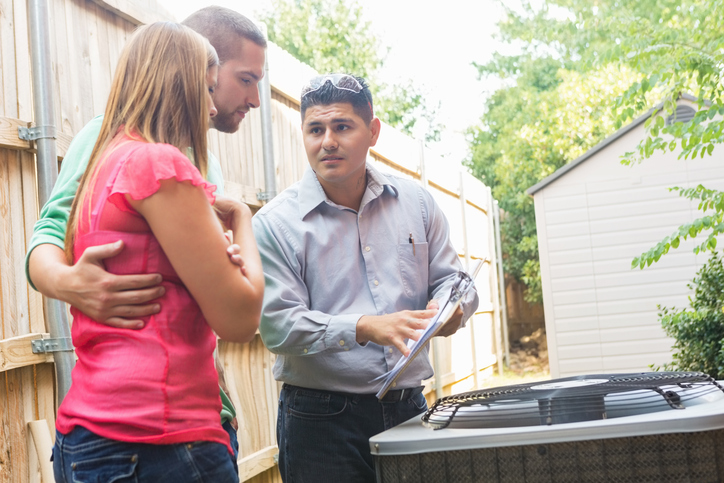
Regular HVAC maintenance is crucial for ensuring efficient operation and preventing costly repairs. By scheduling seasonal professional tune-ups, you can address any potential issues before they escalate.
It is recommended to have your HVAC system professionally inspected at least once a year. During these tune-ups, technicians will check for leaks, clean components, and ensure optimal performance.
Benefits of Professional Tune-Ups
- Early Detection: Professional tune-ups can help in the early detection of any potential problems, saving you from major repair expenses down the line.
- Improved Efficiency: Regular maintenance ensures that your HVAC system operates at peak efficiency, reducing energy consumption and lowering utility bills.
DIY Maintenance Between Tune-Ups
While professional tune-ups are essential, there are also some DIY maintenance tasks you can perform between appointments to keep your HVAC system running smoothly.
- Regular Filter Changes: One of the simplest yet most effective maintenance tasks is changing your air filters regularly to prevent dust buildup and maintain good air quality.
- Clearing Debris: Keep the area around your outdoor unit clear of debris such as leaves, branches, and dirt to ensure proper airflow.
Importance of Timely Tune-Ups
Timely tune-ups are crucial for maintaining the longevity of your HVAC system. Neglecting regular maintenance can lead to reduced efficiency, increased energy consumption, and ultimately, costly repairs.
6. Check Refrigerant Levels
Monitor Regularly
Regularly monitoring the refrigerant levels in your HVAC system is crucial for its optimal performance. Low refrigerant levels can lead to inefficient cooling and potential damage to the compressor.
Signs of Low Levels
Signs of low refrigerant levels include warm air blowing from the vents, ice buildup on the evaporator coils, and increased energy bills. If you notice any of these signs, it’s essential to check the refrigerant levels promptly.
DIY vs Professional Inspection
While some homeowners may attempt to check refrigerant levels themselves, it’s generally recommended to have a professional HVAC technician perform this task. They have the necessary tools and expertise to accurately assess and refill refrigerant levels.
Importance of Proper Levels
Maintaining proper refrigerant levels ensures that your HVAC system operates efficiently and effectively. Improper levels can not only impact cooling performance but also lead to costly repairs if left unaddressed.
Preventative Measures
In addition to checking refrigerant levels, there are other preventative measures you can take to ensure your HVAC system runs smoothly. These include regular filter changes, cleaning coils, and keeping vents unobstructed.
7. Inspect and Maintain Electrical Components
Inspect Regularly
Regularly inspecting the electrical components of your HVAC system is crucial to ensure everything is functioning properly. Check for any signs of wear, fraying, or damage in wires and connections.
Clean and Tighten Connections
Cleaning and tightening electrical connections can prevent issues like overheating or short-circuiting. Use a soft brush to clean off any dust or debris and ensure all connections are secure.
Replace Faulty Parts
If you notice any faulty electrical parts during inspection, it’s essential to replace them promptly. Ignoring faulty components can lead to more significant problems and potential system breakdowns.
Schedule Professional Maintenance
Consider scheduling professional maintenance at least once a year to have a thorough inspection of all electrical components. Professionals can identify any potential issues early on and prevent costly repairs.
Use Surge Protectors
Installing surge protectors for your HVAC system can safeguard it against power surges, especially during thunderstorms or electrical fluctuations. This simple addition can help prolong the lifespan of your system.
Keep Outdoor Unit Clear
Ensure the outdoor unit of your HVAC system remains clear of any debris, vegetation, or obstructions. This practice not only helps maintain proper airflow but also reduces the risk of electrical issues.
Monitor System Performance
Regularly monitor the performance of your HVAC system to catch any electrical issues early on. Keep an eye out for unusual sounds, smells, or fluctuations in temperature that could indicate electrical problems.
Final Remarks
Incorporating these HVAC maintenance best practices into your routine can significantly extend the lifespan of your system and save you money in the long run. By changing air filters regularly, cleaning vents and ducts, and scheduling professional tune-ups, you ensure that your HVAC system operates efficiently and effectively. Checking thermostat settings, inspecting electrical components, and maintaining refrigerant levels are crucial steps in preventing costly repairs and breakdowns.
Prioritizing these preventative measures not only enhances the performance of your HVAC system but also contributes to a healthier indoor environment for you and your loved ones. Remember, a well-maintained HVAC system not only saves you money but also provides comfort and peace of mind. Take charge of your HVAC maintenance today to enjoy a worry-free and efficient cooling and heating system.
Frequently Asked Questions
1. How often should I change air filters for my HVAC system?
Changing air filters every 1-3 months is ideal to maintain efficiency and indoor air quality. Regular changes prevent dust buildup, reduce strain on the system, and help save on repair costs.
2. Why is it important to clean vents and ducts in my HVAC system?
Cleaning vents and ducts ensures proper airflow, improves indoor air quality, and prevents blockages that can strain the system. Regular cleaning also helps maintain energy efficiency and prolong the lifespan of your HVAC unit.
3. What are the benefits of scheduling seasonal professional tune-ups for my HVAC system?
Professional tune-ups help identify potential issues early, optimize system performance, improve energy efficiency, and extend the lifespan of your HVAC unit. Regular maintenance can save you money by preventing costly repairs down the line.
4. How do I check refrigerant levels in my HVAC system?
Checking refrigerant levels requires a professional technician with the right tools. Low refrigerant levels can indicate a leak or other issues that need attention. Proper refrigerant levels are crucial for optimal cooling performance and energy efficiency.
5. Why is it essential to inspect and maintain electrical components in my HVAC system?
Inspecting and maintaining electrical components ensures safe operation of your HVAC system. Faulty electrical parts can lead to breakdowns, inefficiency, or even safety hazards. Regular inspections help prevent major issues and keep your system running smoothly.
Stay Comfortable with Trusted HVAC Contractor Services from Superior Mechanical Services
Is your HVAC system giving you trouble? When unexpected issues arise, Superior Mechanical Services, Inc. is here to provide fast, reliable HVAC services. Since 1948, we have been the go-to choice for dependable HVAC solutions for both residential and commercial customers.
Our certified technicians specialize in HVAC repairs, using a thorough checklist to diagnose and fix problems quickly, ensuring your system operates at peak performance. Whether it’s troubleshooting or comprehensive system diagnostics, you can count on us to restore your HVAC system efficiently and effectively.
Don’t let HVAC problems disrupt your comfort—contact us today for expert service. With over 70 years of experience, Superior Mechanical Services is committed to keeping your home or business comfortable year-round. Your satisfaction is our top priority!