Preparing Your HVAC System Before Holiday Travel
Prepping your HVAC before holiday travel is about ensuring heating and cooling perform how they should in your absence. It keeps your home safe, reduces energy bills and reduces the risk of issues. Among other things, we tend to check filters, program the thermostat and clear debris from vent surrounds before holiday travel. Others have a friend or neighbor come by to check on the house, which can aid in early detection of problems. It’s standard to pull the plug on small appliances and draft check windows and doors as well. These fast checks can go a long way to keep your home safe and comfortable. Below, we’ll separate out easy ways to prepare your HVAC before you hit the road.
Key Takeaways
- Check and service air filters, your outdoor units and indoor vents to help ensure that your HVAC system runs efficiently prior to holiday travel.
- Set your smart thermostat to save energy when you’re gone or invest in a programmable thermostat for easy control.
- Caulk windows and doors and any other leaks you have. This will help keep your home insulated and avoid wasting energy in extreme weather.
- Book an HVAC tune-up before you leave to catch issues and ensure trust during your trip.
- Leverage remote monitoring that comes with many smart thermostats and leak detectors to keep an eye on your home temperature and system status while you’re on the road.
- If your HVAC is making strange noises, smells, or acting up, get it checked out by a professional now so you don’t have to worry about paying $1,000 to $2,000 later.
Your Pre-Travel HVAC Checklist
Smart HVAC preparation ahead of your vacation reduces the chances of unexpected breakdowns and ensures you come home to a comfortable home. Utilizing programmable thermostats with vacation mode can help minimize energy waste and maintain ideal indoor temperatures. Proper maintenance, on the other hand, keeps all parts purring — from the air filters to the outdoor unit and system controls, ensuring efficient HVAC operation while you travel.
1. Inspect Air Filters
Dirty air filters can restrict airflow and damage indoor air quality, especially during humid Indiana summers. Change clogged or dusty filters prior to your vacation to ensure proper airflow. Opt for high-efficiency filters, as they extract a greater amount of dust and allergens, enhancing energy efficiency. Checking once a month during peak seasons like summer or winter keeps your HVAC systems running great and maintains a comfortable home.
2. Clear Outdoor Unit
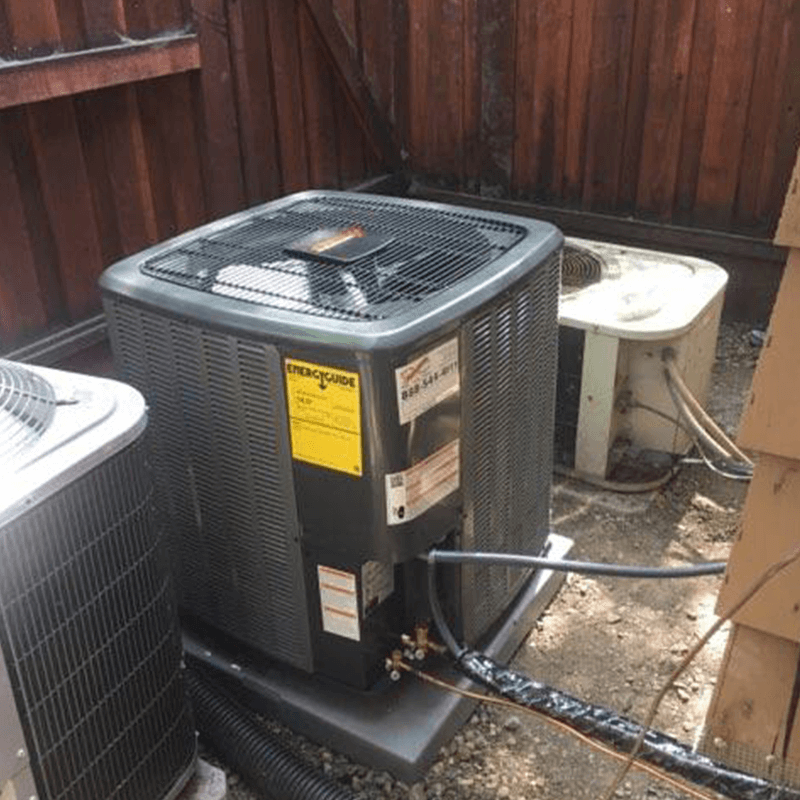
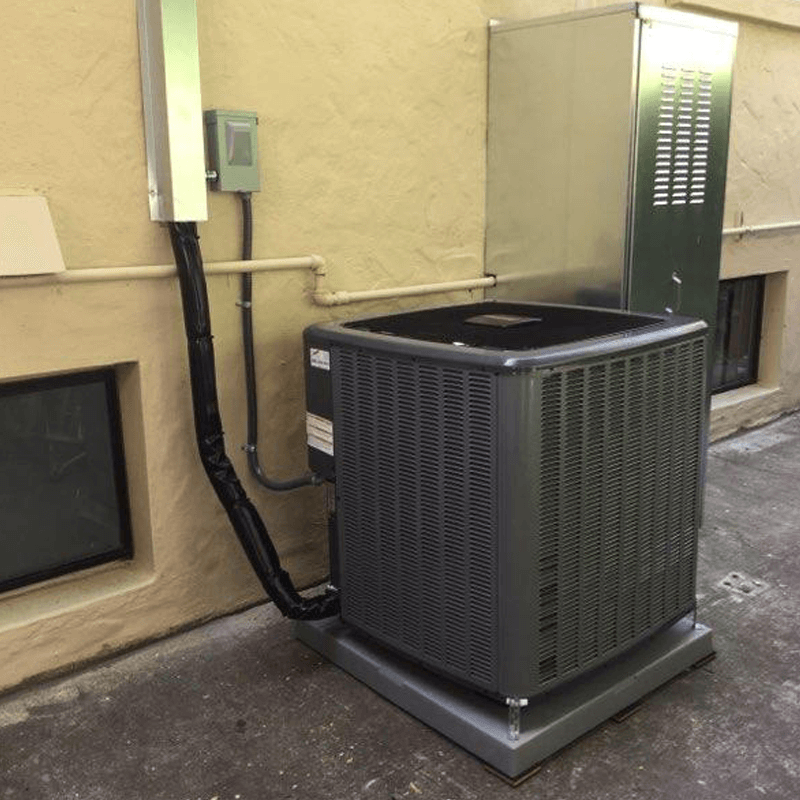
Leaves, snow, or dirt stacked near your outdoor unit obstruct airflow and cause damage. To ensure proper airflow, knock away any loose debris and trim plants or thick grass around the unit to maintain airflow. If the unit isn’t level, level it, as an uneven base can stress the system. Cleaning the coils allows the system to exchange heat more efficiently, ensuring energy efficiency and reducing the chance of failure while you’re on vacation.
3. Unblock Indoor Vents
Blocked vents can lead to inconsistent heating and cooling, especially during humid Indiana summers. It’s essential to ensure all vents are open and unencumbered by furniture or drapes. Go room by room to check if vents are uncovered, particularly in less-frequented areas. If you have rooms you won’t utilize, consider using vent covers to redirect airflow, which helps maintain an ideal temperature throughout your home and enhances the efficiency of your HVAC system.
4. Test System Operation
Before your vacation, it’s crucial to test the HVAC system to ensure it heats or cools effectively. Pay attention for strange sounds; rattles, buzzing, or short cycling might indicate problems. Set your thermostat according to your travel schedule, ideally using programmable thermostats to maintain a comfortable home at temperatures around 28°C to 27°C for cooling or 16°C for heating. Be vigilant for signs like warm air from your air vents when they should be blowing cool, or frequent cycling of the system.
5. Schedule Professional Tune-Up
Scheduling a pro tune-up before your vacation can catch issues early with your HVAC systems. It’s wise to plan in advance since technicians are less booked in the off months. Inquire about inspections of ductwork and air filters, and mention any strange sounds or concerns to ensure your air conditioning operates efficiently during those humid Indiana summers.
What Thermostat Setting?
Setting the right thermostat settings before you leave for vacation helps reduce energy consumption and protects your home. The ideal temperature varies with the season, local climate, and the length of your absence. Utilizing programmable thermostats and smart systems can automate these adjustments, ensuring you maintain energy efficiency while you’re away. Energy-saving modes offer added protection and efficiency during your travels.
Winter Travel
Talk to me about a thermostat setting. Professionals recommend not reducing the thermostat to less than 10°C (50°F). If you live in a harsh winter area, turn it up a little, closer to 13°C (55°F), particularly if a cold snap is coming. This little jump can make a big difference for older homes or those with poor insulation.
If you have a timer or smart thermostat, set it to maintain steady temperatures during the coldest hours. Some apply a seven-day schedule to the weather. Leave someone you trust knowing you will be away and have them check your home, especially if temperatures fall quickly. A quick look at pipes and windows can help catch problems before they get too bad.
Summer Travel
In summer, keep the thermostat between 24° and 27°C (75–80°F) to maintain low energy consumption. Don’t boost it above 29°C (85°F) or the house can become too hot and damage electronics or houseplants.
Timers are great for chilling the space just before you arrive home, so you walk into a nice, cool nest. Keep them closed tight! This not only helps trap the cool air inside, but lessens the burden on your system.
Fans are another easy way to help circulate the air and prevent hot spots. That’s less power than running the AC ’round the clock, and that saves money.
Smart Thermostats
A smart thermostat allows you to control or monitor your home’s temperature from anywhere. With remote access, you can react to sudden weather changes or an unexpected return. Scheduling different settings for different days and times is simple and can accommodate your vacation plans.
Smart thermostats send mobile alerts regarding your system’s status. Certain models provide energy use reports, highlighting where you’re in a position to save more. These features keep energy bills lower and your home safe, wherever you are.
Fortify Your Home’s Envelope
Fortifying your home’s envelope is crucial for maintaining indoor temperatures and ensuring the barriers between inside and outside are strong, allowing your HVAC system to operate efficiently while you’re out. A home that keeps air in and drafts out will save energy, reduce expenses, and increase comfort. This is a key step for homeowners in humid Indiana summers, as it minimizes heat loss in winter and heat gain in summer.
Seal Leaks
Let’s fortify your home’s envelope to improve energy efficiency. Gaps around windows, doors, and ducts are letting air out, making your HVAC system work overtime, especially during humid Indiana summers. Locate these leaks by feeling for drafts or using a smoke pencil around window and door frames. In older homes, seals break down faster, so check for worn weather stripping or exposed cracks.
Employ caulk for minor cracks around your windows and door. For larger gaps, such as those around plumbing pipes or ductwork, spray foam works best. Weather stripping is quick to install and is ideal for doors that do not close tight. In really cold locations, others use plastic sheeting on windows to prevent additional heat loss during extreme temperatures.
Once you’ve caulked and weather-stripped, document what you repaired. Monitoring these transformations enables you to identify dips in your utility bills and where additional effort is necessary for maintaining consistent temperature.
Close Blinds
Close your blinds or curtains when you leave to trap heat inside your home during winter. Fortify your home’s envelope. Use thermal curtains if you want better insulation, as these block cold air from getting in and warm air from escaping.
During the day, open blinds on sunny windows to bring in the warmth. Close them up tight at night. Blackout shades are great for rooms that require consistent temperatures or feature oversized windows.
Check Insulation
Inspect your insulation in your attic, basement, and crawl spaces to ensure it is adequate and intact. Good insulation impedes heat transfer, so your HVAC system runs less. If your insulation is old, thin, or non-code, consider supplementing it.
Others record their insulation type and thickness. This aids in identifying areas that require later upgrades. Beyond energy savings, insulation upgrades can reduce outside noise and improve indoor air quality.
Why Preparation Matters
It’s smart to prep your HVAC system before vacation travel. This ensures your home maintains ideal temperatures and protects against potential issues, allowing you to enjoy energy savings during your time away. Taking care of air filters and ensuring proper airflow can help your system operate more efficiently, last longer, and consume less power. It’s not just about convenience; it’s about returning to a comfortable home that’s warm and secure, free from hidden costs like burst pipes or unpleasant odors from an unused furnace.
Prevent Frozen Pipes
- Wrap any exposed pipes in unheated areas, such as basements or attics.
- For well-being, set your thermostat to a constant moderate temperature, never less than 13°C.
- Let faucets drip a little to relieve pressure during cold weather.
- Open cabinet doors under sinks to allow warm air to reach pipes.
- Have a neighbor look in on your house if you’re gone for an extended period.
- Drain outdoor hoses and turn off outside water sources prior to departure.
Pipe insulation can be as easy as foam sleeves or thick towels. In places like Indianapolis, where winters are brutal, a minor insulation investment is cheaper than pipe repairs. A dripping faucet may appear minuscule, but it can stop the pressure which causes cracking. By alerting a trusted neighbor, homeowners can detect leaks or weird noises early, which is crucial for homes abandoned for weeks during vacation.
Avoid Energy Waste
- Program thermostats to turn down when you’re not home.
- Shut windows and seal cracks with weather stripping or tape.
- Insulate attics or doorways to prevent heat loss.
- Remember to change air filters prior to your departure to keep air circulating well.
Frequent HVAC inspections trap broken components in their tracks. Dust in air ducts can impede airflow and make your system labor, so cleaning them today leads to cleaner air and reduced consumption. Adjusting thermostat settings, especially utilizing smart thermostat vacation mode, ahead of your journey prevents energy loss and reduces costs, particularly if your absence extends beyond a temporary duration.
Ensure System Longevity
Annual tune-ups and maintenance visits ensure your HVAC operates efficiently. A pro can detect worn components and replace them before they lead to larger issues. Tracking service dates ensures you don’t skip check-ups, which makes warranty claims and future repairs easier.
Educate the entire household in the proper utilization of the system. For instance, demonstrate to them how to set the thermostat and why not to pile furniture against vents. This prevents stress on the system and maintains its functionality for years. Prior to entertaining a large holiday crowd, pilot the heater for some time to see if there are any peculiar odors or sounds.
The Power of Remote Monitoring
Remote monitoring for HVAC systems allows travelers to keep an eye on their indoor temperatures and system performance in real-time, helping to identify problems early and minimize energy waste. This capability can keep utility costs low and extend the life of an HVAC unit. Many homeowners find that checking on system data while away provides a sense of security and reduces the risk of emergencies. With alerts and integration with smart home devices, users can swiftly identify issues and intervene before they escalate.
Smart Thermostat Features
| Feature | Benefit |
| Geofencing | Adjusts temperature automatically when you leave or approach home |
| Energy Reports | Shows usage data for better energy management |
| Learning Algorithms | Learns your schedule and adapts settings to match |
| Smart Integrations | Works with other smart devices for increased control |
Geofencing helps by sensing when you’re near or far and adjusts your smart thermostat vacation mode settings to save energy. Learning features track habits and can cut down on waste by fine-tuning how the HVAC system runs. Energy reports let you easily identify where you can save more with intuitive charts or figures, enhancing overall energy efficiency.
Leak Detectors
| Type | Features |
| Water Sensors | Detect moisture, send instant alerts |
| Acoustic Sensors | Listen for leaks in pipes |
| Smart Detectors | Sync with apps, provide real-time info |
Leak detectors play a vital role in identifying leaks or surges in moisture, especially during humid Indiana summers. By connecting these sensors to your smart home system, you can receive immediate alerts on your phone, allowing you to mitigate water damage before it escalates. Regular testing ensures proper airflow and functionality, giving homeowners peace of mind even when they are on vacation.
Remote Alerts
Remote alerts to your phone or e-mail can display system errors, trigger reminders to change filters, or log temperature fluctuations. This allows you to respond quickly if something does go awry. Most systems will allow you to configure alerts based on your requirements, ensuring you always stay in the driver’s seat.
Alerts can nudge you on when maintenance is coming up. Having these reminders can reduce emergency calls and keep your system humming. A little attention and a little action when you’re first alerted — that’s the power of remote monitoring.
When to Call a Professional
Preparing your HVAC system for travel is more than a few quick inspections and filter changes. Certain jobs require a trained eye or skilled hands. Here are some obvious indications that you should seek professional assistance instead of DIY. This helps keep your system secure and performing optimally and prevents minor issues from snowballing into major concerns during your absence.
Key signs you need a professional:
- Loud or odd noises from the unit
- Strange smells, like burning or mildew
- Water leaks or signs of moisture around the system
- Poor airflow or rooms that heat or cool unevenly
- Short cycling (system turns on and off too fast)
- The system is older than 10-15 years
- You see rust, wear, or broken parts
If you notice odors that smell off or observe leaks, schedule a service visit immediately. Leaks might indicate trouble with the cooling coils or drain lines, and strange smells could signal mold, burnt wiring, or gas leaks. These aren’t safe to ignore and require a pro to check them.
Annual maintenance and tune-ups should always be done by a trained professional. They’ll clean the interior, inspect all the essential components, and detect minor problems before they lead to headaches. If your filters haven’t been changed or cleaned in a month, have a pro do it, particularly before you leave for an extended trip. This maintains air flow and reduces the chances of breakdowns while you’re gone.
Complicated work, such as repairing electrical problems, swapping out large components, or sizing and installing a new HVAC system, is best entrusted to a professional. A pro knows how to select the right size system for your home, so you’re not wasting energy or struggling with inadequate air flow. If you’re not sure about any step, play it safe and call a pro. Attempting to repair things yourself can exacerbate issues or even compromise your safety.
Booking annual service prior to a long journey or the onset of bad weather goes a long way to prevent a breakdown. It ensures your system operates at peak efficiency, which is money-saving and keeps your home safe.
Conclusion
Ready homes save hours and headaches pre-trip. Inspecting your HVAC piece by piece prevents minor issues from becoming major. Setting the right temperature reduces waste and intuitively protects your home. With tight seals and a steady system, you’ll have fewer surprises when you return. Tools such as smart thermostats provide notifications, so you’re aware of what’s happening while you’re gone. If things smell or sound weird, a quick call to a pro prevents greater trouble. Being ahead of these steps makes your travel easier and keeps your home happy. For additional tips or to share your own go-to moves, come join the conversation. Give others peace of mind, as well.
Frequently Asked Questions
1. What temperature should I set my thermostat before leaving for holiday travel?
Adjust your thermostat settings to 16 to 18 degrees Celsius during the winter and 24 to 27 degrees Celsius during the summer. This helps maintain a comfortable home while saving energy and shielding against extreme temperatures.
2. How do I make sure my HVAC system runs efficiently while I am away?
Change air filters regularly and consider the ideal temperature settings for your HVAC unit to ensure efficient HVAC operation. Sealing up doors and windows also helps maintain consistent indoor temperatures.
3. Is it safe to turn off my HVAC system completely before traveling?
Turning off the HVAC system during your vacation is not advisable, as it can lead to humidity issues in the summer or frozen pipes in winter. Instead, program it to an energy-saving temperature setting.
4. What are the benefits of using remote HVAC monitoring?
With remote monitoring, you can check and adjust your HVAC system’s temperature settings from anywhere, helping to maintain a comfortable home and catch issues in advance.
5. How can I protect my home from drafts and leaks before travel?
Wrap up all your windows and doors, checking for gaps or cracks. Proper insulation and weatherstripping help maintain ideal indoor temperatures, ensuring your HVAC system operates efficiently during the hot Indiana summers.
6. When should I call a professional before a holiday trip?
Give me a call if your HVAC system is noisy, not heating or cooling properly, or if you haven’t scheduled a recent tune-up. This preventative maintenance ensures your system operates efficiently, especially during your vacation.
7. Why is HVAC preparation important before holiday travel?
Preparing your HVAC system for the holidays ensures energy efficiency and prevents breakdowns, allowing homeowners to maintain comfortable indoor temperatures and enjoy peace of mind while traveling.
Keep Comfort High and Stress Low this Holiday Season with Winter HVAC Support from Superior Mechanical Services
Cold weather can sneak up fast, and a poorly performing HVAC system can make holiday gatherings or winter months uncomfortable. Superior Mechanical Services, Inc. helps homeowners stay warm, safe, and energy smart with winter HVAC tune ups, heating repairs, and seasonal system care.
Families across the Bay Area have relied on our team since 1948 for dependable heating solutions that stand up to chilly weather. If your system is aging, struggling to heat evenly, or driving up energy bills, our certified technicians are ready to help you prepare for the winter rush. You’ll get clear recommendations and honest pricing so you can make confident decisions before temperatures drop.
A well maintained heating system keeps your home cozy, prevents mid winter breakdowns, and can lower your utility costs. We focus on reliable winter performance and efficiency so you can enjoy the holidays without HVAC worries.
Call today to schedule your winter HVAC checkup or heating service. With more than 70 years of experience, Superior Mechanical Services keeps Bay Area homes warm and comfortable all season long.
______________________________________________________________________