Pre-Winter Heating Checkups vs. Emergency Repairs: Which Is More Cost-Effective?
As the colder months approach, homeowners across the country face the inevitable need for heating systems to function effectively and efficiently. For many, the idea of preparing their heating system through regular maintenance seems like a simple and preventive measure. Others, however, often find themselves in situations where emergency repairs are needed after the heating system fails. This begs the question: is it better to schedule pre-winter heating checkups, or is it more cost-effective to wait until an emergency arises and deal with repairs only when something breaks?
This article will explore both approaches, comparing their costs, potential outcomes, and long-term benefits. We will look at why a pre-winter heating checkup is a smart investment and how emergency repairs, while sometimes unavoidable, often come at a higher price and with additional inconveniences. In the process, we will dive deep into:
- The importance of regular heating maintenance.
- Common types of heating system failures and their causes.
- How pre-winter checkups help prevent costly repairs.
- What to expect during emergency heating repairs.
- Real-life cost breakdowns of both options.
- The long-term value of regular maintenance.
1. The Importance of Regular Heating Maintenance
Heating systems, whether they are furnaces, boilers, or heat pumps, are complex machines that require routine maintenance to perform optimally. A heating system that is properly maintained will be more energy-efficient, last longer, and perform better than one that is neglected. However, many homeowners either overlook the importance of regular maintenance or procrastinate until the heating system shows signs of failure.
Why Maintenance Matters
- Preventive Care: Much like routine health checkups, heating systems benefit from regular inspections to identify potential problems before they cause significant damage. Issues like dirty air filters, leaks, or buildup of dirt can reduce the system’s efficiency and force it to work harder, leading to higher energy costs and a shorter lifespan.
- Energy Efficiency: A well-maintained system consumes less energy, which translates to lower utility bills. According to the U.S. Department of Energy, routine maintenance, such as cleaning filters and checking for leaks, can improve energy efficiency by up to 30%.
- Extended Lifespan: Heating systems are expensive, and replacing them is a major investment. Regular maintenance helps ensure that the system operates as efficiently as possible, reducing wear and tear and ultimately extending the lifespan of the equipment.
Common Maintenance Tasks
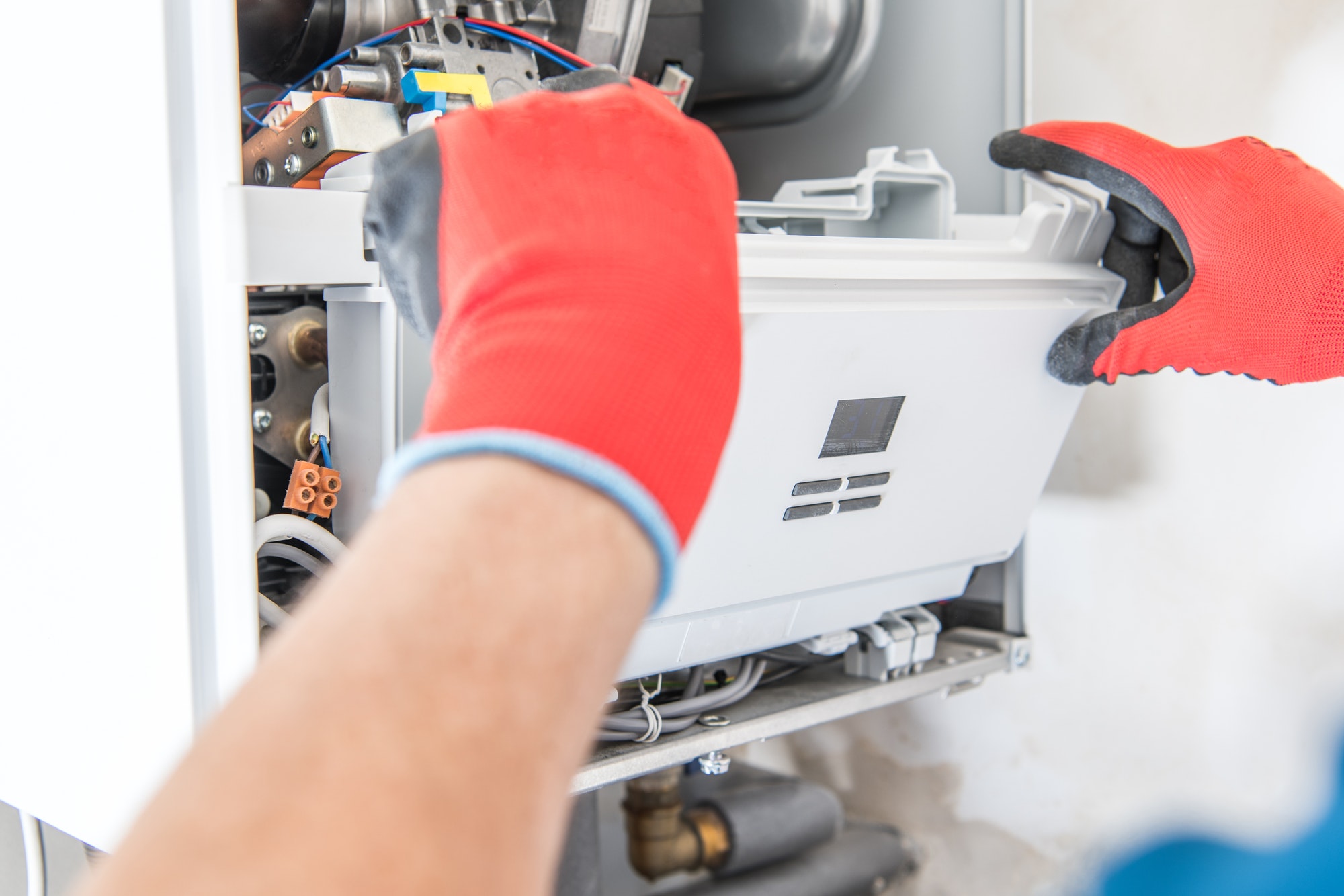
During a pre-winter checkup, a licensed HVAC technician typically performs a variety of tasks, including:
- Checking the thermostat: Ensuring it is calibrated correctly and functions properly.
- Replacing or cleaning air filters: Preventing dust and dirt from obstructing airflow.
- Inspecting the heat exchanger: Identifying cracks or other issues that could cause dangerous carbon monoxide leaks.
- Cleaning ducts and vents: Improving airflow and indoor air quality.
- Checking refrigerant levels: In the case of heat pumps, ensuring that the system can operate efficiently.
- Inspecting fuel lines: For gas or oil heaters, to ensure they are not leaking.
By proactively addressing these small issues, a heating system can operate smoothly throughout the winter months, reducing the risk of unexpected breakdowns.
2. The High Cost of Emergency Heating Repairs
Emergency repairs, on the other hand, typically occur when a heating system fails unexpectedly, often during the coldest part of the year. When this happens, homeowners find themselves scrambling for a solution, and they may be forced to pay premium prices for immediate repairs.
Why Emergency Repairs Are More Expensive
- Emergency Service Fees: Most HVAC companies charge extra for emergency services, especially during off-hours such as evenings, weekends, and holidays. These emergency fees can add anywhere from 50% to 100% to the cost of a standard service call.
- Unforeseen Issues: Emergency repairs are often needed when something goes wrong unexpectedly, such as a malfunctioning heat exchanger or a failed motor. Because the problem is not anticipated, the repair may require specialized parts or labor, which can further drive up the cost.
- Lack of Preparation: Unlike regular maintenance, which involves identifying problems before they become serious, emergency repairs are reactive. The homeowner may need to replace costly parts or the entire system, leading to substantial out-of-pocket expenses.
Real-Life Examples
- A typical furnace repair might cost $300 to $500 for a minor issue. However, if the heat exchanger or blower motor needs replacement, the cost could easily soar to $1,000 to $2,000 or more.
- An emergency repair performed on a weekend or holiday could result in additional charges for after-hours service, which can increase costs by 50% or more.
Emergency repairs can lead to much higher out-of-pocket expenses than simple preventative maintenance, especially if the problem is a major system failure.
3. How Pre-Winter Heating Checkups Help Prevent Costly Repairs
Regular maintenance offers substantial financial benefits, not only by improving efficiency but also by identifying potential issues before they become costly repairs. Below, we explore the financial advantages of pre-winter checkups:
Reduced Repair Costs
- By identifying small issues early, you can address them before they turn into major problems. For instance, cleaning the air ducts and replacing filters can prevent dust buildup that can lead to more serious issues like overheating.
- During a pre-winter checkup, an HVAC technician may notice early warning signs of system failure, such as worn-out belts or corroded pipes, and fix them before they cause a system-wide breakdown.
Lower Energy Bills
A well-maintained heating system uses less energy, which translates into lower utility bills. The U.S. Energy Information Administration reports that heating accounts for a significant portion of a home’s energy use, especially in colder climates. Regular maintenance ensures that your system is running at peak efficiency, which could result in a 10%–20% reduction in heating costs.
Avoiding Full System Replacement
One of the most expensive scenarios for a homeowner is needing to replace an entire heating system. While this might be necessary after many years of neglect, regular maintenance helps extend the lifespan of the system and delays the need for replacement.
4. What to Expect During Emergency Heating Repairs
While pre-winter checkups are designed to prevent problems, sometimes emergencies are unavoidable. Here’s what you can expect if you need an emergency repair:
Diagnostic Fees
Even before any work begins, HVAC companies often charge a diagnostic fee to assess the issue. This fee can range from $100 to $150, which is often applied toward the cost of repairs.
Labor and Parts Costs
Depending on the nature of the issue, repairs may require a combination of labor and parts. If a motor or heat exchanger needs replacement, the cost of parts can range from $200 to $1,000, plus labor costs, which typically range from $75 to $150 per hour.
Delays and Inconvenience
During winter, HVAC technicians are in high demand, which could lead to delays in getting repairs done. Emergency situations may also require temporary heating solutions, such as space heaters, which can further increase energy costs.
Conclusion: Which Is More Cost-Effective?
Ultimately, when comparing pre-winter heating checkups versus emergency repairs, the preemptive approach of regular maintenance comes out ahead. Not only does it help identify and fix minor problems before they escalate into costly emergencies, but it also improves the overall efficiency and lifespan of the system, providing long-term savings on energy bills and repair costs.
While emergency repairs are sometimes unavoidable, they tend to be more expensive due to diagnostic fees, parts, labor, and after-hours service charges. Homeowners who invest in routine maintenance can avoid the inconvenience and financial burden of emergency repairs.
Ensure a Cozy Winter with Superior Mechanical Services’ Pre-Winter Heating Checkup
Is your heating system ready to face the colder months? Superior Mechanical Services offers professional pre-winter heating checkups to ensure your home stays warm and energy-efficient all season long. Since 1948, we’ve been the trusted choice for reliable HVAC services in the San Francisco Bay Area, proudly serving Livermore, Dublin, and Pleasanton with unmatched expertise and dedication.
Our certified technicians specialize in thoroughly inspecting and fine-tuning your heating system to prevent unexpected breakdowns and maximize efficiency. From checking the furnace’s performance to cleaning components and identifying potential issues, we ensure your system operates at its best, keeping your home cozy and your energy bills under control.
Regular heating checkups can extend the lifespan of your equipment and provide peace of mind during winter’s chilliest days. Trust Superior Mechanical Services for a seamless, expert service experience. Contact us today to schedule your pre-winter heating checkup and enjoy uninterrupted warmth throughout the season!