How to Improve Furnace Efficiency and Lower Heating Bills
To help your furnace efficiency and heating bills, apply a combination of routine maintenance, strategic upgrades, and minor tweaks in your day-to-day behavior. Clean filters, check vents — and keep the area around your furnace clear to help the air move better. Take advantage of that hot air by dropping your thermostat a slightly cooler temp and sealing window gaps to trap in the heat. Consider replacing it with a new ENERGY STAR furnace or something even better-rated or supplementing it with a smart thermostat that adapts to your schedule. Even baby steps, like shutting doors to unoccupied rooms, can reduce wasted energy. When combined, they make for homes that are toasty warm for less cost and hassle. In this post, simple ways and obvious steps anyone can use to improve furnace efficiency and reduce heating bills.
Key Takeaways
- By instituting a maintenance schedule, replacing filters and cleaning vents regularly, you will have your furnace running as efficiently as possible and reduce the chances of an expensive repair.
- Sealing ducts and sealing leaks around windows and doors will help reduce heat loss and heating bills, regardless of where you live.
- Switching to programmable or smart thermostats enables you to fine-tune heating schedules, delivering impressive savings and personalized comfort for different members of your household.
- If you invest in quality insulation, weather stripping and energy-efficient window treatments, your thermal retention is going to be tremendous and your heating demand will be substantially lower.
- Determining the age, efficiency and repair costs of your existing furnace allows you to make intelligent decisions about when to upgrade for long-term savings and an improved environmental impact.
- Adding in alternative heat strategies like maximizing sunlight and maintaining your water heater compounds your energy efficiency and leads to a more sustainable home heating system.
Maximize Your Current Furnace
Keeping Your Furnace at Peak Efficiency is About More than Just Using a Little Care, some regular inspections and small fixes can all add up to a significant impact on both your energy bill and your comfort indoors. Here is a realistic roadmap for making the most of your current furnace, regardless of climate or building type.
- Book annual tune-ups with a licensed HVAC technician to keep your system running at peak performance and catch small issues before they lead to breakdowns.
- Check and replace air filters every 1–3 months, based on use and filter variety, as soiled filters are a prime cause of breakdown.
- Inspect and degrease burners for clean burning and proper operation.
- Search out duct leaks and seal with mastic or metal tape to keep heat in your home — not crawlspaces or attics.
- Caulk and weatherstripping around doors and windows will prevent heat loss and make your furnace work less.
- Clean vents and registers of dust, debris or blockages, and ensure furniture is not blocking airflow.
- Add a programmable or smart thermostat to sync heat with your schedule.
- Maintain relative humidity at 30% to 50% for comfort and improved furnace efficiency.
1. Regular Maintenance
Establish an annual furnace inspection regimen, even if it appears to be in good working order. Little burner or thermostat issues can be repaired before they escalate. Keep an ear open for new noises or strange smells, which can alert you to concealed problems. If your furnace is more than 15 years old, you might consider an upgrade for efficiency and safety reasons.
2. Filter Changes
Changing the filter is inexpensive, yet it rewards you with reduced bills and less repairs. Circle check it on the calendar every month during cold seasons. High-efficiency filters catch tinier particles, increasing air quality. Washable filters not only save you money in the long run, but reduce waste.
A filthy filter just makes your furnace work harder, wastes energy and cuts its life short. This easy monthly inspection keeps air flow robust and air pure.
3. Clear Vents
Blocked vents alter the heat distribution in your house. Inspect each vent for dust or debris. Use a vacuum to remove dust and maintain ventilation. If you notice damage around vents, repair it immediately to prevent leaks.
4. Ductwork Sealing
Leaky ducts lose heat before it arrives in your rooms. Seal cracks with mastic or metal tape for an easy victory. If you want the best bang, hire a pro for a full duct check.
A decrease in your energy bill is evidence your sealing is doing its job.
5. Combustion Check
Have a pro check combustion for safety and optimal burn. Clean the chamber and keep an eye out for carbon monoxide. These inspections catch issues early and protect your household.
Smart Temperature Control
Smart temperature control is a shortcut to improved furnace efficiency and reduced heating bills. With programmable and smart thermostats, users can optimize comfort, eliminate waste, and control heating with minimal effort. These systems keep indoor air and temperature steady, adapt to your routine, and conserve energy all year.
Thermostat Strategy
Maintaining a consistent temperature prevents energy usage spikes. A small lowering of the heating set point, even by 1–2°C, can translate to less work for the furnace and reduced bills. Others choose to maintain their home at 20°C in daytime, reducing this to 16°C at night.
Turning down your thermostat at night or when no one is at home is one of the simplest ways to save. Turning down your thermostat 8C before you go to bed or leave the house can slash heating bills, particularly if you have a consistent schedule. Most programmable thermostats have timer features to automate these changes, but some people skip out because they find the device baffling. If you educate yourself to schedule, you can experience up to 10% savings on annual heating expenses. Experiment with settings to find the sweet spot between comfort and efficiency, and review the energy reports if your thermostat provides them—most smart models offer feedback on a daily or monthly basis.
Zone Heating
Zone heating allows you to concentrate heat in the areas you use most. Heating only occupied rooms doesn’t allow wasted energy on empty spaces. It’s a good solution in a big house or an apartment with an unused room. Space heaters can assist rooms that feel chilly, do ensure they’re energy efficient and used safely. Closing doors to rooms you don’t use keeps heat where you want it, preventing cold air from circulating. For additional control, you can install zone valves or separate thermostats to each zone.
Fan Usage
Leaving the furnace fan running circulates warm air, so all your rooms are equally cozy. This is great for homes with some cool rooms and some warmer rooms. In winter, have ceiling fans rotate clockwise on low. This circulates the hot air that collects near the ceiling back into the room, which makes it feel warmer without increasing the thermostat. Adjust fan settings to suit your comfort.
Seasonal Adjustments
Check and reset thermostat settings each season. Follow how your home feels, and how much energy you use. Changing it as the weather changes just makes smart sense. Don’t forget to turn your water-heater thermostat down to 120 degrees to prevent waste.
Reduce Your Home’s Heat Loss
Of course, reducing heat loss is the surest path to furnace efficiency and savings on heating bills. Heat leaks out of homes through a set of standard Achilles heels. However, with some forethought you can minimize these losses.
- Seal air leaks in your walls, floors, ceilings, and around windows and doors.
- Install weather stripping to cut drafts.
- Upgrade insulation in attics, walls, and basements.
- Put up thermal curtains or shades on your windows to keep in heat.
- Employ window films to reflect heat back inside.
- Check for damaged or missing insulation and fix it.
- Keep curtains open during the day when it’s sunny and close them at night.
- Regularly assess and maintain all seals and insulation.
Insulation
Inspect attic, walls, and basement insulation for gaps or thin areas. Poor insulation allows heat to leak, forcing your furnace to overcompensate. Replace or add to your insulation with a higher R-value product for better retention, particularly in older homes that are typically without these advanced materials. Insulation can settle or become damaged over time, so it should be checked periodically. Sometimes, an expert can assist by employing thermal imaging to identify concealed vulnerabilities and recommend precise enhancements.
Air Leaks
Air leaks can cause massive heat loss! Cracks and holes in an average house are equal to having a window wide open – they leak as much as 33 percent of a home’s heat. Caulk or foam seal around windows, doors, and ducts. To test, hold a candle near the edges—any flicker indicates a leak. Repairing these with basic weatherstripping or caulk can reduce heating bills by as much as 10 percent and pay for itself in one season.
Window Treatments
The average curtain, when closed, blocks only approximately 10 percent of a rooms heat loss. Low-cost solutions, such as energy-efficient window treatments including thermal curtains or shades, provide an extra layer of insulation. Window Films can reflect heat back into the room, increasing efficiency. During the day, open curtains to let sunlight in, at night close them to retain heat.
When to Upgrade Your Furnace
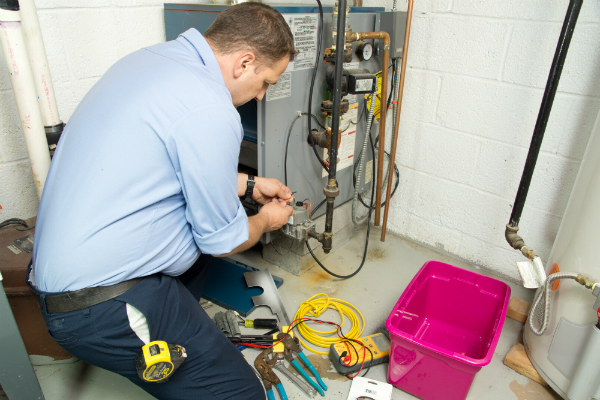
When to upgrade your furnace can mean a big difference in energy, safety, and expenses. It’s only by spotting signs of wear, tracking the unit’s age, and comparing new models that you can really choose wisely. Use this checklist to guide your decision: check furnace age, monitor repair needs, compare annual bills, note drops in performance, and check for carbon monoxide risks.
Age and Performance
Furnaces older than 15 years tend to experience an abrupt decline in efficiency. Which means they require additional energy to complete the work, driving your bills up in the process.
Constant repairs are an obvious red flag. When a unit breaks down often or needs new parts every season, it can be wiser to upgrade. If repairs are over half the cost of a new model, it’s generally best to replace.
Older units may not be installed correctly, issues that can hike bills as much as 30% and even drive deadly carbon monoxide into your home. Yearly tune – ups and regular filter changes assist, but they can’t repair age.
Efficiency Ratings
Opting for a high AFUE furnace results in huge savings. AFUE represents the efficiency at which a furnace converts fuel into heat. Higher ratings equate to less energy wasted and lower bills. Compare models below:
| Model Type | AFUE (%) | ENERGY STAR Certified |
| Standard Gas Furnace | 80–85 | No |
| High-Efficiency Gas | 90–98.6 | Yes |
| Modern Electric | 95–99 | Yes |
Check for the ENERGY STAR labels–they ensure powerful efficiency and reduced emissions. High-efficiency models reduce your carbon footprint.
Long-Term Value
The up-front price is important, but the long-term value is more important. Here’s a quick breakdown:
| Option | Upfront Cost | Yearly Energy Cost | Warranty/Service |
| Repair Old Unit | Low–Medium | High | None |
| New High-Eff Unit | Medium–High | Low | Often included |
A new furnace usually has a warranty and great service coverage, which provides peace of mind. These models increase home resale value and save the planet by consuming less energy.
Beyond the Furnace Itself
Heating efficiencies extend beyond the furnace itself. From optimizing connecting systems to making use of the home’s features and integrating sustainable energy, all can reduce costs and increase comfort.
Water Heater
A well-maintained water heater prevents wasteful energy consumption. Sediment buildup and faulty valves can make your unit work harder, wasting power and money. Annual inspections from a professional catches leaks or failing components before they cause more significant loss.
Insulating your water heater and any exposed pipes helps to minimize heat loss. It’s an easy, cheap step that can have a real impact, particularly when pipes snake their way through un-insulated, unheated spaces. For a lot of families, they’re dumping their hot water down the drain with old, inefficient shower heads — and paying more for it.
By setting the water heater to keep water around 49°C, it is able to stay hot without consuming excess power. Too high settings can scald and be energy wasters. Periodic screening guarantees reliable, sustainable function, identifying problems that may otherwise remain hidden.
Appliance Heat
Ovens, clothes dryers and even dishwashers radiate heat. Utilizing these during the chilly months, particularly in the evening, can bring warmth to living spaces. Smart strategies — like baking dinner when the house is at its coolest — help supplement the furnace without overwhelming it.
Try to not run heat producing appliances during peak heating times, or you could overheat rooms and waste energy. Always ventilate–gas stoves and the like needs it to maintain healthy indoor air. Keeping tabs on which appliances consume the most energy can demonstrate where to trim consumption — and save cash.
Natural Sunlight
Sunlight is gratis heat. Open blinds or curtains during the sunniest hours to let the sun warm rooms. This passive heating can reduce the demand on your furnace.
Positioning mirrors adjacent to windows reflects light into dimmer corners, radiating warmth. White curtains soak up more sun than dark! Nice landscaping — like trimming trees in winter — allows more sun to hit windows. Combined, these small adjustments really add up.
Renewable Energy
Topping solar panels or solar water heaters can trim heating bills and emissions. New systems operate in all climates, and state and federal rebates are the norm. For well-insulated, well-weather stripped homes, these solutions take heat use to its maximum and may even allow you to sell extra energy back to the grid.
The Future of Home Heating
Home heating is heading to cleaner and smarter ways to work. Consumers want low-energy systems that provide more control and operate well into the future. Fresh tools and concepts are transforming the future of home heating, with an emphasis on cost-savings, reducing emissions, and minimizing environmental impact.
Keeping current on heating technology is crucial. Most homes have older furnaces that are burning more fuel than necessary. Newer models, such as condensing gas furnaces, are both more efficient and reduce waste. Heat pumps have gained popularity as they don’t require fossil fuels and perform efficiently in various climates. They can heat and cool homes and frequently integrate with solar panels. Rebates or tax credits are available in many areas, making these systems more affordable.
Smart home technology helps reduce overall energy use. Smart thermostats allow users to schedule and adjust temperatures from a phone or computer. These systems can learn household routines, detect occupancy, and reduce energy usage. Readers often report noticeable savings within months. Even in older homes, sealing and insulating ducts can increase system efficiency by up to 20 percent.
Sustainable heating is an expanding field. Solar heating systems can convert panels into hot water or warm air. Heat pumps extract heat from the air or ground, using less energy than traditional systems. Many homeowners now combine solar and heat pumps for enhanced efficiency and reduced environmental impact. In sunny climates, solar can further lower costs when used alongside other systems.
Some are exploring communal heating, where multiple homes share one large heat source. This approach, often used in multi-unit housing developments, minimizes maintenance and can take advantage of waste heat or renewable sources.
Conclusion
Heating furnace efficiency and reducing heat bills require specific actions. Clean your furnace, replace dirty filters, and seal gaps. Employ a smart thermostat to have rooms warmed only when necessary. Insulate those walls and seal those door/window cracks so less heat escapes. If your furnace clings to its age, trade it for a top-rated model. Consider solar panels or heat pumps for additional savings. Each repair delivers an actual impact you can notice on your statement. Experiment with little tweaks today, and see what you save over time. Win with others and help grow a smart, warm home for all. For tips or questions leave a comment or visit the blog.
Frequently Asked Questions
1. How can I make my furnace work more efficiently?
Just clean or replace filters, annual tune-ups, and vent de-cluttering. They make your furnace run smoother, more efficiently and last longer.
2. What temperature should I set my thermostat for savings?
Aim for 18–20°C at home and turn down your thermostat at night or when you’re away to save on heating costs without sacrificing comfort.
3. How can I prevent heat from escaping my home?
Seal windows and doors, insulate and close curtains at night. That way you keep that warm air in, and take the pressure off your furnace.
4. When is it time to replace my furnace?
Swap out your furnace if it’s been around more than 15 years, is constantly in the shop or your energy bills continue to climb. New ones are way more efficient.
5. Are smart thermostats worth installing?
Indeed, smart thermostats assist in regulating your heating routine, cutting energy consumption and bills by learning to automatically adjust temperatures according to your behavior.
6. What else can reduce heating bills besides upgrading my furnace?
Run ceiling fans to push that warm air around, insulate your water pipes and pile on the sweaters. Little modifications such as these can assist you to conserve energy and cash.
7. How will home heating change in the future?
Look forward to more efficient heat pumps, renewable energy and smarter home controls. These innovations seek to reduce costs and environmental impact across the globe.
Stay Warm and Worry-Free with Expert Furnace Repair & Installation from Superior Mechanical Services
Is your furnace making unusual noises, struggling to heat your home evenly, or not turning on at all? Don’t wait for the chill to take over—Superior Mechanical Services, Inc. is ready to step in with expert furnace repair and installation services that keep your home warm and efficient.
Since 1948, families and businesses have trusted us to restore comfort with reliable, long-lasting solutions. Whether you need a quick repair, a full furnace replacement, or expert guidance on upgrading your system, our certified technicians are known for precision, professionalism, and outstanding service.
Timely furnace repair not only gets your heat back fast—it also helps you avoid bigger issues, lower your energy bills, and extend the life of your system. And when it’s time for a new installation, we’ll make sure it’s done right the first time.
Call today to schedule your furnace repair or installation. With over 70 years of experience, Superior Mechanical Services delivers fast, dependable, and affordable heating solutions. Reliable warmth starts here.