How To Choose The Perfect Multi-Zone Ductless System For Your Home Or Business
Key Takeaways
- Multi-zone ductless systems offer flexible temperature control for different areas, making them ideal for homes and businesses with diverse heating and cooling needs.
- Compared to conventional HVAC systems, multi-zone ductless systems provide superior energy savings, greater customization of the indoor environment, and lower utility bills.
- Reliant features such as inverter technology and advanced filtration help deliver even temperatures, reduced sound, and enhanced indoor air quality.
- Proper planning, including evaluating room layouts, calculating cooling capacities, and considering climate conditions, is essential for selecting the right system.
- That means advanced, professional installation and regular maintenance are your keys to ensuring optimal performance, energy savings, and prolonged system lifespan.
- Researching brands, warranties, and emerging technologies like smart home integrations can help you make an informed decision when choosing a system.
Choosing the perfect multi-zone ductless system for your home or business depends on factors like space size, layout, and energy needs. These systems allow you to control temperatures in different areas separately, making them a practical choice for improving comfort and efficiency.
Understanding the number of zones required, the square footage each unit will cover, and the system’s energy rating can help narrow down your options. Multi-zone ductless systems are ideal for individual rooms with varying cooling or heating needs.
Commercial enterprises can benefit from tailored comfort in any office, lobby, or work area. To ensure you choose the right multi-zone ductless system, consider the installation and maintenance needs.
What Is A Multi-Zone System?
A mini split system provides highly accurate temperature control, utilizing energy more efficiently to heat and cool different areas, or “zones,” in your home or business. Each zone is controlled separately, giving you complete authority over your indoor environment to meet the demands of different spaces.
For instance, one zone might consist of a bedroom that the homeowner wants to keep a little cooler, while another, such as a home office, is kept a bit warmer. This adaptability makes zone heat pump systems a perfect option in environments with varying comfort levels.
Unlike traditional HVAC systems that often rely on a single thermostat to control the entire building, multi-zone systems offer more adaptability. They are made of one condensing outdoor unit that’s refrigerant-piped to multiple indoor units.
These indoor units can be strategically placed in individual rooms or central locations in open-concept spaces to ensure superior air distribution. Typical multi-zone mini split systems can accommodate from two to five indoor units, with some systems supporting up to eight indoor units, all powered by a single outdoor condenser.
This arrangement minimizes the need for extensive ductwork, preserving space and simplifying the installation process. The key components of a multi-zone system include the outdoor compressor, indoor air handlers, and the refrigerant lines connecting them.
Benefits Of Multi-Zone Systems
Multi-zone systems can prove incredibly advantageous for commercial or residential spaces alike. Flexible and efficient, they are the ideal solution to keep indoor climates comfortable. These systems are designed to deliver tailored comfort by allowing independent temperature control in separate zones, ensuring each area meets specific needs.
It can be difficult to control such a large office, or a three-story house, for example. Luckily, multi-zone systems offer the flexibility and efficiency ideal for numerous layouts and building types.
Energy Efficiency Advantages
From an energy optimization standpoint, multi-zone systems do a much better job than traditional HVAC systems. Unlike ducted systems, which often waste up to 80% of energy due to leaks, ductless systems directly target specific areas, reducing waste.
Take, for instance, Mitsubishi Electric’s INVERTER-driven compressors, which increase or decrease energy consumption to keep you at your preferred temperature without using more energy than necessary. Choosing replacement units with the highest SEER2 ratings further increases your savings.
These systems are better for the environment, too, which is a good reason to explore these more carbon-friendly alternatives.
Enhanced Comfort Features
These systems let each room maintain its temperature preferences to avoid typical discomforts such as hot or cold spots. Moreover, features like programmable thermostats further enhance convenience by allowing you to set temperatures in advance according to when you’ll be using each space.
Carrier’s advanced technology ensures accurate climate control right where you need it. This aspect allows you to create a tailored indoor space to help maximize your comfort benefits.
Improved Indoor Air Quality
Bypassing extensive ductwork, a common source of air contamination, ductless mini-splits help improve indoor air quality by reducing the presence of dust and allergens. Advanced filtration options, available in many mini split systems, actively purify the air, ensuring optimal comfort in your indoor environment.
Potential Cost Savings
The financial benefits of investing in ductless systems are long-term. Along with energy rebates available through the Inflation Reduction Act, reduced utility bills with these systems make them extremely affordable.
A quality multi-zone system, such as one from Mitsubishi Electric, delivers comfort and energy efficiency, resulting in long-term added value.
Assess Your Heating/Cooling Needs
Figuring out what you need from your new multi-zone ductless system is the first step in making a smart choice. This involves evaluating factors like room usage, space design, and local climate to ensure the system meets your comfort requirements efficiently.
Consider creating a checklist or map of zones and their specific needs to get a good baseline plan started.
1. Determine Your Zone Requirements
How many zones should I have? The answer to this question is determined by just that—how your home or business is utilized. Bedrooms, offices, or even kitchens may need to be controlled independently.
Besides the comfort benefits, this improves efficiency and energy costs. For example, a home with four bedrooms, an open living area, and a basement may need separate zones for each space. Evaluating the space is key.
Larger, more open areas can often share a space, while smaller, enclosed areas are more effective with individualized control.
2. Evaluate Space Requirements
Precise measurements of each room are paramount to achieving proper unit sizing. For example, measure the space’s length, width, and height to estimate cubic footage.
Planning for airflow is also crucial. Consider the placement of furniture and the design of rooms to allow for optimal airflow. Identify every room requiring heating/cooling—this helps make sure no space gets forgotten when it comes time to plan the installation.
3. Calculate Cooling Capacity Needed
Cooling capacity is measured through BTU ratings. Rooms with higher ceilings or sun exposure will require more BTUs.
For maximum accuracy, hire an HVAC contractor to do a Manual J calculation to ensure unit capacity is compatible with room size.
4. Consider Climate And Weather
Local weather has a huge impact on how well any system performs. Homes in very hot, very humid areas will require more cooling capacity.
Seasonal temperature changes come into play. Systems need to be able to address both summer heat and winter cold effectively.
5. Prioritize Energy Efficiency Metrics (SEER, HSPF)
The higher the SEER and HSPF ratings, the more efficient the unit is. A system with a high SEER can use 30% less energy, saving you dollar after dollar on your bills.
Use energy calculators to compare models and find the best balance between upfront cost and long-term savings.
Key Factors For System Selection
The key to selecting the best mini split system is knowing your installation requirements, comparing system capabilities, and focusing on long-term value. Consider factors for split installation to maximize efficiency, comfort, and cost savings. There are numerous options ranging from single-zone mini split systems to whole house multi-zone systems.
Room Layouts And Zoning Influence
Given that room layouts are of great importance in determining the efficiency of a multi-zone system, large, open spaces may require fewer indoor units.
Conversely, homes with closed-off rooms or multiple levels benefit from more precise zoning. Careful placement of indoor units determines how the airflow will be distributed and helps achieve a comfortable, even temperature throughout the space.
For example, installing a unit above a bedroom window allows occupants to take full advantage of heated and cooled air at low density. Architectural features such as vaulted ceilings or large windows affect airflow and may need to be considered as part of the zoning decision.
Residential VS. Commercial Performance
Second, the performance requirements for residential and commercial buildings are fundamentally different. Expectations and designs for homes generally need systems that are built for the occasional use of a home.
Conversely, companies need systems built for around-the-clock use. Such systems need to control broader spaces yet provide increased BTU ratings and airflow capacities. Tailored solutions, such as GREE’s flexibility with unit designs, enable solutions that can perform optimally across various landscapes.
Advanced Controls And Smart Integrations
Smart thermostats and other remote controls offer ease-of-use and improved energy-management capabilities. According to Utilities for the Future, smart systems with timers and programmable settings can help you reduce energy use by up to 30%.
Integration potential with other automation systems, like lighting or security, makes the customization options even deeper for both residential and commercial spaces.
Evaluate Noise Levels
Comfort is another critical factor. Quiet operation is typically very important, especially in a residential setting.
Look up sound ratings and read online consumer reviews to get real-world impressions. Mitsubishi Electric’s most reliable solutions provide whisper-quiet operation, making them a good fit for bedrooms or quiet office spaces.
Installation And Maintenance
Choosing the perfect mini split system for multi-zone heating and cooling goes beyond selecting a model. It requires proper split installation and consistent maintenance to ensure efficiency and longevity. Sloppy installation or failure to keep up with maintenance can lead to costly ductwork and lost performance down the line.
Professional Installation Is Key
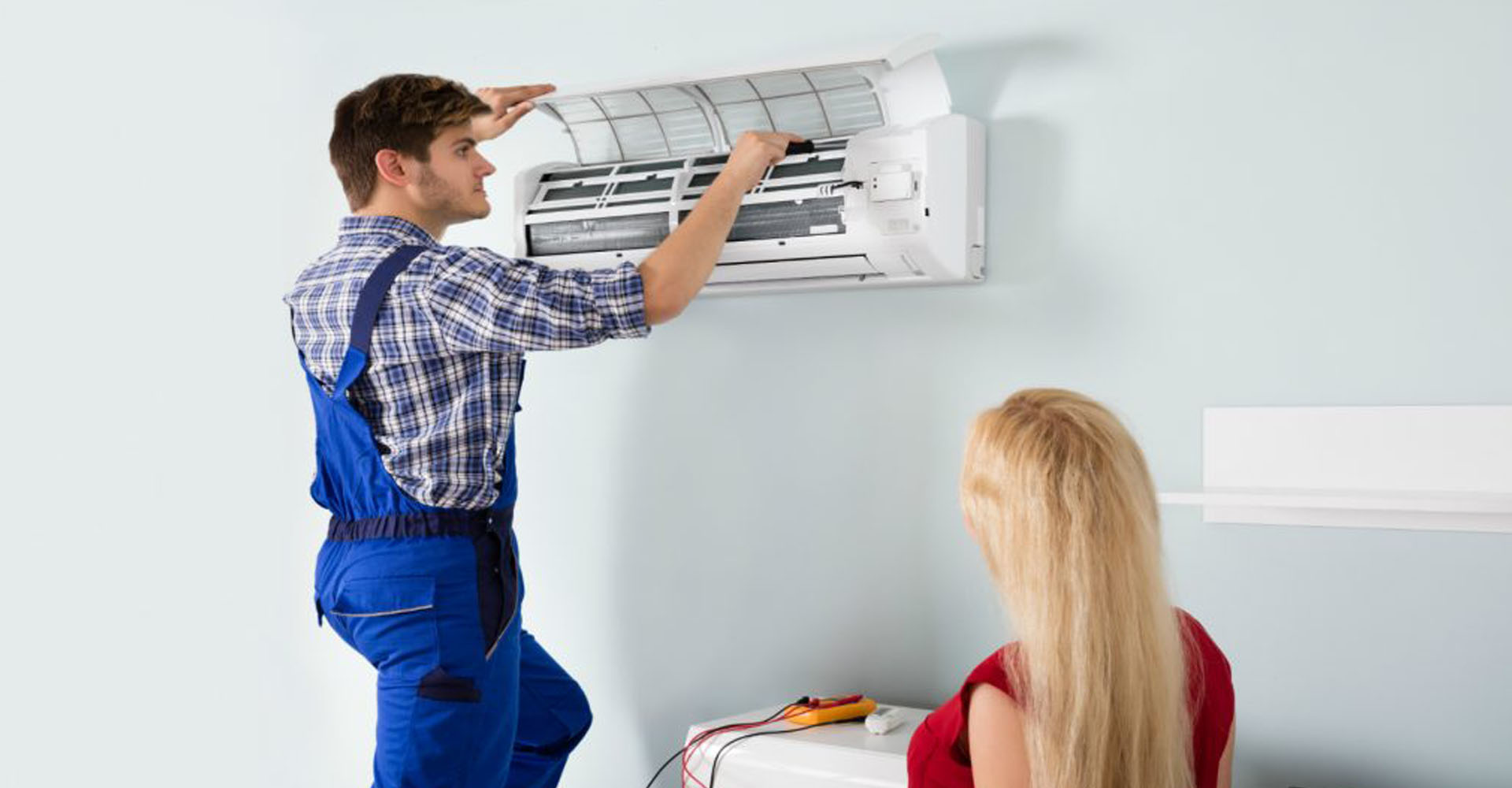
Hiring a licensed HVAC contractor is key to ensuring your new system performs at its peak. Proper installation is crucial. Certified professionals know how to place the right-sized indoor and outdoor units in the optimal locations to produce even, steady airflow while maximizing energy efficiency.
DIY installations may seem cost-effective but can lead to issues, like refrigerant line leaks or improper electrical connections, which can cost hundreds to fix. Professional installers can quickly and easily hook up complicated, multi-stage systems. For multi-zone systems, they can precisely wire up to four indoor air handlers to a single outdoor unit.
Routine Maintenance Matters
If done incorrectly, fruits and vegetables can quickly degrade and mold within a week of harvest. Similarly, neglecting your system can lead to significant issues. Make sure to clean or replace your filters every one to two months to avoid internal debris buildup. This will help your system perform properly and prevent stress.
Annual professional maintenance, which is much less expensive than emergency repairs, helps guarantee that refrigerant levels are adjusted properly and that all components are running efficiently and smoothly. If you don’t prioritize thorough cleaning, you’re jeopardizing immediate efficiency loss and future expensive repairs.
Refrigerant Line Considerations
Refrigerant lines are essential to the mini split system’s ability to move heat efficiently. Proper sizing and split installation fundamentally shape system performance and energy use, ensuring optimal comfort and preventing future issues like leaks or uneven cooling.
Addressing Installation Challenges
Physical space limitations and installation challenges frequently complicate split installations. Designing in advance, such as ensuring mini split systems and lines are developed in accessible areas, prevents future time lag and extra expense.

Financial Considerations
Both upfront expenses and long-term savings come into play when you are considering how to spend your budget on a mini split system. Every cost element is designed to ensure the system delivers incredible value.
Upfront Costs: Purchase & Installation
While the upfront cost for a ductless system can be daunting, often $1,000 to $4,500 per unit, depending on size and efficiency, installation cost varies from $500 to $2,000. If your installation is intricate, you might require additional labor or equipment, driving the total cost even higher.
Things such as how many zones from the heat pump, size of desired units, and brand play a huge role in pricing. To prevent sticker shock, it’s essential to obtain itemized quotes from several different installers. These estimates need to cover the cost of equipment, labor, and additional fees.
Find out if you qualify for financing, including low-interest loans or payment plans. These decisions allow you to reduce upfront costs, dramatically increasing the accessibility of the system.
Long-Term Energy Savings Potential
Improved energy efficiency is one of the most powerful financial advantages of ductless systems. Units with high SEER ratings help save energy—30% or more—lowering monthly utility bills.
Consumers are usually surprised by the cost savings when a household with a central AC system replaces it with a ductless setup. Most homeowners see these savings in the first year. Eventually, these savings can pay back the up-front costs.
Continuing to monitor energy bills after installation will give you the best picture of your system’s impact and find additional optimizations.
Understanding Rebates And Incentives
Most states and utility providers provide financial incentives, like rebates or grants, for energy-efficient improvements. These include:
- Federal tax credits for eco-friendly systems
- State-specific rebates for high-efficiency equipment
- Utility company discounts or bill credits
Learning about programs in your area will help you to claim all the benefits you’re entitled to. Double check for eligibility before you buy to not end up disappointed.
Evaluate Brands And Models
Selecting the ideal mini split system for your home requires not just broad stroke considerations, but a deep dive into the brands and models available. Not all mini split systems are equal. By learning the strengths of major manufacturers and comparing features, warranties, and customer reviews, you can find the best options for your needs.
Comparing System Features
As you evaluate brands, stick to reliable brands such as Mitsubishi Electric, LG, Daikin, and Fujitsu. Throughout North America, Mitsubishi Electric is known for its dependable, durable systems. Their top-of-the-line unit features include Hyper-Heating INVERTER (H2i) technology, which provides heating even in subzero temperatures.
LG shines with a similar 12-year warranty and flexible models. Panasonic offers more rudimentary systems that don’t prioritize smart connectivity as much. In comparison, most other brands embed smartphone control and sync right up with Nest and Alexa.
Consider Warranty And Support
A good warranty will make or break the deal. Of the majors, Mitsubishi Electric and LG have some of the best, with 12-year parts warranties. This delivers critical peace of mind, particularly for systems that must invest in large capital projects.
Look out for local rebates—Mitsubishi and LG systems usually qualify for utility incentives that cover upfront costs. Consistent support from manufacturers or local dealers is just as critical. Make sure the terms are understandable, including parts, labor, and future replacement requirements.
Read Customer Testimonials
Customer reviews and testimonials can provide key performance insights you won’t read in marketing materials. Consumer reviews paint a picture of real-world concerns, such as installation difficulties or durability after years of use.
For example, one common complaint about window AC units and a common benefit of ductless systems is their steadier dehumidification performance. Beyond checking online reviews, reach out to friends or family members who have experience with these systems and get their unbiased feedback.
Emerging Technologies And Innovations
When deciding on a mini split system for a multi-zone ductless setup, it’s important to know the innovations driving the industry. Today’s ductless HVAC systems utilize cutting-edge technologies to enhance energy efficiency, making mini split systems a smart choice for optimal comfort in both residential and commercial applications.
Smart Home Integration
Today’s ductless systems are compatible with all major smart home platforms, for added convenience and remote operation via smartphone or tablet. For example, you can change the temperature or fan speed while on the go, so you return to a perfect environment.
Voice-activated assistants, such as Amazon Alexa or Google Assistant, take that usability even a step further, enabling hands-free control and adjustment. Beyond offering incredible convenience, this compatibility smartly maximizes energy savings by adjusting the thermostat’s settings to fit your lifestyle.
Advanced Filtration Systems
Indoor air quality is an increasing priority, and the need for improved filtration solutions directly confronts this issue. Most newer systems are equipped with HEPA filters, which trap allergens, dust, and pollutants, helping to improve our indoor environments.
These units take cleaning to the next level with multi-stage filtration, with particle filters and odor-reducing layers working together for thorough air cleaning. Prioritizing filtration performance is especially important in areas with high pollen or poor air quality, ensuring both comfort and wellness.
Eco-Friendly Refrigerants
Sustainability has no doubt inspired advances in ductless systems, including a move to more sustainable refrigerants such as R-32. These low-GWP (Global Warming Potential) options minimize ecological impact without sacrificing quality or performance.
By working with systems that put green refrigerants first, you’re doing your part to create a greener tomorrow—all while maintaining top-tier efficiency. Today’s systems take advantage of innovative inverter technology, reducing energy waste and increasing climate control by allowing a variable-speed compressor to constantly adapt to demand.
Conclusion
Choosing the right multi-zone ductless system takes a clear look at your needs, space, and budget. It’s about finding a setup that keeps every corner comfortable without wasting energy or money. By weighing factors like room size, system efficiency, and maintenance ease, you can pick a solution that fits your home or business perfectly. Exploring trusted brands and staying informed on new tech can help you get the best value.
Enhance Comfort With Reliable Ductless Systems From Superior Mechanical Services
Are inefficient cooling and heating solutions affecting your comfort? When it comes to achieving personalized comfort and energy efficiency, trust Superior Mechanical Services, Inc. to provide top-quality ductless systems tailored to your needs. Since 1948, we have been the go-to experts for residential and commercial HVAC solutions, including advanced ductless systems.
Our certified technicians specialize in designing and installing high-performance ductless systems that offer efficient, zoned comfort without the need for invasive ductwork. From thorough consultations to flawless installations, we ensure your system provides superior temperature control and improved indoor air quality.
Don’t settle for outdated HVAC solutions—contact us today to explore the benefits of ductless systems. With over 70 years of experience, Superior Mechanical Services is dedicated to keeping your home or business comfortable and energy-efficient year-round. Your satisfaction is our top priority!
________________________________________________________________________