How Seasonal HVAC Prep Can Lower Your Energy Bills
Seasonal HVAC prep can lower your energy bills by ensuring that your system runs efficiently through consistent inspections and straightforward maintenance. Clogged, dusty heating and cooling units drain more power and cost you more every month. Seasonal HVAC prep, which includes cleaning filters, checking ducts, and repairing leaks before each season, helps keep air circulating properly and allows the system to operate more efficiently. Even minor tasks such as vent clearing or installing a smart thermostat can provide actual savings and increased comfort at home or in the office. For most, these actions translate to fewer repairs, an extended life for the system, and less waste. In this post, discover how consistent, simple HVAC prep can reduce your annual energy bills with the help of Superior Mechanical Services.
Key Takeaways
- Seasonal HVAC prep can save you significant energy because it returns your system to its peak-efficient condition and prevents waste.
- Consistent care not only prolongs your HVAC system’s life and reduces unexpected breakdowns but also boosts your living environment’s comfort and air purity.
- Simple tasks like cleaning filters, calibrating controls, and inspecting ductwork can be handled by homeowners. Entrust more complicated inspections to licensed professionals like Superior Mechanical Services.
- Failing to perform seasonal HVAC prep can cause compounding issues with your system, degraded air quality, increased repair costs, and even voided equipment warranties.
- Incorporating smart thermostats and checking your home’s insulation and ductwork integrity takes your system’s efficiency to the next level and helps ensure you are managing energy sustainably.
- Pre-season professional visits from Superior Mechanical Services get your tune-ups in before the rush, prevent costly breakdowns, and keep your HVAC system efficient and safe.
Why Seasonal Prep Matters
Seasonal HVAC maintenance is more than just routine tasks, but it’s an essential step to conserve energy and lower your bills while ensuring comfort in your home throughout the year. By engaging in seasonal care for your system, you ensure that it operates smoothly and efficiently, which not only enhances HVAC efficiency but also minimizes waste. These checks go beyond mere comfort, but they are crucial for maintaining an efficient HVAC system that reduces energy costs.
A well-maintained HVAC system does more than just regulate temperature, and it also cleans the air and balances humidity levels, contributing to a healthier indoor environment. By performing routine HVAC inspections, such as cleaning or replacing filters and clearing ducts, you can eliminate dust and allergens, potentially trimming your energy consumption by 15 percent, leading to significant energy savings.
| Benefit | Description |
| Cleaner Air | Removes dust, allergens, and microbes from indoor air |
| Less Energy Waste | Clean filters and ducts mean less energy is needed to heat or cool the air |
| Better Health | Reducing indoor pollutants helps avoid allergies and breathing problems |
| Stable Humidity | Balanced moisture limits mold growth and keeps rooms comfortable |
Beyond Basic Inspections
Seasonal prep is more than just saving money, and it enhances your indoor environment by improving ventilation and ensuring consistent comfort. With seasonal HVAC maintenance, you’ll experience fewer breakdowns, reducing the likelihood of last-minute repairs during extreme weather. Regular maintenance, including routine HVAC inspections, helps detect issues early, allowing for minor repairs instead of costly disasters. A tuned-up HVAC system runs at peak efficiency, maximizing energy efficiency and minimizing waste, ultimately leading to a more comfortable year.
A Financial Strategy
- Routine upkeep prevents minor problems from escalating into costly major fixes and extends the lifespan of machinery.
- A small commitment to seasonal prep, such as inspecting and replacing filters, lubricating moving parts, and making sure coils are clean, keeps your system from breaking down and extends its life by years.
- Service plans distribute costs and keep systems tuned, so you sidestep surprise bills and save in the long run.
- Seasonal prep keeps your system running right, minimizes annual energy costs, and prevents surprise bills.
Unit Longevity
Seasonal prep is important because it involves routine HVAC maintenance that helps you catch wear or malfunctions before they escalate. Well-cared-for HVAC systems can run for well over a decade, but disregarded units lose efficiency and break down substantially earlier. Seasonal maintenance is crucial as it ensures your HVAC equipment remains clean and balanced, preventing costly repairs. By adhering to a routine HVAC check, you can extend the equipment’s life and enhance service from one of your home’s most vital systems.
How HVAC Prep Lowers Energy Bills
Well-timed seasonal HVAC maintenance and routine HVAC checks can significantly reduce energy bills, as HVAC units account for nearly 18 percent of most homes’ energy consumption patterns.
1. Restoring Efficiency
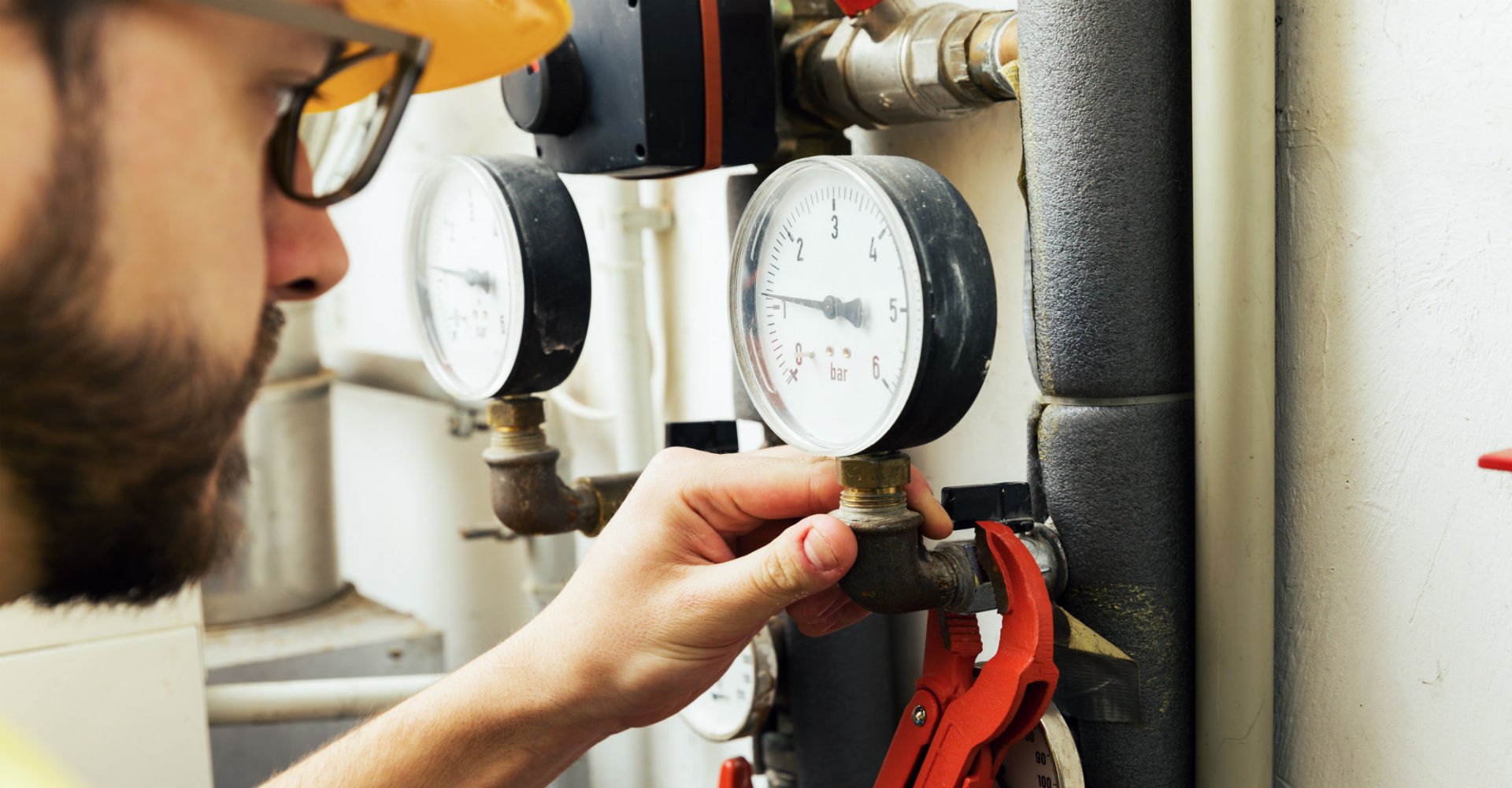
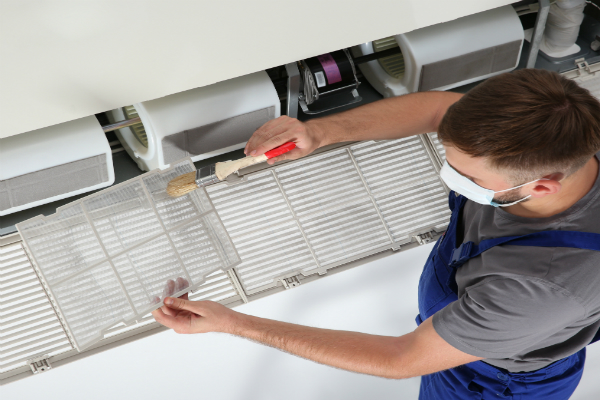
Basic things, such as swapping out air filters every 1 to 3 months, keep air flowing efficiently and prevent the blower from overworking. Regular maintenance, like cleaning coils and outdoor units as part of seasonal HVAC maintenance, allows the unit to transfer heat more easily, significantly reducing energy consumption patterns. Additionally, checking refrigerant levels ensures the system cools effectively. If the refrigerant is low, the system must operate longer to reach the desired temperature, which leads to increased energy costs every hour it runs. Implementing a seasonal care plan can enhance HVAC efficiency and lower your monthly bills.
2. Preventing Waste
Seasonal prep is crucial for effective seasonal HVAC maintenance, helping to identify and resolve issues that drain energy. Duct leaks and blockages lead to the loss of conditioned air, forcing your HVAC system to work harder and more frequently. Smart thermostats can mitigate this waste by adjusting settings automatically based on occupancy. Additionally, humidity control plays a significant role, and a sticky environment causes the system to labor more, resulting in higher energy costs. These proactive maintenance steps prevent the system from running at full tilt unnecessarily.
3. Calibrating Controls
To maintain accuracy, routine HVAC maintenance for thermostats is crucial. If they’re off, it could lead to overheating or overcooling, resulting in wasted energy. By tuning controls to the weather each season, your unit only operates when necessary, enhancing HVAC efficiency. Smart thermostats can even adapt to your routines, minimizing energy consumption during low-use periods, ensuring the system aligns with actual, live patterns rather than just static settings.
4. Optimizing Airflow
Even air flow is essential for maintaining an efficient HVAC system, comfort, and energy savings. Seasonal HVAC maintenance, including airflow checks, can uncover unseen blockages and imbalances in ducts, leading to more uniform heating or cooling and reduced energy consumption. By ensuring a clean HVAC system through routine ductwork inspections, you promote optimal airflow, allowing your system to operate more efficiently and cycle less frequently.
5. Ensuring Safety
Proactive seasonal HVAC maintenance inspections can identify dangers like carbon monoxide leaks and fatigued components that might fail. Ensuring proper ventilation is crucial for indoor air quality. Small fixes during routine HVAC check-ups prevent major failures and dangerous conditions, ultimately enhancing energy efficiency and system performance.
Critical Maintenance Tasks
Seasonal HVAC maintenance is a smart strategy for any homeowner aiming to keep energy bills manageable while ensuring a comfortable indoor environment year-round. Understanding the responsibilities of homeowners versus professionals is crucial for effective routine HVAC check and maintenance, enhancing overall HVAC system performance.
- Replace or wash air filters every 1 to 3 months to avoid clogging and sustain air flow.
- Wipe or hose off outdoor condenser coils and clear debris around the unit.
- Ensure vents and registers are unobstructed by furniture or dust.
- Inspect thermostat settings and replace batteries if needed.
- Inspect exposed ductwork for leaks and seal minor holes with mastic-approved tape.
- Listen for strange noises and record any shifts in system efficiency.
The Professional Touch
Authorized HVAC technicians are essential for routine HVAC maintenance. Their mechanical and electrical skills are well beyond the ordinary, allowing them to perform crucial tasks like checking refrigerant levels and looking for leaks. Low refrigerant can cause the system to work harder, increasing energy costs. Technicians also test and calibrate thermostats for accuracy, ensuring the system responds appropriately to temperature fluctuations. These critical maintenance tasks enable our technicians to inspect and tighten electrical connections, reducing the risk of faults or fire. By lubricating moving parts and examining belts, motors, and blowers, they help maintain an efficient HVAC system. A professional should clean evaporator coils since dust buildup can hinder energy efficiency. Scheduled tune-ups in spring or fall are vital for preparing the system for seasonal demands, decreasing the likelihood of breakdowns during extreme weather, and helping avoid costly repairs. These visits also confirm your system meets safety standards, which is crucial for maintaining a comfortable indoor environment.
The Homeowner Role
Homeowners are your frontline against system inefficiency, making seasonal HVAC maintenance essential. Swapping out air filters is an easy yet crucial step that enhances airflow and safeguards your hardware. Remember to check filters monthly and replace them every 1 to 3 months or sooner in dusty conditions. Key tasks to watch out for include monitoring system operation and performing a routine HVAC inspection. Listen for clicking, rattling noises, or unusual smells and contact a professional if anything changes. Additionally, perform critical maintenance tasks, such as sweeping leaves from the outside unit and adjusting vents for summer or winter. Mapping out a seasonal maintenance calendar ensures you don’t miss a thing, helping to lower energy costs and extend equipment life.
Hidden Expenses From Skipping HVAC Care
Ignoring seasonal HVAC maintenance is more than a comfort issue, but neglected systems can lead to costly repairs and increased energy consumption, impacting your wallet and well-being.
- Little issues, if left, fester into big failures and costly fixes.
- Neglected maintenance results in canceled warranties, which means you are on the hook.
- Neglect drops your indoor air quality and impacts comfort and health.
- Neglecting servicing results in increased energy consumption, which raises your monthly bills.
- Emergency repairs are more expensive than regular inspections and can disrupt the day.
Compounding Problems
A small problem, such as a clogged drain line or dirty air filter, may seem inconsequential at first. Unchecked, these minor malfunctions can stress the system’s compressor, blower motor, or refrigerant circuits. Eventually, this stress can significantly reduce the HVAC equipment’s lifespan and lead to costly repairs. Typical repair costs can escalate quickly, with refrigerant leaks ranging between $200 and $1,500 and compressor failures costing between $1,200 and $3,000. Even something as basic as a clogged drain line can incur costs of $75 to $250 per occurrence.
Routine HVAC maintenance and observation can catch these issues before they escalate. By monitoring system performance, you can detect declines in energy efficiency or unusual sounds early, allowing for immediate action. Timely preventive maintenance, such as cleaning coils and changing filters, helps maintain an efficient HVAC system. Neglecting these tasks can lead to increased energy consumption by as much as 15 percent and shorten the system’s lifespan from 15 to 20 years down to just 8 to 10 years.
Voided Warranties
Most warranties require evidence of regular service to remain in effect. Miss even one annual check-up and you risk losing coverage for big repairs. It’s smart to track maintenance visits, receipts, and technician notes. That way, if the system crashes, you have what you need for a claim.
Let your maintenance schedule lapse, even by a few months, and these protections can be voided. Check your warranty terms for the precise service intervals and services. Certain contracts require you to change the filters every couple of months and have a professional inspection every year. These steps keep your coverage secure.
Degraded Air Quality
Dust, pollen, and mold can accumulate quickly in a neglected HVAC unit. This accumulation wafts through vents, causing indoor air to be more difficult to breathe, particularly for allergy and asthma sufferers. Changing filters and cleaning ducts are simple solutions, but they make a huge difference.
That humidity control matters. Excess humidity allows mold and dust mites to flourish. Low humidity causes dry skin and airways. By checking and cleaning coils, sealing ducts, and replacing air filters regularly, you reduce allergens and keep the air fresh. Duct cleaning once every few years keeps airborne junk under control, making you feel better and healthier.
Your Home’s Entire System
Seasonal HVAC maintenance goes beyond just the system itself, and your home’s entire HVAC equipment, including ductwork, insulation, and controls, significantly impacts energy efficiency and comfort. Routine HVAC check-ups in spring and fall keep everything running smoothly, preventing breakdowns and reducing costly repairs while potentially lowering energy consumption by 15 percent. Frequent filter replacements, ideally every 3 months or less in dusty regions, assist airflow and enhance the extended equipment life. Proactive maintenance means fewer mid-season failures and a longer lifespan for your system.
Ductwork Condition
Well-designed ductwork is the backbone of HVAC performance. Leaks, cracks, or loose joints allow hot or cold air to escape before it even makes it to your rooms, wasting all of that energy. Most homes have ducts that leak up to 30% of the air moved. This causes your HVAC to work harder and longer, which not only increases bills but also wears parts out as well.
Seal joints and holes with the right materials, not just tape, to prevent leaks. Even small cracks add up to big expenses. A professional inspection uncovers lurking issues, and a regular cleaning regimen prevents dust and mold from degrading the indoor air quality. Ducts ought to be sized and laid out specifically for your HVAC. Bad design, such as sharp bends or long runs, restricts air and causes the system to overwork. A thoughtfully designed, clean, and sealed duct system is essential for keeping every room comfortable and your energy bills down.
Home Insulation
- Begin by inspecting attics, walls, floors, and windows for fragile openings. Check for drafts, minimal insulation, or aged materials that have just stopped working.
- Good insulation keeps outdoor air out and indoor air in. This restricts the amount of time your HVAC has to run to maintain even temperatures. Well-insulated homes experience more consistent comfort and less energy consumption throughout the year.
- Plan insulation upgrades if you discover deficiencies. Work with a pro to select the proper kind and quantity for your climate. It’s a one-time cost, but one that pays off in both slashing bills and reducing strain on your HVAC.
Smart Climate Control
Smart thermostats allow you to optimize HVAC configurations and reduce waste. Schedule them for different times, such as lower at night or when away and higher when home, corresponding with actual needs. They compensate for the season and help you avoid heating or cooling empty rooms.
Tap their data features to map trends and identify opportunities for additional savings. Some units even notify you when filters should be changed or if the system is malfunctioning. Investing in a smart thermostat puts more control in your hands, saves you money, and promotes a cozy, efficient home.
When To Schedule Service
There’s a noticeable difference in comfort and on my monthly bills when I’m proactive with timing my seasonal HVAC maintenance. Scheduling service ahead of peak seasons not only ensures everything is running well but also lessens the chance of expensive breakdowns when you need heating or cooling the most. Superior Mechanical Services tells us that you should schedule professional HVAC maintenance twice a year, once in the spring, before the summer heat kicks in, and again in the fall, before things get cold. These visits allow technicians to identify and correct any potential issues well before minor issues turn into major, costly repairs.
| Season | Optimal Service Timing | Primary Focus |
| Spring | March-May | Full system check before summer heat |
| Fall | September-November | Furnace/heat pump prep for cold months |
| Mid-Season | As needed | Additional check-up after a fall |
It’s clever to book spring service as part of your routine HVAC check. Whether executed in the months of March, April, or May, technicians can inspect for leaks, worn components, and test the cooling cycle. This early prep means the system is primed to endure those long, hot days with less strain, reducing the chance of emergency repairs when technicians are in high demand. In the fall, a furnace or heat pump check-up is just as essential. Tackled between September and November, it guarantees safe and reliable warmth throughout the winter. Missing this means big bills and unexpected blowups just as the chill hits.
Regular filter changes factor in quite a bit. Swapping out or cleaning your air filters every one to three months or every 30 days in pet-friendly or overly dusty homes helps keep air flowing well and prevents your system from overexerting itself. This small step is one of the simplest ways to maintain energy efficiency and support good airflow.
Being proactive, setting reminders, booking visits before demand peaks, and not waiting for the system to fail does a lot to help stretch budgets and keep living spaces cozy in every season.
Conclusion
Seasonal HVAC prep keeps bills down and helps your system last longer. Clean filters, clear vents, and regular checkups all combine to reduce your energy consumption. Little things like sealing leaks or replacing old thermostats reduce waste. If you skip these steps, you’re paying more in bills and adding wear and tear to your equipment. By scheduling checkups ahead of significant weather swings, you keep your home comfortable and expenses under control. Even the easy fixes add up as the months go by. Save money, run your system with less hassle, and have consistent comfort all year. For additional tips or to share your own story, leave a comment or visit the blog for more easy guides.
Frequently Asked Questions
1. What Is Seasonal HVAC Prep?
Seasonal HVAC maintenance involves preparing your heating and cooling system for weather changes through routine HVAC checks, cleanings, and inspections, ensuring your system operates efficiently throughout the year.
2. How Does HVAC Prep Lower Energy Bills?
To ensure your HVAC system runs efficiently and keeps your energy bills low, implementing routine HVAC maintenance is essential. Clean and well-maintained HVAC equipment uses less energy, which lowers your monthly bills and extends the equipment’s life.
3. When Should I Schedule HVAC Maintenance?
Ideally, you should schedule your seasonal HVAC maintenance twice a year, once before the summer months and again before the heating season. This proactive maintenance ensures your HVAC system performs well during temperature extremes.
4. What Are The Most Important HVAC Maintenance Tasks?
Key tasks include changing air filters, performing routine HVAC checks, cleaning ducts, and inspecting system parts for wear or leaks to ensure optimal HVAC system performance.
5. What Happens If I Skip Regular HVAC Prep?
Without seasonal HVAC maintenance, you risk excessive energy consumption, expensive repairs, and even system failure. Routine HVAC check keeps these issues at bay and saves you money in the long run.
Get Your Building Ready for Warmer Days with Spring HVAC Maintenance from Superior Mechanical Services, Inc.
As temperatures begin to rise, your HVAC system shifts into a new season of demand. If it hasn’t been inspected or serviced since winter, small issues can turn into costly breakdowns just when you need cooling the most. Superior Mechanical Services, Inc. helps businesses prepare for spring with thorough HVAC maintenance that keeps systems running efficiently, reliably, and safely.
When your system isn’t properly maintained, energy bills climb, airflow becomes inconsistent, and wear and tear accelerate. Our spring HVAC maintenance service includes a detailed inspection of components, testing system performance, checking refrigerant levels, cleaning coils, replacing filters, inspecting electrical connections, and ensuring thermostats and controls are calibrated correctly. We look for early warning signs so you can address minor concerns before they disrupt your operations.
Businesses across the Bay Area have trusted Superior Mechanical Services, Inc. since 1948 for dependable service and straightforward guidance. If your building experiences uneven temperatures, strange noises, rising utility costs, or reduced airflow, our certified technicians will pinpoint the cause and recommend practical solutions. You receive clear explanations and transparent pricing, allowing you to move forward with confidence.
Proactive spring maintenance improves system efficiency, extends equipment lifespan, and reduces the risk of emergency repairs during peak cooling months. It also helps create a more comfortable work environment for employees and customers alike.
Schedule your Spring HVAC Maintenance with Superior Mechanical Services, Inc. today. With over 70 years of experience, our team helps Bay Area businesses stay prepared, comfortable, and energy-efficient all season long.
Disclaimer:
The information provided in this article is for general informational and educational purposes only and is not intended as medical, legal, engineering, or professional advice. While every effort is made to ensure the accuracy and reliability of the content, indoor air quality regulations, building codes, and health recommendations may vary by location and change over time. Readers should consult qualified professionals, including HVAC specialists, occupational health experts, building engineers, or medical providers, before making decisions related to air quality systems, workplace safety, or health concerns. The publisher assumes no responsibility or liability for errors, omissions, or outcomes resulting from the use of this information.
______________________________________________________________________