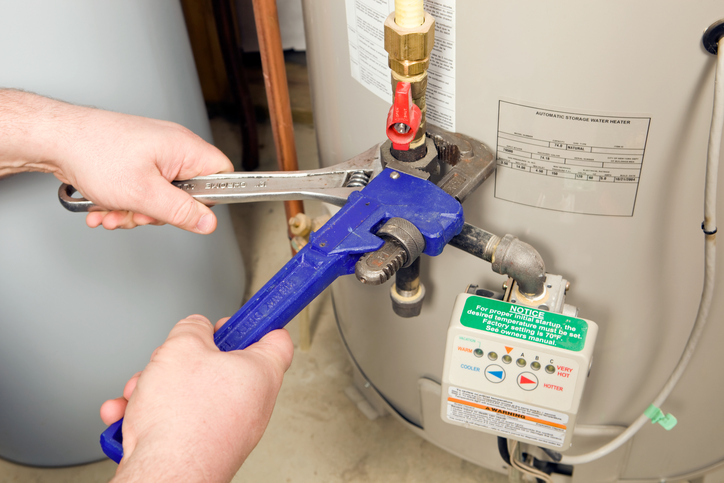
How Often Should Businesses Schedule Commercial Plumbing Maintenance?
Therefore, businesses need to plan commercial plumbing maintenance at least annually to maintain systems in prime condition and detect issues ahead of time. For high water use locations, such as restaurants or hotels, semi-annual visits are a wise choice. Routine inspections identify leaks, clogs, and degraded components before they generate significant problems or downtime. Most companies deploy checklists for all pipes, drains, and fixtures so that nothing is missed. With clean pipes and working fixtures, businesses can reduce water bills and prevent unexpected, expensive repairs. To keep matters fluid, many owners maintain a service call and repair log. The heart of this post provides straightforward steps to build a robust maintenance schedule for any business.
Key Takeaways
- Tailor commercial plumbing maintenance schedules based on factors like building age, system complexity, and usage intensity to address specific business requirements and reduce potential hazards.
- Schedule routine, quarterly and annual inspections with thorough checklists to identify leaks, clogs and system inefficiencies early — avoiding expensive emergencies.
- Conduct a risk assessment to identify plumbing vulnerabilities, prioritize high-risk areas, and create a proactive maintenance plan that evolves with operational changes.
- Keep in mind that maintenance is an investment that saves you a lot of money in the long run, keeps you away from inconvenient repairs, and helps keep your business running smoothly.
- Cultivate employee education and reporting systems to catch plumbing problems early, arming staff with the tools to assist in preventive maintenance.
- Tackle and troubleshoot common plumbing issues such as clogging, leaks, water pressure and backflow immediately, applying technology and staff awareness to preserve a reliable system.
Determine Your Maintenance Frequency
Commercial plumbing upkeep requires a customized strategy. There’s no one schedule that’s right for every business, because every building, system and usage pattern is different. Routine checkups are the basis for a preemptive schedule, but how often to maintain depends on the particulars of your property—for example: age, system complexity, intensity of use, even climate. Pre-season checks help tackle weather-driven risks and keep systems dependable year-round. Below are the main factors to consider:
Building Age
Older buildings tend to require more frequent plumbing check-ups. As pipes get older, rust, corrosion and leaks can develop. Neglecting these problems can result in more costly repairs. Setting regular inspection times—quarterly or semi-annually—to identify these issues makes sure they’re caught early, before they create downtime or damage. Old pipes, particularly if they’re galvanized steel or lead, might require either special attention or replacement to pass current safety standards. Newer buildings with modern piping may need less frequent checks, but should not be overlooked.
Usage Intensity
The frequency with which plumbing is utilized determines its maintenance requirements. In high traffic environments, such as restaurants or gyms, faucets have a shorter lifespan and drains clog sooner. Busy bathrooms could require daily care, and restaurant kitchen drains get flushed once a month, due to the extensive food waste. For office or retail spaces with lower usage, yearly cleaning might suffice. Keep tabs on when your plumbing is being used the most, and schedule additional maintenance around these spikes. Seasonal shifts—more visitors in summer, holiday rushes—should inspire additional care.
System Complexity
A system with lots of fixtures, long pipe runs or specialized equipment requires a more comprehensive plan. Sketching the system helps locate key points—such as backflow preventers, shut-off valves and water heaters—that require periodic inspection. Complex configurations may require specialist attention and additional time for every survey. Everything, from main lines to small drains, needs to be included in the plan. Things like annual flushing of water heaters and checking anode rods can extend system life.
Business Type
Different industries require different schedules. If you own a food service business, monthly drain cleaning and regular inspections need to be your top priority to prevent health code violations. Healthcare sites need quarterly inspections and rigorous documentation to comply. Retail stores can usually skate by with year inspections unless an increase in use or a problem is discovered. Think about how a plumbing failure might impact customers or your daily operations.
Local Conditions
The local climate plays a role. Wet climates can put a strain on drains come spring and summer. Local water quality—i.e., hard water—can impact scaling in pipes and heaters, necessitating more frequent attention. Local codes may establish inspection intervals or minimum standards that you must comply with.
A Proactive Maintenance Checklist
A proactive maintenance checklist provides businesses with a roadmap to maintain plumbing systems efficiently and reduce expensive failures. This checklist organizes work into daily checks, quarterly tasks and annual inspections, each with its own steps and areas of emphasis.
Routine Checks
Inspect all faucets, toilets and drains for leaks, drips and strange noises. Early indicators such as sluggish drains or water stains indicate wear that requires swift repairs. Keep an eye on sink drains, shower drains and floor drains every day for potential clogging or slow drainage.
Test backflow prevention devices to ensure they are up to safety codes and prevent water from flowing backward, posing a health and safety risk. Water pressure needs to be checked weekly to catch spikes or drops that can damage pipes and fixtures. Clean faucet aerators and shower heads to prevent build-up and maintain proper flow.
Record each check in logs, noting changes or recurring issues. Once a month, inspect any exposed pipes for rust, leaks or wet spots. These logs assist identifying trends and schedule repairs prior to larger problems begin.
Quarterly Tasks
Plan drain cleaning each quarter to keep drains free-flowing and prevent the accumulation that results in blockages. Don’t forget sump pumps if your business uses them, because they prevent flooding and water damage. Check water heaters for rust, leaks, and odd noises–all indicators that repairs or new parts may be necessary.
Replace aging valves and washers to prevent unexpected drips or system damage. If you run a commercial kitchen, there are some additional check-ups—inspect grease traps and dish washers to avoid clogs and keep things flowing during the rush.
Annual Inspections
Schedule a comprehensive plumbing check-up annually. Get licensed plumbers to do a comprehensive sweep, from main supply lines to obscured pipework. They can catch unseen leaks, test backflow devices and inspect the entire system for vulnerabilities.
Record all discoveries and fixes from your year-in-review. It provides assistance with future planning and demonstrates trends in wear and usage. Repair problems immediately to avoid larger fixes down the road, and adapt the checklist annually to account for system age, usage, and updated codes.
Assess Your Plumbing Risk
Business plumbing upkeep goes beyond the basics, it’s a smart science that begins with knowing your systems weaknesses, your business consequences, and your customized risk management approach. No two businesses are the same, so maintenance schedules need to suit actual demands, usage rates and local regulations.
Identify Vulnerabilities
| Vulnerability Category | Assessment Method | Example Indicators |
| Pipe Corrosion | Visual Inspection, Water Test | Rust, discoloration, low pressure |
| Fixture Wear | Manual Testing, Leak Checks | Drips, loose handles, water stains |
| Pressure Fluctuations | Pressure Gauge Readings | Below 40 or above 60 psi |
| Hidden Leaks | Professional Leak Detection | Damp spots, mold, high water bills |
Plumbing maps make it easier to see where pipes go, spot high-risk areas, and plan checks without missing hidden lines. Pipes and fixtures need a close look every month for early signs of damage or corrosion—often caused by age, water chemicals, or oxygen levels in the water. Checking for leaks, odd noises, or smells each day helps catch problems before they grow. Sometimes, expert plumbers spot things that aren’t visible—like slow leaks inside walls—using specialized tools.
Evaluate Impact
When plumbing goes, business grinds to a halt. A blocked drain might close a kitchen, or a leak might close a retail store and lose sales. Bad plumbing bangs customer faith when bathrooms or faucets don’t function. Repairs are expensive, and water damage equates to costly repairs or wasted product. Plumbing leaks present health hazards, such as mold or contaminated water, particularly at venues that handle food or provide services to vulnerable populations. High-risk repairs should lead the list whereas routine fixes can hold if the impact is low.
Create a Plan
An effective strategy begins with what’s most vulnerable. Place your regular inspections on the oldest or most-used pipes and fixtures. Arrange for these checks during times that won’t interfere with business—perhaps early morning or late evening. Teach employees to notice drips or strange noises and to report it as soon as possible. Revisit the plan when business booms, water bans bite or new regulations kick in. Staying on top of plumbing together keeps small things from becoming big things.
The Financial Case for Maintenance
Regular plumbing maintenance molds business expenses in both direct and indirect ways. Upfront, scheduled maintenance is easier on your wallet than the stress and cost of crisis repairs. Companies that make a proactive role see dividends not just in their books, but in their day-to-day constancy, equipment durability, and operational viability.
Proactive Costs
Routine plumbing maintenance includes inspections, cleaning, leak checks, and minor part replacements. These projects are straightforward and simple to cost. For a small to medium commercial facility, annual maintenance is often between €500 and €1,500, depending on system complexity and country. These regular expenses seem insignificant when compared to the €5,000–€20,000+ a business might endure if a significant pipe ruptures or an unexpected sewer backup occurs.
| Maintenance Approach | Typical Annual Cost | Potential Emergency Cost | Long-Term Savings (Estimate) |
| Proactive | €500–€1,500 | €1,000–€3,000 | 12–18% on repairs |
| Reactive | €0 upfront | €5,000–€20,000+ | — |
Outside of repair expenses, prevention yields water bill savings. A business that attends to leaks promptly–sometimes no more complex than swapping out a faulty valve–can reduce consumption by thousands of litres every month. For each euro invested in preventive work, it returns 5 times that much (€1 of maintenance today avoids €5 of repair tomorrow). Maintenance is not merely a cost, it’s a guard against unexpected costs.
Reactive Expenses
Emergency repairs are not only expensive—they’re disruptive. One burst pipe could close a retail shop for days — losing income and eroding trust. Unplanned downtime — which can devour up to 20% of a company’s productive capacity, causing billions in losses globally every year. When we ignore our plumbing, little leaks become huge floods and the cost of repair skyrockets. For example, water damage insurance claims are the second most common in the US, after wind and hail. Taking care of little things when they’re small isn’t merely smart, it’s vital for cost control and business continuity.
Long-Term Value
A well-maintained plumbing system adds value by keeping your day-to-day functioning smooth. Routine inspections imply fewer shocks and reduced danger of unexpected failure. Well maintained properties sell for higher prices and lease up more quickly. Over time, the savings from reduced breakdowns, utility expenses and insurance claims accumulate. When calculating ROI, use the formula: ROI (%) = (Estimated Savings/Preventive Maintenance Costs) x 100. The figures reveal that even small precautionary measures yield big dividends in both security and in savings.
Beyond the Pipes
Commercial plumbing maintenance is more than just unclogging drains and patching leaks. It’s a comprehensive procedure that involves employees, transparent reporting, and awareness throughout the building. Commercial properties that address this in a proactive, custom nature—tailored to their specific plumbing needs and usage—are more likely to avoid expensive failures and run efficiently.
Staff Training
Educating employees to identify and report plumbing problems is key. One lost, hidden leak can not only squander thousands of litres of water, but cause overwhelming repair bills. Educating your employees on frequent red flags—such as slow draining sinks or banging pipes—can go a long way to spotting issues before they become major. Certain facilities, like restaurants, require monthly drain cleaning because of high usage, while office buildings might only need it annually. Employees who understand the fundamental plumbing vocabulary and minimal servicing – like inspecting exposed pipe joints – can provide useful assistance in the intervals between expert evaluations.
Making sure you have easy, straightforward guides or quick-reference cards about plumbing 101 boosts staff confidence. This enables them to identify and address problems before they become larger. When they know that sewer issues are a top reason for insurance claims, they take more pride in caring for the facility. Hands-on care usually translates to less downtime and more consistent operations.
Reporting Protocols
A transparent reporting system is essential for rapid reaction. Employees should have a direct line to who to call when a pipe bursts or toilet overflows. Companies can establish a centralized point of contact, such as a facility manager or maintenance helpline. Forms or digital reporting tools simplify documenting issues, tracking response times and following up on unresolved tasks.
Reevaluating these protocols regularly keeps them useful. For facilities with older clay or cast iron pipes, reporting systems should flag recurring issues such as root intrusion or corrosion. Feedback from past issues can help you avoid a rerun. Efficient reporting accelerates repairs and allows businesses to anticipate future needs and minimize their environmental impact.
Occupant Awareness
Tenants are a big part of plumbing maintenance. By increasing awareness around the need for working plumbing, everyone will be more likely to report leaks or clogs immediately. Hanging signs near sinks and bathrooms telling people what NOT to flush or drain can help avoid preventable clogs.
Sharing straightforward educational materials—such as brief videos or infographics—can assist staff and tenants in grasping how their activities impact the system. Turning maintenance into a team effort fosters a culture where everyone keeps an eye out for minor issues before they multiply. When all chip in, expensive emergencies are less prone to occur and the facility operates more efficiently.
Common Commercial Plumbing Issues
Commercial plumbing issues can interrupt operations, impact customer experience, and cause expensive damage if ignored. Recognizing these issues ahead of time and knowing how to deal with them is crucial to business continuity and staying within health code. The following are common plumbing problems and their significance for businesses:
- Blocked drains and toilets stink and bring things to a grinding halt.
- Leaks and drips drive up water bills and result in expensive water damage.
- Burst pipes or sewer backups can shut down your business for repairs.
- Water pressure fluctuations impact equipment performance and user comfort.
- Backflow events threaten water safety and regulatory compliance.
Dealing with these issues quickly keeps damage from snowballing, minimizes loss and safeguards your business’ reputation. Your staff should be aware of the tell-tale signs—slow drains, strange sounds, water spots or shift in water pressure. A comprehensive checklist, covering inspection of exposed piping, leak detection, and fixture testing, assists conduct periodic inspections.
Clogs and Blockages
- Use drain strainers to catch debris.
- Schedule routine cleaning of high-use drains.
- Avoid flushing items like paper towels or sanitary products.
- Train staff to report slow drainage right away.
- Employ enzymatic drain cleaners for preventive care.
Staff training on how not to flush/pour down sinks reduces blockages. Be on the lookout for sluggish sinks or toilets — particularly in power-used restrooms. Blockages, unless addressed early, can lead to stinky odors and business closures. Proactive cleaning and quick reporting stave off major headaches.
Leaks and Drips
- Inspect visible pipes and fixtures for moisture or corrosion.
- If you catch a leak, turn the water off and call a professional.
- Employ acoustic or infrared leak detection equipment for concealed leaks.
- Document all repairs for future reference.
A small leak may result in huge amounts of wasted water and covert structural damage. Quick fixes prevent loss and larger repair costs down the line. Leak logs help identify patterns and recurring problems.
Backflow Problems
Test and inspect backflow preventers regularly. Employees should know that backflow can contaminate water to cause sickness. A backflow maintenance plan keeps compliance – and safety – in check. Funky smells or bad water could definitely indicate a backflow problem requiring immediate care.
Conclusion
To maintain business pipes in shape, regular inspections play a significant role. Leaks, slow drains and antiquated parts bog down operations and chew through budgets quickly. Most sites do well with twice-yearly checks. Busy kitchens, gyms, and health centers might require more. Plumbing risk increases with aging pipes or previous flooding. A schedule prevents major issues and controls expenses. Employees who detect drips or strange odors assist repair minor issues fast. Proper plumbing keeps work flowing smoothly and safely for everyone. To find out what’s best, consult a trusted plumber. A little care now prevents major repairs later. Post your own advice or questions on staying plumbing tough—let others benefit from real solutions.
Frequently Asked Questions
1. How often should businesses schedule commercial plumbing maintenance?
For the majority of businesses, commercial plumbing maintenance should be scheduled every 6 to 12 months. Modify this frequency according to building size, use, and previous plumbing issues.
2. What are the benefits of regular commercial plumbing maintenance?
It keeps expensive repairs at bay, minimizes water waste, and maximizes the lifespan of your plumbing system. It promotes business continuity by reducing surprise interruptions.
3. What should be included in a commercial plumbing maintenance checklist?
Your checklist should include leak detection, pipe inspections, drain cleaning, water heater maintenance, and backflow prevention device checks. It’s best to follow the advice of a licensed plumber for a tailored plan.
4. How can businesses assess their plumbing risk?
To determine risk, examine the age of your building and its usage, any previous issues with plumbing, and what type of piping was installed. Older or heavily used systems are exposed to greater risks and might require more frequent inspections.
5. What are common signs of commercial plumbing issues?
Most popular symptoms are sluggish drains, weird sounds, water spots, diminished water pressure, and unexpected spikes in your water costs. Catch it early to prevent major issues.
6. How does plumbing maintenance save money for businesses?
Preventive maintenance catches minor problems before they turn into costly repairs. It helps prevent water damage and downtime — saving your business money in the process.
7. Can plumbing problems affect more than just the pipes?
Of course, plumbing issues can cause property damage, mold health hazards, and business disruptions. Preventive maintenance protects your business on more than one front.
Keep Your Home Flowing Smoothly With Expert Plumbing Services From Superior Mechanical Services
Are leaky pipes, clogged drains, or water pressure problems disrupting your day? Don’t let small plumbing issues turn into costly emergencies. Superior Mechanical Services, Inc. is here with expert plumbing services that keep your home or business safe, efficient, and worry-free.
Since 1948, families and businesses have trusted us for reliable, long-lasting solutions. Whether you need a quick repair, preventive maintenance, or a major plumbing upgrade, our certified technicians deliver precision, professionalism, and clear communication.
Timely plumbing service helps prevent water damage, reduce utility bills, and extend the life of your system. From water heater repairs and replacements to pipe installations and leak detection, we handle every job with the right tools and expertise the first time.
Call today to schedule plumbing service or request an estimate. With over 70 years of experience, Superior Mechanical Services provides fast, dependable, and affordable plumbing solutions across the East Bay. Reliable service starts here.