How Much Does AC Installation Cost in the East Bay in 2025?
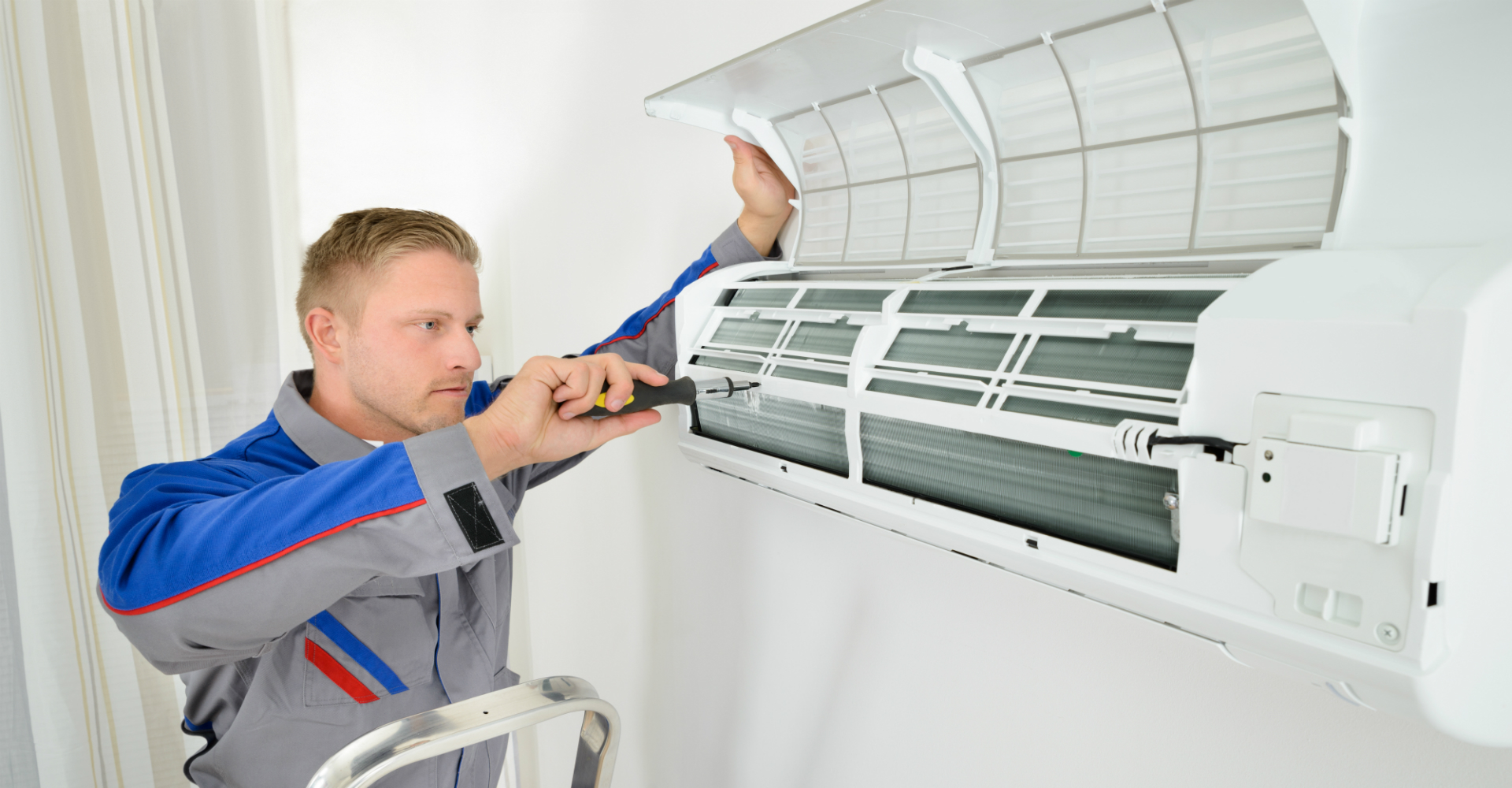
AC installation in the East Bay can vary widely in cost depending on several factors, including the type of system, the complexity of the home, and any necessary upgrades. Labor often makes up a significant portion of the expense, especially in homes with outdated wiring or layout challenges. Energy regulations and building codes also play a role in shaping overall pricing. Most contractors offer free estimates that break down the work and costs. The following sections explain what influences installation pricing and what homeowners can expect during the process.
Key Takeaways
- AC installation costs in the East Bay for 2025 vary widely based on system type, home layout, and the current state of ductwork, making professional assessments essential for accurate estimates.
- Central air, ductless mini-splits and heat pumps all have their advantages and cost, and energy efficiency as well as savings over time are a crucial consideration.
- Prices are seasonal – if you can schedule your installation during the off season in your area, you’ll typically pay a lower price and have more contractors to choose from.
- Surprise fees around permits, electrical upgrades, and old unit removal can drive up the final cost, emphasizing the importance of detailed quotes and thoughtful budgeting.
- By investing in high-efficiency systems and proper installation, homeowners can enjoy improved comfort and air quality, as well as increased property value and reduced environmental impact over time.
- By looking for rebates, shopping for quotes, and considering financing or service bundles, you can bring down the total cost of AC installation and get the most value for your dollar.
2025 East Bay AC Installation Costs
2025 East Bay AC Installation Costs can vary considerably by system type, size of home, and local market factors. Prices for homeowners usually run between $3,500 and $7,500 for standard installs, with high-efficiency or multi-zone systems in the $9,000 to $15,000+ range. Seasonal demand Summer is a peak demand period that drives prices upward, whereas winter and early spring are usually less expensive times to install. Other factors are permitting fees ($100 to 500), ductwork upgrades and electrical work. The table below summarizes cost estimates by system type:
| System Type | Typical Cost Range (USD) | High-Efficiency/Complex (USD) |
| Central Air | 5,000 – 9,000 | 9,000 – 15,000+ |
| Ductless Mini-Split | 4,500 – 8,000 | 8,000 – 13,000 |
| Heat Pump | 5,000 – 10,000 | 10,000 – 16,000 |
Central Air
Central air systems cost more up front primarily because of ductwork, size and labor requirements. A standard central air installation for a 150 sqm home can cost anywhere between USD 5,000-9,000. It gets more expensive with bigger homes, tricky layouts, or if you upgrade ductwork.
For larger homes, central air provides even cooling and is efficient for whole-home climate control. In smaller spaces, the installation and operating cost may not be worth it against alternatives.
Complications come with older homes needing duct upgrades, or electrical tweaks. These add-ons can tack $2,000 or more onto the total bill.
Continued upkeep is crucial, with yearly check-ups coming in at roughly USD 150 to 300. This keeps efficiency up and system life extended.
Ductless Mini-Splits
Mini-splits are popular for energy-saving features. They sidestep duct losses and modular install makes them ideal for renovations or additions.
Installations typically range from $4,500 to 8,000. It costs more if you require multiple indoor units for zoned cooling.
Room-by-room control allows users to cool only occupied spaces, conserving energy. This flexibility is attractive to tech-minded homeowners seeking reduced bills.
Some local and state programs provide rebates, particularly for energy-efficient types. Savings could help cancel out some of the initial expense.
Heat Pumps
A heat pump extracts heat in the winter to heat the home. This double duty takes the place of AC and heater units.
Heat bomb installs cost more up front, generally $5,000 to $10,000, but can exceed $16,000 for tricky multi-zone setups or luxury models.
Over time, owners enjoy lower energy bills — the unit’s maximum efficiency is a gift in mild climates. It pays off with lower annual costs.
Heat pumps consume less energy, resulting in lower emissions – especially when paired with renewable energy sources – making them a more sustainable option than traditional AC units.
Market Trends
Summer installs cost more due to demand.
Labor rates are higher in denser cities.
Tech upgrades increase prices.
Permits and utility fees change by city.
What Drives Your Final Price?
Various technical and contextual elements influence your final price for AC installation in East Bay in 2025. Every factor — from system size to home specifics — can impact both upfront and ongoing costs. Knowing these pieces enables buyers to match comfort, budget and efficiency for their particular situation.
System Size
Larger ones, measured in kilowatts or BTUs, are more expensive to purchase and install. Size counts for price and performance.
The right size = comfort + savings! One that’s too small will go on and off constantly, breaking down faster and contributing to high energy bills. A unit too large chills quickly but poops moisture, leaving you sweat in your space. Both result in increased invoices and premature failures. To discover your perfect fit, measure your space in square meters, verify ceiling heights, window sizes and insulation. Most do it with a formula that matches unit size to room size, so you’re not losing cold air that escapes around an oversized unit.
Efficiency Rating
Efficiency is measured in ratings like the Seasonal Energy Efficiency Ratio (SEER), which indicates how much cooling a unit supplies for every kilowatt-hour of energy it consumes. Higher SEER/EER numbers indicate greater energy efficiency.
High-efficiency systems are more expensive initially but save you over time with reduced power bills. Certain governments and utilities provide rebates for units with excellent efficiency ratings, softening initial expenses. Using less power reduces greenhouse gas emissions, which supports environmental objectives.
Home Layout
A home’s shape and structure impact the difficulty of installing a new AC. Multi-level homes or non-traditional floor plans require more careful airflow and duct run planning. Older homes might not have ductwork or have walls that are difficult to open up new lines.
If ductwork is already there and in good shape, installation is even quicker. If they don’t, installing new ducts can require opening walls or ceilings — adding labor time and cost.
Ductwork Status
Worn-out or torn ducts can leak energy and reduce system efficiency. If ducts leak or are not insulated, cool air escapes, and the system has to work harder.
Retrofits like duct modernization, leak sealing, or insulation enhance efficiency. Check ducts for dirt or holes or loose joints prior to new installment. Sometimes a full duct replacement is required, which can be a significant expense.
Uncovering Hidden Expenses
AC installation in the East Bay has a lot more attached to it than just the cost of the actual unit. Total cost is influenced by labor, system type and home size, but hidden fees can drive expenses significantly higher than initial calculations. A holistic strategy, complete with an itemized checklist, will reveal these secret costs and build a realistic budget. Knowing what’s involved lets homeowners sidestep surprises and schedule a more fluid project.
Permits
Not all cities, but many require permits for AC installation to verify work is to code and safe. 1. Permit fees and inspections ($75-$500) – Typically, you’ll need to secure permits and have inspections conducted for most projects. Skipping permits can be tempting, but you risk fines, rework, or even voided warranties. To skip the headaches and fines, homeowners should inquire with local officials early, collect the necessary paperwork, and ensure contractors incorporate permit expenses in their estimates.
Electrical Work
Making an air conditioning system upgrade is frequently a home electrical setup upgrade as well. This might involve installing new circuits or even upgrading the main panel, ranging from $100 to $150 for the install of a basic circuit. You’ll need to hire a licensed electrician, and if they don’t do it right, it could be a fire and shock hazard. Pre-install, check your electrical panel’s capacity and request a thorough evaluation from your contractor to determine whether you’ll need an upgrade. Neglecting these steps can result in costly eleventh-hour course corrections.
Old Unit Removal
It costs money to remove an old AC unit, too — usually $25-$200, depending on the size and accessibility of the unit. Proper disposal and recycling are key in meeting environmental mandates. Disposal fees can increase for difficult to access models or those with harmful refrigerants. To control costs, discuss these prices upfront with your contractor and inquire as to whether recycling fees are part of the quote.
Hidden Cost Checklist
- Ductwork installation if not already present
- Labor fees that can spike in peak seasons
- Permit and inspection charges
- Electrical upgrades for system compatibility
- Old unit removal and eco-friendly disposal
- HVAC zoning system costs for multi-zone homes
- Compliance with regional efficiency standards
- Unforeseen repairs uncovered during installation
Beyond the Sticker Price
AC installation in the East Bay is about more than the sticker price. Smart buyers look at the full scope: long-term costs, system life, comfort, and even how a new system can affect property value. All of these things count — particularly with hot energy regulations and evolving tech.
Long-Term Value
Energy-efficient models reduce bills in the long run. For instance, a high-efficiency system in a 180 square meter home can save you hundreds a year, which means it really adds up over ten years. The sticker price for a central system, complete with ductwork, can hit $20,000. Rebates and federal tax credits — as much as $3,200 — mitigate some of the financial impact. For $100 to $500, extended warranties provide peace of mind and protect against future repair bills. Routine tune-ups, which HVAC experts bill at $50 to $150 an hour, ensure units run strong and don’t prematurely fail. Today’s models, with new refrigerants and higher efficiency standards, often last longer and run lower on problems than those built ten years ago.
Comfort Quality
A good installation is more than just about price. Well-fitted AC units, usually 2.5-3 tons for anywhere up to 185 square meters, keep rooms cool and humidity to a minimum. New AC units have filters and smart controls that trap the dust and make the air cleaner – a true win for health! Comfort affects how at home they feel — consistent temperatures and fresh air enhance mood and concentration. A lot of people will pay extra for a system that delivers a better lifestyle.
Future-Proofing
Opting for a system that accommodates future requirements is essential. Seek out models with smart tech — these adjust to new upgrades and evolving user behaviors. Energy statutes are in flux, so systems that meet or beat present standards avoid expensive updates down the road. Choose units that are convenient to upgrade or expand, so you can easily add new steps without completely replacing it.
Property Value
A new AC can buoy a home’s market value. Bidders seek efficient cooling, particularly in cities. Quality systems help homes sell faster and for more money. Even tiny little mini-upgrades — like duct sealing or insulation — that tack a $200 to $500 amount demonstrate love.
How to Lower Your Cost
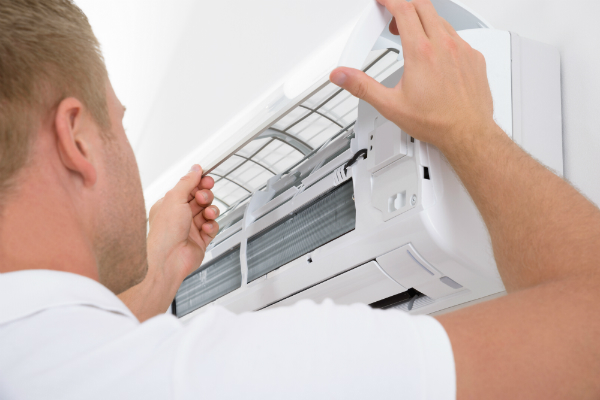
Very smart decisions and careful planning go a LONG way in lowering your AC installation costs in the East Bay. Stacking strategies—such as equipment maintenance, install timing, and taking advantage of rebates—can really pay off. Little things like cleaning coils or sealing ducts make a real difference.
- Shop for 3+ quotes before selecting an installer.
- Lower your labor costs by bundling AC installation with other home improvements.
- Schedule installations during off-peak months for better pricing.
- Repair newer units when possible instead of replacing.
- Swap units older than 10 years with energy-savvy models.
- Install programmable thermostats to cut monthly energy use.
- Get seasonal spring and fall tune-ups to catch problems while they’re small.
- Clean evaporator coils annually to boost efficiency.
- Seal ductwork leaks to prevent energy loss and waste.
- Request an energy audit to spot cost-saving upgrades.
Rebates
There are tons of rebates and incentives for installing energy efficient a/c units. Homeowners in many areas can earn a tax credit of up to 30% on qualifying systems, a sizable dent in upfront costs. A few local and federal programs provide additional bonuses, and an energy audit can knock as much as $150 off your federal tax bill. Be sure to save all paperwork and receipts in the event of a rebate claim. They typically require you to submit forms with proof of purchase, so be organized.
- Federal tax credits for efficient ACs (as high as 30% of costs)
- Local utility rebates for high-efficiency models
- Savings from energy audits (up to $150 off taxes)
- Manufacturer rebates for specific units
Financing
A lot of installers and banks provide financing for AC installation. Low-interest loans help distribute the cost over a few years, reducing pressure on your budget. Lease-to-own programs provide options for those looking to shy away from large initial expenses. However, you can end up paying more over time. Always shop around terms—interest rates, total repayment amounts, and any fees—to make sure you select the best plan for your situation.
Timing
Deciding when to put in an AC can greatly affect the price. Off seasons—typically spring and fall—tend to offer cheaper rates and more flexibility. Installers aren’t as busy and you might have more leverage to negotiate. Weather impacts availability and installation speed as well. Pre-summer planning will save you on delays and fees!
- Best times: spring and autumn for cost savings
- Avoid peak summer months when demand is highest
- Consider weather impacts on installation scheduling
- Plan ahead to secure better deals
Why Pro Installation Matters
Hiring pros for AC installation is more than just convenient. It’s an essential step for long-term savings, safety, and system performance. Professional installers have training and applied skill, and that makes a difference. With a finicky thing like air conditioning, little errors can be costly or dangerous.
When your system isn’t installed right, it can decrease efficiency, increase energy bills and reduce equipment lifespan. Even if the AC is not sized right for the space, it won’t cool well or save energy. Too small units run too much and still don’t keep the room cool, while too large units cycle on and off, wearing them out faster. They use calculation methods to size the AC to the home or building. This isn’t simply about comfort — it equates to less waste and more bang for your buck.
Installing an AC unit is way more than just plugging it in. It’s electrical wiring, dealing with refrigerants and swapping out ductwork. Each phase demands the proper expertise and equipment. Connections done wrong can cause shocks or fires. Refrigerant mistakes cause leaks, damaging both the unit and the environment. Bad ductwork = air that doesn’t flow well, which makes noise and uneven cooling. These are not stakes to gamble with. Only certified technicians can address these challenges in a safe and legal manner.
Warranties are another reason to go pro. Most manufacturers provide warranties on parts and labor exclusively when the unit is installed by a guaranteed pro. That provides peace of mind and protects homeowners from expensive repair bills in the event of a malfunction. Without it, a do-it-yourself project can nullify the warranty and leave the owner vulnerable.
A properly installed AC additionally hums softly and maintains a consistent, comfortable temperature inside. This kind of comfort is difficult to do-it-yourself. Your home with pro-installed AC can have a higher resale value. Consumers appreciate that the system is secure, up to code and actually operates.
Conclusion
To discover the actual cost for AC install in the East Bay in 2025, review all information. Labor, permits and unit type all factor in. Many buyers simply look at the sticker base price and overlook all the other charges. Warranties and energy requirements can alter what you pay. Shady quotes can sneak in, so rely on transparent estimates. You need a pro team to install your new system. A great install can save you cash for many years to come. If you want to pay less, inquire about specials or rebates. For more tips or to share your own cost story, sound off in the comments or see our recent posts. Let’s assist one another with candid facts.
Frequently Asked Questions
1. How much does AC installation cost in the East Bay in 2025?
AC installation in the East Bay costs between €3,700 and €9,200 on average. Prices vary with system size, home layout and energy efficiency.
2. What factors affect the total AC installation cost?
System type, home size, ductwork condition and energy efficiency standards all influence the ultimate cost. Local labor rates and the brand you select are factors.
3. Are there any hidden costs with AC installation?
Additional wiring, permits or swapping out old ductwork all add to the price. ALWAYS request a detailed estimate to keep surprises at bay.
4. Is professional AC installation worth the price?
Yes. Professional engineers guarantee safety, efficiency and warranty coverage. DIY installations can result in expensive mistakes or voided warranties.
5. Can I lower my AC installation cost?
Shop around amongst several quotes, select a system appropriate for your needs, and inquire about rebates or incentives for energy efficient models.
6. Do energy-efficient systems cost more to install?
They might be more expensive initially, but they save on energy bills down the road. Most areas provide incentives to reduce these higher upfront costs.
7. How long does AC installation usually take?
Nearly all of them require a professional installation, which usually takes one to two days. More complicated systems or significant duct repairs could lengthen this process.
Restore Comfort And Reliability With Expert HVAC Repair From Superior Mechanical Services
Is your HVAC system making strange noises, blowing uneven air, or failing to keep your space comfortable? Don’t wait for a complete breakdown—Superior Mechanical Services, Inc. is here to diagnose and repair issues before they escalate. Whether you need urgent HVAC repairs, a thorough system inspection, or long-term performance solutions, our certified technicians deliver lasting results you can trust.
Since 1948, homeowners and businesses have relied on our expertise to keep their HVAC systems running smoothly and efficiently. From faulty thermostats and broken compressors to airflow issues and worn components, we fix it all—with precision, professionalism, and your comfort in mind.
Prompt HVAC repair doesn’t just restore performance—it helps prevent costly replacements, reduces energy waste, and extends the life of your system. Let us help you avoid surprise breakdowns and keep your indoor environment consistent and reliable, no matter the season.
Call us today to schedule your HVAC repair service. With over 70 years of experience, Superior Mechanical Services is committed to fast, dependable, and affordable HVAC solutions. Experience the Superior difference—reliable comfort is just a call away!