How HVAC Maintenance Helps Prevent Costly Summer Breakdowns
Here’s how regular HVAC maintenance by Superior Mechanical Services helps you avoid those expensive summer breakdowns by identifying worn parts, cleaning critical components, and testing system health before its busy season. Even more important, technicians detect tiny faults and loose wires on a visit, so owners secure them before the scorching days arrive. HVAC maintenance, cleaning coils and filters, keeps air flowing, stops strain, and prevents sudden stops. Tuning up systems cuts power use, so bills stay low when cooling needs soar. No maintenance leads to dust piling up or pipes starting to leak, which can cause the unit to shut down or require major repairs. To hold cool air in, fast work such as oiling motors or changing filters yields rich rewards. The body will demonstrate how these simple measures keep houses and offices from overheating.
Key Takeaways
- When it comes to summer HVAC maintenance, a few simple steps, such as cleaning coils, tightening electrical connections, calibrating thermostats, and clearing drains, go a long way in preventing costly summer breakdowns.
- Regular servicing improves energy efficiency, reduces your utility bills, and prevents costly summer breakdowns, keeping you green both environmentally and financially.
- From scheduled inspections to the timely replacement of worn components, HVAC maintenance helps extend the lifespan of systems, delivering long-term reliability and limiting emergency breakdowns.
- Seasonal HVAC maintenance is an important step in saving money and making sure the home stays cool when it’s boiling outside.
- Care for air quality, system noise, and humidity management during maintenance enhances comfort, promotes health, and mitigates secondary concerns like mold or respiratory issues.
- Licensed HVAC technicians, like those at Superior Mechanical Services, use specialized diagnostic tools and safety measures that average homeowners cannot replicate.
How Maintenance Prevents Breakdowns
Regular HVAC servicing is essential for ensuring air conditioning systems continue to perform optimally, particularly when summer heat intensifies. Timely preventative maintenance reduces the risk of system failure when you require indoor comfort the most. Each routine HVAC maintenance task addresses important points that, when ignored, can lead to costly replacements.
1. Cleans Coils
Dirty coils catch dust and debris, which choke off airflow and force the unit to labor. This additional stress leads to increased energy consumption and steep bills. If coils aren’t cleaned, they can overheat, resulting in system failure or costly replacements. Regular HVAC servicing, including routine coil cleaning at least once or twice a year, allows the unit to transfer heat out of the house more efficiently, improving cooling and reducing energy consumption. This proactive approach not only extends the life of your HVAC system but also enhances overall indoor comfort.
2. Secures Electrical
Loose electrical connections can compromise the stability of your HVAC system, increasing the risk of short circuits and fires. By tightening connections and replacing bad wires, you can prevent sudden breakdowns and costly emergency repairs. A professional HVAC service provider can conduct detailed system inspections to identify worn relays, corroded contacts, or failing capacitors, ensuring optimal performance and safety during the hot summer months.
3. Calibrates Thermostat
How regular maintenance saves you from an unexpected breakdown. Thermostat calibration ensures indoor comfort stays dependable. If the thermostat falls out of calibration, it could make the system run too long or not long enough, wasting energy and putting strain on parts. Testing and adjusting the settings make sure that what you set is what you get. Many users jump to smart thermostats for more control and savings. Adding thermostat calibration to maintenance eliminates guesswork, prevents hot spots, and keeps systems running at their best.
4. Clears Drains
Condensate drains are prone to clogging with algae, sludge, and dirt, which can lead to water leaks and mold, especially in humid climates. Scheduling routine HVAC servicing to clear drains with a wet/dry vac or flushing them in maintenance can prevent moisture from touching sensitive components. This proactive approach aids airflow and overall energy efficiency, reducing the chances of unexpected breakdowns and expensive emergency repairs.
5. Checks Refrigerant
Proper refrigerant levels are essential for cooling in your HVAC system. A ‘low refrigerant’ situation means the system must run longer, potentially leading to costly replacements if the compressor is overworked. Regular HVAC servicing, including leak repairs, not only maintains cooling efficiency but also keeps energy efficiency low, preventing major problems and ensuring continuous comfort in your indoor environment.
The Financial Impact
Seasonal HVAC breakdowns can be a killer to your finances, emphasizing the importance of routine HVAC servicing. There are obvious economic advantages to regular system maintenance, from improved energy efficiency to lower emergency expenses. For many people, the real benefit of a preventative maintenance plan is that it helps you control lifetime costs and safeguards you against surprise expenses.
Energy Savings
Well-maintained HVAC systems consume less energy, especially when paired with a preventative maintenance plan. A seasonal tune-up, which typically runs between $100 and $200, can reduce energy bills by as much as 30%. Systems operating at optimal performance don’t need to strain, translating into lower monthly utility bills. Energy-efficient models, combined with routine HVAC servicing, lead to even greater savings over the long term. Without yearly cleanings and professional inspections, HVAC units can lose up to 5% of their efficiency each year, resulting in costly replacements and wasted energy. Homeowners one hot summer away from drowning in cooling costs will certainly notice the difference in monthly bills, so continued maintenance is a wise investment.
Repair Avoidance
Regular inspections are crucial for effective hvac servicing, helping to catch minor issues before they escalate. Addressing small squeaks can prevent costly emergency repairs that often range from $300 to $1,000 or more. During peak demand, such as a heatwave, the costs can skyrocket due to urgent labor fees and parts shortages. By maintaining a comprehensive maintenance history and scheduling routine hvac maintenance, homeowners can identify trends, address persistent problems, and make necessary upgrades. This proactive approach ensures that emergency breakdowns and their high costs are a thing of the past, ultimately saving money and reducing stress during the summer heat.
Lifespan Extension
Regular maintenance, including routine HVAC servicing, prolongs appliance life and pushes back the date of costly replacements, which can amount to thousands of dollars. By quickly replacing damaged parts, you are preventing strain on the HVAC system and reducing wear on other components. Opting for premium replacements fuels long-term performance and dependability, ensuring energy efficiency. Every additional year of operation means one less year of budgeting for a new system, allowing owners to amortize their investment. Neglecting annual preventative maintenance leads to accelerated wear, increased breakdowns, and reduced system life.
Seasonal Preparedness
Seasonal preparedness for HVAC systems is crucial for maintaining an efficient HVAC system, ensuring cooling units are dependable, affordable, and energy efficient. With summer heatwaves straining equipment, this approach attends to more than just indoor comfort, but it safeguards warranty coverage and prevents unexpected breakdowns. Routine HVAC servicing, preferably in the spring and fall, keeps systems running at peak efficiency, extends their life expectancy, and reduces monthly energy bills for households and businesses globally.
Pre-Summer Stress Test
A pre-summer stress test is crucial for assessing how well the HVAC system can manage the demands of the upcoming heat. This involves cranking the unit to its maximum capacity to ensure it can cool your space effectively. Specialized HVAC technicians check refrigerant pressure, electrical connections, and the overall output of cooling to identify any potential issues. Knowing your system’s weaknesses now can save you from costly replacements during the hot summer months.
Routine HVAC servicing, including checking for low refrigerant and blocked condensate drains, can prevent expensive breakdowns when temperatures rise. These pre-summer checks not only enhance indoor comfort but also ensure your system maintains optimal performance during high demand. Neglecting this proactive approach can lead to inefficiency, inflated energy bills, and even voided warranties.
By scheduling maintenance tasks ahead of the season, you can avoid major problems that arise from everyday wear and tear. Consistent care is essential, as certain systems can lose up to five percent efficiency annually without regular upkeep. Ultimately, investing in preventative maintenance now guarantees a comfortable environment and peace of mind when summer heat intensifies.
Humidity Regulation
Handling humidity is an important part of both comfort and air quality. High humidity incurs mold, dust mites, and respiratory issues, particularly in warm climates. As a matter of seasonal preparedness, you should always have your dehumidifier or built-in humidity control features inspected and serviced.
Keeping those parts fresh means the system can manage both heat and moisture loads. It is not simply to cool the air, but it is also to keep it dry enough to prevent condensation and breathe more comfortably. With clean filters and coils and clear drainage, humidity remains in check.
Regular inspections assist in identifying and repairing leaks or blockages that impact humidity regulation. This prevents long-term damage and protects the people and the building.
Pollen And Debris
When you change air filters every couple of months, it removes pollen and dust, reducing allergy symptoms and making indoor air cleaner. Checking ducts during maintenance reveals buildup that can impede air flow or transfer pollutants throughout the building.
Having your ducts cleaned when necessary, particularly after high pollen seasons, will make a difference you can see and feel. Routine inspections prevent allergens and debris from damaging system parts, which helps prevent failures.
Preemptive moves, such as deploying HEPA filters and sealing ducts, shut outdoor allergens out. These steps are most effective when they are part of an overall maintenance strategy for clean indoor air.
Beyond Mechanical Failures
HVAC maintenance encompasses much more than just repairing broken parts; it also involves routine HVAC servicing to preserve air quality, regulate noise, and ensure users enjoy a comfortable environment while enhancing energy efficiency and preventing costly replacements during summer breakdowns.
Air Standards
Indoor air quality is really important, especially when the windows are closed during those blazing hot months. Dirty or clogged filters can trap dust and allergens, making the air unhealthy. Timely filter changes and vent cleaning result in fewer particles becoming airborne. Pairing air purifiers with your HVAC creates an additional line of defense, combating even smaller microparticles and allowing allergy or asthma sufferers to breathe freely.
Humidity, too. Excess moisture is a breeding ground for mold, while dry air causes dry skin and irritated eyes. Beyond mechanical failures, we monitor and adjust humidity levels to increase comfort and help protect your furniture and electronics from damage. Scheduling regular air quality tests allows you to catch problems early and fine-tune your systems. For office spaces, this is critical. Pure air keeps employees well and minimizes sick days.
System Noise
Noisy HVAC systems may not seem urgent, but they often serve as early warning signs of underlying issues. Rattling, grinding, or banging noises can indicate loose parts or failing motors, and ignoring these sounds can lead to costly replacements later. With routine HVAC servicing, specialized HVAC technicians can identify and repair minor problems before they escalate into major system failures. A proactive approach to regular upkeep ensures your HVAC system operates efficiently, minimizing downtime and preventing expensive emergency repairs.
A quiet drive indicates a well-functioning HVAC system. Excess noise can disrupt productivity in offices or communal living spaces. Professional inspections help to pinpoint the sources of unwanted noises. By tightening parts, lubricating moving components, and replacing worn elements, you can maintain an efficient HVAC system that promotes a comfortable environment for all users.
The Peace Of Mind
Peace of mind comes with maintaining your HVAC system. When you know your system is inspected and cleaned, you stress less about unexpected breakdowns during those hottest days. Routine maintenance goes further in extending the service life of the unit, so you don’t have to budget for expensive replacements as frequently.
This faith fuels productivity. Folks labor more effectively and are more at ease when the temperature is perfect. Trust is a two-way street between users and service providers. A reliable system translates into less energy consumption, fewer repairs, and consistent comfort all summer long.
Unseen System Threats
Regular HVAC servicing is crucial for identifying issues before they escalate into expensive emergency repairs. Unseen threats to your HVAC system include small leaks, slow leaks, blocked ducts, and corrosion. These seemingly minor problems can quietly sap energy efficiency and reduce system life. Ignoring them can cost up to 5% efficiency every year, leading to higher bills and repairs. International codes suggest a preventative maintenance plan with biannual inspections to ensure reliable systems and maintain low costs, regardless of the weather.
Slow Leaks
Slow refrigerant leaks typically fly under the radar until they begin straining the system. These leaks cause the compressor to operate longer, increasing energy consumption and risk of breakdown, particularly during sweltering summer months. Testing pressure is a simple method to expose dormant leaks. If pressures dip below manufacturer specs, it means there is a leak somewhere in the circuit.
An easy pressure check and visual inspection as part of regular servicing can identify leaks before they affect system operation. Even a slight drop in refrigerant levels can cause increased operating costs and discomfort. Doing it quickly to stop leaks not only sidesteps expensive repair bills, but it also keeps the system humming at peak performance.
Airflow Obstruction
Blocked ducts, dirty filters, we all know these are the silent system killers that are frequently overlooked. Airflow problems can soon make the system labor, ramping up energy bills and shortening rooms. A routine inspection of ducts and vents can identify obstructions, such as dust accumulation, debris, or even rodents, before they suffocate airflow.
Removing blockages rejuvenates performance and maintains indoor air purity. Regular inspections, at least semiannually, guarantee ducts aren’t obstructed. Proper air circulation puts less stress on the blower and ensures consistent cooling or heating. Once airflow falters, so does efficiency, resulting in more frequent breakdowns and higher monthly costs.
Component Corrosion
Corrosion on coils, terminals, or inside the compressor can silently eat away at HVAC components. Salt, moisture, and varying weather all contribute to accelerating rust and decay. A careful inspection of servicing searches for early indicators such as rust, discoloration, or pitting on metal parts.
Quickly addressing corrosion with protective coatings goes a long way to preserving the life of costly components. Taking corrosion seriously upfront prevents unexpected outages at crunch time. The vitality of these components determines the system’s duration and performance under duress.
Professional Versus DIY
Regular HVAC servicing significantly reduces the risk of costly malfunctions, especially during the hot summer months. While many consider saving by attempting DIY maintenance, this can be a gamble. Hiring a professional HVAC service provider employs advanced tools and expertise to detect unseen problems, optimize energy efficiency, and ensure safety. All these factors create a compelling argument for opting for expert help rather than risking DIY efforts.
Specialized Tools
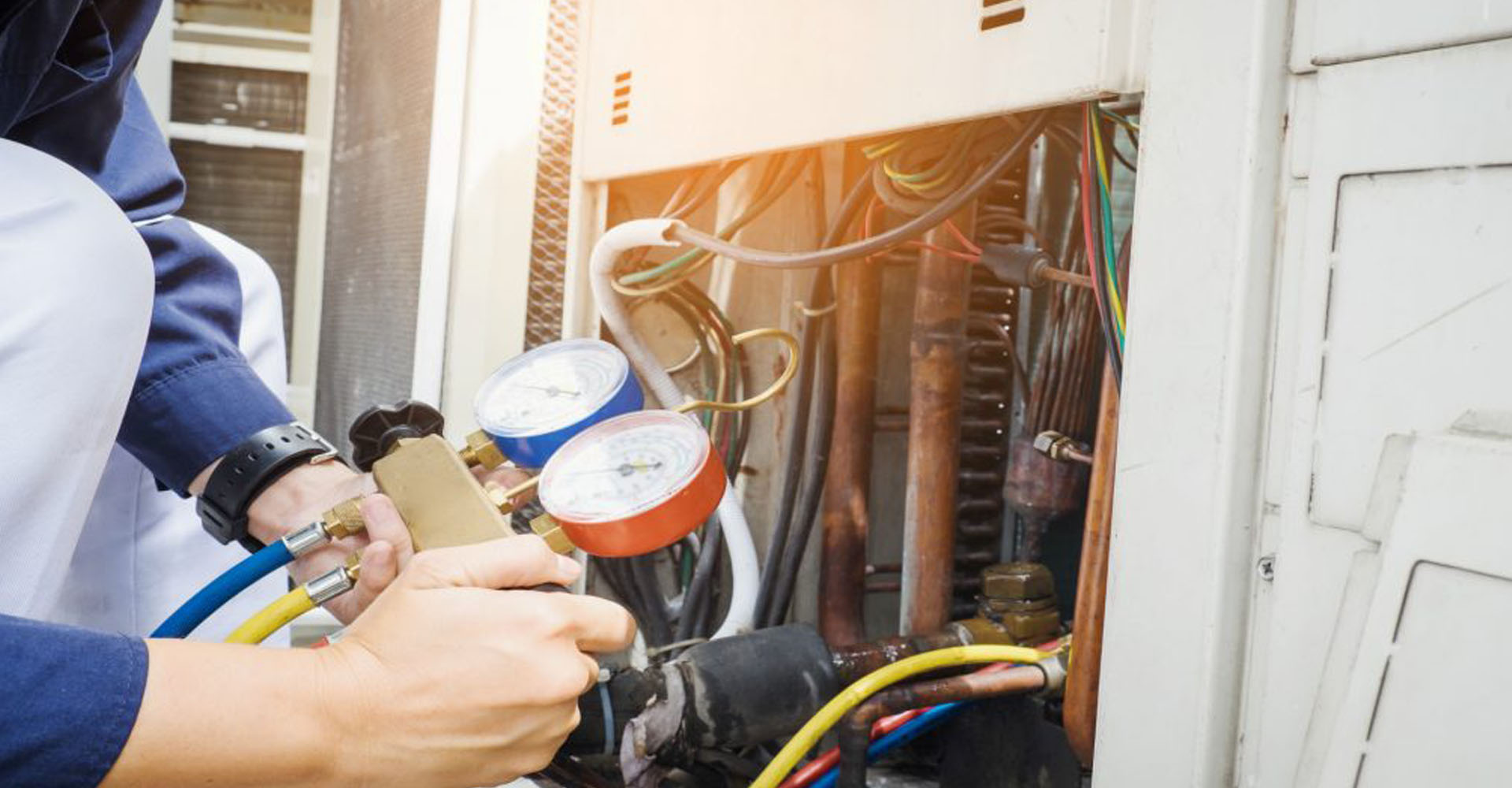
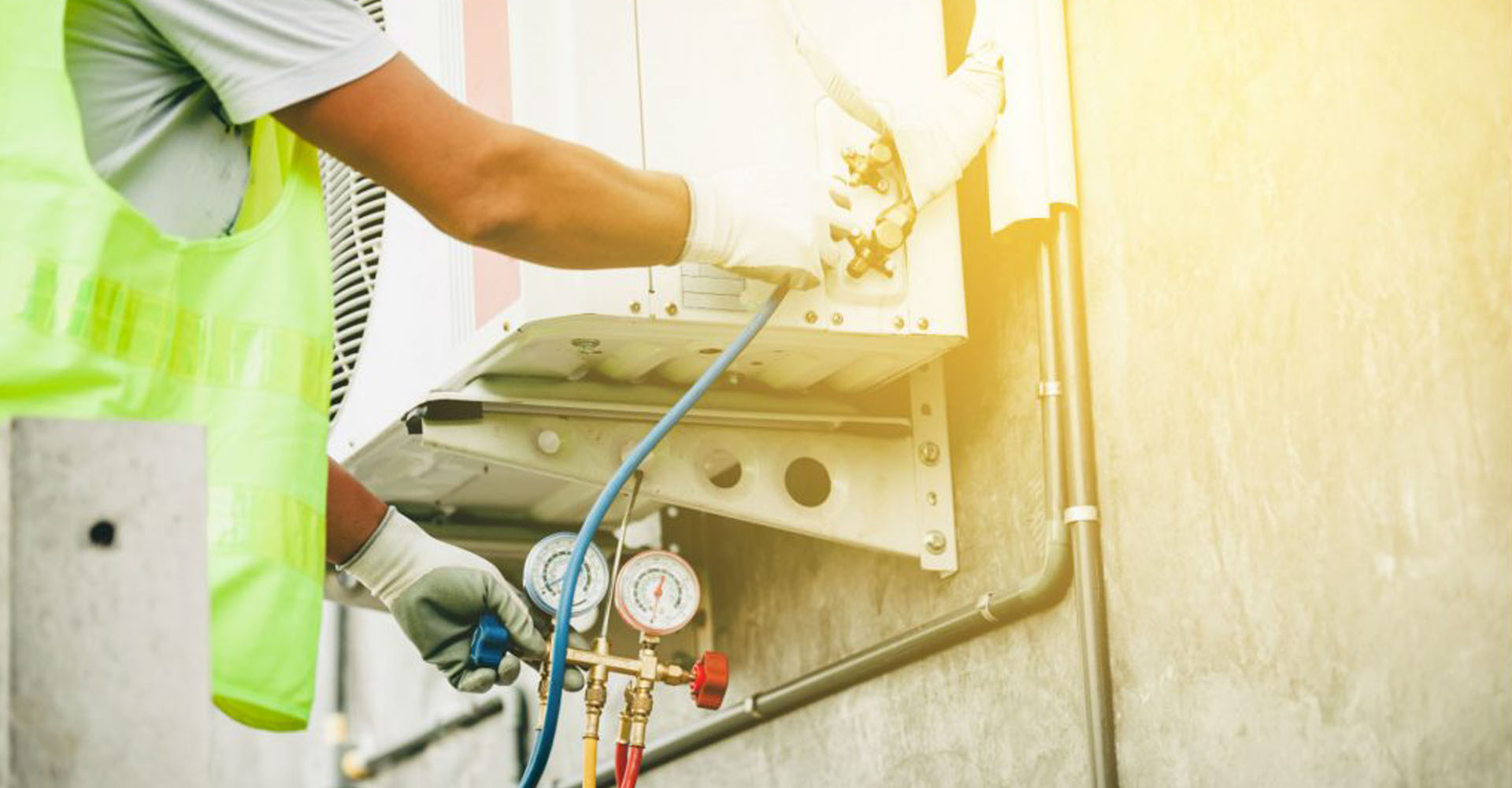
Orphan HVAC systems require more than a screwdriver and a spare filter. Technicians use digital gauges, leak detectors, airflow meters, and combustion analyzers. These tools detect issues invisible to the naked eye, such as refrigerant leaks or clogged coils. Absent them, even conscientious owners overlook critical problems.
The right tools allow work to get done the first time correctly. For instance, a gauge set tests pressure levels in cooling lines, while a thermal camera identifies malfunctioning components far within the system. Specialist equipment assists with maintaining settings within strict limits, which extends system life and reduces operational costs. Regular servicing allows homeowners to have the advantage of these tools and skilled hands.
Diagnostic Expertise
Years of training and continuing education distinguish professionals in HVAC servicing. Our technicians are certified in refrigerant handling, electrical safety, and combustion, enabling them to identify issues before they escalate. Many problems, such as bad sensors or failing motors, often lurk deep within the HVAC system. DIY approaches may overlook these critical flaws.
Professional inspections go beyond merely swapping out filters, and they include detailed system inspections of ductwork, airflow testing, and checking electrical connections. Routine HVAC maintenance not only addresses potential problems early but also prolongs the system’s lifespan. Such preventative maintenance can lead to energy efficiency improvements, often reducing power bills by about 10 to 15 percent, while keeping warranties intact and avoiding expensive emergency repairs.
Safety Risks
DIY fixes can be dangerous. HVAC work typically involves high voltage, flammable gas, and pressurized refrigerant. One wrong move could create shock, fire, or leaks.
Licensed techs take serious safety precautions. They know how to turn off power, vent gases, and manage chemicals. This reduces the risk of harm or breakage. Professional work means confidence and reliable performance. A DIY fix may appear cheap, as parts might be $10 to $50, but errors can become very expensive, damaging the system or voiding its warranty. Professional versus DIY, annual service costs $150 to $300 and elicits 60% fewer emergency repairs than systems on their own.
Conclusion
Seasonal HVAC maintenance by Superior Mechanical Services prevents costly summer breakdowns. Clean filters, tight parts, and coolant checks help the unit run smoothly. Little repairs prevent big repair bills. A maintained system reduces energy consumption, saves dollars, and delivers consistent cold air. Missed checks result in weak airflow or leaks and can shut down the system in hot weather. Experienced techs identify troubles quickly and take care of tasks that others overlook. DIY jobs are great, but quality pro care keeps the entire system safe and sound. For reliable relief and to avoid surprise expenses, maintain a regular maintenance regimen. Share your tips or let us know what works for you. Stay cool, keep your system in tip-top shape, and enjoy your peace of mind all season long!
Frequently Asked Questions
1. How Does Regular HVAC Maintenance Prevent Summer Breakdowns?
Routine HVAC servicing keeps parts clean and working well, assisting in identifying issues early, which makes your HVAC system less prone to breaking down during the summer heat.
2. What Are The Most Common Issues Found During HVAC Maintenance?
Dirty filters, worn belts, low refrigerant, and electrical problems are common issues that HVAC service providers encounter. Regular HVAC servicing can help in repairing these issues early, saving you from bigger breakdowns later.
3. Are There Risks With DIY HVAC Maintenance?
Yes. Simple tasks like changing filters are safe, but for more serious work, it’s best to rely on a professional HVAC service provider to ensure optimal performance and prevent damage.
4. What Happens If HVAC Issues Go Unnoticed?
Routine HVAC servicing, including detailed system inspections, aids in identifying unseen issues before they escalate, preventing costly repairs and ensuring optimal performance.
5. Is Professional HVAC Maintenance Better Than DIY?
Professional hvac servicing is more thorough! Experts possess the knowledge and tools to detect and repair underlying issues, ensuring your hvac system is reliable and optimized for energy efficiency.
Get Your Building Ready for Warmer Days with Spring HVAC Maintenance from Superior Mechanical Services, Inc.
As temperatures begin to rise, your HVAC system shifts into a new season of demand. If it hasn’t been inspected or serviced since winter, small issues can turn into costly breakdowns just when you need cooling the most. Superior Mechanical Services, Inc. helps businesses prepare for spring with thorough HVAC maintenance that keeps systems running efficiently, reliably, and safely.
When your system isn’t properly maintained, energy bills climb, airflow becomes inconsistent, and wear and tear accelerate. Our spring HVAC maintenance service includes a detailed inspection of components, testing system performance, checking refrigerant levels, cleaning coils, replacing filters, inspecting electrical connections, and ensuring thermostats and controls are calibrated correctly. We look for early warning signs so you can address minor concerns before they disrupt your operations.
Businesses across the Bay Area have trusted Superior Mechanical Services, Inc. since 1948 for dependable service and straightforward guidance. If your building experiences uneven temperatures, strange noises, rising utility costs, or reduced airflow, our certified technicians will pinpoint the cause and recommend practical solutions. You receive clear explanations and transparent pricing, allowing you to move forward with confidence.
Proactive spring maintenance improves system efficiency, extends equipment lifespan, and reduces the risk of emergency repairs during peak cooling months. It also helps create a more comfortable work environment for employees and customers alike.
Schedule your Spring HVAC Maintenance with Superior Mechanical Services, Inc. today. With over 70 years of experience, our team helps Bay Area businesses stay prepared, comfortable, and energy-efficient all season long.
Disclaimer:
The information provided in this article is for general informational and educational purposes only and is not intended as medical, legal, engineering, or professional advice. While every effort is made to ensure the accuracy and reliability of the content, indoor air quality regulations, building codes, and health recommendations may vary by location and change over time. Readers should consult qualified professionals, including HVAC specialists, occupational health experts, building engineers, or medical providers, before making decisions related to air quality systems, workplace safety, or health concerns. The publisher assumes no responsibility or liability for errors, omissions, or outcomes resulting from the use of this information.
______________________________________________________________________