How Dublin Families Can Save On Heating Bills This Winter
The best ways to improve furnace and heater efficiency in California homes rely on simple upkeep, smart upgrades, and habits that pay off for dozens of house types across the state. Regular filter changes help the air flow stay clean and strong. Installing a smart thermostat allows the furnace to operate only when necessary, reducing inefficiency. Caulking your windows and doors seals warm air inside, so your furnace and heater aren’t working as much. Utilizing appropriate insulation in attics and walls prevents heat loss. These measures work for ancient and modern dwellings, coastal and inland. In the following sections, learn how each method helps save energy, reduce bills, and keep homes comfortable in California’s evolving climate.
Key Takeaways
- Proper maintenance with yearly professional tune-ups and frequent filter replacements keeps furnaces and heaters running efficiently and safely, minimizes the chances of breakdowns, and enhances indoor air quality.
- Good airflow is essential for heating efficiency. Therefore, ensuring vents are unobstructed and properly maintained and sealing ductwork facilitates even heat distribution and avoids wasted energy.
- Be it upgrading insulation, sealing windows, or retrofitting older homes, these measures drastically cut down heat loss, which translates to less energy consumption and increased comfort for everyone.
- With the power of smart home technology, from programmable thermostats to fully automated systems, you can fine-tune your heat schedules, keep an eye on energy consumption, and save some serious cash.
- While understanding and complying with California’s energy codes, such as Title 24, is important to stay in compliance with the law, there are opportunities to benefit from rebates and incentives for making energy-efficient upgrades.
- By considering alternatives such as heat pumps and determining whether they are appropriate for your particular climate and home, you can save a lot of money and be more sustainable in the long run.
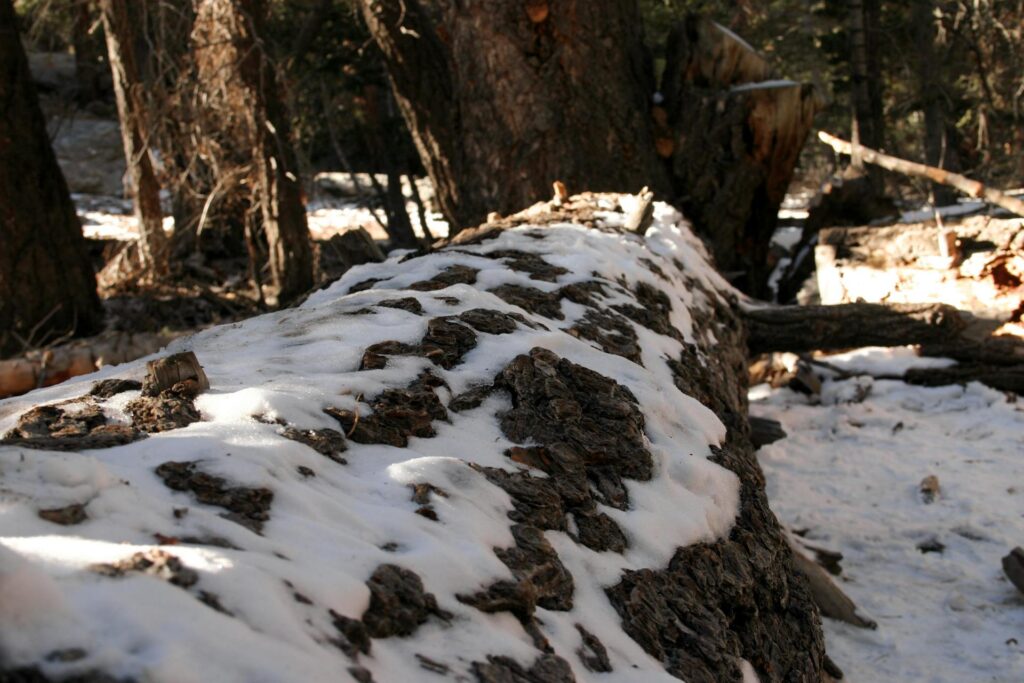
What Winter looks like in Dublin
Dublin’s winter climate is short and cool. Average winter daytime highs run around the high 50s°F (about 14–15°C), and lows can dip into the mid single-digits °C (around the mid-40s°F). Freezing nights are rare. That means that modest efficiency steps — air sealing, insulation, and smarter thermostat habits — often yield outsized savings here compared with colder climates because you don’t need to run heating continuously for long periods.
Why small changes matter in Dublin
Dublin’s climate is Mediterranean: winters are mild compared to many U.S. cities, but coastal fog, cool nights, and multi-family housing stock that may be older or under-insulated mean heating usage still matters. A few degrees on the thermostat and basic weatherization steps can shave 10–30% off heating energy use in many homes over a season, sometimes more if your house is poorly sealed. That makes a big difference in a monthly budget and adds up over several winters.
Your Furnace Efficiency Checklist
Making furnaces and heaters more efficient in California homes is about maintenance, upgrades, and tweaks that actually make a difference. All of these applied with care keep energy use low, comfort levels high, and indoor air quality safe for everyone at home.
1. Annual Tune-Up
Schedule an annual appointment with a reputable technician. They’ll inspect the heat exchanger, burners, controls, and safety systems. The blower motor and fan need to be cleaned to prevent dust build-up, which impedes airflow and increases energy consumption. Gas furnaces require a carbon monoxide check to ensure there are no leaks. Technicians will optimize the burner for optimal fuel burn and efficiency. This preventive care keeps the system running longer and catches issues before they become expensive or hazardous, especially right before the colder months.
2. Filter Replacement
Swap out furnace filters every 1 to 3 months. Dirty filters restrict airflow, causing your furnace to short-cycle or turn off after a few minutes, which stresses the system and degrades air quality. Use high-efficiency filters to trap dust and allergens, but always verify that the filter fits snugly. An incorrect size allows unfiltered air to slip through. Washable filters provide a reusable option, reducing waste over time and saving you money in the long run.
3. Clear Vents
Check all vents for dust, pet hair, or other clogs. Ensure furniture or curtains aren’t blocking vents. Blocked vents keep warm air from permeating every room. Make sure all supply and return vents are open and clear once you’ve fired up your furnace for the season. By using vent covers, you can direct airflow to the rooms you use most, enhancing comfort and reducing waste.
4. Ductwork Sealing
Ducts sometimes leak air at joints or seams, particularly if poorly installed. Discover leaks with a smoke pencil or by draft sensing. Mastic sealant or metal tape, instead of regular tape, works better for closing these gaps. Wrap any ducts that run through attics or basements to keep heat in. For optimal results, engage a pro to tackle large or hard-to-reach ductwork.
5. Thermostat Strategy
A programmable or smart thermostat lets you set lower temperatures while away or asleep. Setting the temperature to 68°F (20°C) during the day and 60°F (15.5°C) at night strikes a balance between comfort and savings. Smart thermostats are controllable from your phone and track energy use. Always check your thermostat for accuracy and recalibrate if necessary.
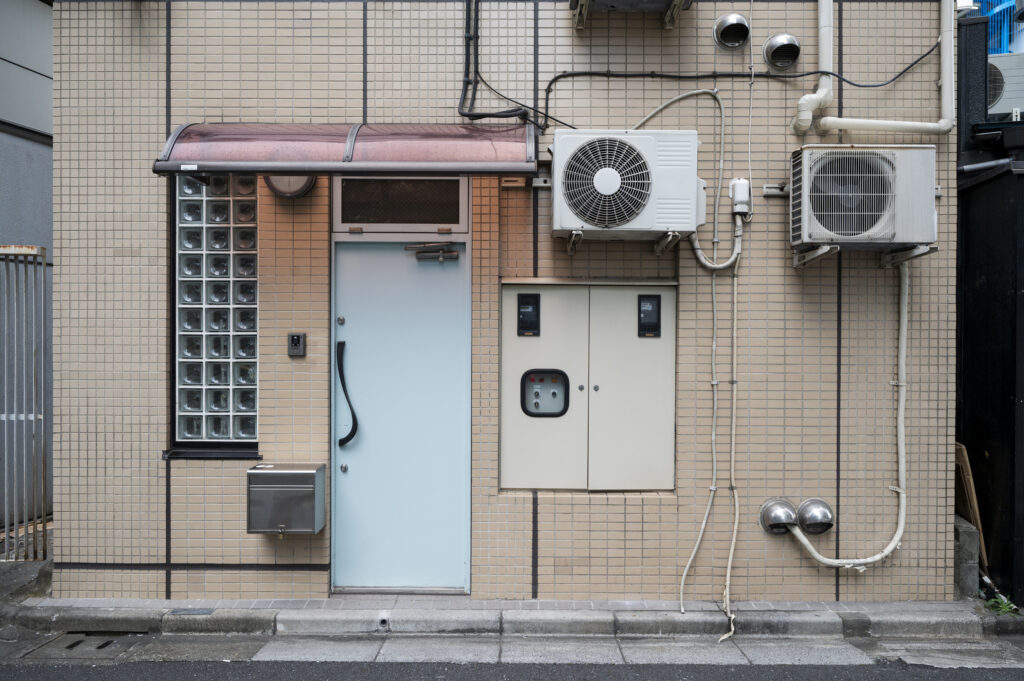
Upgrading Your California Home for Better Heating Efficiency
California’s climate, energy policy, and building codes all have a lot to do with the need for smart retrofits. Retrofits to older homes and systems can enhance comfort and reduce energy bills, particularly with federal tax credits and rebate programs expiring on December 31, 2025.
Homeowners can save up to $7,700 with HEEHRA and HOMES, making it feasible to invest in time-tested efficiency measures.
Older Homes
Most older homes weren’t insulated and relied on antiquated heating systems. You need to evaluate its existing wall and attic insulation because heat loss through both drives energy costs. Air leaks around windows and doors mean that caulk or weatherstripping keeps warm air in. California home retrofits mean swapping out ancient furnaces for efficient heat pumps or modern gas units that save energy and meet code. Remember, historic preservation rules may apply, so certain renovations may require special approval.
Insulation Upgrades
Inspect insulation in attics, exterior walls, and basements. California energy codes specify minimums, but older materials don’t always comply. Premium choices such as spray polyurethane foam, batt and blanket, or loose-fill insulation add thermal resistance. Insulate after sealing. Seal cracks and gaps before adding insulation because unsealed leaks cut the value of new materials. A pro can help select the best product and install it properly for your home’s needs.
Window Sealing
Ten drafty windows are a huge culprit. Weatherstripping or caulking around frames can prevent air leaks. If you’re thinking about long-term savings, swapping out some old windows for energy-efficient replacements that match today’s standards is a good idea. Basic window coverings, such as insulated blinds or thick curtains, help cut back on heat loss, particularly at night or during cold spells. Inspect seals and frames biannually to detect deterioration or damage and maintain the system’s efficiency.
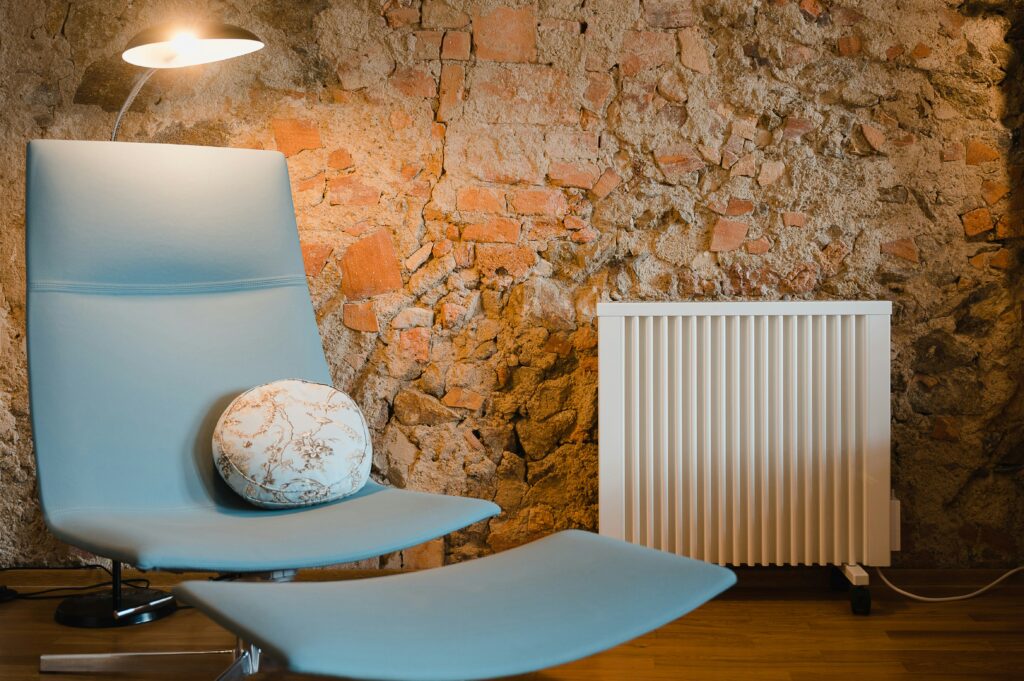
Improving Heating Systems
Energy loss in homes isn’t just about the furnace. Buildings consume 40% of the entire US energy supply, much of it wasted by neglected sources. Efficiency is about more than just the furnace. Smart home tech, on-demand water heating, ceiling fan efficiency, and phantom loads all contribute to reduced utility bills and energy waste.
Smart Home Tech
Smart thermostats have a big upgrade. They get to know your schedule and adjust the temperature accordingly, so you waste less energy and enjoy more comfort. Home automation allows you to control the temperature whenever you want, which really reduces expenses when you’re away. Intelligent sensors know when a room is unoccupied and reduce the heat. Energy monitors display on-the-spot usage to identify waste. Adding this kind of tool can eliminate the $200 to $400 that it loses each year to inefficiency.
Water Heaters
Water heating accounts for 18% of energy use in your home and is your second-highest energy expense after space heating. Switching to an energy-efficient water heater results in less energy consumption and lower energy bills. Tankless types heat water just when you require it, so there is no standby loss. Pipes are easy to insulate, and they will keep your water hotter as it travels through your casa. A little preventive care, like flushing your tank or checking for leaks, keeps your system humming at top efficiency.
Ceiling Fans
Ceiling fans assist in pushing warm air back down during winter. Reversing the fan’s direction blows warm air that collects near the ceiling back into the living space. Less powerful fans, such as the ENERGY STAR variety, save even more. Keeping your fans clean allows them to work efficiently and not strain the motor. By using fans, you can turn your thermostat down a notch or two, saving even more energy.
Phantom Loads
Most devices continue to draw power when turned off. Unplugging or using smart power strips puts a halt to this waste. Training the whole house to switch off and unplug equipment assists as well. Smart plugs and monitors record which devices are consuming energy, so you can say yes to impactful tweaks. These little things accumulate, aiding in energy conservation and cost savings.

California Energy Codes
California’s Energy Code, Title 24, steers how homes consume and conserve energy. The California Energy Commission (CEC) updates these rules every three years to keep up with new technology and support the state’s climate goals. If you’re upgrading a furnace or heater, these codes are important to know. The 2022 codes already mandate heat pumps for new homes, and more stringent standards begin January 1, 2026, with increased emphasis on electric systems for water and space heating. Complying with these standards doesn’t just support the environment; it saves money in the long run.
Title 24
Title 24 establishes an identifiable bar for home energy efficiency, particularly for heating and cooling. They address HVAC system efficiency, ensuring that equipment isn’t over-consuming energy. Owners should always check the newest Title 24 standards before they begin to make sure their plans align with current regulations. For instance, if you intend to swap out a gas furnace, the rules might mandate swapping to a high-efficiency heat pump instead.
Title 24 changes every three years. The 2025 update, effective in 2026, will drive even more electric heat pumps, which are more climate-friendly than greenhouse gas reduction. Staying on top of these changes can prevent you from making expensive mistakes or rework. Tracking improvements, such as new equipment models or insulation upgrades, is a good idea, as you may be eligible for state or utility company rebates or incentives.
It’s smart for future sales to document everything. Buyers and inspectors will want evidence that your home complies with the current energy codes.
Permit Process
Every upgrade requires the appropriate permits. Prior to beginning work on a furnace or heater, consult your local building department to find out what is necessary. In certain jurisdictions, not even a straightforward replacement is exempt from this requirement. Get the application in early so it doesn’t slow anything up.
Work with licensed contractors who know the local codes. They can assist you with form-filling and ensure all labor is inspection-approved. Retain copies of permits and inspections, as you may require them years down the road or when you sell the house.
Future Standards
California is going to keep tightening energy codes. Thinking ahead on standards means you don’t have to upgrade as often. Think about investing in technology that already exceeds or outperforms incoming codes, such as next-generation heat pumps or intelligent thermostats. That can save money as tighter rules roll in.
Participate in local energy initiatives. They include content on new trends and frequently include resources or discounts for early adopters. Talking with energy pros can help you plan, so you are not caught off guard by code changes.
Local Rebates And Incentives
Local Rebates and Incentives California homeowners looking to increase furnace and heater efficiency have a variety of local and federal programs at their disposal. These programs seek to reduce some of the initial expense of energy-efficient improvements, rendering top-performing HVAC systems more attainable and appealing. Those who track what is available and what they are eligible for can save big and enjoy a more responsible long-term energy profile.
State Programs
California has multiple state-level resources for those seeking to upgrade HVAC systems. For instance, TECH Clean California offers rebates and financing for installing efficient heating and cooling units. Homeowners might be able to secure grants or low-interest loans through state agencies to offset installation costs. Some programs provide as much as a $3,000 rebate for qualifying systems, effectively closing the price gap between base and high-efficiency equipment. State-sponsored workshops and seminars provide hands-on advice on how to make the most of the offerings. Working with local community organizations can assist homeowners in overcoming the application process and locating additional savings opportunities.
Utility Rebates
Check with your local utility provider. Many have their own rebates for some of the appliances. These can provide rebates as high as $3,000 for installing high-efficiency HVAC systems. To claim these rebates, homeowners must provide appropriate paperwork, including purchase receipts and installation details, soon after the upgrade. When you add local utility rebates to state or federal incentives, it can multiply your savings. Because rebates and eligibility are often in flux, it is worth regularly checking utility company sites. Every once in a while, some short-term offers or pilot programs add additional perks, so keeping up to date is important.
Federal Credits
There are federal incentives that can reduce the net cost even more. The Residential Clean Energy Credit gives you a tax credit of up to $3,200 for eligible upgrades completed after January 1, 2023. This encompasses a 30% credit on select qualified expenditures and a distinct credit of as much as $150 for home energy audits. There is no lifetime dollar limit for the primary credit, meaning homeowners can claim perks on multiple projects from 2023 to 2025.
Is A Heat Pump Right For You?
Selecting a heat pump for your residence involves considering what works for you. Heat pumps extract heat from the air or ground to heat or cool your space. This technology can cost up to 300% AFUE, meaning it produces three times more heat than the power it consumes. For well-insulated homes that require both cooling and heating, a heat pump can substitute for two systems. If you operate a small home, a ductless mini-split unit performs nicely. For larger homes, a central system might be the best. The important thing is to determine whether your existing system and energy consumption align with those of a heat pump.
California’s climate is ideal for heat pumps, as numerous areas experience mild winters and hot summers. Heat pumps shine in places without extreme winter cold. Certain newer models, known as “cold climate” heat pumps, remain effective even in very low temperatures, but these tend to be better suited to mountain or northern homes with frost or snow. For the majority of coastal or inland California homes, a rating of 14 or higher for SEER is best. This means the unit cools or heats with less energy, which is important in areas with many warm days.
Price is a consideration as well. Heat pumps are more expensive in terms of upfront costs than gas furnaces or basic electric resistance heaters. The cost varies based on the size of your home, the kind of heat pump you select, and the difficulty of installation. Heat pumps consume up to 75 percent less electricity than conventional electric heaters. In the long run, you save on your bills. Certain regions provide rebates or incentives, even as high as $5,500, for new heat pump installations. These can help make the higher first cost more palatable. The real savings are in lower bills and less maintenance, as heat pumps tend to last longer and require less work per year.
Consult an HVAC expert before you commit. They can size the heat pump for your home, demonstrate models that match your needs, and assist you in exploring rebates or discounts. A good pro will describe what’s involved in the change and how to keep your system running its best.
Conclusion
When it comes to maintaining a furnace or heater efficiently in California homes, specific actions are beneficial. Change dirty filters. Seal up drafts. Install a smart thermostat. Just as important is picking the right size unit for your space. Consider a heat pump if you desire to reduce expenses and pollution. Take advantage of local rebates—they add up and reduce upgrade bills. California regulations keep changing. Be up to date so a home keeps up and stays safe. Even little fixes can save you money and increase your comfort. If you want to get the best fit for your space, consult a local pro or trusted online guides. Reach out and share what worked in your home or ask for tips—we all learn more that way.
Frequently Asked Questions
What are simple ways to boost furnace efficiency in California homes?
Here are some tips to keep your furnace and heater efficiency optimal in your California home. Maintaining open vents and having thermostats set to optimal temperatures does its part.
How do home retrofits improve heater performance?
Insulation, windows, and duct sealing minimize heat loss. These retrofits make your heater run less, save energy, and increase comfort.
Are there rebates for upgrading to efficient heaters in California?
Yes, lots of local utilities and the state have rebates for high-efficiency furnaces, heat pumps, and insulation upgrades. Check with your energy provider for up-to-date offers.
Why do California energy codes matter for heating systems?
California energy codes have minimum-efficiency standards on heaters and home insulation. Adhering to these codes means lower energy bills and better environmental performance.
Can a heat pump replace my furnace in California?
Yes, heat pumps rock in CA’s mild climate. They offer heating and cooling and are energy efficient, making them an excellent alternative to traditional furnaces.
How often should I schedule furnace maintenance?
Get professional maintenance once a year. This keeps your furnace running safely and efficiently and can help stave off expensive breakdowns.
What are the benefits of switching to a high-efficiency furnace?
High-efficiency furnaces consume less energy, which means lower heating costs and less carbon emissions. It can save you money and enhance home comfort and indoor air quality.
Stay Warm And Save More With Furnace And Heater Efficiency Solutions From Superior Mechanical Services
If your furnace struggles to heat your home evenly, runs nonstop, or drives up your energy bills, it’s time to focus on efficiency. At Superior Mechanical Services, Inc., we help homeowners stay warm and comfortable while keeping energy use low through expert furnace and heater maintenance, repair, and replacement.
Since 1948, families and businesses have trusted our team for dependable, long-lasting heating solutions. Whether you need a tune-up to restore peak performance or a new high-efficiency furnace installation, our certified technicians deliver precision work, honest recommendations, and clear communication every step of the way.
Regular maintenance improves airflow, reduces energy waste, and prevents costly breakdowns. When it’s time for an upgrade, we’ll guide you toward the best energy-efficient options, properly size your system, and ensure seamless installation for lasting comfort.
Call today to schedule a furnace or heater service appointment or request a quote on a high-efficiency system. With over 70 years of experience, Superior Mechanical Services is your trusted partner for reliable comfort and lower heating costs all season long.
________________________________________________________________________