Gas vs. Electric Furnace: Which Is Better for California Homes?
Gas and electric furnaces both heat California homes, but each kind works best in different ways. Gas furnaces utilize natural gas to generate warmth quickly and are cheaper to operate in areas with affordable gas. Electric furnaces use coils and electricity to generate heat, providing increased control and cleaner in-home air. In mild California winters, most folks balance the lower running cost of gas with the simple installation and minimal maintenance of electric units. To choose the best furnace, consider local energy regulations, cost of gas and electricity, and emissions targets. The following section demystifies how each furnace suits different needs, so you can choose what works best for your home and budget.
Key Takeaways
- So comparing gas or electric furnaces needs to be more involved than just upfront installation costs and long-term operating expenses, which are difficult enough to calculate given California’s unique energy prices and regulatory environment.
- Electric furnaces and heat pumps typically provide better energy efficiency and lower emissions, making them a good fit for California’s electrification momentum and incentive programs for energy-efficient technology.
- Gas furnaces generally provide quicker and more robust heating but can be more dangerous, maintenance intensive, and increasingly regulated in the state.
- Utility rebates and changing state policies can go a long way in bringing the cost down for electric heating systems, making them more and more feasible for homeowners who want the savings and reduced emissions.
- California’s electrical grid reliability and wildfire risks factor into heating system choice, and electric options tend to offer better indoor air quality and safety.
- California homeowners should consider their climate, home size, level of insulation, and individual objectives when deciding between gas and electric furnaces, weighing upfront costs against long-term savings and sustainability.
Comparing Your Furnace Options
California’s temperate winters and eclectic housing stock ensure that not all furnace systems are created equal. Comparing your gas furnace, electric furnace and heat pump options provides clarity. Considering heating power, initial and operating costs, longevity, and maintenance will help you make an informed choice.
1. Heating Power
Gas furnaces are known for their robust, rapid heat—they reach maximum heat much faster than electric units—a perfect solution for those living in colder climates or larger homes. In areas where brutal winter is a rarity, like much of California, the instant heat-up of gas systems is less important. Electric furnaces and heat pumps are great at providing consistent warmth. Heat pumps, specifically, can heat or cool a home, which makes them feasible to use year-round in moderate climates. Electric models are likewise 100% energy efficient at the point of use, but might need longer runtimes to feel as cozy as gas.
2. Upfront Cost
Electric furnaces are generally cheaper to install, with less parts and no requirement for gas lines. Gas furnaces, on the other hand, need venting and ductwork changes as well, particularly in older homes. Meeting building codes might translate into upgrades for either system — think new electrical panels for electric units or ventilation for gas. Certain utility companies provide rebates or financing for energy-efficient systems, and the true out of pocket expenses will vary based on your home’s age, size, and current infrastructure.
3. Operating Cost
Energy bills each month for gas furnaces are usually less expensive than electric models, provided that natural gas prices aren’t fluctuating. Californians pay some of the highest electricity rates in the nation and can get burned by running an electric furnace too long, too. Modern gas furnaces are equipped with high AFUE ratings which help minimize waste, but no gas unit is ever 100% efficient either. Variable gas prices make things dicey and electricity prices are more stable but tend to be higher.
4. System Lifespan
Gas furnaces tend to last around 15–20 years with yearly servicing, while the electric models can go as long as 30 years if well maintained. Usage, installation and routine filter changes all play a role in longevity. For example, certain manufacturers may provide longer coverage for parts or labor. Skipping maintenance reduces any system’s life.
5. Maintenance Needs
Gas furnaces require annual inspections, vent inspections and cleaning to avoid carbon monoxide leaks. Electric units and heat pumps are easier, typically just requiring filter replacements and occasional electrical inspections. Maintenance costs vary, but regular maintenance should be performed on both. Oil furnaces, found in some older homes, require even more regular service.
California’s Energy Landscape
California is known for its aggressive climate action and stringent energy policies. As the state accelerates efforts to decarbonize and achieve carbon neutrality by 2045, the attention is on clean electricity in residences. This influences consumers’ choice between gas and electric furnaces. An all-electric heating transition is influencing the market, prices, and the grid.
State Policies
State regulations on natural gas usage in new residences are becoming more stringent. A lot of cities have prohibited or are going to prohibit new gas hookups. The state’s electrification roadmap prioritizes heat pumps instead of resistance heaters or gas units, as they’re three to four times more efficient. California’s future building codes will probably continue to emphasize electrification, consistent with the broader goal of eliminating home fossil fuels. Local rules vary, so homeowners must verify their city’s position prior to selecting a system. New bills in the pipeline can accelerate these shifts, so it’s wise to keep informed.
Utility Rebates
- Rebates reduce upfront expenses for electric heat pumps and other efficient systems.
- Generally, ENERGY STAR or equivalent certification is a requirement for most of these programs.
- Long-term savings are born of lower energy use, compounding the value of rebates.
Rebates can shave thousands from the cost of a new electric furnace or heat pump. To receive these, you typically need to select a model that complies. Check your local utility’s rules, as offers do vary year to year. Less energy consumption means lower monthly costs, the electric heat a wise pick as well.
Grid Reliability
California’s increasing use of electric heating puts strain on a grid that battles summer and winter blackouts. Others experience intentional power outages during wildfire seasons or storms that can chill electric-only homes. Renewables such as solar and wind are assisting in supply stabilization but remain intermittent. Massive battery storage projects are coming online to capture excess power and feed it back when necessary, although coverage is far from universal. Homes in cooler regions might require auxiliary heating or increased insulation, as today’s heat pumps tend to become inefficient when temperatures get really low.
Analyzing Lifetime Costs
Analyzing lifetime costs of gas and electric furnaces means looking beyond your monthly bill. That means analyzing installation, daily operation, maintenance, and even how a heating system affects your home’s value throughout its lifetime. The following table offers a side-by-side glance at typical cost categories:
| Cost Category | Gas Furnace (USD) | Electric Furnace (USD) |
| Installation | 3,500–7,000 | 2,000–4,000 |
| Operating (annual) | 650–1,500 | 1,000–2,500 |
| Maintenance (annual) | 120–250 | 80–180 |
Installation
| Criteria | Gas Furnace | Electric Furnace |
| Permits | Needed (gas line, venting) | Needed (basic electrical) |
| Inspections | Yes (local authority) | Yes (simpler) |
| Installation Time | 1–2 days | Few hours–1 day |
| Disruption | Moderate | Low |
| Contractor Qualification | Licensed HVAC, gas safe | Licensed HVAC |
Gas furnace install requires special permits for gas lines and venting, resulting in additional paperwork, more serious inspections and longer install time. This is frequently a day or more, with moderate disruption. A licensed HVAC pro with gas credentials is essential.
Electric furnace installation is easier. Minimal permits and a standard inspection are required. Install time is less—sometimes only hours. Licensed HVAC work is necessary, but it’s less invasive and less likely to shake up home life.
Fuel Prices
Natural gas is less expensive on a kWH basis than electricity everywhere but most of California, so gas furnaces have lower running costs. Volatile fuel costs can turn budgets on their head from one year to the next, particularly if gas goes through the roof or utility companies raise electric rates. Over ten years, little differences become big differences, sometimes hundreds or even thousands of dollars. Heat pumps, being electric themselves, can reduce demand by as much as half, cushioning their impact from steep electric rates.
Options such as solar or community renewables may help to offset forward-looking costs for electric systems. These too are reliant on local grid access and investment.
Repairs
Gas furnace repairs run higher on average, in part because of additional parts such as burners and heat exchangers. Typical issues are broken igniters, split exchangers and clogged vents. These can be expensive and immediate, particularly gas leaks. Gas furnace parts are abundant, but gas furnace repairs require a certified tech.
Electric furnaces suffer fewer breakdowns, primarily consisting of blower motors or heating elements, which are less expensive to replace. Parts are readily available, and service is everywhere. Over 20–30 years, less repairs tends to translate into less total costs.
Resale Value and Efficiency
Modern electric/hybrid systems can help resale value, particularly as buyers seek out green features. Gas systems might have more stringent codes down the road, affecting future value.
Energy efficiency counts. Gas furnaces pollute, roughly 17 times more than electric, which is a factor to consider on both utility and resale value.
Environmental and Safety Impact
Gas and electric furnaces determine much more than energy bills, but the health and safety of homes. Here in California, where climate objectives and wildfire safety are paramount, selecting the appropriate system requires consideration of emissions, indoor air, and fire hazards.
Carbon Footprint
Gas furnaces burn natural gas, producing CO₂ with each use. A standard gas furnace emits roughly 180–200 g CO₂ per kWh of heat. Electric furnaces, on the other hand, can operate on grid electricity, which is becoming greener as additional solar and wind generation hit the grid. In California, where the grid already pulls more than 30% from renewables, electric heating’s carbon footprint continues to shrink. Transitioning to electric heat can reduce household emissions by up to 50%, particularly as the grid becomes cleaner. All-electric homes are in harmony with state climate goals of net-zero emissions by 2045.
Indoor Air
Gas furnaces and other combustion appliances can emit pollutants including NO₂, CO, and fine particles. These byproducts can irritate lungs and increase health issues, particularly for children or individuals with asthma. Even with venting, leaks or backdrafts can introduce harmful gases indoors. Electric furnaces don’t combust, so no fear of CO leaks or soot. Cleaner air indoors means less chance of headaches, dizziness or even more serious issues. Fresh air remains crucial, but with electric systems, the consequences are less serious.
Wildfire Safety
California’s wildfire season adds urgency to home safety. Gas furnaces and water heaters have open flames and can ignite fires if something goes wrong—like flame roll-out or a leaky gas line. Especially in high-risk regions, keeping vents unobstructed and obtaining annual inspections is essential. Electric furnaces don’t have flames, so there’s no risk of gas explosions or CO poisoning, which is why all-electric homes are safer during power shutoffs or fire weather. Fire safety experts say all-electric buildings are a safer option, particularly in locations with elevated wildfire risk.
Safety Testing and Best Practices
Using a gas stove requires regular combustion safety inspections. These tests search for leaks, backdrafts and venting problems. Issues such as backdrafting water heaters or obstructed vents are both frequent and laborious to resolve and can be hazardous. Electric heat eliminates the need for such tests, reducing danger and saving time. For folks who want the safest, all-electric is the slam dunk.
The Heat Pump Alternative
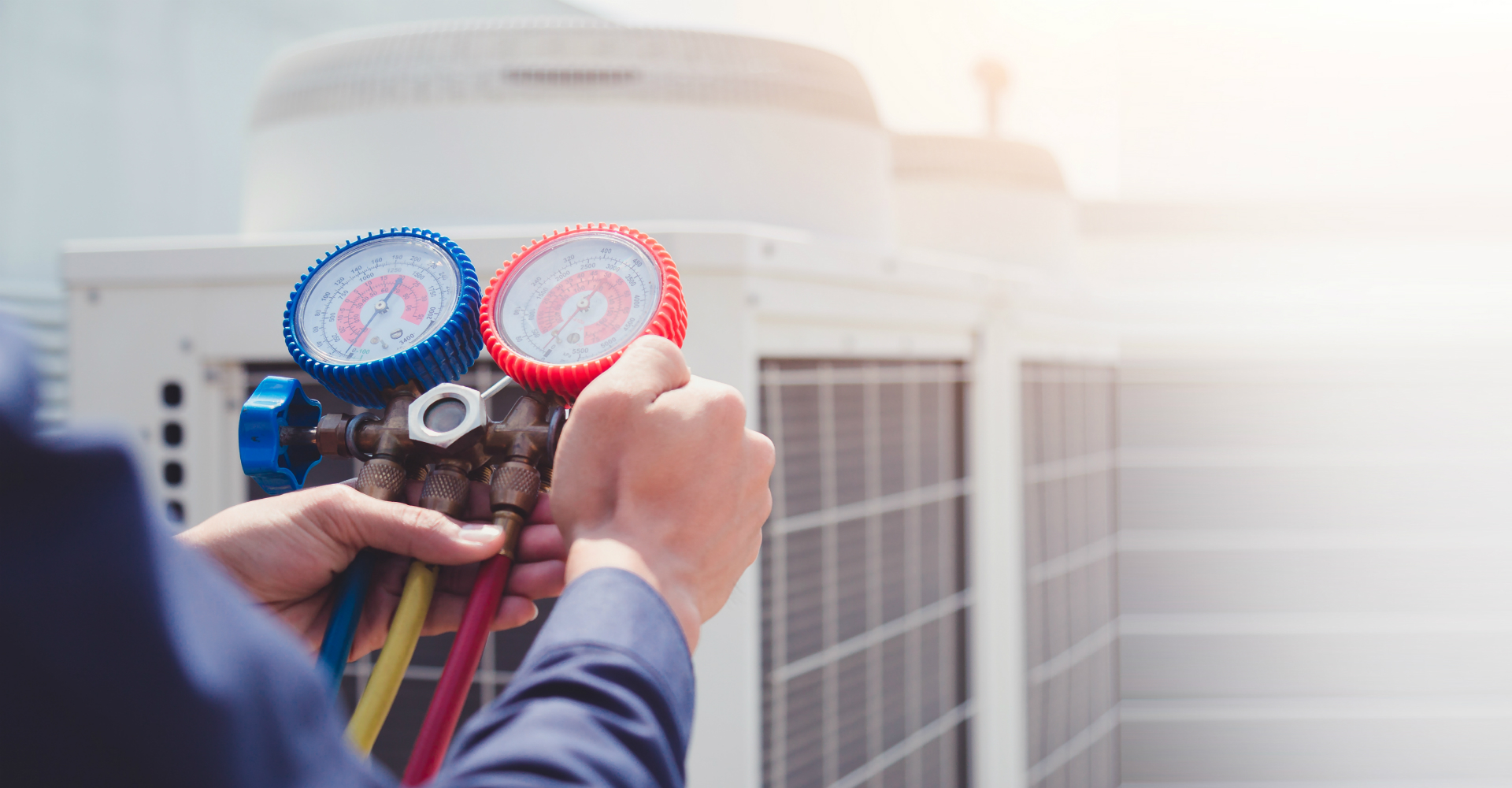
Heat pumps provide a viable alternative to gas and electric furnaces alike, particularly in areas with mild winters. They’ve grown in popularity among homeowners seeking lower emissions, year-round comfort, and improved energy efficiency. With California electrifying and banning new natural gas furnaces by 2030, heat pumps are a future-ready heating and cooling solution.
Dual Functionality
A heat pump is a heater and an air conditioner. Instead of purchasing multiple units, a single system manages indoor temperature year-round. That comes in particularly handy for residents of temperate regions who require heating and cooling, but seldom encounter severe cold.
Its single-system approach results in lower upfront installation costs, since you don’t need to buy and install a separate AC unit. It requires less equipment space, a benefit for cramped city dwellings. Programmable thermostats are a great companion to heat pumps, allowing you to schedule when your heat or cooling is on, and even make adjustments from your phone. This provides an extra level of convenience and control, assisting in customizing energy consumption to fit into daily schedules.
Energy Efficiency
High efficiency heat pumps use a lot less source energy than gas furnaces, particularly in warmer climates (zones 1-3 on the DOE map). They work by transferring heat rather than creating it, which makes them more efficient as long as outdoor temperatures remain above 4°C. Heat pumps require a supplemental electric heater in cold spells, thereby decreasing efficiency and increasing operating costs.
Less energy consumption equals less time with high utility bills. To environmentally minded users, heat pumps appeal because they produce zero direct greenhouse gases. Over the course of a few years, the savings due to lower energy consumption make up for the higher cost up-front.
Future-Proofing
Heat pumps are a natural fit for California’s electrification plan. As the grid gets cleaner and more renewable energy is added, heat pumps will run on greener power. That makes them a lasting option for homeowners looking to stay on the forefront of emerging regulations and market changes.
Because they are able to use electricity rather than gas, they remain relevant as the law shifts. That counts for property values and long range planning.
Maintenance and Lifespan
Heat pumps require maintenance to maintain their efficient operation. They can wear out a bit faster than furnaces, so some will experience a slightly shorter system life.
Regular inspections catch issues in time, but owners should budget for potential repair expenses.
Efficiency declines in extreme cold, so those in colder regions ought to factor this in before making a purchase.
Maintenance is key for reliability.
How to Choose
Choosing a heating system for your home involves consideration of numerous variables. Every home and every area has different requirements. California’s extreme variety of climates, energy prices, and house designs renders one answer impossible. Homeowners need to pair their selection with their regional climate, house specifics, objectives, and budget. Here’s a functional guide that simplifies what are the most crucial steps.
Your Climate
California spans lots of climate zones. Some regions experience colder winters, where a gas furnace—widely known for generating robust, rapid heat—can be the wiser option. In areas with more moderate winters, heating requirements are reduced, which renders an electric furnace both convenient and effective.
Certain conditions—such as fog or dampness—can make your home feel colder than the thermostat reads. Local weather patterns will determine how much and how often you need heat. The right system will be a fit for your location’s average and extreme temperatures.
Your Home
A big, multi-level house will require more heating capability than a small apartment. Open floor plans might require setups that can blast warm air throughout large rooms, whereas tiny houses could thrive on the quiet, even heat of electric units. If your home already has a gas line or ductwork, a gas furnace might be cheaper and quicker to install.
Insulation is crucial. Well-insulated homes don’t lose as much heat, which makes electric furnaces more feasible. Older homes with drafty windows or thin walls may need the higher output of a gas furnace to keep pace with heat loss. Other existing HVAC components should be inspected for compatibility with your new system.
Your Goals
Begin at the end by determining what’s important. Want lower monthly bills, a greener footprint, or low maintenance? Electric furnaces are 100% efficient at turning power into heat and are simpler to maintain. They can be more expensive to operate if electricity is pricey. Gas furnaces tend to have lower fuel costs and can last 15 to 20 years with maintenance.
Consider how much you want to pay up front versus over time. If you tend to move a lot, a less expensive system is probably OK. For long-term homes, the more expensive gas furnace can make up for itself with cheaper operating costs. Your lifestyle—such as if you work from home or frequently travel—can influence your requirements.
System Checklist
- Consider your local climate
- Evaluate your home’s size and insulation
- Weigh upfront costs vs. long-term savings
- Review available fuel sources and service needs
Conclusion
Gas vs. Electric furnace: both work for California homes, but each have trade-offs. Gas units heat fast and perform well in cooler areas, but electric ones operate quieter and require less maintenance. Electric rates, municipal regulations and grid toughness weigh in heavily. Other people might feel heat pumps make more sense because they are more energy efficient and reduce air pollution. Think about what matters most: cost, how much work you want to do, and how clean you want your air. Check your home’s power, consider rebates, and consult a professional if you’re stranded. Tell your story or tips for others considering a furnace swap. Real testimony goes a long way.
Frequently Asked Questions
1. What are the main differences between gas and electric furnaces?
Gas furnaces rely on natural gas for heat, while electric furnaces use electricity. Gas tends to heat you faster and is less expensive to operate, while electric heaters are simpler to install and service.
2. Which furnace type is more energy-efficient in California?
Electric furnaces are more unit energy efficient. California’s electricity rates and grid mix may affect overall efficiency and cost.
3. Are gas furnaces safe for California homes?
Gas furnaces are safe when installed and maintained properly. They need to be vented so as to not pose the risk of carbon monoxide leaks.
4. How do lifetime costs compare for gas and electric furnaces?
Gas furnaces tend to be less expensive to run, but more expensive to install. Electric furnaces are more expensive to operate, but less expensive to install and maintain.
5. What is the environmental impact of each furnace type?
Electric furnaces have zero on-site emissions. Gas furnaces spew carbon dioxide. Environmental impact depends on how your electricity is generated.
6. Are there incentives for choosing electric over gas furnaces in California?
Yup, California is often going to have rebates or incentives for electric heating based on state climate goals. Check with your local utilities for deals.
7. What is a heat pump and is it a good alternative?
Heat pump: an electric appliance that efficiently heats and cools your home. It’s an energy-saving choice for California’s mild climate.
Stay Warm and Worry-Free with Expert Furnace Repair & Installation from Superior Mechanical Services
Is your furnace making unusual noises, struggling to heat your home evenly, or not turning on at all? Don’t wait for the chill to take over—Superior Mechanical Services, Inc. is ready to step in with expert furnace repair and installation services that keep your home warm and efficient.
Since 1948, families and businesses have trusted us to restore comfort with reliable, long-lasting solutions. Whether you need a quick repair, a full furnace replacement, or expert guidance on upgrading your system, our certified technicians are known for precision, professionalism, and outstanding service.
Timely furnace repair not only gets your heat back fast—it also helps you avoid bigger issues, lower your energy bills, and extend the life of your system. And when it’s time for a new installation, we’ll make sure it’s done right the first time.
Call today to schedule your furnace repair or installation. With over 70 years of experience, Superior Mechanical Services delivers fast, dependable, and affordable heating solutions. Reliable warmth starts here.