Commercial Water Heaters: Maintenance Guide for Businesses
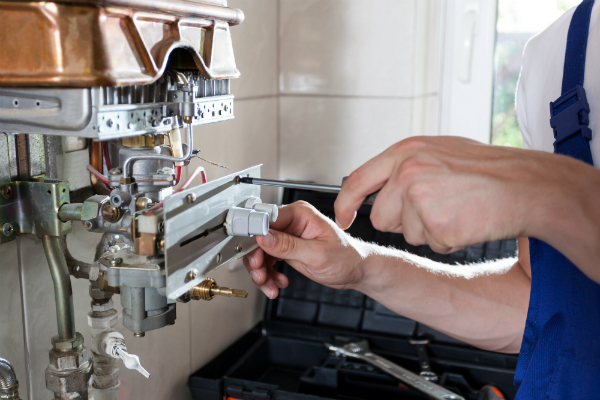
Commercial water heaters: maintenance guide for businesses offers clear steps to help keep water heating systems in good shape and working well. These simple checks and maintenance reduce the chances of failures, minimize repair costs, and provide consistent hot water for everyday use. Duties such as flushing tanks, checking valves, and testing temperature controls can uncover minor issues before they cause big problems. Different types of water heaters, such as storage, tankless, or heat pump units, require varying maintenance. Every business may have its own unique requirements depending on hot water usage and building type. To assist building owners and managers, this guide demonstrates optimal methods to maintain commercial water heaters safe and functioning properly over time.
Key Takeaways
- Commercial water heaters need professional maintenance. They have a greater demand, more complex systems, and compliance regulations than residential units.
- Scheduled inspections, preventive maintenance checklists, and staff education avoid expensive malfunctions and prolong system longevity.
- Keeping tabs on temperature, pressure, and water quality guarantees safe and efficient functioning and can catch problems early.
- These simple routine tasks like flushing sediment and inspecting the anode rod can reduce wear, save energy, and maintain your water quality.
- By looking at usage patterns and making seasonal adjustments, we improve efficiency and better target maintenance to actual business needs.
- Hire experts for high-stakes repairs or safety issues to defend the system and staff, guaranteeing adherence to industry standards.
Why Commercial Systems Differ
Commercial water heaters are constructed with different objectives than residential units, as they must satisfy greater requirements and abide by stringent regulations. Understanding their maintenance requirements is crucial for optimal performance, as their scale, components, and behavior significantly impact daily operations.
Scale and Demand
Commercial buildings require a significant amount of hot water, typically simultaneously. Restaurants, hotels, gyms, and hospitals often have peak periods when large amounts of hot water are needed for showers, washing, or cleaning. For instance, a restaurant faces dish-washing demands during lunch in large volumes, while a hotel experiences peak demand for showering during morning hours. This necessity leads to the use of larger commercial water heater systems, which can hold anywhere from 150 to more than 500 gallons, whereas home units almost never exceed 60 gallons.
The water heating system must maintain consistent temperatures, typically ranging from 49°C to 60°C (120°F to 140°F), which is crucial for safety and energy efficiency. If the water is too cold, bacteria can thrive; if too hot, it poses a scalding risk. Performing preventive maintenance is essential to ensure reliable hot water for daily operations while controlling operational costs and preventing costly breakdowns.
Code and Compliance
Commercial water heater rules are harsh. All countries and cities have their own codes that address the installation and operation of heaters. Safety standards are a big deal. Disregard them and you’re looking at huge fines or even closing up shop. For example, commercial systems often need permits and standard safety inspections.
Certain jurisdictions revise these regulations frequently, which means that commercial outfits need to keep pace. If you don’t meet the most recent standards, you can have insurance problems or legal issues. All this means that keeping compliant isn’t a ‘set it and forget it’ type of effort.
System Complexity
Commercial water heater systems consist of various components such as pumps, mixing valves, and multiple tankless water heaters, which highlights the need for proper maintenance. This complexity signifies more points of failure and more opportunities to fulfill commercial requirements, making the role of reliable maintenance service crucial. Repairing these systems requires specialized expertise, not just general plumbing abilities, emphasizing the importance of a preventive maintenance program to ensure optimal performance and reduce costly repairs.
Most commercial organizations must consider upgrades with new releases, as smart controls or more efficient commercial water heater solutions can help reduce expenses and comply with tougher regulations. Maintenance crews require training to service these new systems, and performing preventative maintenance routines is necessary to keep such high-tech installations in top working condition.
A Proactive Maintenance Plan
It is designed to avoid damage, increase the life of your equipment, and keep your water heater operating safely and efficiently. Divide and conquer your routine tasks. A somewhat regular plan that is customized to the needs of each individual facility can help identify issues early and foster the long-term health of the system.
Key components of a proactive maintenance plan include:
- Regular inspections to catch early warning signs
- A detailed preventive maintenance checklist
- Structured schedules (annual, quarterly, monthly, etc.)
- Staff training on maintenance best practices
- Documentation of all maintenance tasks and findings
1. Visual Inspection
Regularly checking your water heater is crucial for proper maintenance. Look for signs of wear and tear, such as rust or leaks, as these can indicate hidden issues that may escalate into costly repairs. Inspecting insulation on pipes and the tank helps maintain energy efficiency, reducing operational costs. Keeping a log of your findings during routine checks is essential, as it documents the system’s condition and can help identify recurring problems before they become severe.
2. Temperature and Pressure
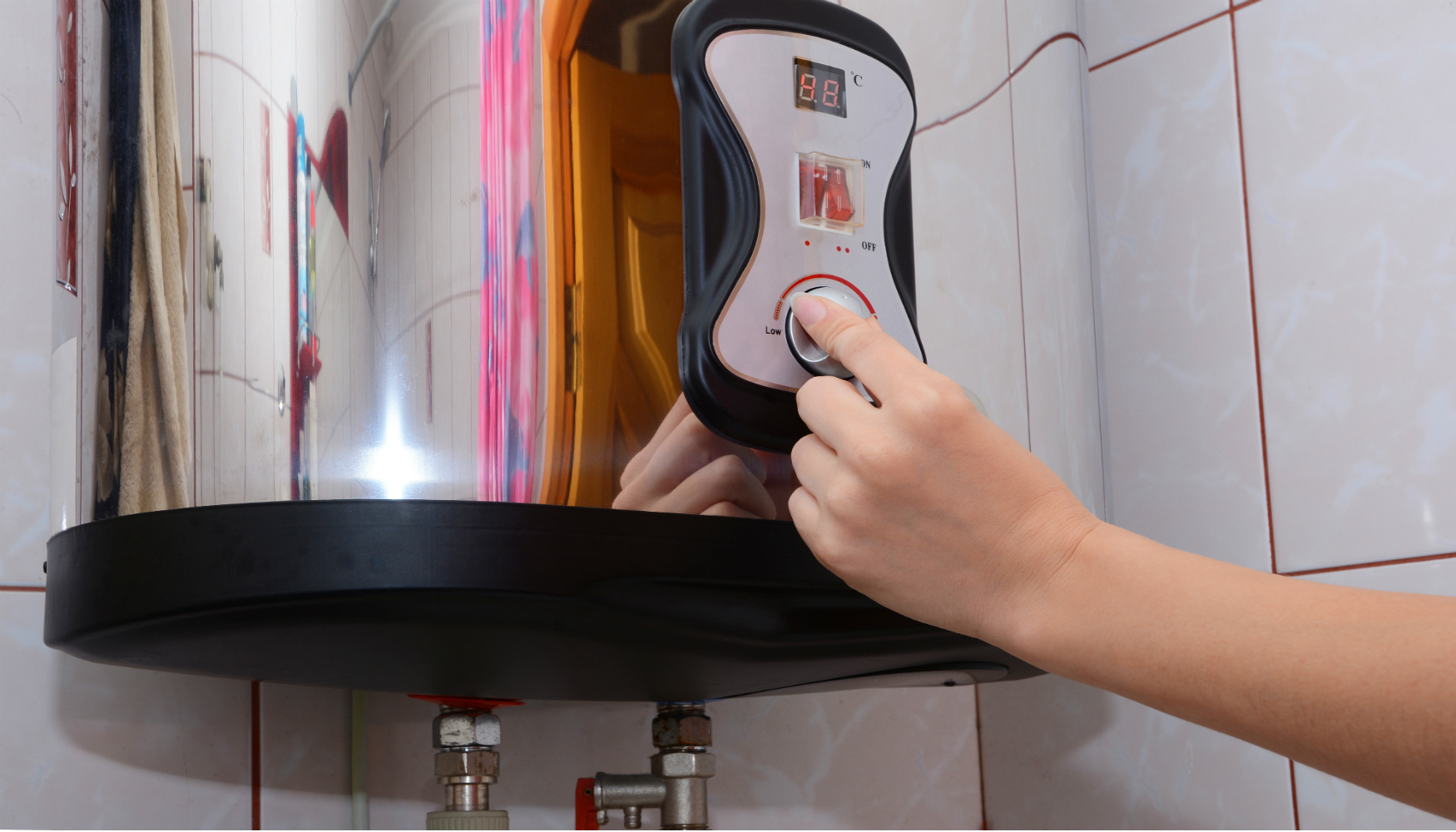
Regularly monitor thermostat settings and test water temperature to ensure optimal performance of your commercial water heater system. It is essential to intermittently check faucets and hoses for leaks and drips, repairing them promptly to prevent waste and costly repairs. Additionally, test the pressure relief valve annually, as it is a critical safety component that must open and close easily to avoid dangerous pressure accumulation. Logging all temperature and pressure measurements is vital, and educating staff about these habits underscores the importance of proper maintenance for productivity and safety.
3. Anode Rod Check
The anode rod is a crucial component of the commercial water heater system that safeguards the tank against rust. To ensure optimal performance, arrange annual inspections as part of your preventive maintenance checklist. If the rod appears thin or calcium-coated, exchange it. Magnesium and aluminum rods are the most popular; pick what complements your system and local water conditions. A quick look inside during routine maintenance checks helps monitor the rod’s condition, extending the tank’s life by two times.
4. Sediment Flush
Regularly flushing the tank is a critical factor in maintaining the commercial water heater’s performance, as it removes sediment that accumulates due to hard water. This essential maintenance task prevents weird sounds and sluggish heating, ensuring optimal performance. While heavy-use facilities may require monthly flushes, others can perform this routine maintenance check quarterly. Keeping a log of each flush and the sediment present helps adjust the schedule for proper maintenance.
5. Component Testing
Testing heating elements and thermostats with a multimeter is crucial for proper maintenance of your commercial water heater system. If a part fails, replacing it immediately can prevent larger damage or costly repairs. Maintaining notes on each test supports warranties and future preventive maintenance checklists.
Identify Early Warning Signs
Identifying early warning signs of commercial water heater problems is crucial for optimal performance and preventing downtime, as well as costly repairs. Keeping tabs on system behavior, energy efficiency, and water quality throughout the facility can help identify issues before they require professional water heater repair.
- Look for irregular water temperatures, unusual sounds, leaks or drips.
- Note any discolored or rusty water.
- Watch for significant changes in energy consumption.
- Look for corrosion or scale buildup on heating elements.
- Promptly report and document any unusual findings.
- Communicate concerns using a standard reporting protocol.
- Schedule immediate inspections when needed.
Inconsistent Temperatures
Inconsistent water temperatures are usually an indication of a faulty thermostat or heating element, often due to scale or corrosion buildup, particularly in older commercial water heater units. Risks include early warning signs, and during high demand periods, it’s crucial to monitor for falls or surges in hot water availability. Training staff to report temperature swings immediately can help catch faults before they lead to costly repairs and downtime.
Strange Noises
Strange noises from the commercial water heater, such as banging, hissing, popping, or rumbling, are not natural. Sediment buildup in the tank is a common culprit, particularly if your heater is more than a decade old. Consistent noise can indicate dying components or overheating, highlighting the importance of proper maintenance. Prompt inspection is recommended if noises persist, as this assists technicians in identifying trends and root causes.
Leaks or Drips
Even a minor leak or drip needs to be addressed as part of a preventive maintenance routine. Water on the floor or rust around pipes can indicate defective valves, corrosion, or other damage. Ignoring leaks invites water damage and bigger repair bills. Record each leak and where and how often it occurs to assist in tracking the system’s general health. Early response keeps repair costs down and prevents larger failures, ensuring the optimal performance of your commercial water heater.
Discolored Water
Rusty or cloudy water indicates sediment or rust in the tank, an issue that can compromise safety and hygiene. Performing preventative maintenance, including routine water testing, will help you detect these early. If discolored water persists, arrange for a tank flush or repair. Staff should know to report any change in water color, which is one of the critical factors indicating something is wrong with the commercial water heater.
Maintenance and Your Budget
Commercial water heaters are an expensive investment, and the way you maintain them can affect your bottom line. Comparing routine maintenance costs with the savings it provides against emergency repairs demonstrates obvious savings over time as well. Good maintenance is about more than your comfort — it’s about your budget too! To see the numbers, compare common costs and savings in this table:
| Maintenance Task | Estimated Cost (USD) | Potential Savings/Benefit |
| Biannual professional check | $200 | Lower repair costs, better lifespan |
| Emergency repair | $1,500–$3,000 | Only restores function |
| Energy-efficient upgrade | $1,000–$2,000 | 10–20% reduction in energy costs |
| Downtime per day | $400–$2,000 | Lost revenue, productivity loss |
Including downtime, a broken heater doesn’t just generate repair invoices; it stops business. Preventive maintenance prevents those expensive disruptions. Financing options, such as service contracts or payment plans through vendors, can help distribute costs so maintenance is feasible for most budgets.
Energy Savings
Monitoring energy use in advance and after implementing maintenance plans demonstrates obvious savings. Simple, regular tasks like adjusting thermostats, insulating, and sediment draining keep operations smooth and reduce waste. When businesses replace old parts with energy-efficient upgrades, such as better-insulated tanks or smart controllers, operating costs fall even further. If staff receive training on hot water usage, including timers or proper temperature, waste decreases.
Keeping an eye on your energy bills each month can catch spikes that indicate a problem with the heater. If bills continue to rise, it may indicate a leak, sediment build-up, or thermostat issue. Repairing these early helps your budget later.
Longevity
A heater’s lifespan is very much dependent on the proper maintenance it receives. Omitting essential maintenance tasks results in costly breakdowns. A consistent schedule, think of a professional maintenance service every six months, translates into fewer replacements and more years of use. When considering whether to upgrade or maintain older units, consider how much you’re spending on repairs.
Occasionally, a new energy-efficient unit, such as a tankless water heater, actually pays for itself in savings. Maintain a log of all maintenance services. This assists with warranty claims and makes it easier to determine when a replacement is the more prudent choice.
Downtime Prevention
Maintenance and your budget! With a proactive approach to preventive maintenance, water heaters run when they’re needed most. Schedule periodic checks when your business is slow to avoid interrupting daily operations. Additionally, plan for emergency situations by having speedy repairs and a spare commercial water heater if possible. If staff identify symptoms of problems, such as noises, leaks, or weak hot water flow, they can alert issues early, reducing the potential for catastrophic breakdowns. This collaboration keeps downtime minimal and operations humming.
Beyond the Standard Checklist
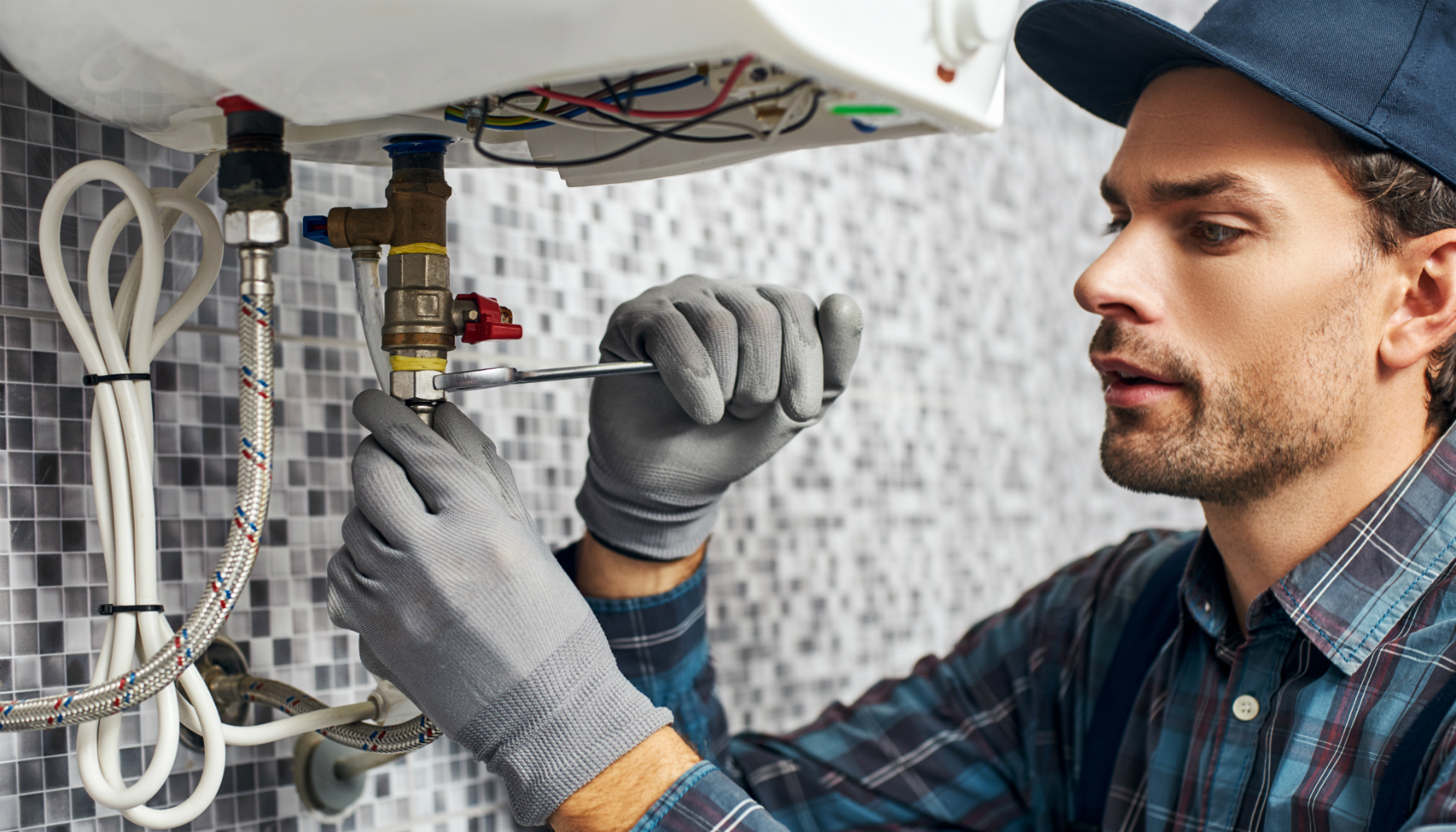
Commercial water heaters require more than standard checklists for proper maintenance. A smart preventive maintenance program has you covered from all angles, including seasonal changes, water hardness, and consumption patterns, ensuring optimal performance and avoiding costly repairs.
- Change temperature and check insulation before each season.
- Flush heaters two times a year to clear sediment and bacteria.
- Check anode rods once every 6 to 12 months and swap them out every 3 to 5 years.
- Test expansion tanks and heating elements at least yearly.
- Adjust maintenance based on water quality and usage trends.
- Start preventive maintenance right after installation.
Seasonal Adjustments
Seasonal water temperature change keeps energy in check. Winter may require a higher setting to satisfy greater demand while lowering the temperature in summer conserves energy. Check insulation around pipes and tanks before cold weather. This helps reduce heat loss and prevent freezing.
Schedule larger service visits for your off months. Having a service team out before busy seasons helps catch issues early. To go beyond the standard checklist, flushing your heater in the spring and fall takes care of buildup when usage changes. This prevents bacterial growth. Educate employees on these seasonal processes so they know why things happen and how to identify an issue.
Water Quality Impact
Water quality varies from location to location. Hard water mineral content leads to more scale inside tanks and pipes, which reduces efficiency rapidly. Water testing typically reveals what is in the water, including hardness, iron, or bacteria.
Install screens if the tests indicate significant solids or pollutants. Change or clean these during regular inspections. Each report should tweak what gets cleaned, checked, or replaced in the system. Train staff on how water quality impacts heater life and safety so they pursue any concerns they observe.
Usage Pattern Analysis
Observe your business’s hot water consumption. Some locations experience surges at particular times. Others maintain consistent traffic. Use this information to schedule flushing, inspections, or upgrades. A crowded spell may require additional checks or even a larger tank.
Document these trends. It aids in identifying patterns and preparing for what lies ahead. When teams understand how usage influences maintenance, they treat the system with more care and conserve energy. Adjust the schedule as habits shift to keep things flowing smoothly.
When to Call a Professional
Certain water heater issues, especially those related to commercial water heater systems, are more than what in-house teams should handle. Understanding when to call in a professional maintenance service ensures your systems remain safe, efficient, and compliant with regulations.
- Major leaks or flooding from the heater
- No hot water during peak business hours
- Gas smells or signs of carbon monoxide
- Repairs involving high-voltage electricity or gas lines
- Unusual noises, rust-colored water, or inconsistent temperatures
- Cost of repair over 50% of new unit price
- Units over 8–10 years old with ongoing issues
- Any safety risk or emergency
Complex Repairs
These types of repairs frequently contain electrical systems or gas lines or internal components. These repairs require expert knowledge, equipment, and licensing. If the team can’t quickly locate or address the problem, a professional should intervene. This covers issues like swapping out heat exchangers, repairing electronic control modules, or troubleshooting wiring defects.
Attempting to repair these problems on your own without training can cause further damage or accidentally create safety concerns. Staff should stay away from DIY for anything more than maintenance. It’s helpful to maintain a service and repair log. This record can inform future repair versus replace decisions, particularly as units get older and repair costs begin to escalate.
Safety Concerns
Safety first. All servicing should be performed in accordance with local and international safety codes. Staff must identify hazards like gas leaks, scorch marks, or breaker trips. If there is a strong gas odor or if someone observes sparks or water around electrical components, a licensed professional needs to be called immediately.
They need to have emergency shutdown and evacuation policies. Safety inspections and employee training assist in risk mitigation. Maintaining up-to-date safety inspection and incident records is crucial for compliance and protecting all who are on site.
Certified Technicians
Major repairs and new installations should be left up to certified technicians. Verify technician credentials and ensure they are industry-certified and experienced with commercial systems. Establish a list of reliable specialists to contact in a crisis.
Maintain a log of each tech’s visit, what was repaired, and why! This aids in tracing warranty coverage and provides the business with a concrete service history to inform future decisions.
Conclusion
If you want to keep the hot water flowing, smart upkeep always prevails. An easy schedule saves money and maintains safety. Watch out for leaks, strange noises, or sluggish heating and respond quickly. Repair tiny issues before they become big. Hands-on: clean tanks, inspect components and monitor rust. Trust a pro for big fixes or if you detect danger. A few simple checks save big bills and prevent downtime. Consider your heater a vital part of the operation. Care for it and it will perform hard. A consistent schedule leads to less chaos and more smooth sailing. For your next action, check out your installation today and schedule a comprehensive inspection. Be proactive, keep the water hot and out of trouble down the road.
Frequently Asked Questions
1. What makes commercial water heaters different from residential models?
Commercial water heaters are designed for greater demand, featuring bigger tanks and stronger heating elements. Proper maintenance is essential to ensure that businesses receive a consistent hot water supply throughout the day.
2. How often should commercial water heaters be serviced?
Commercial water heater systems should undergo preventive maintenance services every 6 to 12 months, as experts recommend. Routine maintenance checks minimize downtime and ensure optimal performance.
3. What are common early warning signs of water heater problems?
Be on the lookout for irregular noises, fluctuating temperature, rust-colored water, or leaks, as these telltale signs could indicate your commercial water heater system is due for preventive maintenance.
4. Can regular maintenance save money for businesses?
Yes. Regular preventive maintenance can help avoid expensive emergency repairs, prolong the life of your commercial water heater, and reduce energy costs, ultimately lowering operational costs in the long run.
5. What tasks go beyond the standard maintenance checklist?
In addition to these essential inspections, professionals can perform routine checks on pressure relief valves, test system controls, and ensure proper maintenance of ventilation to conserve safety and efficiency.
6. When should a business call a professional for water heater service?
Call a pro for reliable maintenance service if you have leaks, no hot water, error codes, or other persistent issues with your commercial water heater.
7. Is it safe for staff to perform maintenance on commercial water heaters?
Simple things like visual inspections are okay, but complicated repairs on your commercial water heater should be left to the professionals to ensure proper maintenance and safety compliance.
Take a Water Heater Deep Dive with Superior Mechanical Services
When your water heater starts struggling, everything from morning routines to evening clean up gets harder. Superior Mechanical Services, Inc. gives homeowners a clear look at how their system is performing and what it needs to stay reliable. This Water Heater Deep Dive covers performance issues, efficiency opportunities, safety concerns, and any signs your system might be nearing the end of its lifespan.
Bay Area families have turned to our team since 1948 for straight answers and dependable service. If your water heater takes too long to heat, runs out faster than it should, makes unusual noises, or pushes your utility bills higher, our certified technicians will break down the cause and guide you through the best next steps. You get clear explanations and transparent pricing so you can plan with confidence.
A detailed assessment can extend the life of your system, prevent surprise failures, and keep your home running smoothly. We focus on long term reliability and energy smart solutions that save you money and reduce stress.
Call today to schedule your Water Heater Deep Dive with Superior Mechanical Services. With more than 70 years of experience, our team helps Bay Area homeowners stay prepared with a water heater that works the way it should every day.
_________________________________________________________________