Can Water Heater Upgrades Lower Utility Bills?
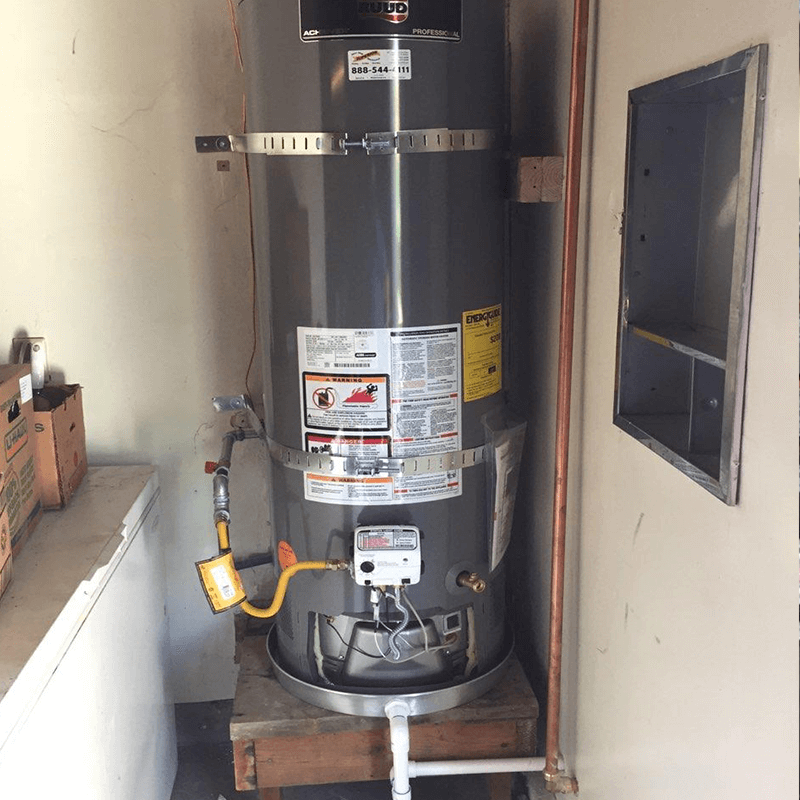
Water heater upgrades can lower utility bills by making your energy usage more efficient and reducing waste. Newer models tend to use less electricity or gas to heat the same quantity of water. Today’s fancy options, like tankless or heat pump water heaters, do far better than many ancient tanks. In most homes, heating water accounts for a significant portion of the energy bill. Switching to a newer unit can help reduce those costs month over month. A few upgrades introduce smart controls, allowing users to optimize water consumption and bypass heating water when it’s unnecessary. Upfront costs differ by type, but savings can appear over time. The body below discusses upgrade options, cost information, and how to select the best fit.
Key Takeaways
- Upgrading to a modern water heater can significantly lower energy consumption and reduce monthly utility bills, especially when replacing older inefficient models.
- Energy-efficient options, such as heat pump, tankless, hybrid, and solar water heaters all provide different advantages. Choosing the best type for your household needs and long-term savings goals is important.
- With intelligent thermostats and insulation, new water heaters reduce waste.
- Eco-friendly options such as solar and hybrid systems can decrease utility costs and environmental footprint even more. Some areas provide rebates or tax credits to offset installation.
- Smart hot water management and energy-saving habits at home get the most from any water heater upgrade.
- Talking to professionals and doing a good cost-benefit analysis will guarantee an optimal upgrade path and steer you away from the myths surrounding today’s water heating options.
The Hidden Cost of Hot Water
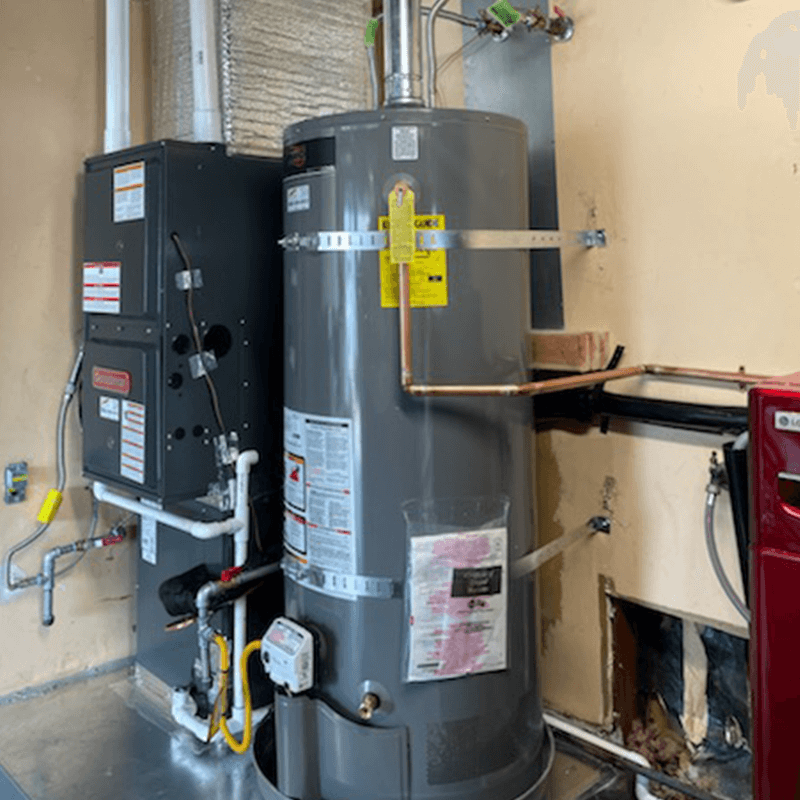
Hot water draws a significant chunk of household energy, accounting for roughly 19.3% of the typical home’s energy costs. That puts it just behind heating and cooling. Even the most innocent habits, like longer showers or frequent laundry loads, can push costs up without many realizing it until the bill arrives. A little monthly cost increase from hot water may not seem significant, but it can compound over a year. When consumers search for savings, hot water is often overlooked despite its obvious influence on energy bills.
The secret is that an old or inefficient water heater is the main culprit. Older models, particularly those over 10 to 15 years old, often labor simply to keep water hot. They consume more energy and may do so inefficiently, wasting both power and money. Most standard electric water heaters consume two to three times the energy of newer heat pump water heaters or tankless systems. For example, heat pump water heaters require as much as 75 percent less energy than conventional styles, while tankless types conserve approximately 30 percent more energy than the typical tank system. Both are effective options for reducing waste and cutting costs.
Here’s the hidden price of hot water. Older units are more likely to break down. Repair and maintenance bring hidden costs that are easy to overlook. As small repairs pile up and efficiency drops, the long-term cost of holding on to an old unit can outpace the cost of a new, efficient water heater. Sizing matters, too: a heater that’s too small leaves people with cold showers, but one that’s too large wastes energy every day, impacting overall household energy use.
Installing a hybrid water heater that’s energy-efficient isn’t just about slashing bills. The payback for most efficient models is around two to three years due to energy savings. Certain countries provide federal tax credits up to $2,000 for new energy-efficient water heaters, which assists in reducing upfront costs. Easy actions, such as quicker showers, reduce energy consumption, indicating that even our everyday decisions make a difference in achieving efficient home heating.
How Upgrades Cut Your Bills
New water heaters have improved components and intelligent features. How Upgrades Trim Your Bills With fresh upgrades, homes and businesses can consume less energy and save more money in the long run. These improvements come from a combination of improved technology, smarter controls, and cleaner sources of energy.
1. Enhanced Efficiency
Modern hybrid water heaters save energy by moving heat rather than producing it, which results in less electricity consumption. They tend to consume 50 to 70 percent less electricity than comparable electric models. When you check efficiency ratings, such as the energy factor or uniform energy factor, new models frequently show a significant advantage of up to 15 to 30 percent better than older tanks. For example, adding a smart thermostat can save on heating and cooling costs by about 8 percent by allowing users to set the right temperature and schedule for their needs. Additional insulation in new units keeps water hot longer, reducing energy loss.
2. On-Demand Heating
Tankless or on-demand heaters, known for their efficient water heating, provide hot water only when it is needed, significantly reducing energy loss from maintaining a tank hot all day. This results in less standby loss, making them ideal for homes with limited space, such as flats. By opting for these modern water heaters, users can save up to $600 a year and more than $4,500 over the heater’s lifetime, demonstrating the benefits of efficient home heating.
3. Smarter Technology
Smart water heaters, including hybrid water heaters, monitor not only how much energy is consumed but also when. Others connect to home automation systems, enabling users to schedule timers and adjust settings via a smartphone. With programmability, the unit heats water only when it is required, enhancing efficient water heating and trimming waste. Smart heaters send alerts if something is wrong, making them more reliable and user-friendly.
4. Reduced Standby Loss
Today’s hybrid water heaters are equipped with thick insulation and improved seals that minimize heat loss, leading to efficient water heating. With less standby loss, these modern water heaters utilize significantly less energy to maintain water temperature. Unlike older models that waste power even when not in use, new water heaters retain heat better, reducing operating costs and cutting monthly energy bills.
5. Alternative Energy
Solar water heaters are very simple and utilize solar energy to directly warm water, resulting in significant savings on electric bills, especially in sunny locations. Hybrid water heaters, which combine electric and heat pump technology, make efficient water heating options accessible for more households. Going green not only reduces your monthly energy bills but also benefits the planet. Although the initial investment is higher, the long-term savings are worthwhile.
Choosing Your Upgrade Path
Picking the upgrade that is right for you. That is, considering your existing system’s configuration, your household’s requirements, and how much you want to save in the long run. Newer water heaters have better insulation and smarter controls. These upgrades are designed to retain heat and consume less energy, thereby reducing your monthly bills. If repairs exceed half of a new unit’s cost, it typically makes sense to replace. Lifespan is important as well. Tank styles survive around 8 to 12 years, while tankless heaters might last up to 20 with some TLC. Jumping between types tends to require additional groundwork. Opting for a more spacious or more efficient system now can prevent you from having to upgrade again too quickly.
Tank-Style Water Heaters:
- Pros: Simple installation, lower upfront costs, reliable for most homes.
- Cons: Lower lifespan, higher standby heat loss, often bulkier.
Tankless Water Heaters:
- Pros: Longer lifespan, takes up less space, heats water on demand.
- Cons: Higher upfront costs, installation can be tricky, may need upgrades to gas or electric lines.
Hybrid Water Heaters:
- Pros: High energy efficiency, can work in many climates, lower long-term costs.
- Cons: Needs more space, higher initial investment, can be louder.
Solar Systems:
- Pros: Uses renewable energy, low running costs, eco-friendly.
- Cons: High upfront cost, depends on sunlight, may need backup.
Condensing Units:
- Pros: Very efficient, good for high hot water demand, uses waste heat.
- Cons: More complex, higher price, needs proper venting.
See if there are any local incentives or rebates for upgrading to more energy-efficient models. Compare energy ratings. As always, seek a trusted professional when making your final selection.
Tankless Models
- Puts out hot water when required, provides endless hot water, saves space, and can have a service life of up to 20 years.
- Look at your household’s peak water consumption, including the number of showers, taps, or appliances operating simultaneously. Select a unit that meets your highest flow requirement.
- Installation costs exceed those of tank systems. Monthly bills typically decline by 15% to 30%. Over time, these savings can outweigh upfront expenses, particularly in areas with high electricity rates.
- Tankless units require annual servicing to avoid mineral deposits. Checking on your upgrades keeps things running efficiently and gives your computer a longer life.
Hybrid Heaters
Hybrid heaters utilize a heat pump with electric backup that pulls warmth from the air, making them significantly more efficient than standard electric units. This duo can reduce power consumption by fifty percent in lots of households.
Energy savings can be huge in mild or warm climates. Upfront costs are greater than conventional tanks, and reduced monthly bills aid in defraying this over time.
Hybrid heaters require additional space for airflow and may be less effective in cold zones. They are ideal for houses with consistent demand and room for a bigger unit.
Using solar heaters utilizes the sun’s energy, reducing dependence on gas or electricity. This can cut bills by as much as 60 percent, and results vary with your climate and roof space.
Solar water heaters reduce emissions and minimize your carbon footprint. This makes them one of the greenest options.
Think five to ten years return on investment, aided by incentives and low running costs. The savings over the long haul are most apparent in sunny areas.
Condensing Units
Condensing water heaters utilize heat from exhaust gases, increasing their efficiency over conventional gas models. They can reduce energy consumption by more than 15 percent.
On-going costs are less than legacy solutions. These savings really start to add up over time, especially in hot water hungry households.
These units find their niche wherever you demand a lot of hot water, such as large families or communal living spaces. They tend to be more expensive initially, but the lifetime savings can make up for it.
Condensing heaters employ an advanced heat exchanger system. This drives efficiency and results in more servicing and the requirement of proper venting.
Calculating Your Real Savings
Upgrading your water heater can help lower utility bills, but the amount you save depends on several moving parts. Start by putting together a simple budget that accounts for both costs and potential savings. This includes the upfront price of the new system, installation expenses, and how those compare to what you currently spend on energy and maintenance.
Next, look at your own household’s energy use to estimate what kind of savings make sense for you. Different types of water heaters perform differently, and the biggest improvements often come from switching away from older or less efficient systems. Factors like local energy prices, household size, and daily hot water use all play a role in the final outcome.
Long-term savings also include maintenance. Newer systems often need fewer repairs and tend to be more reliable over time. Smaller repair costs can quietly add up to meaningful savings, especially when you compare them to the upkeep required by an aging unit. Laying out expected maintenance needs for both your current system and a replacement can make these differences easier to see.
Overall, even modest improvements in efficiency can make an impact. When water heating becomes more efficient, everyday activities that rely on hot water place less strain on your energy budget, helping savings build gradually over time.
Beyond the Heater Itself
Beyond the heater itself, modern water heaters, including hybrid water heaters and electric water heaters, influence how many BTU your system burns daily.
Your Habits
Daily habits significantly influence energy consumption, particularly in relation to hot water usage. Monitoring your hot water each week can uncover patterns, like marathon showers or frequent small laundry loads. By shortening shower times, even a 2-minute reduction can save liters of hot water. Additionally, setting your hybrid water heater to 49°C (120°F) instead of higher can reduce your energy consumption by 6 to 10 percent. Small changes, like doing laundry in cold water or running full loads, contribute to efficient water heating.
Family buy in, too. Beyond the heater itself, sharing simple tips like turning off the tap while brushing teeth invites everyone to save. Going beyond the heater itself, establishing simple reminders such as a bathroom sign helps keep positive habits on point.
Energy-efficient practices, such as running the dishwasher at night or installing low-flow shower heads, can complement a new water heater. These strategies, along with regular drip-tap inspections, lead to significant savings on energy bills.
Your Plumbing
Leaking pipes or fixtures waste water and energy, driving up bills. Even minor leaks accumulate. Routine inspections and minor fixes prevent big damage. New, upgraded pipes make for better hot water delivery, so water heats up faster and remains hot longer. Beyond the heater itself, pipe sizing matters. Undersized pipes can impede flow and make the heater work harder.
A pro plumber can uncover hidden problems. They could recommend improved layouts or pipe insulation, all of which enhance system efficiency. Booking yearly check-ups keeps the entire system humming and prevents expensive repairs.
Your Home
Good insulation is essential for maintaining heat within your home. Poorly insulated homes can lead to increased energy bills as the water heater, especially if it’s a hybrid water heater, works harder to maintain temperature. Sealing gaps around doors, windows, and the water heater itself effectively prevents energy leakage, ensuring efficient water heating throughout the year. Even small cracks can significantly impact heat retention, particularly during winter or intense summer heat.
The layout of your home also affects how quickly hot water reaches your taps. A long distance between the heat pump water heater and fixtures can result in energy loss. Incorporating energy-saving fixtures, like low-flow taps, can enhance savings further.
Conducting a home energy audit can pinpoint vulnerabilities and highlight areas for insulation improvements. Simple changes, such as adjusting blinds to control sunlight exposure, can greatly influence your home’s overall heat load, thus supporting efficient home heating and reducing monthly energy bills.
Common Upgrade Misconceptions
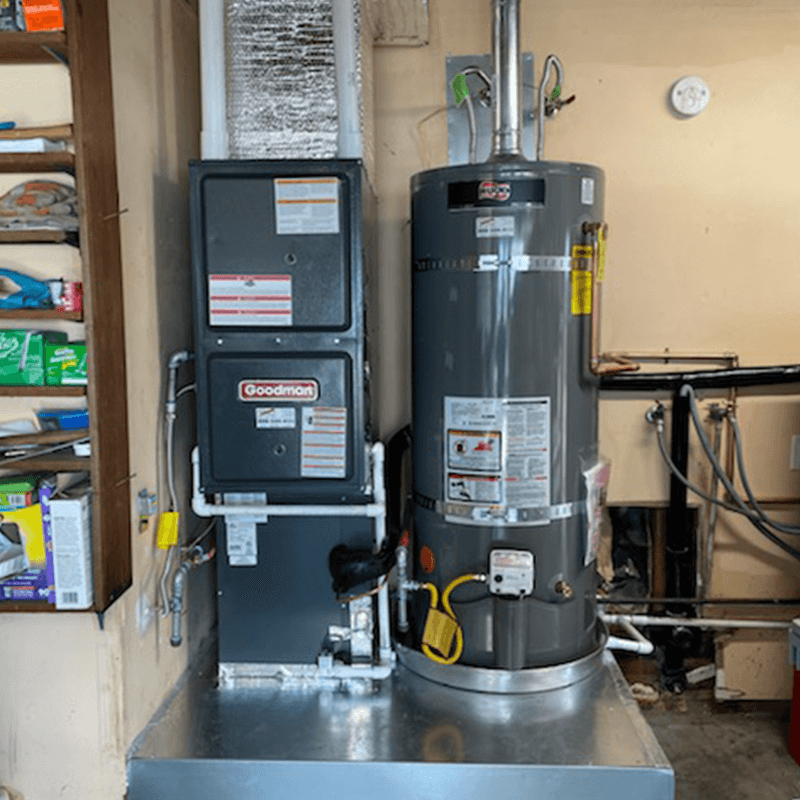
When it comes to water heater upgrades, many myths and misconceptions stand in the way of good decisions. These misconceptions tend to drive spending decisions, system choices and anticipated utility savings.
Switching from a conventional storage water heater to tankless water heaters is fast and easy, right? These types of changes frequently require a bit more planning. For instance, a tankless heater could require gas line or electrical upgrades, driving up both the price and the time it takes to complete the work. Others think that tankless models provide an infinite amount of hot water. The truth is that if a lot of taps or showers run simultaneously, the system can still be extended, causing water pressure and/or temperature to drop.
Another upgrade myth relates to how much it’d cost to switch to a more efficient water heater. Others believe it’s going to be too expensive and ‘won’t pay.’ The upfront cost needs to be considered against the potential savings over time. Not all homes benefit from significant savings on their energy bills. Savings is a function of usage, insulation, and even climate. For instance, a family with low hot water demands wouldn’t save a whole lot with a hybrid water heater.
Reliability and life are myths. Newer water heaters, including advanced options like heat pump systems, are built well, but no unit is maintenance-free. Routine inspections, like swapping out the anode rod, avoid rust and leaks. Age isn’t the only indicator that it’s time to replace your heater. Indicators such as rusty water, strange sounds, or subpar performance can signify it’s time to upgrade regardless of the unit’s age.
In conclusion, understanding the facts about modern water heaters can lead to better choices. Whether opting for a hybrid water heater or tankless systems, it’s essential to consider all aspects, including efficiency, maintenance costs, and household needs. This approach can ensure reliable performance and significant savings on energy expenses over time.
Conclusion
New water heaters consume less energy and less water. That translates into actual savings on your next bill. Selecting the appropriate upgrade requires some research, but the reward seems well-deserved: comfortable showers, reduced expenses, and less concern over decrepit parts dying. Others see even greater bill decreases by repairing air leaks or installing quality insulation. Heat pump and tankless models get all the talk, but even a well-tuned old tank can translate into savings if you use it smart. To trim bills and maximize comfort, consider your actual needs and be on the lookout for new technology or rebates in your region. Have questions or your own story to share? Leave a comment and join the discussion.
Frequently Asked Questions
1. Can upgrading my water heater really lower my utility bills?
Yes, upgrading to a modern water heater, such as a hybrid water heater, enhances energy efficiency and reduces monthly energy bills.
2. What type of water heater upgrade saves the most money?
Tankless and heat pump water heaters are among the most efficient water heating options available. They consume less power than conventional water heaters, leading to significant savings on energy bills over time.
3. How do I know if my current water heater needs an upgrade?
If your water heater is more than a decade old or your bills are spiraling upward, it’s time to consider a hybrid water heater upgrade. Rare repairs indicate it is less efficient.
4. Are there any hidden costs when upgrading a water heater?
Certain upgrades, such as installing a modern water heater or a heat pump water heater, might necessitate plumbing or electrical modifications.
5. How long does it take to see savings after upgrading?
Do water heater upgrades, such as hybrid water heaters, reduce utility bills? Real savings depend on your household’s hot water usage.
6. Does water heater maintenance affect utility bills?
Yes. As you’d expect, regular maintenance, such as flushing the tank and checking for leaks, keeps your hybrid water heater humming, which can help lower monthly energy bills.
7. Can I install a new water heater myself to save money?
We suggest professional installation of modern water heaters. Improper installation diminishes efficiency, creates hazards, and can void warranties. As always, check with a technician for the right water heater.
Take a Water Heater Deep Dive with Superior Mechanical Services
When your water heater starts struggling, everything from morning routines to evening clean up gets harder. Superior Mechanical Services, Inc. gives homeowners a clear look at how their system is performing and what it needs to stay reliable. This Water Heater Deep Dive covers performance issues, efficiency opportunities, safety concerns, and any signs your system might be nearing the end of its lifespan.
Bay Area families have turned to our team since 1948 for straight answers and dependable service. If your water heater takes too long to heat, runs out faster than it should, makes unusual noises, or pushes your utility bills higher, our certified technicians will break down the cause and guide you through the best next steps. You get clear explanations and transparent pricing so you can plan with confidence.
A detailed assessment can extend the life of your system, prevent surprise failures, and keep your home running smoothly. We focus on long term reliability and energy smart solutions that save you money and reduce stress.
Call today to schedule your Water Heater Deep Dive with Superior Mechanical Services. With more than 70 years of experience, our team helps Bay Area homeowners stay prepared with a water heater that works the way it should every day.
_________________________________________________________________