Can Multi-Zone Ductless Systems Really Improve Indoor Air Quality? Let’s Find Out!
Indoor air quality (IAQ) refers to the cleanliness and safety of the air inside a building, directly impacting health and comfort. Healthy indoor air quality (IAQ) is a breath of fresh air, especially with efficient ductless systems that help lower exposure to allergens and pollutants, essential for families with respiratory conditions or sensitivities.
Common Indoor Air Pollutants
Indoor air pollutants such as dust, mold, and VOCs can not only make your home uncomfortable, but they can cause serious health issues. While dust may settle on surfaces, mold prefers damp environments such as bathrooms.
VOCs, which can be emitted by everyday cleaning products, paints, or even new furniture, can persist for months. Without adequate ventilation, these pollutants build up, particularly in tightly sealed homes.
Common day-to-day tasks add dangerous particles and VOCs to this equation. This issue is compounded when cooking, cleaning, and smoking indoors are factored in.
Why IAQ Matters For Health
Poor indoor air quality (IAQ) can worsen pre-existing conditions such as asthma and allergies, inducing symptoms or even acute attacks. For instance, a person with asthma might be more sensitive to dust mites or pet dander if they live in an unventilated environment. Utilizing a ductless HVAC system can help mitigate these issues by improving ventilation and reducing indoor air pollution.
Beyond respiratory health, improved IAQ promotes cognitive function and productivity, allowing you to feel clear-headed all day long. Long-term exposure to indoor pollutants such as VOCs can lead to chronic health conditions, underscoring the importance of a reliable air conditioning system for effective air filtering.
This is a reminder of the necessity of proactive air quality management.
Factors Affecting Indoor Air Quality
There’s no question that humidity is a huge factor in IAQ. Too much humidity can promote mold proliferation and dust mites, but too little can dry out nasal passages.
Outdoor pollutants, such as smog, can come inside, further decreasing IAQ. Building materials and furnishings, like carpets or adhesives, can emit VOCs over time, further compromising indoor air quality.
Ductless Systems: An Overview
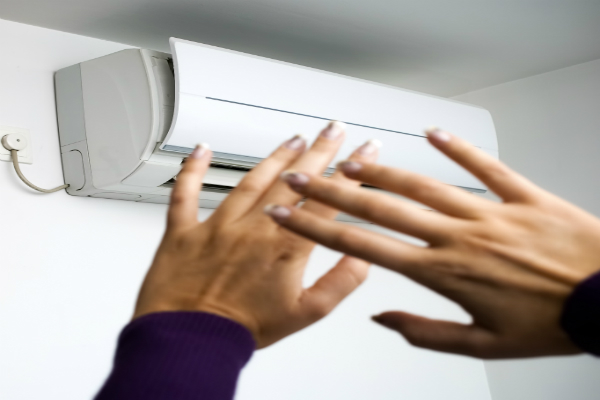
Ductless systems, sometimes referred to as mini-splits, represent a relatively new and exciting option to traditional HVAC configurations. Ductless systems provide efficient heating and cooling directly to the spaces that need it most. Different from ducted systems, they operate without the need for complex ductwork for air dispersal.
They make a smart solution for homes where it would be cost-prohibitive or impractical to install ducts. They improve comfort without the headache of extensive renovations.
At their core, ductless mini-split systems consist of two main components: an outdoor compressor and one or more indoor air-handling units. These units are linked through refrigerant lines and electrical wiring, allowing precise control over each space’s temperature.
The beauty of the indoor units is their compact size and flexibility! They range from 30 to 44 inches wide, 12 to 14 inches high, and 6 to 10 inches deep, giving you flexibility to fit them in many different spaces. You can mount it on either interior walls or ceilings. You can alternatively install it in-between a drop ceiling if you have 10 to 14 inches of clearance.
One point of confusion is why ductless technology has taken over so much ground in today’s homes. Homeowners have made it clear that energy efficiency is at the top of their list. They love saving up to 30% on their heating and cooling bills with ductless systems.
These systems bring new levels of flexibility, featuring configurations with multiple indoor units—up to five indoor units per outdoor compressor. This lends them well to multi-room applications, providing tailored comfort to each area while minimizing unnecessary energy use.
A Carrier ductless air conditioner is a great example of this trend, providing school-efficient cooling for homes with little space or no ductwork. By removing the requirement of ducts, which typically lose a ton of energy, savings and sustainability are maximized.
How Do Multi-Zone Ductless Systems Improve Indoor Air Quality?
Here’s how multi-zone ductless systems do a better job of providing improved indoor air quality (IAQ) through advanced technology and innovative design. These systems not only keep temperatures comfortable, but they also remove dangerous pollutants, manage humidity levels, and optimize airflow.
By addressing the fundamentals such as advanced filtration, air circulation and moisture management, they help achieve healthier indoor spaces.
1. Multi-Stage Filtration Benefits
Ductless systems incorporate multi-stage filtration to capture up to 95% of airborne particles. Advanced high-efficiency filters trap dust, pollen, and even smaller allergens as small as 0.3 microns, removing 99.9% of harmful indoor air contaminants.
For allergy sufferers or anyone with respiratory issues, this level of filtration is a tremendous improvement. Filters should be cleaned or replaced regularly to continue this level of efficiency, providing lasting, healthy benefits.
2. Ductless Design Prevents Buildup
Unlike conventional HVAC systems, ductless units eliminate ductwork, a common hiding place for dust and mold. Their design reduces static zones where particles can build up.
Since each indoor unit directly conditions the air within the room, there is less chance that contaminants will be circulated from one area to another.
3. Humidity Control For Better Air
Curious about other ways that ductless technology improves indoor air quality? Good moisture control means greater comfort.
It further promotes overall respiratory health by minimizing irritants such as damp air and mildew.
4. Enhanced Air Circulation Explained
These systems help to enhance air distribution through even, zoned airflow. Improved efficiency is achieved by improving airflow throughout the home helps diminish indoor air pollutants.
This also provides more even temperatures, which enhances overall comfort.
5. Pest Prevention And Air Quality
Proper ventilation provided by ductless systems keeps insects and rodents, which prefer still air, at bay. Cleaner, pest-related allergens are significantly reduced due to purified air.
Cleaner, balanced airflow prevents pests from being attracted to balanced airflow.
Advanced Filtration Features Explained
Fortunately, multi-zone ductless systems include advanced filtration technologies that have been shown to vastly improve indoor air quality. These advanced systems have been tested to effectively reduce multiple different indoor air pollutants for cleaner and healthier indoor air quality.
Know what kind of filter you need and how effective they are. By understanding advanced filtration features and comparing them to traditional HVAC systems, you can make informed decisions that will boost air quality in your home or office.
Types Of Filters Used
Ductless systems typically use advanced filters like HEPA (High-Efficiency Particulate Air) filters and activated carbon filters. We’re all familiar with HEPA filters, which are designed to capture particles down to 0.3 microns — dust, pollen, and many types of bacteria.
Activated carbon filters are incredibly efficient at removing odors and VOCs. Some systems have a pre-filter that is washable and captures larger particles, like pet hair. These deep UV filters are easily cleaned with a HEPA vacuum.
Finding the right combination of advanced filtration features will help address your needs, whether you require relief from seasonal allergies or removal of pet-related odors.
Filter Efficiency And Ratings
Filter efficiency is rated by values such as MERV (Minimum Efficiency Reporting Value). The higher the MERV rating, the smaller the particles it can capture. For example, a MERV 13 rated filter can capture very small particles, such as smoke and bacteria, providing you with the highest level of air filtration for cleaner air.
Knowing what these ratings mean will help you choose filters that fit your indoor air quality objectives without sacrificing your system performance.
Optimizing Airflow And Eliminating Stagnation
Expect great improvements in indoor air quality (IAQ) from a well-planned multi-zone ductless HVAC system, which focuses on optimizing airflow and eliminating stagnation. These advanced ductless air conditioning systems offer targeted control over air distribution, delivering fresh, clean air to every nook and cranny of your home.
Zoned Comfort for Air Quality
Zoned comfort lets you focus on improving air quality where it is most needed. When you customize the temperature for each space or room, you’ll create the right environment as people come and go. Improving comfort by keeping bedrooms cooler at night increases your comfort.
Optimizing all living spaces to allow for natural ventilation and curtailing indoor air stagnation through the day further protects IAQ. This focused, localized approach best serves families and students who come with different preferences. This way, each member can enjoy their comfort without sacrificing efficiency.
Targeted Air Distribution Strategies
Even distribution of air throughout the space begins with thoughtful installation, beginning with the positioning of the indoor unit. Ductless units are most effective in spaces where the ceiling extends a minimum of 7 to 8 feet high. To get the best airflow, install them 6 feet from the floor.
Deliberately grouping units—like near ones sheltered from blockages or in locations with greater physical movement—helps increase airflow distribution. Designing room layouts as well, such as placing units on exterior walls or not putting them in corners, really optimizes airflow and efficiency.
These optimization measures are effective at eliminating cold as well as warm spots. They can improve system efficiency by up to 40% over conventional systems.
Addressing Stagnant Air Issues
Stagnant air typically occurs when ventilation is inadequate or airways are obstructed. Ductless systems get around this issue with continuous circulation keeping air moving, as quietly as a whisper (25 dB).
Home and property owners can help optimize airflow by ensuring vents are free from blockage and scheduling routine maintenance for their units.
Installation And Maintenance For IAQ
Install and maintain your ductless HVAC system for the highest indoor air quality (IAQ). Ensure that your multi-zone ductless air conditioning system is performing optimally by focusing on installation and maintenance. By taking these proactive steps, you promote best performance while protecting your investment in the long run.
Proper Installation Techniques
That’s why proper installation—preferably by an HVAC professional—is key to getting the most out of your ductless system. With the right indoor unit placement to achieve even air distribution and sufficient ventilation for outdoor units to operate efficiently, installing an IAQ system becomes even easier.
The refrigerant lines that connect these units—sometimes with individual components spread across several floors—require meticulous installation to avoid leaks or performance issues. For instance, a $3,000 mini-split system bought in 2019 had to be replaced multiple times within that period because of refrigerant leaking through improper installation.
Even after three separate technician visits, the problem remained, which underscores the vital importance of proper installation from the very beginning.
Regular Maintenance Tasks
Regular maintenance can greatly improve IAQ as well as the longevity of the system. Key tasks include:
- Cleaning or replacing reusable filters every one to three months to avoid dust accumulation.
- Checking refrigerant levels to maintain cooling efficiency.
- Inspecting the overall system for wear and tear.
Service your system regularly, at least twice a year. This proactive approach prevents potential installation and maintenance issues from arising, ensuring optimal long-term performance and improving the flow of healthier air.
Ensuring Optimal System Performance
Keeping systems performing at peak efficiency is an everyday endeavor. Catching odd sounds or a drop in performance quickly can be a great way to avoid bigger issues.
Scheduling at least biannual professional inspections will help make sure key components are working like they should be. A well-maintained system not only improves IAQ but prevents costly repairs, as seen in cases where neglect led to recurring failures.
User Experiences And Case Studies
Multi-zone ductless HVAC systems are becoming more well-known for their capacity to increase indoor air quality (IAQ) while providing efficient ductless heating and cooling solutions. They offer superb flexibility and energy savings, demonstrating their advantages through lived experiences and real-world case studies that highlight their meaningful impact.
Testimonials On Air Quality Improvements
Ductless users consistently tell us about the dramatic difference they notice in their indoor environment just days after installing ductless systems. As one participating homeowner explained, after replacing their old ducted HVAC, the symptoms of allergy attack — such as sneezing and coughing — virtually disappeared.
Without ductwork, which can add dust and dirt into the air, the system delivered noticeably better air quality. One other family talked about how the quality of their sleep has improved since realizing better temperature control in their home has reduced indoor pollutants.
These testimonials highlight the public health benefits, with cleaner air lowering respiratory irritants and creating a healthier home environment.
Real-World Examples Of IAQ Benefits
Explore how ductless systems made a difference in these cases. In another example, a family with a mold-capable multi-story home was able to install units on each floor to specifically focus on the problem areas. They did feel improved air flow and comfort.
The installations often need only a small wall opening and take no more than 24 hours, so their routine is minimally disrupted. One OFN contractor started with just one unit, and that was in their bedroom.
Gradually they installed them in other rooms, making the case for the flexibility of ductless systems to meet both budgetary and lifestyle requirements.
Quantifiable Data On Pollutant Reduction
Research backs up these user experiences. Energy Star adds that because ductless systems don’t have ducts, they avoid the 30% leakage that plagues many ducted systems. Research documents decreased allergens and other pollutants, including lower particulate matter levels, resulting in fewer allergy symptoms.
HVAC professionals note energy savings up to 30%—a feature that makes these systems both efficient and cost-effective.
Limitations And Comprehensive Solutions
Not only do multi-zone ductless HVAC systems provide exceptional energy efficiency, but they also offer incredible flexibility. Understanding the limitations of ductless air conditioning systems is key to improving indoor air quality (IAQ). By addressing these challenges and including complementary solutions from the start, you can ensure optimal performance and a healthier indoor environment.
Addressing System Limitations
Ductless HVAC systems can encounter capacity problems in larger homes or areas with complex floor plans. For instance, owners of multi-room or uniquely shaped homes may find that their ductless air conditioning system fails to adequately cool or heat spaces. Installation can be particularly challenging in areas with extremely low ceilings or narrow walls, making it essential to consider these factors.
These systems require regular maintenance, similar to any HVAC system, to maintain effectiveness. Tasks such as cleaning or replacing air filters, checking refrigerant levels, and inspecting electrical components are crucial, as their conditions can significantly impact performance.
Integrating Air Quality Monitoring
By pairing new ductless systems with air quality monitoring devices, we’re getting invaluable real-time data on particulate matter, humidity, and temperature levels. This integration allows you to track changes and take proactive steps, like adjusting ventilation or using cleaners, to address issues before they escalate.
Continual monitoring not only improves IAQ but also provides critical information to fine-tune the system’s performance, delivering long-lasting advantages.
Whole-Home Air Purification Options
To help protect IAQ even more, look into installing whole-home air purifiers. These standalone systems are a good supplement to HVAC-connected ductless systems by targeting allergens, dust, and other airborne particles that HVAC filters may not capture.
Conclusion
With their ease of use, multi-zone ductless systems provide a realistic approach to enhancing indoor air quality. Boasting superior filtration options and improved air circulation control, they remove harmful pollutants such as allergens, pet dander, odors, and stale air. Their capacity to personalize temperature and air distribution for multiple zones introduces a layer of comfort and efficiency to your environment. Routine maintenance will keep them up and running, providing you with the benefits, both immediate and long-term, that they can offer your home or business.
Enhance Comfort With Reliable Ductless Systems From Superior Mechanical Services
Are inefficient cooling and heating solutions affecting your comfort? When it comes to achieving personalized comfort and energy efficiency, trust Superior Mechanical Services, Inc. to provide top-quality ductless systems tailored to your needs. Since 1948, we have been the go-to experts for residential and commercial HVAC solutions, including advanced ductless systems.
Our certified technicians specialize in designing and installing high-performance ductless systems that offer efficient, zoned comfort without the need for invasive ductwork. From thorough consultations to flawless installations, we ensure your system provides superior temperature control and improved indoor air quality.
Don’t settle for outdated HVAC solutions—contact us today to explore the benefits of ductless systems. With over 70 years of experience, Superior Mechanical Services is dedicated to keeping your home or business comfortable and energy-efficient year-round. Your satisfaction is our top priority!
________________________________________________________________________