How Often Should You Schedule Preventative HVAC Maintenance? Here’s What Experts Say
Curious about how often you should schedule preventative HVAC maintenance? Experts weigh in with crucial advice to keep your system running smoothly. Regular upkeep not only ensures optimal performance but also extends the lifespan of your HVAC unit. By following these expert recommendations, you can avoid costly repairs and maintain a comfortable indoor environment year-round. Stay ahead of potential issues by understanding the ideal frequency for servicing your HVAC system. Let’s delve into the insights shared by professionals in the field to help you make informed decisions about your maintenance routine.
Importance of HVAC Maintenance
Define HVAC Maintenance
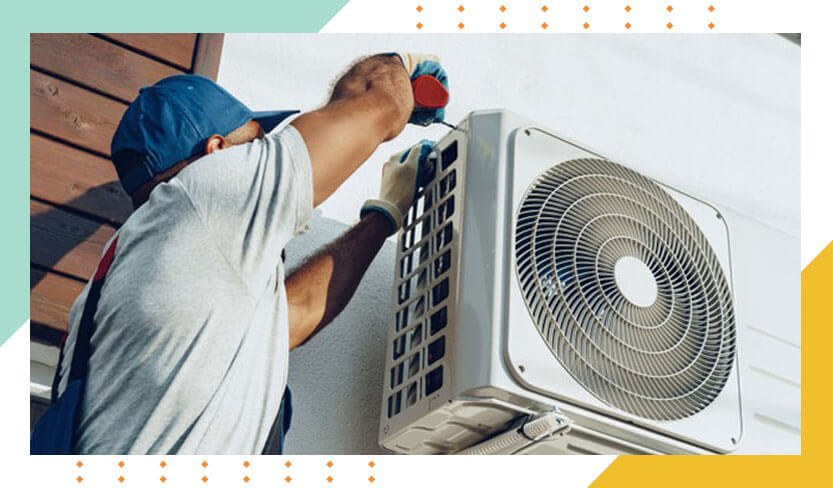
HVAC maintenance involves comprehensive care for your system, going beyond basic tasks like filter changes. It includes professional inspections to detect issues early and prevent major repairs. By addressing minor problems promptly, you can avoid costly breakdowns.
Ensure System Longevity
Regular maintenance is crucial to extend the lifespan of your HVAC system. Preventative measures such as cleaning coils and checking refrigerant levels can significantly reduce wear and tear on components. This proactive approach not only enhances system durability but also ensures consistent performance.
Improve Performance and Efficiency
Routine maintenance plays a vital role in optimizing energy consumption by keeping your HVAC system running smoothly. Clean filters and well-maintained components contribute to enhanced overall performance, leading to a more comfortable indoor environment. Moreover, regular servicing is directly linked to reduced utility bills, as efficient systems consume less energy.
What HVAC Maintenance Involves
Routine Inspection Tasks
During HVAC maintenance, technicians conduct various essential inspection tasks to ensure the system’s optimal performance. They typically check for leaks in the ductwork, inspect electrical connections for any signs of wear or damage, and assess the thermostat accuracy. By performing these inspections, technicians can identify potential issues before they escalate into major problems.
Inspections also play a crucial role in revealing hidden issues within the HVAC system. For instance, technicians may uncover clogged air filters that restrict airflow, leading to reduced efficiency and increased energy consumption. By examining the condensate drain, professionals can prevent water leakage and mold growth, ensuring a safe and healthy indoor environment.
Regularly checking safety features such as carbon monoxide detectors and emergency shut-off switches is paramount during HVAC maintenance. These safety mechanisms are vital for protecting occupants from potential hazards like gas leaks or electrical malfunctions. By verifying the proper functioning of these features, technicians prioritize the safety and well-being of building occupants.
Cleaning and Replacing Parts
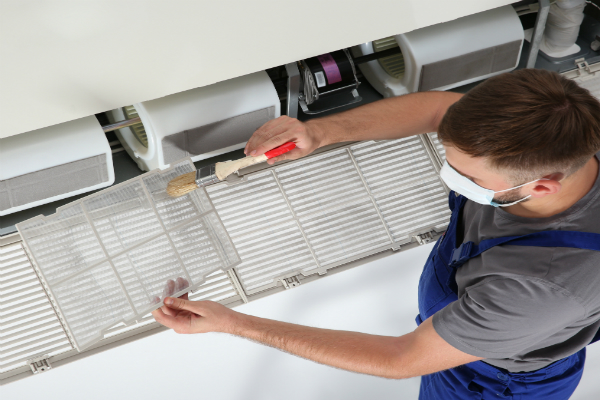
Cleaning and replacing key components are essential aspects of routine HVAC maintenance. Technicians focus on cleaning air filters, coils, and blower motors to prevent dust buildup, which can hinder system efficiency. Dirty filters and coils not only reduce airflow but also force the system to work harder, leading to increased energy consumption and potential breakdowns.
Timely replacement of worn-out parts is crucial to preventing larger system failures. Components such as fan belts, capacitors, and thermocouples may deteriorate over time, impacting the system’s overall performance. By replacing these parts during regular maintenance visits, technicians ensure the HVAC system operates smoothly and efficiently.
Testing System Components
During maintenance appointments, HVAC technicians conduct thorough testing of critical system components to assess their functionality. They test the compressor, condenser, and evaporator coils to ensure they operate within safe parameters. By evaluating these components regularly, technicians can detect any abnormalities or malfunctions early on.
Verifying thermostat accuracy is another crucial aspect of testing during HVAC maintenance. A faulty thermostat can lead to inconsistent temperature control and increased energy costs. By calibrating the thermostat and checking its responsiveness, technicians ensure precise temperature regulation, enhancing comfort levels for building occupants.
Recommended Maintenance Schedule
Expert Frequency Guidelines
Experts suggest annual maintenance schedules for optimal HVAC system performance and longevity. Different systems may require varied maintenance needs, so it’s crucial to follow professional advice. Adhering to professional guidelines ensures efficient operation and prevents costly repairs.
Seasonal Considerations
Seasonal changes impact HVAC systems, affecting their performance. It’s advisable to schedule maintenance based on seasonal usage patterns. Preparing systems for extreme weather conditions is essential to avoid breakdowns.
Timing for Optimal Results
To avoid peak seasons, experts recommend scheduling maintenance at optimal times. Pre-season maintenance enhances system readiness and reduces the risk of unexpected issues. Planning maintenance around personal schedules ensures convenience and timely servicing.
Factors Affecting Maintenance Frequency
System Age and Condition
When considering system age, older HVAC units typically require more frequent maintenance due to wear and tear. Regular inspections are crucial to ensure optimal performance. Evaluating the condition of the system during maintenance helps in identifying potential issues early, preventing costly repairs down the line.
Regional Climate Impact
Local climate conditions play a significant role in determining HVAC maintenance needs. Extreme temperatures and high humidity levels can strain systems, leading to inefficiencies. Tailoring maintenance schedules based on regional weather patterns is essential to optimize system performance and longevity.
Usage Patterns and Demands
Usage patterns directly impact maintenance schedules, especially during high-demand periods. Monitoring system usage allows for adjustments in maintenance frequency to prevent breakdowns. Regular upkeep during peak times can extend the lifespan of HVAC systems.
Benefits of Regular HVAC Care
Boost Efficiency and Savings
Regular air conditioner service leads to improved efficiency, translating into significant cost savings. By ensuring that your HVAC system operates optimally, you can reduce energy consumption. This results in lower monthly utility bills, ultimately saving you money in the long run. The upfront investment in preventative maintenance pays off through increased efficiency.
Maintaining your HVAC system not only boosts efficiency but also enhances your overall comfort and safety. A well-functioning system ensures that your indoor environment remains comfortable throughout the year. Routine maintenance includes safety checks that help prevent potential hazards, such as gas leaks or electrical issues. This proactive approach contributes to a safer living environment for you and your family.
Enhance Comfort and Safety
Regular air filter replacements and system check-ups play a crucial role in maintaining indoor comfort levels. By addressing issues promptly, you can ensure consistent temperatures and proper airflow in your home. Moreover, scheduled maintenance helps identify and rectify any safety concerns before they escalate into emergencies. This proactive stance towards safety enhances the well-being of everyone in your household.
Early detection of HVAC problems is key to preventing major breakdowns and costly repairs. Through routine maintenance, technicians can identify potential issues before they worsen, saving you from unexpected expenses. By conducting regular inspections and tune-ups, you can address minor issues promptly, avoiding disruptive breakdowns. Proactively monitoring your system’s health allows for timely interventions and ensures its longevity.
Identify Issues Early
Regular air conditioner service appointments enable technicians to detect underlying issues early on, preventing them from escalating into major problems. By catching these issues in their infancy, you can avoid sudden breakdowns that require expensive emergency repairs. Taking a proactive stance towards your HVAC system’s health through regular maintenance ensures its smooth operation and longevity.
When to Schedule Maintenance
Best Times of Year
HVAC experts recommend scheduling preventative maintenance during the spring and fall months. These seasons are ideal as they precede the peak usage periods of summer and winter. By servicing your HVAC system before extreme temperatures hit, you ensure optimal performance.
During off-peak months, such as April and October, HVAC companies are less busy, making it easier to secure a convenient appointment time. This can result in quicker service and more attention to detail during maintenance checks. Avoiding peak times also often leads to cost savings on services.
Seasonal changes like the transition from summer to fall can be indicators that your HVAC system requires attention. As temperatures drop, your heating system will start working harder, potentially revealing issues that need addressing. By scheduling maintenance during these transitional periods, you preemptively address any problems.
Align with Seasonal Changes
It’s crucial to align your maintenance schedule with seasonal shifts to ensure your HVAC system operates efficiently year-round. As winter turns to spring and vice versa, the demands on your system change. Regular maintenance helps prepare your HVAC unit for these shifts.
Seasonal changes impact how efficiently your HVAC system runs. For instance, as summer approaches, cooling systems work harder to combat rising temperatures. Regular maintenance ensures that your system is ready for this increased workload, preventing breakdowns when you need cooling the most.
Preparing your HVAC system for seasonal demands involves tasks like cleaning filters, checking refrigerant levels, and inspecting ductwork. By scheduling maintenance ahead of each season, you address potential issues proactively, ensuring your system functions optimally when you need it most.
Final Remarks
In taking care of your HVAC system, regular maintenance is key. Following a recommended schedule and understanding the factors affecting the frequency of maintenance can ensure your system runs efficiently and lasts longer. By investing in preventative care, you not only save on repair costs but also create a comfortable environment in your home.
Don’t wait until an issue arises; schedule your HVAC maintenance today to enjoy uninterrupted comfort and peace of mind. Your system will thank you for the care, operating smoothly and efficiently for years to come.
Frequently Asked Questions
1. How important is HVAC maintenance for my home?
Regular HVAC maintenance is crucial for ensuring optimal performance, energy efficiency, and longevity of your system. It helps prevent costly breakdowns, improves indoor air quality, and ensures your system operates safely.
2. What does HVAC maintenance typically involve?
HVAC maintenance involves tasks like inspecting and cleaning components, checking refrigerant levels, lubricating moving parts, testing controls, and ensuring all systems are operating efficiently.
3. What is the recommended schedule for preventative HVAC maintenance?
Experts recommend scheduling preventative HVAC maintenance at least once a year. Ideally, it’s best to have maintenance performed in the spring before the cooling season and in the fall before the heating season.
4. What factors can affect how often HVAC maintenance should be done?
Factors such as the age of your system, frequency of use, local climate conditions, and specific manufacturer recommendations can influence how often you should schedule HVAC maintenance.
5. What are the benefits of regular HVAC care?
Regular HVAC care can help lower energy bills, extend the lifespan of your system, improve indoor air quality, enhance comfort levels in your home, and reduce the likelihood of unexpected breakdowns.
Stay Comfortable with Trusted HVAC Contractor Services from Superior Mechanical Services
Is your HVAC system giving you trouble? When unexpected issues arise, Superior Mechanical Services, Inc. is here to provide fast, reliable HVAC services. Since 1948, we have been the go-to choice for dependable HVAC solutions for both residential and commercial customers.
Our certified technicians specialize in HVAC repairs, using a thorough checklist to diagnose and fix problems quickly, ensuring your system operates at peak performance. Whether it’s troubleshooting or comprehensive system diagnostics, you can count on us to restore your HVAC system efficiently and effectively.
Don’t let HVAC problems disrupt your comfort—contact us today for expert service. With over 70 years of experience, Superior Mechanical Services is committed to keeping your home or business comfortable year-round. Your satisfaction is our top priority!