7 Simple Preventative HVAC Maintenance Tasks to Do Before Winter Hits
Looking to keep your HVAC system in top shape this winter? Wondering how to prepare it for the upcoming cold months? Get ahead of the game with these 7 simple preventative HVAC maintenance tasks. By taking proactive steps now, you can ensure your system runs smoothly when the temperature drops. From checking filters to inspecting ductwork, these tasks are easy to do and can save you time and money in the long run. Don’t wait until winter hits – start prepping your HVAC system today!
1. Replace or Clean Filters:
Regular Maintenance:
Regularly replacing or cleaning filters is crucial for the efficient operation of your HVAC system. Dirty filters can restrict airflow, causing the system to work harder and consume more energy.
It is recommended to replace disposable filters every 1-3 months, depending on usage. For washable filters, clean them every month. Neglecting this task can lead to poor indoor air quality and potential system breakdowns.
Increased Efficiency:
By maintaining clean filters, you ensure that your HVAC system operates at its peak efficiency. This not only reduces energy consumption but also extends the lifespan of your equipment.
Pros:
- Improved indoor air quality
- Lower energy bills
Con:
- Forgetting to replace filters can lead to system malfunctions
DIY vs. Professional Help:
While replacing filters is a simple task, some homeowners prefer to hire professionals for comprehensive HVAC maintenance. However, DIY filter replacement can be cost-effective and straightforward.
Regularly changing filters is a small yet impactful step in ensuring your HVAC system’s longevity and optimal performance. Remember, a well-maintained system translates to lower energy costs and a comfortable living environment.
2. Inspect the Thermostat:
Check Settings
When inspecting the thermostat, check the settings to ensure they are correctly configured for optimal heating performance. Incorrect settings can lead to inefficient heating and unnecessary energy consumption.
Test Functionality
Test the functionality of the thermostat by adjusting the temperature settings and observing if the heating system responds accordingly. This test ensures that the thermostat is communicating effectively with the HVAC system.
Replace Batteries
Regularly replace the batteries in your thermostat to prevent any disruptions in its operation. Dead batteries can cause the thermostat to malfunction, leading to heating issues during winter.
Clean Dust and Debris
Dust and debris can accumulate around the thermostat, affecting its accuracy and responsiveness. Use a soft brush or cloth to clean the exterior of the thermostat and remove any obstructions that may impact its performance.
Calibrate if Necessary
If you notice discrepancies between the actual room temperature and the temperature displayed on the thermostat, consider calibrating it for accuracy. A calibrated thermostat ensures precise temperature control and efficient heating operation.
Upgrade to a Programmable Thermostat
Consider upgrading to a programmable thermostat for enhanced control over your heating schedule. Programmable thermostats allow you to set different temperatures for various times of the day, optimizing energy usage and comfort levels.
Schedule Professional Inspection
For comprehensive maintenance, schedule a professional inspection of your thermostat. HVAC technicians can perform thorough checks on the thermostat’s internal components and settings, ensuring its proper functioning throughout winter.
3. Clean the Outdoor Unit:
Regular Cleaning
Regularly cleaning the outdoor unit of your HVAC system is crucial to ensure optimal performance. Dirt and debris can accumulate, impacting the unit’s efficiency.
Importance of Cleaning
Cleaning the outdoor unit involves removing leaves, dirt, and other debris that may have gathered around it. This ensures proper airflow and prevents potential blockages.
Frequency of Cleaning
Experts recommend cleaning the outdoor unit at least once a month during the peak usage seasons. However, in preparation for winter, it’s advisable to clean it more frequently.
Tools Needed
To clean the outdoor unit effectively, you’ll need basic tools such as a garden hose, soft brush or cloth, and mild detergent. These tools help in removing dirt without damaging the unit.
Steps to Follow
- Begin by turning off the power supply to the outdoor unit to ensure safety.
- Gently remove any visible debris using a soft brush or cloth.
- Use a garden hose to clean the coils and fins of the unit. Be cautious not to use high pressure to avoid causing damage.
- If there are stubborn stains, a mixture of mild detergent and water can be used to clean them off gently.
Benefits of Cleaning
- Improves Efficiency: By cleaning the outdoor unit, you enhance its efficiency and reduce energy consumption.
- Prevents Damage: Regular maintenance prevents potential damage caused by blockages and debris buildup.
4. Check Ductwork for Leaks:
Inspect Regularly
Regularly checking ductwork for leaks is crucial to ensure efficient HVAC performance throughout the year. Leaks can lead to energy wastage and reduced indoor comfort.
It’s important to inspect ductwork at least once a year, preferably before winter hits. Look for visible signs of leaks such as gaps, holes, or disconnected joints.
Seal Leaks Promptly
Sealing ductwork leaks promptly can prevent heat loss during the colder months. Use mastic sealant or metal tape to seal any visible leaks effectively.
Leaving leaks unattended can result in uneven heating, higher energy bills, and overall inefficient HVAC operation.
Benefits of Sealing Leaks:
- Improved Energy Efficiency
- Enhanced Indoor Comfort
- Cost Savings on Energy Bills
Hire Professionals
For complex leak issues, consider hiring HVAC professionals to conduct a thorough inspection and sealing process. They have the expertise and tools to identify and fix leaks effectively.
Remember that addressing ductwork leaks is a preventive measure that can save you from potential costly repairs in the future.
5. Schedule a Professional Tune-Up:
Regular Maintenance Benefits
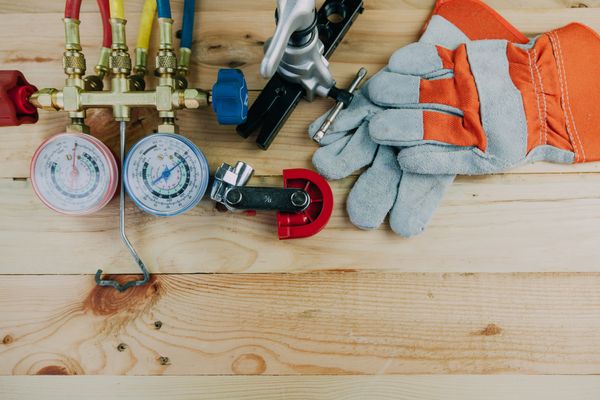
Regular professional HVAC tune-ups can prolong the lifespan of your system and ensure optimal performance. These tune-ups typically involve cleaning, inspection, and adjustments to various components.
Scheduling a professional tune-up before winter hits can identify potential issues early, preventing costly breakdowns during the colder months. Moreover, it can improve energy efficiency and help lower utility bills.
What to Expect During a Tune-Up
During a professional HVAC tune-up, a certified technician will inspect the system thoroughly, checking for any wear and tear, loose connections, or malfunctioning parts. They will also clean components such as coils and filters.
The technician will adjust settings to ensure the system operates at peak efficiency. They may lubricate moving parts to reduce friction and prevent premature wear.
Importance of Professional Service
While DIY maintenance is beneficial, professional tune-ups offer a more comprehensive evaluation of your HVAC system. Technicians have the expertise to spot potential issues that an untrained eye might miss.
Professional service can also help maintain manufacturer warranties, as many require proof of regular maintenance. By investing in annual tune-ups, you can potentially avoid costly repairs down the line.
Cost Considerations
The cost of a professional HVAC tune-up can vary depending on factors like system size and location. However, considering the benefits such as improved efficiency and fewer repairs, it is a worthwhile investment.
Many HVAC companies offer service agreements that include annual tune-ups as part of a package deal. These agreements often provide priority service and discounts on repairs for added peace of mind.
6. Inspect Insulation:
Check for Damage
Inspecting insulation is crucial to ensure your HVAC system operates efficiently. Check for any signs of damage such as tears, gaps, or wear and tear. Damaged insulation can lead to energy wastage and reduced heating efficiency.
Repair or Replace
If you notice any damaged insulation, repair or replace it promptly. Faulty insulation can result in heat loss, causing your HVAC system to work harder and consume more energy. By fixing insulation issues, you can improve energy efficiency and reduce utility bills.
Upgrade Insulation
Consider upgrading your insulation for better thermal performance. Upgrading to higher-quality insulation materials can enhance your home’s energy efficiency and comfort during the winter months. Improved insulation helps maintain consistent indoor temperatures and reduces strain on your HVAC system.
Seal Air Leaks
Identify and seal any air leaks around doors, windows, and ductwork. Sealing air leaks prevents warm air from escaping and cold drafts from entering your home. Properly sealed spaces help maintain a comfortable indoor environment and lessen the workload on your HVAC system.
Insulate Ductwork
Insulating ductwork is essential for preventing heat loss in your HVAC system. Insulate exposed ducts in unconditioned areas like attics or basements to minimize heat transfer. Well-insulated ducts ensure that heated air reaches its destination efficiently, improving overall system performance.
Clean Vents and Registers
Regularly clean vents and registers to maintain proper airflow throughout your home. Remove dust and debris that may block airflow and hinder heating distribution. Clean vents promote better air circulation, allowing your HVAC system to operate smoothly and effectively.
Monitor Thermostat Settings
Check your thermostat settings to optimize heating efficiency. Program your thermostat to lower temperatures when you’re away or asleep to save energy. Adjusting settings based on your schedule helps reduce energy consumption without compromising comfort levels.
7. Test Heating System:
Check Thermostat
Begin by checking the thermostat settings to ensure they are suitable for the colder months. Adjust the temperature settings if necessary to optimize heating efficiency.
Inspect Air Filters
Regularly inspect and replace air filters to maintain proper airflow and prevent dust buildup. Clogged filters can strain the system and reduce indoor air quality.
Clean Vents and Ducts
Clean vents and ducts to remove any obstructions that could hinder airflow. Blocked vents can lead to uneven heating distribution throughout the house.
Lubricate Moving Parts
Lubricate moving parts such as motors and bearings to reduce friction and prolong their lifespan. Proper lubrication ensures smooth operation of the heating system.
Test Carbon Monoxide Detectors
Ensure that carbon monoxide detectors are functioning correctly by testing them regularly. Carbon monoxide leaks can be dangerous and are a serious health hazard.
Schedule Professional Maintenance
Consider scheduling professional maintenance before winter arrives to address any potential issues. Regular maintenance can help prevent costly repairs down the line.
Check for Drafts
Inspect windows and doors for drafts that can let cold air in and warm air out. Use weather stripping or caulking to seal any gaps and improve energy efficiency.
Final Thoughts
Maintaining your HVAC system before winter hits is crucial for its efficiency and longevity. Remember to replace or clean filters, inspect the thermostat, clean the outdoor unit, check ductwork for leaks, schedule a professional tune-up, inspect insulation, and test the heating system. By following these simple preventative maintenance tasks, you ensure that your HVAC system runs smoothly during the colder months, keeping you warm and comfortable without unexpected breakdowns. Regular maintenance not only saves you money on costly repairs but also contributes to a healthier indoor environment for you and your family.
Take charge of your HVAC system’s maintenance today to enjoy a cozy winter season ahead. Your proactive approach will pay off in the long run with lower energy bills, improved indoor air quality, and peace of mind knowing that your heating system is in top condition. Keep your home warm and comfortable by staying on top of these essential maintenance tasks.
Frequently Asked Questions
1. What are the benefits of replacing or cleaning HVAC filters regularly?
Regularly replacing or cleaning HVAC filters ensures better air quality, improves system efficiency, reduces energy consumption, and prolongs the lifespan of your HVAC system. It also helps prevent costly repairs and maintains a comfortable indoor environment.
2. How can I inspect the thermostat to ensure it’s working properly?
Check if the thermostat is set correctly, replace the batteries if needed, ensure it responds to temperature changes, and consider upgrading to a programmable thermostat for better control and energy savings. Regularly calibrating and testing the thermostat is essential for optimal performance.
3. Why is cleaning the outdoor unit important for HVAC maintenance?
Cleaning the outdoor unit removes dirt, debris, and obstructions that can hinder airflow and strain the system. This maintenance task helps improve efficiency, prevents overheating, reduces the risk of breakdowns, and ensures your HVAC system operates smoothly during winter.
4. What are the signs of ductwork leaks that homeowners should look out for?
Common signs of ductwork leaks include uneven heating or cooling, increased energy bills, dusty indoor air, musty odors, and visible damage or gaps in the ducts. Addressing ductwork leaks promptly through professional inspection and sealing can enhance comfort and efficiency in your home.
5. Why is scheduling a professional tune-up important before winter?
A professional HVAC tune-up before winter ensures that your system is operating efficiently, detects potential issues early on, improves indoor comfort, enhances energy efficiency, and extends the lifespan of your HVAC equipment. Professional maintenance also helps prevent unexpected breakdowns during cold weather.
Stay Comfortable with Trusted HVAC Contractor Services from Superior Mechanical Services
Is your HVAC system giving you trouble? When unexpected issues arise, Superior Mechanical Services, Inc. is here to provide fast, reliable HVAC services. Since 1948, we have been the go-to choice for dependable HVAC solutions for both residential and commercial customers.
Our certified technicians specialize in HVAC repairs, using a thorough checklist to diagnose and fix problems quickly, ensuring your system operates at peak performance. Whether it’s troubleshooting or comprehensive system diagnostics, you can count on us to restore your HVAC system efficiently and effectively.
Don’t let HVAC problems disrupt your comfort—contact us today for expert service. With over 70 years of experience, Superior Mechanical Services is committed to keeping your home or business comfortable year-round. Your satisfaction is our top priority!